
Waste Management Fluid Power
Bin Lifter Cylinders: Elevating Urban Refuse Collection
An authoritative engineering analysis of hydraulic tipping mechanisms, automated side loader fluid dynamics, and heavy-duty performance in municipal solid waste operations.
Transforming Municipal Solid Waste Logistics
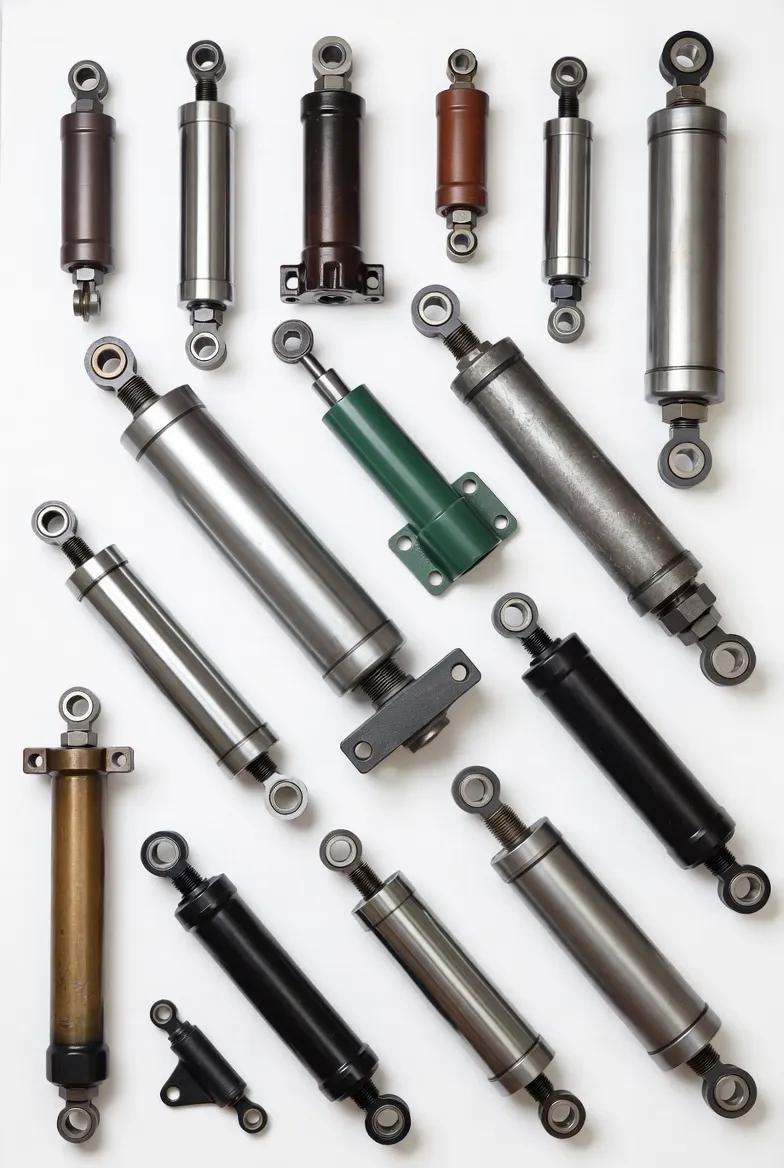
The modernization of municipal solid waste collection represents a monumental leap forward in urban sanitation and occupational health. At the forefront of this transformation is the automated refuse truck, a machine that relies entirely on precise fluid power to function. Central to this automated workflow are bin lifter cylinders. These highly specialized hydraulic actuators are responsible for grabbing, lifting, and tipping heavy wheelie bins into the hopper of side-loading or rear-loading garbage trucks. Without these robust components, the efficiency of modern waste management routes would instantly collapse.
Historically, sanitation workers were required to physically hoist heavy trash receptacles, leading to high rates of musculoskeletal injuries and slow route completion times. The integration of hydraulic wheelie bin lifters has completely eradicated these manual handling risks. However, transitioning the physical burden from human to machine requires engineering bin lifter cylinders capable of enduring thousands of rapid, high-stress cycles every single day. These refuse truck hydraulics must operate flawlessly across diverse extreme environments, from freezing winter mornings to scorching summer afternoons, while continuously resisting highly corrosive municipal waste byproducts.

Mechanical Dynamics of Hydraulic Lifting Systems
The operation of a bin lifter is a masterpiece of synchronized fluid power. The mechanism typically involves multiple hydraulic actuators working in unison to grasp, elevate, invert, and return the municipal waste container.
Rotary vs Linear Actuation
Modern waste management equipment utilizes two primary designs. Rotary actuators use hydraulic pressure to turn a splined shaft, sweeping the bin upward in an arc. Conversely, linear bin lifter cylinders utilize a rack-and-pinion or direct mechanical linkage to convert straight-line hydraulic extension into the complex tipping motion required to empty the wheelie bin into the hopper.
Cushioned Deceleration
A crucial engineering feature of these cylinders is end-of-stroke cushioning. If a heavy, loaded bin hits the end of its mechanical travel at full speed, the kinetic shockwave would shatter the lifting comb and damage the truck chassis. Built-in hydraulic cushions gradually restrict fluid exit at the end of the stroke, ensuring a smooth, controlled stop that drastically extends equipment lifespan.

Surviving Corrosive Urban Environments
The operational environment for garbage truck lifter cylinders is extraordinarily destructive. The primary adversary of these hydraulic components is not just the physical weight of the trash, but the chemical composition of the waste itself. As garbage decomposes, it generates a highly acidic, corrosive liquid known as leachate. This toxic fluid splashes directly onto the exposed piston rods of the lifting mechanism hundreds of times a day.
If standard steel cylinders were used, the leachate would rapidly oxidize the metal, causing deep pitting. Once a rod is pitted, it acts like a file against the internal polyurethane seals, causing catastrophic fluid leaks and total system failure. Therefore, material science plays a pivotal role in the manufacturing of reliable refuse truck hydraulics.
Advanced Metallurgical Protection
To achieve maximum durability, OEM bin lifter cylinders utilize high-yield alloy steel rods that undergo deep nitrocarburizing or thick micro-cracked hard chrome plating. This creates an impenetrable armor against acidic leachate. Furthermore, heavily reinforced metallic or thermoplastic wiper seals are installed at the cylinder gland. These scrapers aggressively wipe away abrasive glass dust, dried mud, and acidic moisture before it can enter the hydraulic system, ensuring pristine fluid integrity.

Operator Safety and Fluid Power Regulations
From a rigorous engineering and EEAT perspective, the paramount concern in municipal solid waste collection is human safety. A wheelie bin loaded with heavy debris possesses immense kinetic energy when elevated above the truck hopper.
Counterbalance and Load-Holding Valves
If a high-pressure hydraulic hose were to rupture during the lifting cycle, gravity would instantly pull the heavy bin downward, potentially crushing operators or pedestrians. To completely negate this hazard, premium bin lifter cylinders are equipped with internally integrated counterbalance valves or velocity fuses. These safety devices mechanically lock the hydraulic fluid in the cylinder chamber the millisecond a pressure drop is detected, freezing the bin safely in mid-air.
Pressure Relief Integration
Overloaded bins are a common reality in municipal collection. If an actuator attempts to lift a load exceeding structural limits, it can bend the piston rod or tear the lifting comb. Integrated pressure relief valves in the hydraulic circuit automatically bypass fluid back to the reservoir if the load exceeds safe operational thresholds, protecting the entire waste management equipment infrastructure from operator-induced damage.
Technological Innovations: IoT and Smart Fleet Management
The landscape of refuse truck hydraulics is undergoing a profound digital transformation. Forward-thinking municipalities are shifting towards data-driven fleet management. The bin lifter cylinder is evolving from a passive mechanical arm into an intelligent, data-gathering hub on the edge of the Industrial Internet of Things (IIoT).
- ✔️
Weigh-in-Motion Systems: The latest bin lifter cylinders are equipped with sophisticated pressure transducers and linear position sensors. As the hydraulic lift mechanism hoists the container, the AI onboard computer calculates the exact weight of the refuse in milliseconds. This enables precise “Pay-As-You-Throw” billing systems for municipalities, encouraging citizens to recycle more and reduce solid waste.
- ✔️
Predictive Seal Maintenance: By continuously monitoring the pressure curves required to execute a lift cycle, AI algorithms can detect microscopic increases in internal friction. This signals early degradation of the hydraulic seals, allowing fleet managers to replace the worn components during scheduled downtime, entirely avoiding mid-route breakdowns.
- ✔️
Cycle Counting for Warranty and ROI: Smart cylinders track every single extension and retraction. This absolute transparency provides fleet owners with irrefutable data regarding equipment utilization, allowing for highly accurate Return on Investment (ROI) calculations and proactive warranty management.

Maximizing Fleet Reliability and Uptime
The trustworthiness of a municipal waste management system relies strictly on equipment reliability. When automated side loaders break down due to hydraulic failure, garbage accumulates on the streets, posing immediate public health hazards. Therefore, maintaining the bin lifter cylinders is not just a mechanical chore; it is a critical public service imperative.
Routine maintenance protocols must include daily visual inspections of the cylinder rods for scoring, which indicates that abrasive debris has breached the wiper seals. Furthermore, ensuring that the trunnion mounts and pivot pins are adequately greased prevents lateral binding forces from bending the cylinder shafts. Integrating rigorous fluid filtration processes ensures that the hydraulic oil remains free of particulates, protecting the delicate directional control valves that dictate the smooth operation of the wheelie bin lifters.

Conclusion: The Backbone of Urban Sanitation
Bin lifter cylinders represent the vital intersection of raw fluid power and precision engineering within the waste management sector. By combining advanced metallurgical corrosion resistance, unwavering safety mechanisms, and the latest IoT smart technology, these hydraulic actuators ensure that municipal solid waste collection is executed with maximum efficiency and supreme safety. For private fleet operators and city municipalities alike, investing in superior refuse truck hydraulics is the foundational step toward achieving a sustainable, reliable, and highly profitable sanitation infrastructure.