
Advanced Metallurgical Surface Engineering
Hard Chrome Plating vs Laser Cladding for Piston Rods: A Performance Comparison
An authoritative technical analysis exploring tribological wear resistance, electrochemical corrosion thresholds, metallurgical bonding physics, and the ultimate industrial transition toward advanced laser deposition technologies.

The Battle for Surface Superiority in Fluid Power
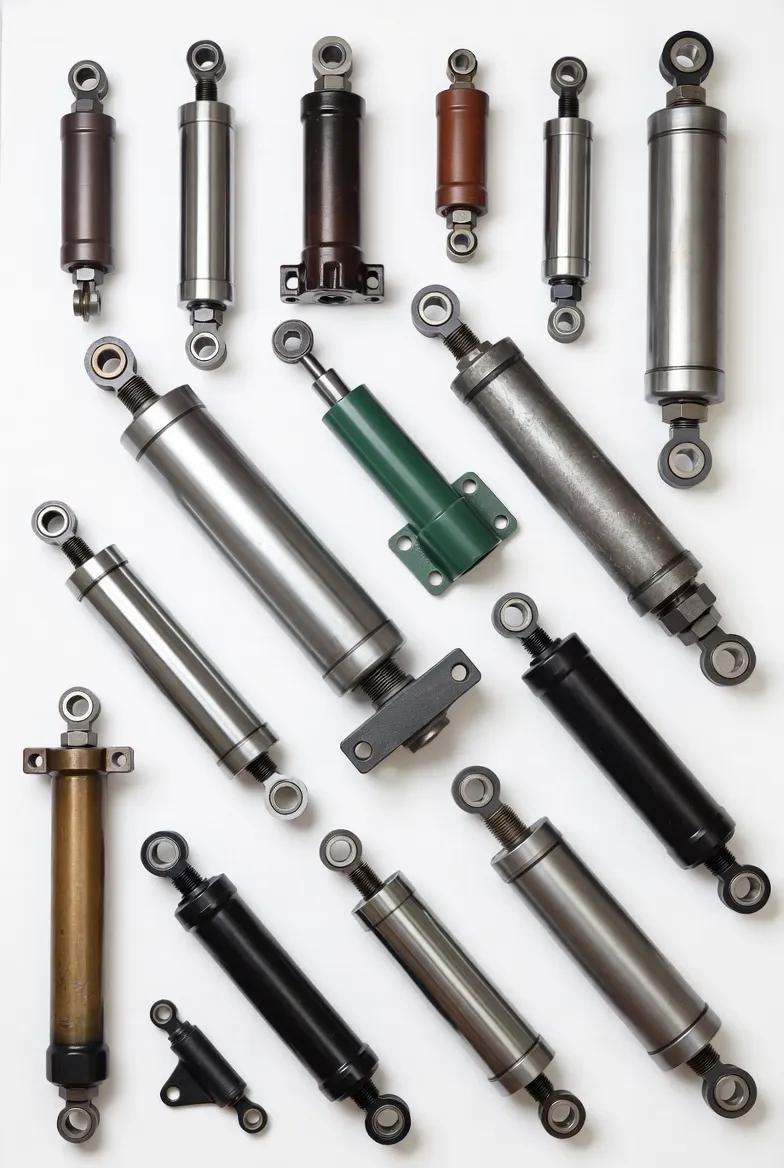
In the highly rigorous disciplines of heavy equipment manufacturing, offshore marine engineering, commercial construction, and automated industrial fabrication, fluid power systems are relied upon to deliver unyielding, perfectly controlled kinetic force. The hydraulic cylinder acts as the muscular core of this machinery, converting pressurized synthetic fluid into massive linear thrust. However, the entirety of this mechanical energy is transferred to the external world through a single, highly stressed component: the piston rod. Because this rod must constantly extend out of its protective steel housing into hostile environments, its surface integrity dictates the survival of the entire actuator. Understanding the deep metallurgical debate of Hard Chrome Plating vs Laser Cladding for Piston Rods is no longer just an academic exercise; it is the fundamental cornerstone of proactive mechanical engineering. To explore the absolute pinnacle of durable actuator design, visiting our premium hydraulic cylinders platform provides an essential baseline for modern industry standards.
For decades, the fluid power industry relied almost exclusively on hexavalent hard chromium plating to protect carbon steel rods from the devastating effects of abrasive wear and environmental oxidation. It was the undisputed standard. However, as industrial machinery is pushed into increasingly brutal environments such as subsea dredging, high saline offshore platforms, and highly acidic agricultural operations the inherent vulnerabilities of traditional electroplating have become glaringly obvious. Microscopic cracking, chemical porosity, and catastrophic delamination under severe impact have driven engineers to seek a more resilient solution. Enter laser cladding technology. This advanced metallurgical process utilizes high powered directed energy to fuse specialized superalloys directly into the atomic structure of the steel rod, promising unparalleled corrosion resistance and virtually indestructible wear characteristics.
From a highly authoritative engineering perspective evaluated against international fluid power standards, selecting between these two surface treatments is a critical decision that dramatically impacts the total cost of ownership, operational safety, and environmental compliance of your heavy machinery. This comprehensive technical guide will meticulously dissect the physics of electrochemical deposition, explore the advanced thermodynamics of laser powder fusion, provide direct performance comparisons in salt spray corrosion environments, and outline the precise engineering protocols required to permanently safeguard your fluid power networks.
The Traditional Standard: Hard Chrome Plating
To understand the revolutionary nature of laser cladding, one must first deeply understand the mechanisms, benefits, and fatal flaws of the traditional electrochemical chrome plating process that has dominated the industry for the past century.
Electrochemical Deposition Physics
Hard chrome plating is achieved through an electrolytic process. The machined steel piston rod is submerged into a highly toxic bath of chromic acid. A massive electrical current is passed through the bath, causing chromium ions to physically migrate out of the liquid solution and deposit themselves onto the surface of the steel cathode. This builds a thin, incredibly hard layer of chromium metal typically sixty eight to seventy two Rockwell C hardness. This surface provides a mirror smooth finish, presenting excellent tribological properties that allow the internal polyurethane seals of the cylinder to glide effortlessly without generating severe friction or heat.
The Micro-Cracking Dilemma
Despite its incredible surface hardness, chrome plating possesses a catastrophic structural vulnerability: it is highly brittle and inherently porous. The internal stress generated during the electrochemical deposition process naturally creates a network of microscopic fissures, known as micro cracks, across the entire plated surface. While a secondary polishing process smooths the surface for the seals, these microscopic channels remain. In highly corrosive environments, such as marine applications or harsh chemical processing plants, saltwater and acids bypass the chrome layer by traveling down through these micro cracks, directly attacking the underlying soft carbon steel. As the steel core rusts, it expands, violently pushing the chrome plating off from the inside out, causing massive flaking and immediate seal destruction.

Laser Cladding: The Advanced Metallurgical Revolution
As heavy equipment manufacturers demanded superior longevity and international environmental agencies began heavily restricting the toxic hexavalent chromium process, metallurgical engineers developed a radically different approach to surface preservation. Laser cladding represents a complete paradigm shift from chemical deposition to high energy thermal fusion.
Directed Energy Powder Fusion
The laser cladding process does not use toxic liquid baths. Instead, the raw steel piston rod is mounted into a precision CNC lathe. A highly concentrated, high wattage industrial laser beam is focused directly onto the surface of the spinning rod, creating a microscopic, localized melt pool in the steel. Simultaneously, a specialized nozzle injects a precise stream of advanced superalloy powder typically Inconel, Stellite, or tungsten carbide matrix alloys directly into this molten pool. As the laser moves along the shaft, the superalloy powder melts and perfectly fuses with the steel core, instantly rapidly cooling to form an incredibly dense, solid metallic layer. This technology is becoming a strict requirement for high endurance Excavator Hydraulic Cylinders that suffer constant rock strikes in mining quarries.
Metallurgical vs Mechanical Bonding
The most profound engineering difference between these two technologies lies in the nature of the bond. Hard chrome plating is a mechanical bond; the chrome sits on top of the steel like a layer of thick paint. Under severe kinetic impact, it can easily shatter and peel off. Laser cladding, however, creates a true metallurgical bond. The extreme heat of the laser physically melts the base steel and the alloy powder together, creating a transitional fusion zone where the two metals become one unified structure on an atomic level. This means the laser clad layer cannot flake, peel, or delaminate under any circumstances. Furthermore, unlike porous chrome, a laser clad surface is perfectly non porous, presenting an absolute, impenetrable barrier against corrosive chemicals and saltwater.

Head-to-Head Performance: Wear, Corrosion, and Impact
When evaluating hydraulic cylinder rod surface treatments, engineers rely on strict empirical laboratory data. The performance comparison between hard chrome and laser cladding is highly illuminating across three critical vectors.
Corrosion Resistance Benchmarks
In standardized ASTM B117 neutral salt spray testing, traditional hard chrome plating begins to show severe red rust oxidation at around two hundred hours due to saline penetration through its micro cracks. In stark contrast, a piston rod treated with a laser clad Inconel 625 superalloy will routinely exceed three thousand hours in the exact same salt spray chamber with absolutely zero signs of oxidation. The lack of porosity makes laser cladding the ultimate undisputed champion for offshore marine, subsea, and highly acidic chemical environments. For machinery exposed to caustic fertilizers, such as Agricultural Hydraulic Cylinders, this chemical immunity translates to years of uninterrupted service life.
Tribological Wear and Friction
Chrome plating provides an excellent, low friction coefficient that is very kind to polyurethane seals. However, laser cladding can be engineered to be vastly superior by injecting carbide matrix powders. While chrome offers a surface hardness of roughly 1000 Vickers, a laser clad surface utilizing tungsten carbide can exceed 2000 Vickers, providing more than double the abrasive wear resistance. This means in environments filled with abrasive silica dust or concrete slurry, a laser clad rod will not score or scratch, permanently preserving the integrity of the hydraulic seals and preventing fluid bypass.
Kinetic Impact Resilience
When a falling boulder strikes a chrome plated rod, the soft steel underneath yields, and the brittle chrome shatters. Because laser cladding creates a thick, metallurgically bonded fusion zone with highly ductile superalloys, the clad layer will actually absorb the kinetic impact and dent along with the base metal without shattering or flaking. This extreme impact resistance prevents the formation of sharp, jagged edges that would normally slice the internal cylinder seals. This makes laser cladding ideal for heavy earthmoving and applications like massive Dump Truck Hydraulic Cylinders operating in rugged quarries.
Environmental and Economic Impacts in Manufacturing
Beyond pure mechanical performance, the shift from chemical plating to laser fusion is being aggressively driven by global environmental regulations and long term economic lifecycle costs.
- ✔️
The Hexavalent Chromium Ban: Hard chrome plating relies on hexavalent chromium (Cr6+), a highly toxic and severely carcinogenic chemical compound. Government regulatory bodies worldwide are enacting strict legislation forcing manufacturing facilities to drastically reduce or entirely eliminate its use. The cost of environmental compliance, hazardous waste disposal, and worker safety protocols for chrome plating facilities has skyrocketed. Laser cladding uses inert metal powders and generates zero toxic chemical waste, offering a completely green, sustainable manufacturing alternative that future proofs the supply chain.
- ✔️
Total Cost of Ownership (TCO): The initial procurement cost of a laser clad piston rod is undeniably higher than a standard hard chrome rod due to the expensive superalloy powders and massive energy requirements of industrial lasers. However, engineering procurement managers must calculate the Total Cost of Ownership. A laser clad rod in a highly corrosive marine environment will outlast a chrome rod by a factor of ten. By eliminating catastrophic seal blowouts, avoiding expensive metallurgical repairs, and drastically reducing machine downtime, the laser clad actuator provides a massive return on investment over the lifecycle of the machinery. For high volume continuous operations utilizing fleets of Forklift Hydraulic Cylinders, minimizing maintenance intervals is paramount for profitability.

Application Specific Recommendations: Making the Right Choice
Choosing between hard chrome and laser cladding is not a binary decision; it requires matching the metallurgical technology directly to the operational hostility of the environment.
For indoor industrial manufacturing, climate controlled automation, and standard commercial construction equipment operating in benign environments, high quality induction hardened chrome plating remains an excellent, cost effective engineering solution. It provides the necessary friction reduction and surface hardness for millions of clean cycles. However, if your fluid power system is exposed to extreme salt spray, caustic chemical washes, deep subsea pressures, or brutal kinetic rock strikes, laser cladding is the only justifiable engineering choice. For critical safety equipment operating at extreme elevations, such as Aerial Work Vehicle Hydraulic Cylinders, the immunity to corrosion flaking provided by laser cladding guarantees that the external rod will never score the internal holding seals, securing absolute load integrity and protecting human life.

Conclusion: Architecting the Future of Fluid Power
Evaluating the performance comparison of piston rod coatings is the most profound decision a design engineer can make to extend the lifecycle of heavy machinery. Hard chrome plating has served the industry reliably for decades, offering excellent hardness and low friction, but its inherent porosity and environmental toxicity mark it as a technology of the past. Laser cladding represents the definitive future of hydraulic cylinder surface treatments. By generating an impenetrable metallurgical bond, offering infinite alloy customization to resist devastating corrosion, and delivering extreme kinetic impact resilience, laser clad actuators conquer the most hostile environments on the planet. Selecting the correct surface engineering ensures that your fluid power systems will deliver unrelenting, unyielding mechanical force with absolute safety. If you are designing machinery for extreme environments and require expert guidance on advanced metallurgical specifications, our engineering team is ready to assist you.