
Exploring the World of Double-Acting Industrial Hydraulic Cylinders
Understanding the Key Components of Hydraulic Cylinders
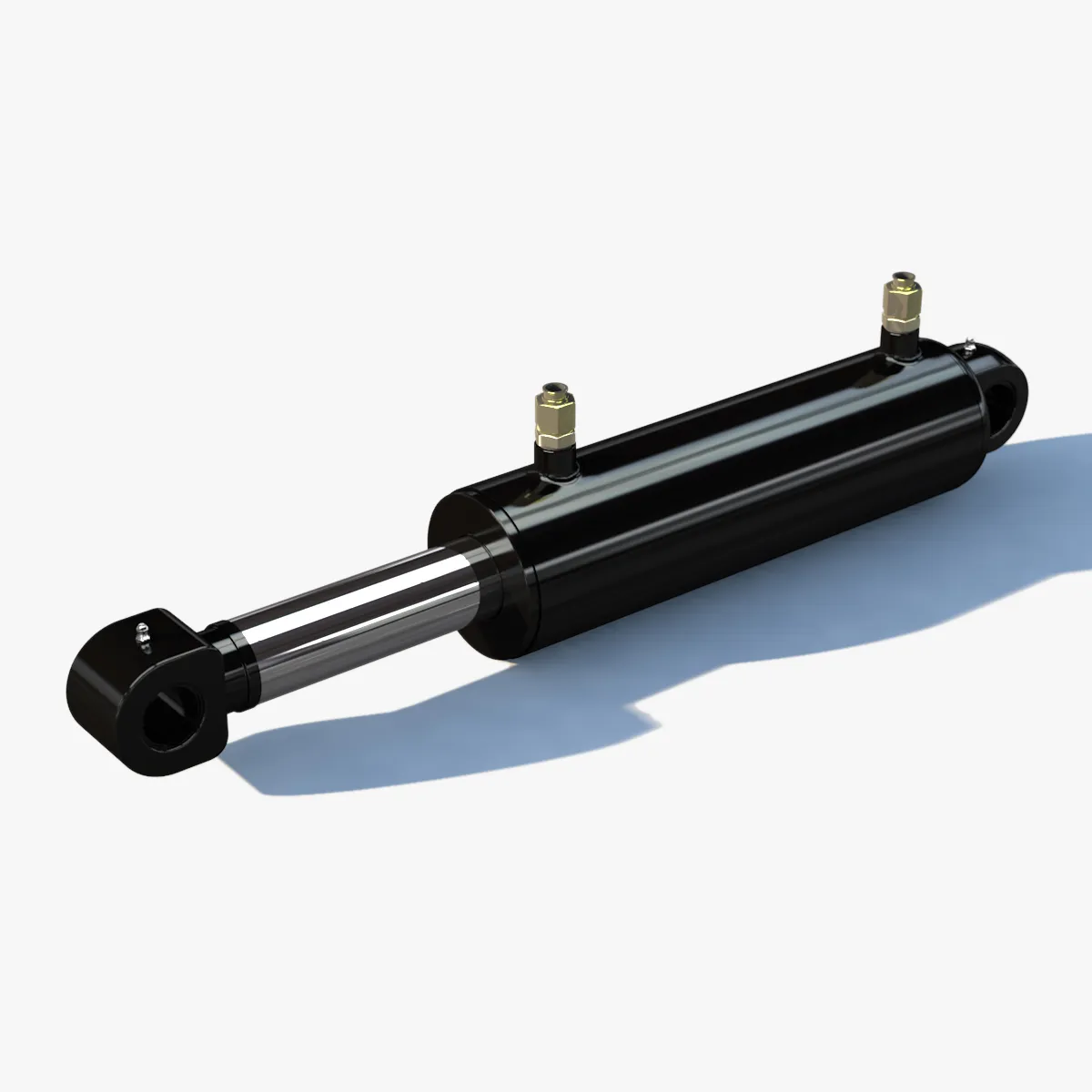
Hydraulic cylinders are essential components in various industrial applications, providing the necessary power to move heavy machinery and equipment. A double-acting hydraulic cylinder consists of a piston, cylinder barrel, end caps, rod, seals, and hydraulic fluid. The piston divides the cylinder into two chambers – the rod side and the cap side. Seals prevent leakage and maintain pressure, while hydraulic fluid transmits force to move the piston.
The Basic Principle of Control Cylinder Operation
Control cylinders operate based on the principle of converting hydraulic energy into mechanical energy. When hydraulic fluid is pumped into one chamber, the piston moves in one direction. When fluid is pumped into the other chamber, the piston moves in the opposite direction. This controlled movement allows for precise control and operation of industrial machinery.
Types of Hydraulic Cylinders in Industrial Use
Single-Acting Hydraulic Cylinders
Single-acting cylinders use hydraulic pressure to extend the piston in one direction, relying on an external force to retract it. These cylinders are commonly used in applications where gravity or external forces assist in retracting the piston.
Double-Acting Hydraulic Cylinders
Double-acting cylinders use hydraulic pressure to extend and retract the piston, providing more control and versatility in industrial applications. These cylinders are widely used in various industries for their efficiency and reliability.
Telescopic Hydraulic Cylinders
Telescopic cylinders consist of multiple nested sections that extend and retract in a telescoping manner. They are used in applications where a long stroke length is required in a limited space, such as dump trucks and cranes.
Differential Hydraulic Cylinders
Differential cylinders have two different bore sizes, allowing for different speeds and forces in extending and retracting the piston. These cylinders are used in applications where varying speeds and forces are needed for precise control.
The Top Five Advantages of Double-Acting Industrial Hydraulic Cylinders
1. Precise control and operation
2. Efficient power transmission
3. Versatility in application
4. Reliable performance
5. Long service life
Applications of Industrial Hydraulic Cylinders
Manufacturing Industry
In manufacturing, hydraulic cylinders are used in assembly lines, metalworking machinery, and robotic systems for precise movement and control.
Construction Industry
In construction, hydraulic cylinders power heavy equipment such as excavators, cranes, and bulldozers for lifting, pushing, and pulling tasks.
Mining Industry
In mining, hydraulic cylinders are essential in mining equipment for drilling, hauling, and crushing operations in harsh environments.
Agricultural Industry
In agriculture, hydraulic cylinders are used in tractors, harvesters, and irrigation systems for tasks such as plowing, harvesting, and irrigation control.
Other Industrial Sectors
Hydraulic cylinders are also used in industries such as marine, aerospace, and transportation for various applications requiring power and control.
Selecting the Right Industrial Hydraulic Cylinder
When selecting an industrial hydraulic cylinder, factors such as load capacity, stroke length, bore size, and operating pressure must be considered to match the cylinder’s performance to the specific application requirements.
Maintenance and Care of Industrial Hydraulic Cylinders
Regular maintenance and care are essential to ensure the optimal performance and service life of hydraulic cylinders. Inspecting for leaks, lubricating moving parts, and cleaning components are key practices to maintain efficiency.
Installation Guide for Industrial Hydraulic Cylinders

Proper installation of hydraulic cylinders is crucial for their performance and longevity. Ensuring alignment, proper mounting, and secure connections will prevent issues and ensure smooth operation.
Maintenance Tasks for Industrial Hydraulic Cylinders
Cleaning
Regular cleaning of hydraulic cylinders prevents dirt and debris buildup, maintaining smooth operation and preventing premature wear.
Lubrication
Applying lubricant to moving parts reduces friction and wear, extending the service life of hydraulic cylinders.
Checking Wear
Regularly checking for wear on seals, rods, and other components helps identify potential issues early and prevent costly repairs.
Fault Diagnosis and Common Problems
Common issues with hydraulic cylinders include leaks, seal damage, and piston misalignment. Proper diagnosis and troubleshooting can resolve these problems and ensure optimal performance.
Preventive Measures for Industrial Hydraulic Cylinders
To prevent problems and optimize performance, preventive measures such as regular inspections, proper lubrication, and correct installation practices should be followed.
Choosing the Right Industrial Hydraulic Cylinder
Factors to consider when selecting a hydraulic cylinder include load requirements, speed, operating conditions, and space constraints. Matching the cylinder’s performance to the application needs is essential for efficient operation.
Long-Tail SEO Articles on Industrial Hydraulic Cylinders
Article 1: The Evolution of Double-Acting Hydraulic Cylinders
Explore the history and advancements in double-acting hydraulic cylinders, highlighting their impact on industrial applications and efficiency.
Article 2: Innovations in Telescopic Hydraulic Cylinder Technology
Discover the latest developments in telescopic hydraulic cylinders, including design improvements and applications in modern machinery.
Article 3: The Future of Differential Hydraulic Cylinders in Industrial Automation
Learn about the potential of differential hydraulic cylinders in automation systems, discussing their benefits and emerging trends in the industry.
Our Company: Leading Manufacturer of Hydraulic Cylinders
We are a renowned hydraulic cylinder replacement manufacturer, offering a complete product line for various industrial applications. With international certifications, custom services, state-of-the-art production equipment, and exceptional after-sales support, we are committed to delivering high-quality hydraulic solutions to our customers.