
Introduction to Industrial Hydraulic Cylinder Electro-Hydraulics
Industrial Hydraulic Cylinder Electro-Hydraulics play a crucial role in various industrial applications, providing powerful and precise linear motion control. These systems utilize the principles of fluid dynamics to generate force and motion, making them essential components in the industrial environment.
Key Components and Structure of Hydraulic Cylinders
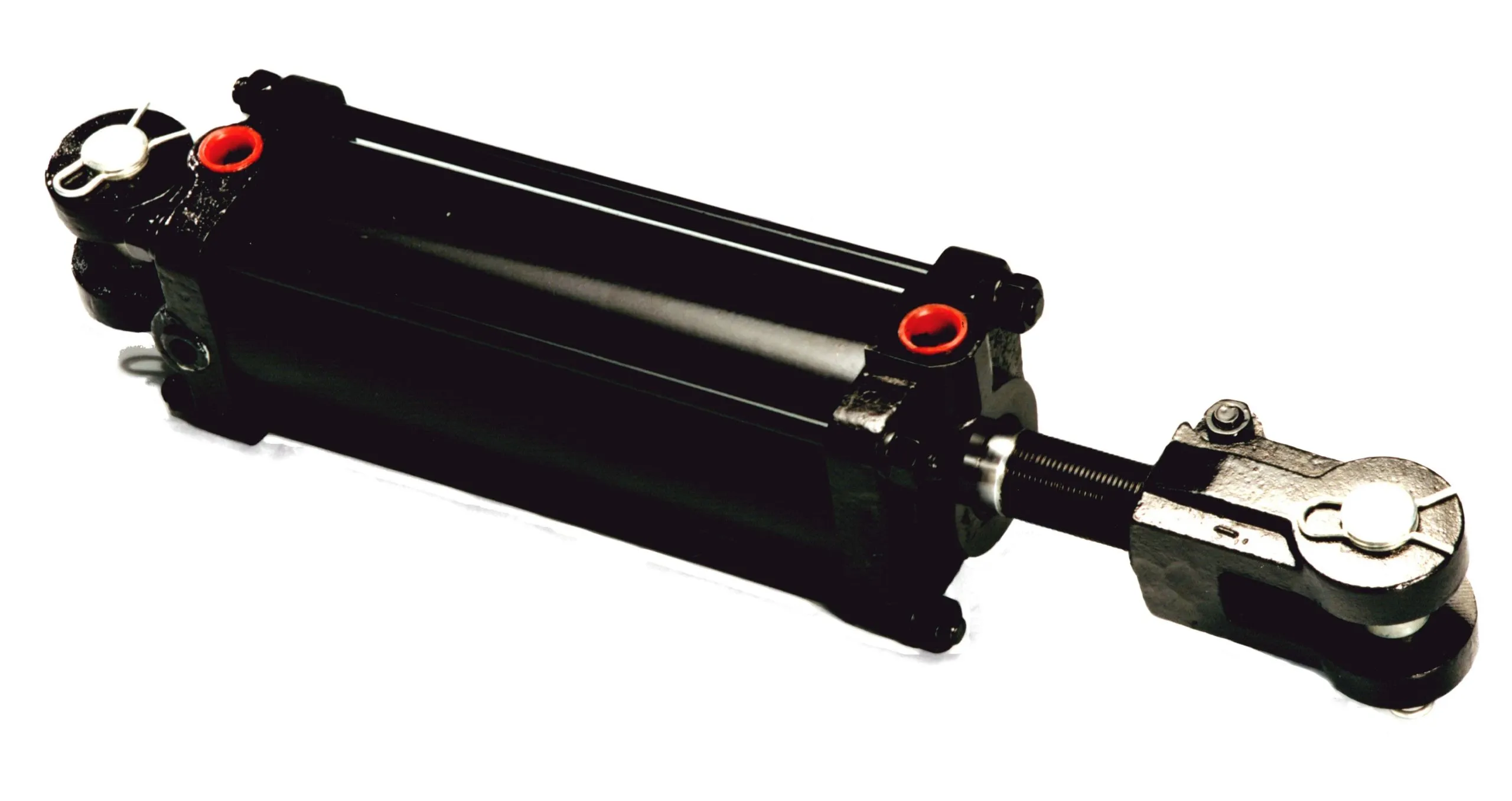
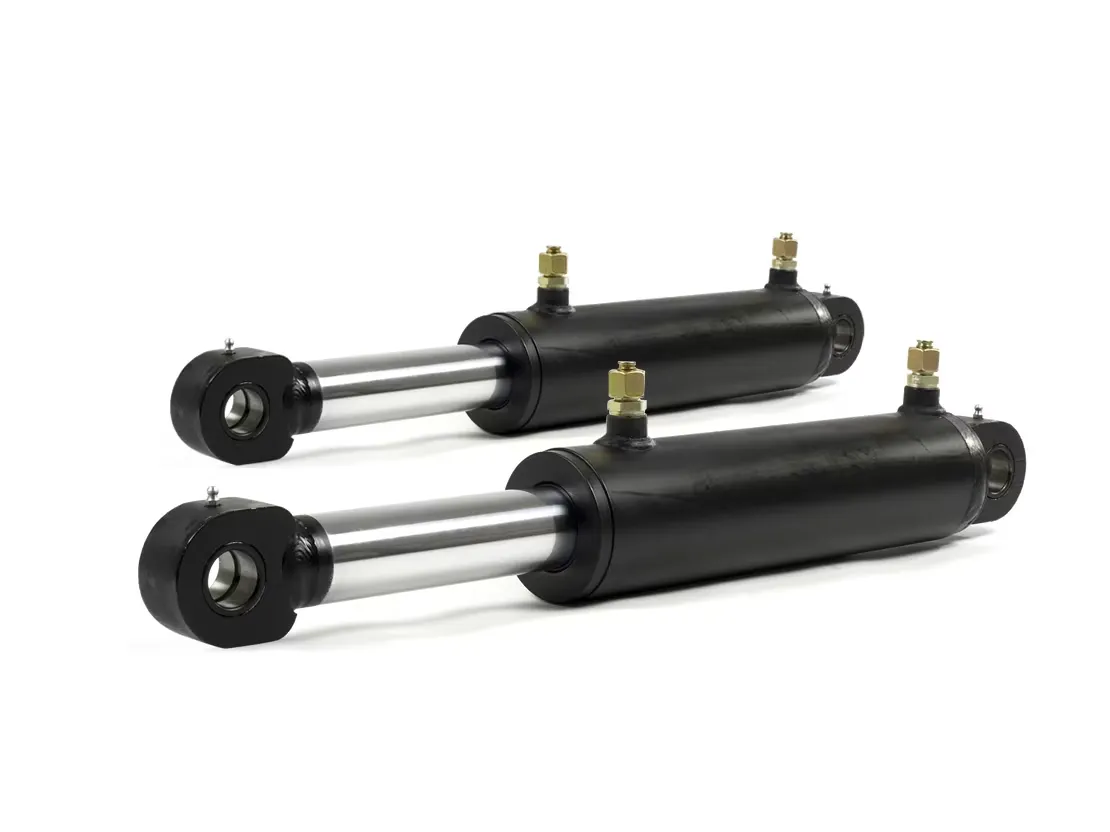
Hydraulic cylinders consist of a cylinder barrel, piston, piston rod, seals, and hydraulic fluid. The cylinder barrel houses the piston, which moves back and forth within the cylinder to generate force. Seals prevent leakage of hydraulic fluid, ensuring the system operates smoothly.
Control Cylinder Operation Overview
The operation of hydraulic cylinders is controlled by regulating the flow of hydraulic fluid into the cylinder. When pressurized fluid enters the cylinder, it pushes the piston, creating linear motion. The direction and speed of the piston can be precisely controlled, making hydraulic cylinders ideal for applications that require accuracy and power.
Types of Hydraulic Cylinders
Single Acting Cylinder
A single acting cylinder uses hydraulic pressure to extend the piston, while a spring or gravity returns the piston to its original position. These cylinders are commonly used in applications where a load must be lifted or lowered.
Double Acting Cylinder
Double acting cylinders use hydraulic pressure to extend and retract the piston, providing bi-directional motion. These cylinders are versatile and widely used in various industrial settings.
Telescopic Cylinder
Telescopic cylinders consist of multiple nested stages that extend and retract to provide a long stroke length in a compact design. These cylinders are ideal for applications with limited space.
Differential Cylinder
Differential cylinders utilize varying piston areas to generate different forces in each direction of motion. These cylinders are useful in applications that require precise control over force and speed.
Top Five Advantages of Industrial Hydraulic Cylinder
1. High Power Output: Hydraulic cylinders can generate high forces for heavy-duty applications.
2. Precise Control: The speed and direction of hydraulic cylinders can be finely tuned for accurate motion control.
3. Compact Design: Hydraulic cylinders offer high force output in a compact package.
4. Durability: Hydraulic cylinders are built to withstand harsh industrial environments.
5. Versatility: Hydraulic cylinders can be tailored to suit a wide range of applications.
Industries Using Industrial Hydraulic Cylinders
Industrial hydraulic cylinders are widely used in manufacturing, construction, mining, agriculture, and other industrial sectors. These cylinders play a critical role in various applications, from lifting heavy loads in manufacturing plants to powering machinery in agricultural fields.
Manufacturing
In manufacturing, hydraulic cylinders are used in assembly lines, presses, and material handling equipment to ensure efficient production processes.
Construction
In the construction industry, hydraulic cylinders are essential for powering cranes, excavators, and other heavy machinery for building structures and infrastructure.
Mining
Mining operations rely on hydraulic cylinders for ore extraction, drilling, and material handling in challenging underground environments.
Agriculture
In agriculture, hydraulic cylinders are used in tractors, harvesters, and irrigation systems to enhance efficiency and productivity on farms.
Other Industrial Sectors
Hydraulic cylinders are also utilized in industries such as transportation, marine, and aerospace for various applications requiring precise motion control and force generation.
Selecting the Right Industrial Hydraulic Cylinder
When choosing an industrial hydraulic cylinder, factors such as load capacity, stroke length, bore size, and mounting options must be considered to ensure optimal performance for the specific application. Matching the performance of the cylinder to the requirements of the application is essential for efficiency and safety.
Maintenance and Care of Industrial Hydraulic Cylinders
Regular maintenance and care of industrial hydraulic cylinders are essential to ensure long-lasting performance and prevent costly breakdowns. Proper inspection, lubrication, and cleaning routines can extend the service life of hydraulic cylinders and maintain optimal functionality.
Industrial Hydraulic Cylinder Installation Guide
Proper installation of industrial hydraulic cylinders is critical for optimal performance and safety. Following manufacturer guidelines, ensuring proper alignment, and securing connections are key steps in the installation process to prevent leaks and malfunctions.
Maintenance Tasks for Hydraulic Cylinders
Cleaning
Regularly cleaning hydraulic cylinders can help prevent contamination and ensure smooth operation. Use appropriate cleaning solutions and methods to maintain the cleanliness of the system.
Lubrication
Proper lubrication of hydraulic cylinders is essential to reduce friction and wear on moving parts. Use recommended lubricants and follow manufacturer guidelines for optimal performance.
Checking Wear
Periodically inspecting hydraulic cylinders for wear and damage can help identify potential issues before they escalate. Check seals, rods, and connections for signs of wear and replace components as needed.
Fault Diagnosis and Common Problems
Common issues with hydraulic cylinders include leaks, seal failures, and piston malfunctions. By conducting thorough inspections and troubleshooting, these problems can be identified and resolved promptly to prevent system downtime.
Preventive Measures for Optimal Performance
To minimize potential problems with industrial hydraulic cylinders, regular maintenance, proper installation, and adherence to operating guidelines are essential. Implementing preventive measures can help optimize performance and extend the service life of hydraulic systems.
How to Choose the Right Industrial Hydraulic Cylinder
When selecting an industrial hydraulic cylinder, consider factors such as load requirements, operating conditions, and system compatibility to ensure the chosen cylinder meets the specific needs of the application. Consulting with experts and following best practices can help in making the right choice.
Explore the Factors in Cylinder Selection
Factors such as bore size, stroke length, mounting options, and cylinder type play a significant role in selecting the appropriate hydraulic cylinder for an industrial application. Understanding these factors and their impact on system performance is crucial for successful implementation.
Long-Tail SEO Articles on Industrial Hydraulic Cylinders
1. “Enhancing Industrial Efficiency with Advanced Hydraulic Cylinders”
2. “Optimizing Performance: The Role of Hydraulic Cylinders in Industrial Automation”
3. “Innovative Solutions: Customizing Hydraulic Cylinders for Diverse Industrial Applications”
Company Overview
We are a leading hydraulic cylinder replacement manufacturer, offering a comprehensive product line for various industrial needs. With a focus on quality, reliability, and customer satisfaction, we have established ourselves as a trusted supplier in the domestic and international markets. Our commitment to professional service, international certifications, customized solutions, state-of-the-art production facilities, and responsive after-sales support sets us apart in the industry.
Author: lyl