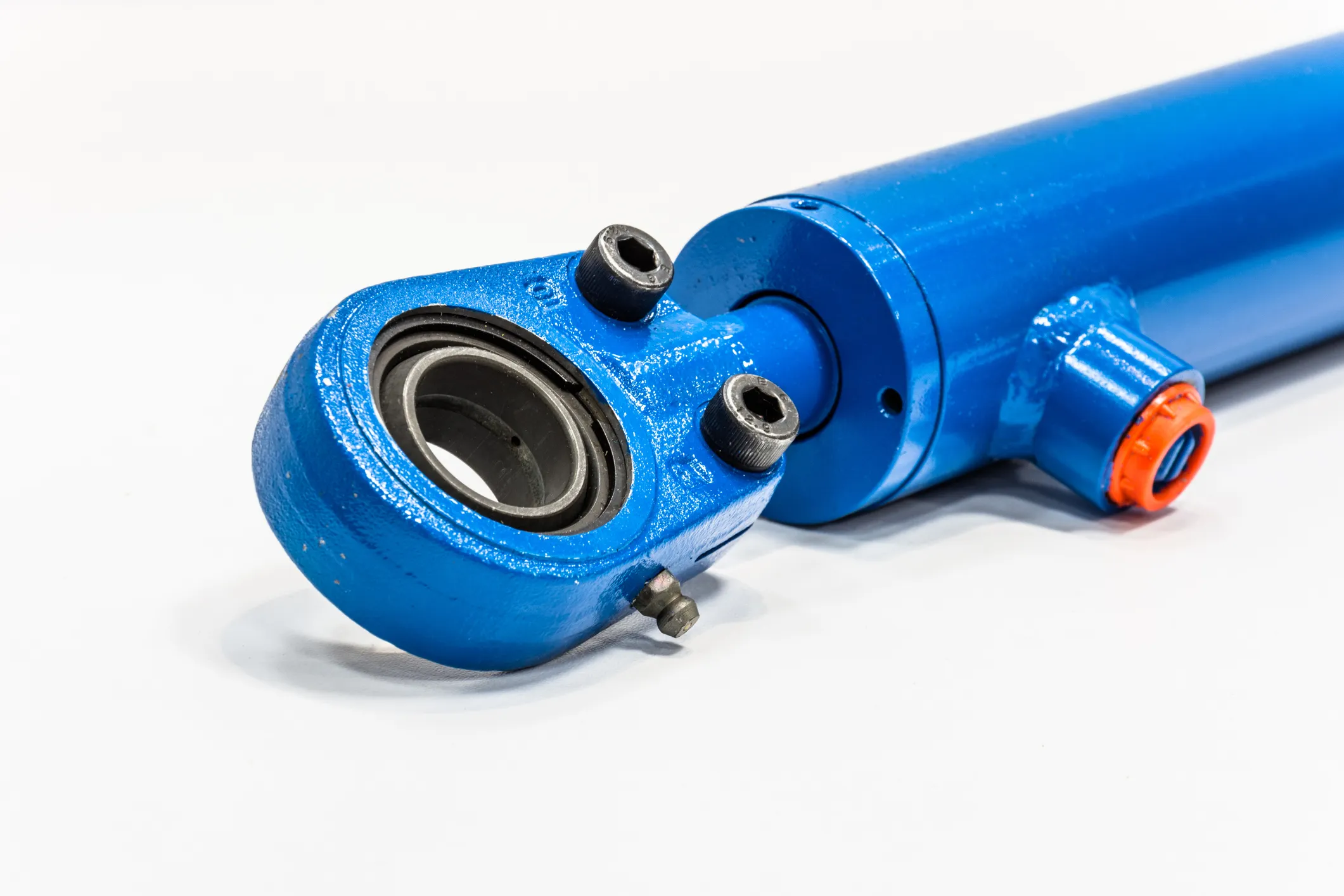
The Ultimate Guide to Precision-Engineered Cushioned Welded Hydraulic Cylinders
Introduction to Cushioned Welded Hydraulic Cylinders
When it comes to critical positioning, guidance, control, automation, and high-accuracy displacement tasks, precision-engineered cushioned welded hydraulic cylinders play a vital role. These specialized hydraulic cylinders are designed to provide smooth and controlled motion in various industrial applications.
Definition and Summary
Cushioned welded hydraulic cylinders are hydraulic actuators that feature built-in cushioning mechanisms to reduce impact forces at the end of the stroke. These cylinders are commonly used in applications where precise control and smooth operation are essential, such as in robotics, material handling equipment, and industrial machinery.
Principle and Application
The principle behind cushioned welded hydraulic cylinders is to absorb energy and dampen the load during the deceleration phase of the cylinder’s stroke. This helps prevent shock and vibration, prolonging the life of the cylinder and other components in the hydraulic system. These cylinders are commonly used in automation, material handling, and positioning systems where precise control and smooth operation are critical.
Design Features of Cushioned Welded Hydraulic Cylinders
Advantages Over Traditional Designs
- Enhanced motion control and positioning accuracy
- Reduced wear and extended component life
- Quieter and smoother operation
- Multifunctional installation and integration
- Improved safety and reliability
Cylinder Structure and Design
The structure of cushioned welded hydraulic cylinders includes a cylinder barrel, piston, rod, cushioning mechanism, seals, and other components. These cylinders are typically made from high-strength materials such as steel or aluminum to withstand high pressures and loads.
Materials, Components, and Assembly Processes
The materials used in cushioned welded hydraulic cylinders are carefully selected for their durability, corrosion resistance, and performance characteristics. Components are precision-engineered and assembled to ensure optimal functionality and reliability in various operating conditions.
Cushioned Mechanisms and Shock Absorption Functions
The cushioning mechanisms in these cylinders are designed to provide controlled deceleration and absorption of energy during the stroke, reducing impact forces and vibrations. This ensures smooth and precise operation of the cylinder in critical applications.
Sealing Systems, Lubrication, and Thermal Management
Sealing systems in cushioned welded hydraulic cylinders are designed to prevent leakage, contamination, and premature wear. Proper lubrication and thermal management help maintain optimal performance and extend the service life of the cylinder in demanding environments.
Working Principle of Cushioned Welded Hydraulic Cylinders
The working principle of cushioned welded hydraulic cylinders involves the transmission of power through hydraulic fluid. The stroke length, displacement, and motion control ability of the cylinder determine its load capacity, rated pressure, and force output in various applications.
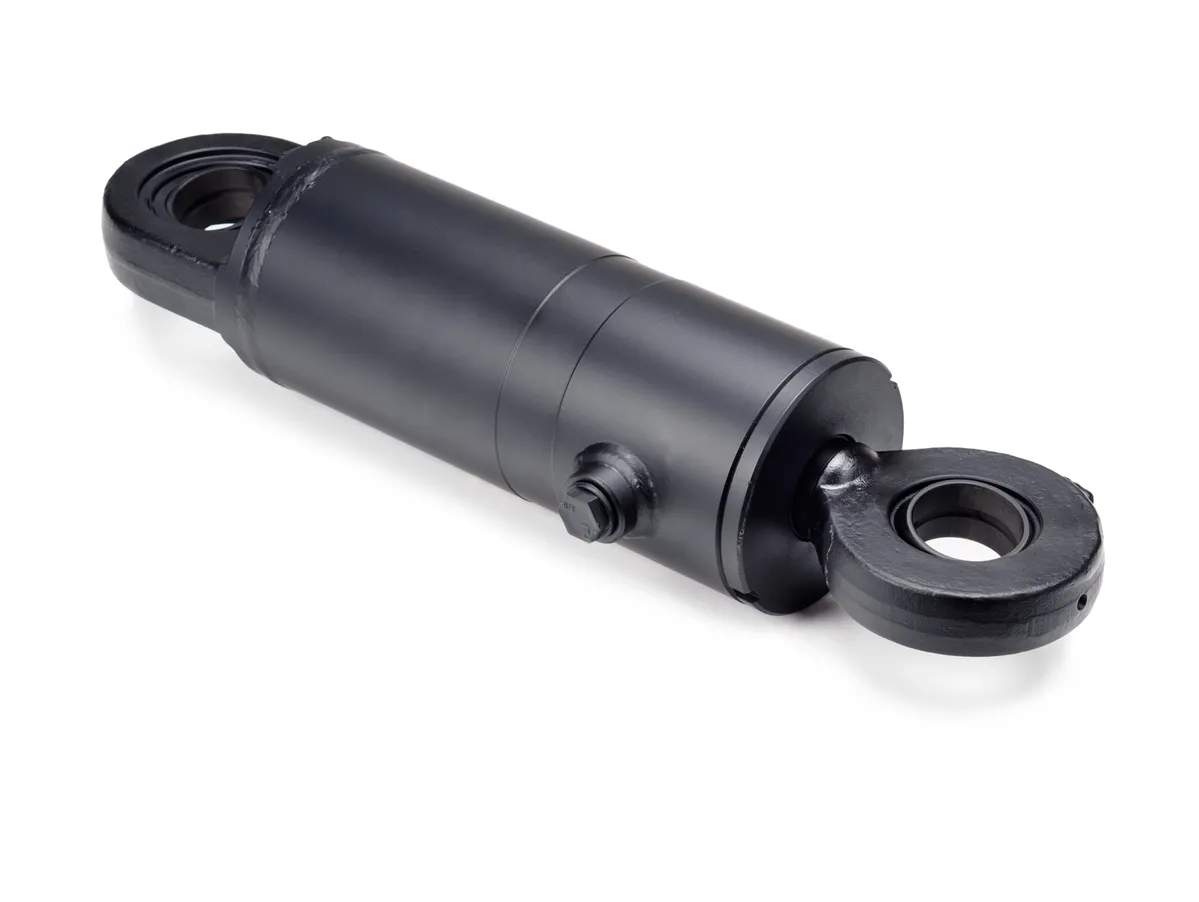
Types and Configurations of Cushioned Welded Hydraulic Cylinders
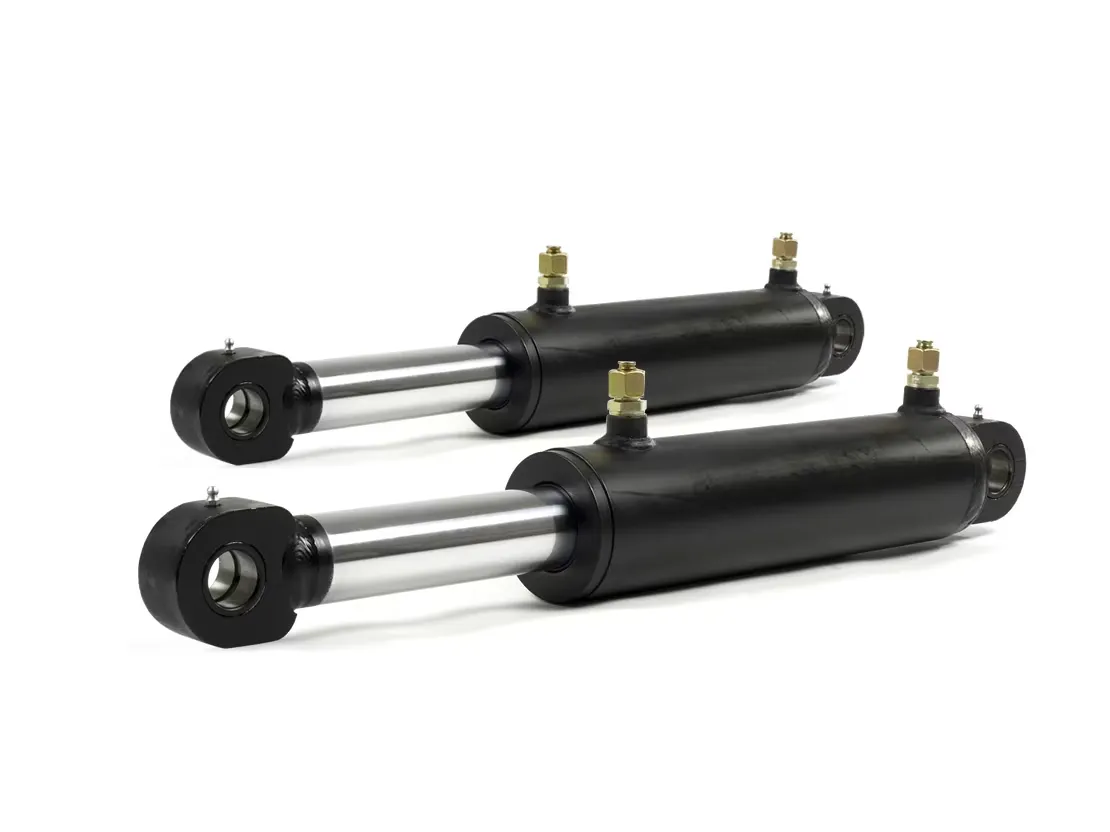
There are three main types of cushioned welded hydraulic cylinders available, each with unique configurations and features tailored to specific applications. These include single-acting, double-acting, and telescopic cylinders, each designed to meet the demands of different industries and operating conditions.
Industries Using Cushioned Welded Hydraulic Cylinders
- Construction and heavy equipment
- Agricultural and forestry machinery
- Automotive and transportation systems
- Industrial manufacturing and automation
- Mining and drilling equipment
Advantages of Cushioned Welded Hydraulic Cylinders
Enhanced Motion Control and Positioning Accuracy
Cushioned welded hydraulic cylinders offer precise control and accuracy in critical positioning tasks, ensuring optimal performance and efficiency in industrial applications.
Reduced Wear and Extended Component Life
The cushioning mechanisms in these cylinders help reduce impact forces and vibrations, minimizing wear on components and prolonging the service life of the cylinder and other equipment.
Quieter and Smoother Operation
By absorbing energy and dampening load forces, cushioned welded hydraulic cylinders provide quiet and smooth operation, enhancing operator comfort and productivity in various applications.
Multifunctional Installation and Integration
These cylinders can be easily integrated into different systems and machinery, offering flexibility and scalability for customized applications in diverse industries.
Improved Safety and Reliability
Cushioned welded hydraulic cylinders enhance overall safety and reliability in critical applications, reducing the risk of system failures and downtime in industrial operations.
Performance Characteristics of Cushioned Welded Hydraulic Cylinders
Cushioned welded hydraulic cylinders typically operate within specific pressure and force ranges, with varying stroke lengths and bore sizes to accommodate different applications. Selecting the appropriate cylinder size and configuration is crucial for optimal performance and efficiency in industrial settings.
Design Considerations and Selection Criteria
Bearing Capacity
The bearing capacity of cushioned welded hydraulic cylinders is critical for ensuring safe and efficient operation in heavy-duty applications. Proper selection and sizing of cylinders based on load requirements are essential for optimal performance.
Sealing and Durability
The sealing systems in cushioned welded hydraulic cylinders play a key role in preventing leakage, contamination, and premature wear. Durable materials and advanced sealing technologies enhance the longevity and reliability of the cylinders in demanding environments.
Safety and Maintainability
Ensuring the safety and maintainability of cushioned welded hydraulic cylinders is essential for minimizing downtime and preventing accidents in industrial settings. Regular inspection, preventive maintenance, and proper handling procedures are crucial for safe and efficient operation.
Sealing and Lubrication of Cushioned Welded Hydraulic Cylinders
The sealing and lubrication of cushioned welded hydraulic cylinders are critical for maintaining optimal performance and extending the service life of the components. Proper selection of seals, surface treatments, and lubricants is essential for preventing leakage, wear, and system failures in industrial applications.
Regular Inspection and Preventive Maintenance
Implementing regular inspection and preventive maintenance measures is essential for ensuring the reliability and longevity of cushioned welded hydraulic cylinders. By following recommended maintenance schedules and procedures, operators can detect potential issues early and prevent costly downtime in industrial operations.
Cushioned Welded Hydraulic Cylinder Installation Guide
Proper installation of cushioned welded hydraulic cylinders is crucial for ensuring optimal performance and safety in industrial applications. By following the manufacturer’s guidelines and best practices, operators can avoid common installation errors and ensure the longevity of the cylinders in diverse operating conditions.
Maintenance Tasks for Cushioned Welded Hydraulic Cylinders
There are three key maintenance tasks for cushioned welded hydraulic cylinders, including regular inspection, proper lubrication, and seal replacement. By following recommended maintenance procedures and guidelines, operators can maximize the service life and performance of the cylinders in various industrial applications.
Safety Considerations and Environmental Factors
When using cushioned welded hydraulic cylinders, it is essential to prioritize safety measures and consider environmental factors to prevent accidents and minimize impact on the environment. By implementing proper safety protocols and adhering to industry standards, operators can ensure safe and sustainable operation of hydraulic systems in industrial settings.
Fault Diagnosis and Common Problems
Fault diagnosis and troubleshooting common problems with cushioned welded hydraulic cylinders are essential for maintaining optimal performance and efficiency in industrial applications. By identifying issues early and implementing effective solutions, operators can minimize downtime and prevent costly repairs in hydraulic systems.
Questions and Answers
What is cushioned welded hydraulic?

Cushioned welded hydraulic cylinders are specialized actuators designed for precise motion control and shock absorption in critical industrial applications. These cylinders feature built-in cushioning mechanisms to reduce impact forces at the end of the stroke, ensuring smooth and controlled operation.
What are the key components of a cushioned welded hydraulic system?
The key components of a cushioned welded hydraulic system include the cylinder barrel, piston, rod, cushioning mechanism, seals, and other internal components. These components work together to provide smooth and precise motion control in various industrial applications.
What are the main applications of cushioned welded hydraulic technology?
Cushioned welded hydraulic technology is widely used in industries such as construction, agriculture, automotive, manufacturing, mining, and marine applications. These cylinders are essential for critical positioning, guidance, control, automation, and high-accuracy displacement tasks in diverse industrial settings.
Long Tail Keywords
1. Precision-engineered hydraulic cylinders for critical positioning tasks
2. High-accuracy displacement hydraulic actuators for automation
3. Cushioned welded cylinders for smooth motion control and shock absorption
Company Overview
Our company is a leading manufacturer and wholesale distributor of precision-engineered cushioned welded hydraulic cylinders. With a complete product line and international certifications, we offer customized solutions, state-of-the-art production equipment, and superior after-sales service to meet the diverse needs of our customers in domestic and foreign markets.