
Understanding Precision-Engineered Cushioned Welded Hydraulic Cylinders
Introduction
When it comes to hydraulic systems, precision-engineered cushioned welded hydraulic cylinders play a critical role in ensuring smooth and controlled motion. These cylinders are designed with advanced cushioning technology to provide enhanced positioning accuracy and motion control in various industrial applications.
Defining Cushioned Welded Hydraulic Cylinders
Cushioned welded hydraulic cylinders are hydraulic actuators that incorporate cushioning mechanisms to absorb shock and reduce impact forces during operation. These cylinders are specifically designed for applications that require precise positioning and control, making them ideal for critical tasks in industries such as construction, manufacturing, and automation.
Principle of Cushioned Welded Hydraulic Cylinders
The principle behind cushioned welded hydraulic cylinders lies in their ability to generate controlled motion by transmitting hydraulic fluid power. This power is converted into linear motion, enabling the cylinder to move with precision and accuracy. The cushioning mechanism ensures smooth operation by dampening sudden movements and reducing vibration.
Design Features

Advantages Over Traditional Designs
- Enhanced motion control and positioning accuracy
- Reduced wear and noise
- Improved safety and reliability
Cylinder Structure and Components
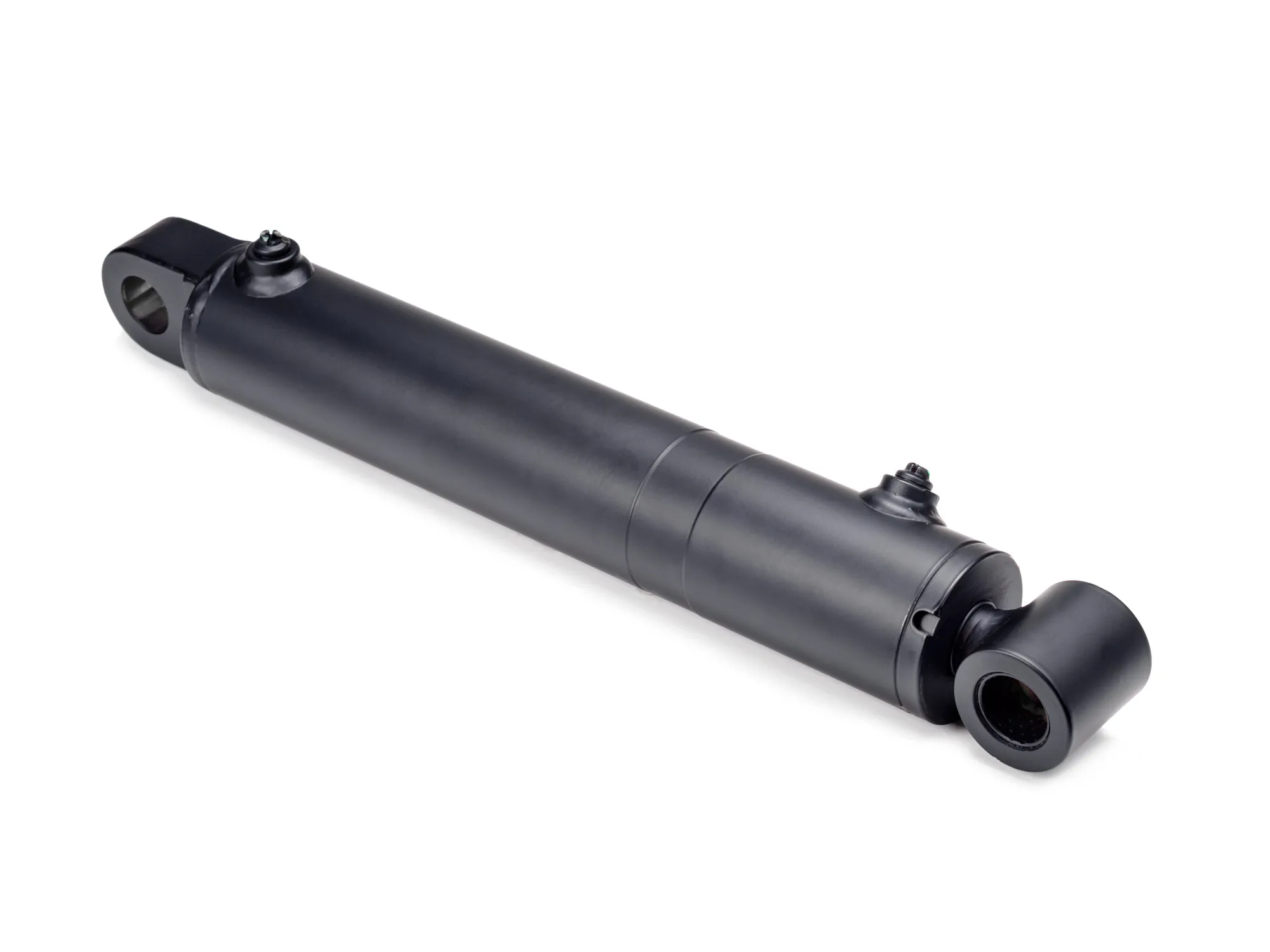
The structure of a cushioned welded hydraulic cylinder consists of a cylinder barrel, piston, rod, and end caps. These components are precision-engineered and assembled to ensure optimal performance and durability.
Materials and Assembly Processes
High-quality materials such as steel and aluminum are used in the construction of cushioned welded hydraulic cylinders to withstand high pressures and loads. Advanced assembly processes ensure tight tolerances and seamless operation.
Cushioning Mechanisms and Sealing Systems
Cushioned hydraulic cylinders feature built-in cushioning mechanisms that regulate the flow of hydraulic fluid to provide smooth deceleration and reduce impact forces. Sealing systems such as piston seals and rod seals prevent leaks and ensure proper lubrication.
Working Principle
The working principle of a cushioned welded hydraulic cylinder revolves around the transmission of hydraulic fluid power to generate linear motion. The stroke length, displacement, and load capacity of the cylinder determine its force output and rated pressure, enabling precise control of movement in various applications.
Types and Configurations
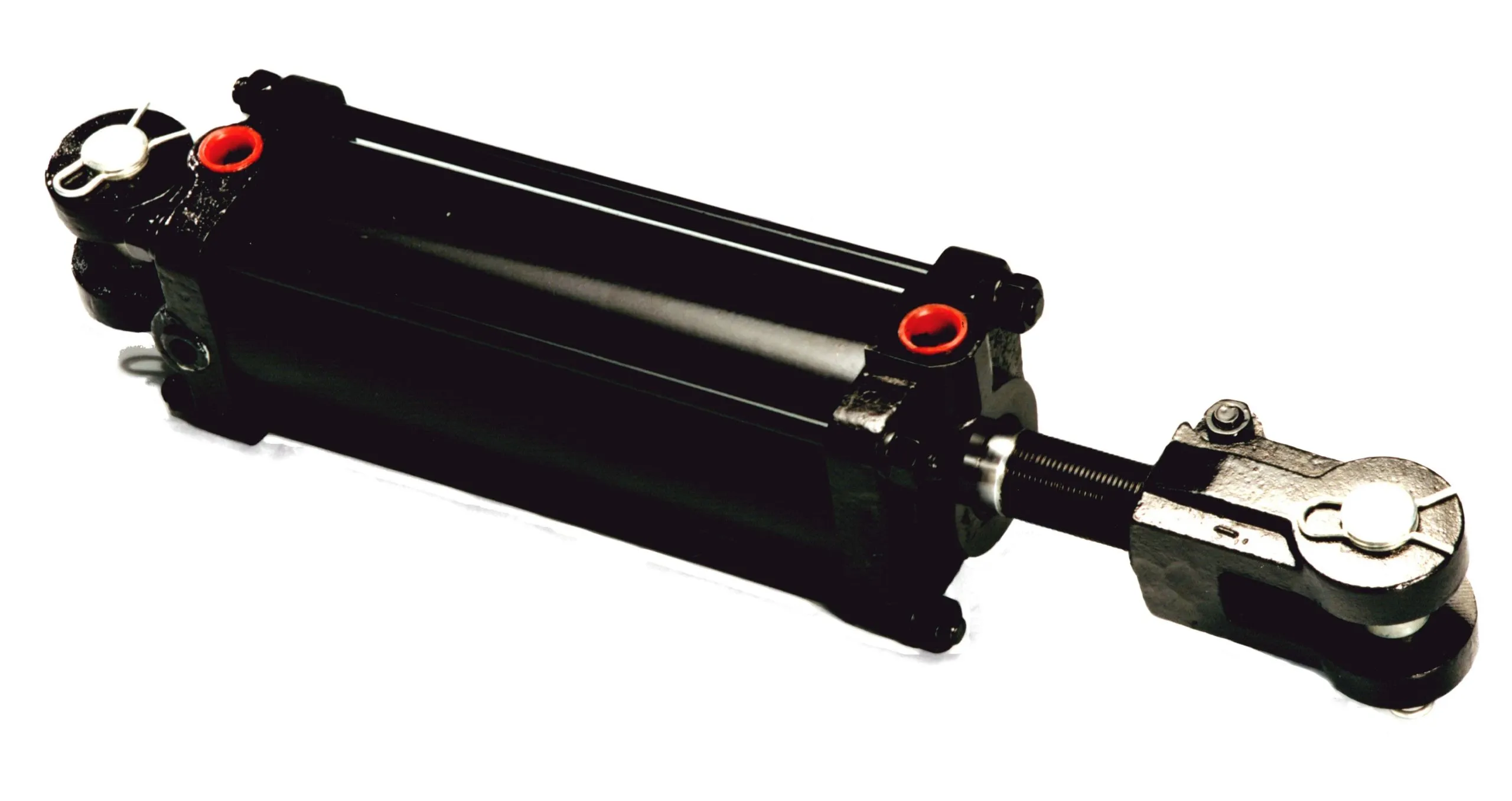
There are three main types of cushioned welded hydraulic cylinders available, each with unique configurations to suit specific industrial requirements. These include single-acting, double-acting, and telescopic cylinders, each offering distinct advantages in terms of performance and versatility.
Advantages
- Enhanced motion control and positioning accuracy
- Reduced wear and noise
- Improved safety and reliability
Performance Characteristics
- Operating pressure and force ranges
- Stroke length and bore size options
- Selection criteria for optimal sizing and configuration
Applications
Cushioned welded hydraulic cylinders are widely used in industries such as construction, agriculture, automotive, manufacturing, mining, and marine applications. These cylinders are essential components in machinery and equipment that require precise motion control and reliable performance.
Design Considerations
- Bearing capacity
- Sealing and lubrication
- Durability and safety
Sealing and Lubrication
Proper sealing and lubrication are crucial for the performance and longevity of cushioned welded hydraulic cylinders. High-quality seals and regular lubrication maintenance ensure smooth operation and prevent premature wear and tear.
Maintenance
- Regular inspection
- Proper lubrication
- Seal replacement
Safety and Environmental Factors
Ensuring safety measures and environmental considerations are essential when using cushioned welded hydraulic cylinders. Proper installation, maintenance, and operation practices help minimize risks and protect the environment from potential hazards.
Fault Diagnosis
Common problems with cushioned welded hydraulic cylinders include leaks, seal failures, and performance issues. By diagnosing these faults early and addressing them promptly, users can prevent costly downtime and ensure optimal cylinder performance.
Questions and Answers
What is cushioned welded hydraulic technology?
Cushioned welded hydraulic technology combines advanced cushioning mechanisms with precision-engineered welded cylinders to provide smooth and controlled motion in industrial applications.
What are the advantages of using cushioned welded hydraulic components?
The advantages of using cushioned welded hydraulic components include enhanced motion control, reduced wear, improved safety, and reliability, making them ideal for critical positioning and control tasks.
How do cushioned welded hydraulic systems differ from other hydraulic systems?
Cushioned welded hydraulic systems differ from other hydraulic systems by incorporating cushioning mechanisms that absorb shock and reduce impact forces, resulting in smoother operation and enhanced precision.
Long Tail Keywords
- Precision-engineered hydraulic cylinders
- Cushioned welded cylinder technology
- Advanced motion control solutions
Company Overview
We are a leading hydraulic cylinder manufacturer specializing in precision-engineered cushioned welded hydraulic cylinders for critical positioning and control applications. With a complete product line and a focus on quality and innovation, we have established ourselves as a trusted supplier in the domestic and international markets.