
The Impact Of Piston Rod Welded Hydraulic Cylinders On Construction Safety
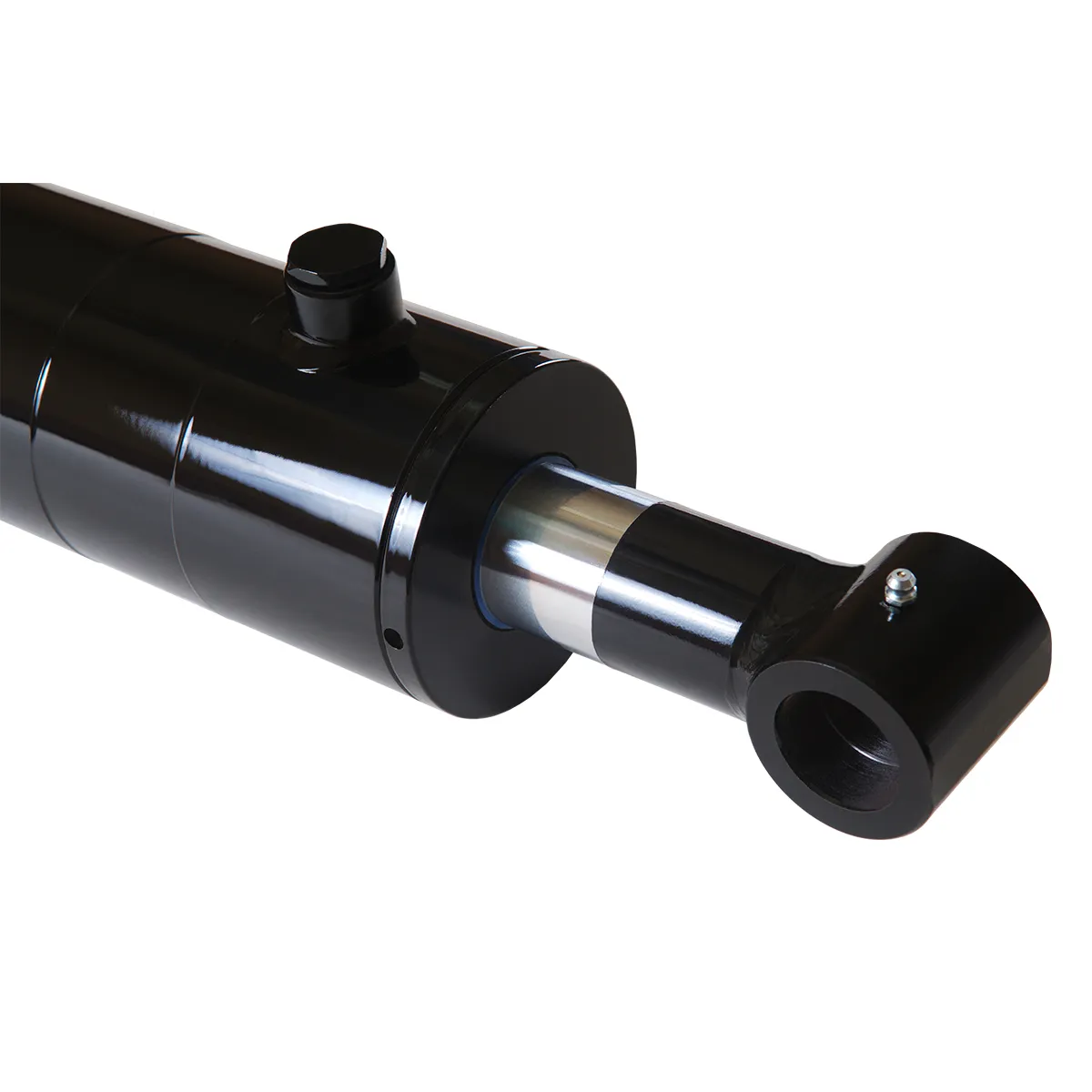
Introduction to Piston Rod Welded Hydraulic Cylinders
In the realm of hydraulic systems, piston rod welded hydraulic cylinders play a crucial role in various industries. These cylinders are essential components that help transfer force efficiently, ensuring smooth motion control in heavy-duty applications.
Definition and Role
Piston rod welded hydraulic cylinders are hydraulic actuators used to create linear motion in a hydraulic system. They consist of a piston rod attached to a piston, which moves back and forth within a cylindrical barrel to generate force.
Principle and Application
These cylinders operate based on Pascal’s law, where pressure applied to the piston is transmitted through the hydraulic fluid to create movement. They find applications in construction equipment, manufacturing machinery, agricultural vehicles, transportation systems, mining machinery, aerospace, and aviation.
Design and Construction Characteristics
Material and Design Features
The piston rod welded hydraulic cylinders are typically manufactured using high-strength materials and advanced welding processes to withstand high pressures and heavy loads. The welded design reduces leakage risks and enhances system reliability and efficiency.
Welding Technology
The welded technology used in these cylinders ensures a robust construction that improves performance and durability. The seamless integration of components minimizes maintenance requirements and enhances overall system efficiency.
Working Principle
Liquid Transfer Force and Sealing System
These cylinders operate by transferring force through hydraulic fluid, creating a smooth movement of the piston. The sealing system prevents leaks and maintains system integrity under varying pressure conditions.
Pressure Release and Load Work
The piston rod welded hydraulic cylinders manage workload effectively by releasing pressure when required, ensuring optimal performance and safety in demanding applications.
Three Types of Hydraulic Cylinder Configurations
1. Single-acting cylinders
2. Double-acting cylinders
3. Telescopic cylinders
Advantages of Piston Rod Welded Hydraulic Cylinders
High Strength and Durability
With high-strength materials and welding processes, these cylinders offer exceptional durability and performance in challenging environments.
Excellent Sealing Performance
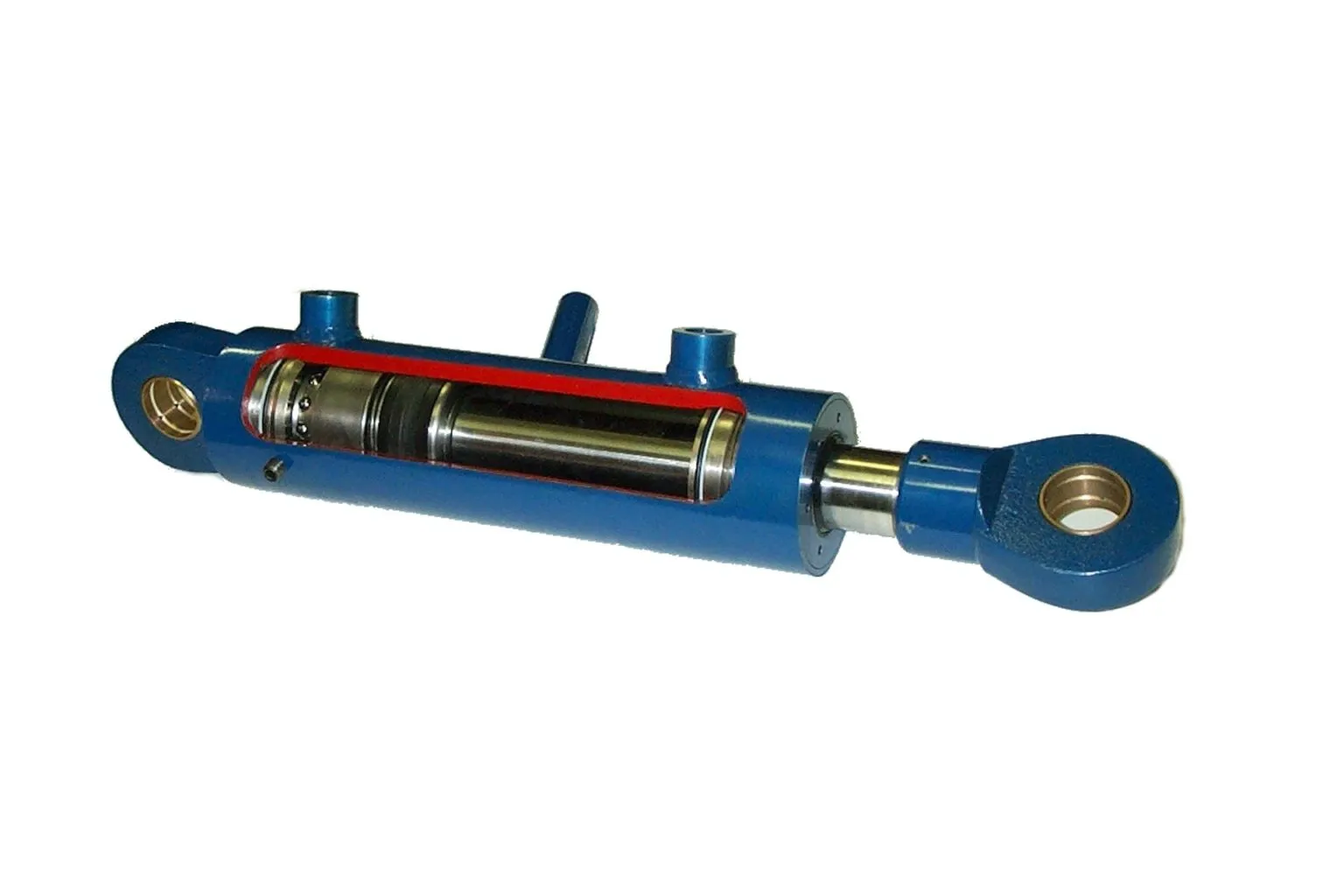
The welded design minimizes leakage risks, enhancing the efficiency and reliability of the hydraulic system.
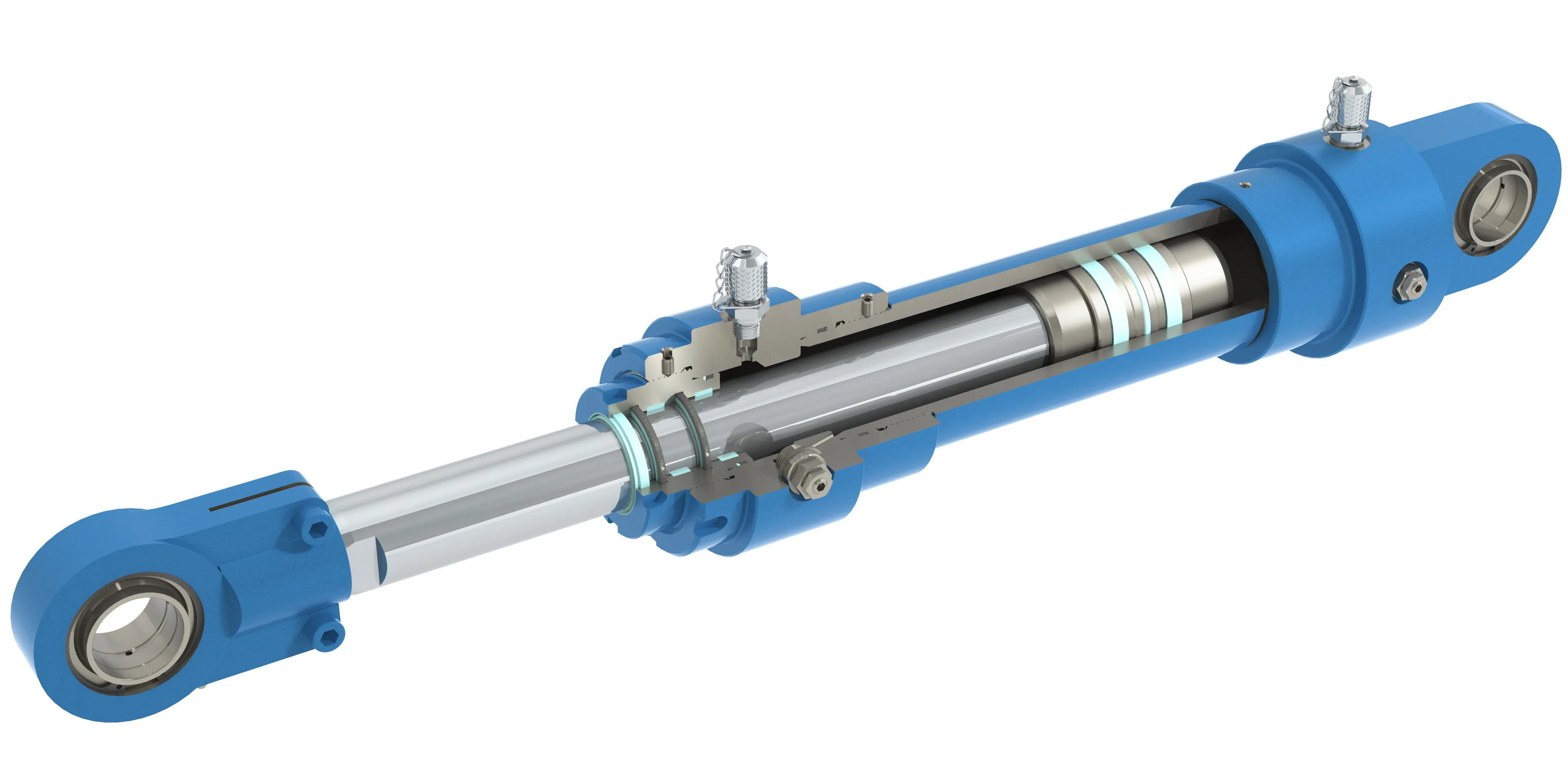
Customization Options
These cylinders can be tailored to specific application needs, providing flexible solutions for various requirements.
Simplified Maintenance
Due to the welded structure, maintenance tasks are simplified, reducing downtime and operating costs.
Efficient Force Transfer
Piston rod welded hydraulic cylinders ensure efficient force transfer, enabling smooth motion control across industrial applications.
Performance Characteristics
High Pressure Bearing Capacity
These cylinders can withstand high working pressures, making them suitable for heavy-duty applications.
Excellent Force Transfer Efficiency
The design of these cylinders enhances force transfer efficiency, reducing energy loss and improving overall system performance.
Good Sealing and Wear Resistance
With high-quality seals and wear-resistant materials, these cylinders offer excellent sealing and corrosion resistance capabilities.
Compact Design and Impact Resistance
The welded structure makes these cylinders more compact and lightweight, suitable for space-constrained environments and harsh conditions.
Industries Using Piston Rod Welded Hydraulic Cylinders
1. Construction and Engineering
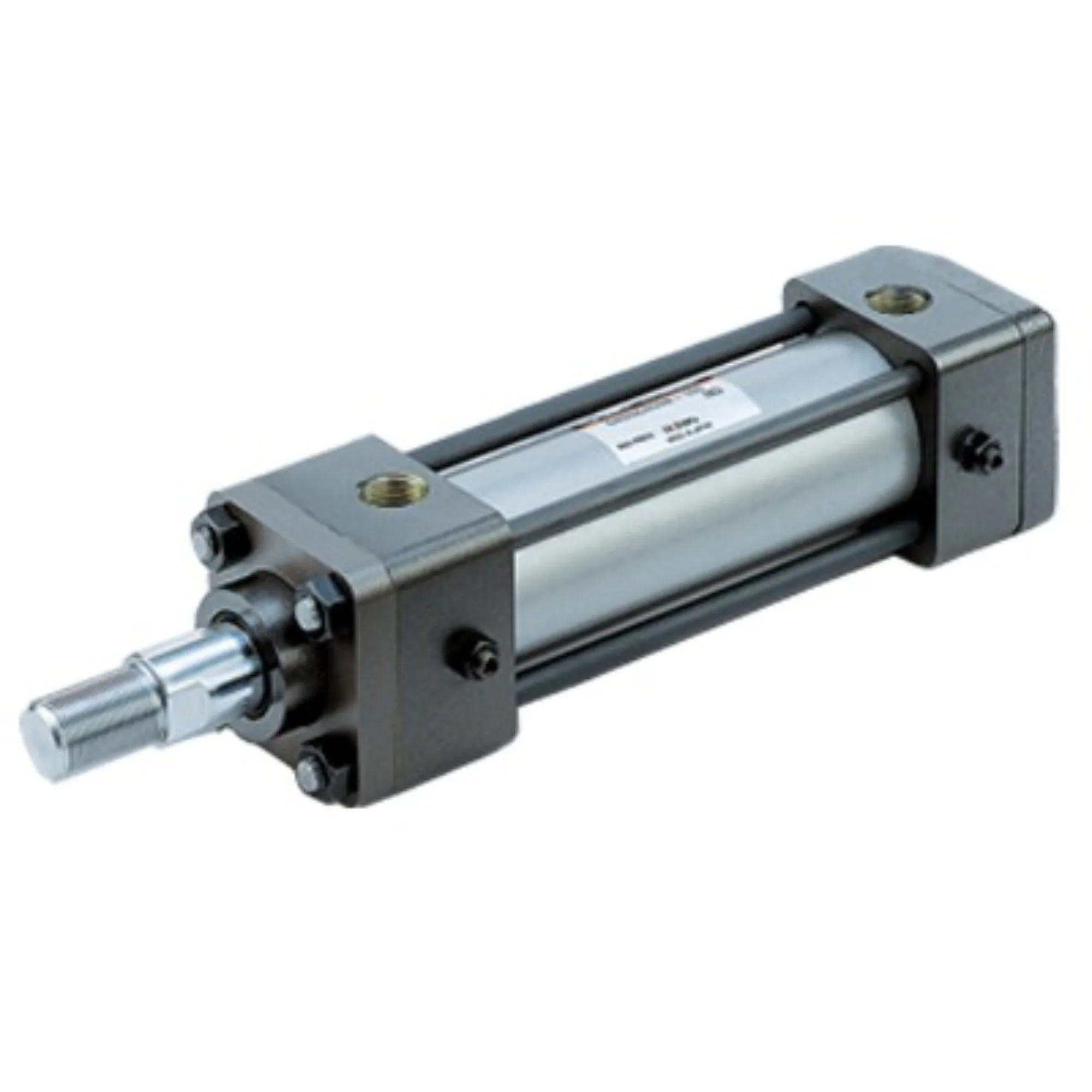
2. Manufacturing and Automation
3. Agricultural Machinery
4. Transportation Systems
5. Mining Operations
6. Aerospace and Aviation
Design Considerations and Selection Criteria
Bearing Capacity and Safety
When selecting these cylinders, factors such as bearing capacity, sealing effectiveness, durability, safety features, and maintenance requirements should be considered to ensure optimal performance.
Sealing and Lubrication
Proper sealing using high-quality materials and regular lubrication with hydraulic oil are essential to maintain the performance and longevity of piston rod welded hydraulic cylinders.
Regular Inspection and Maintenance
Implementing regular inspection routines and preventive maintenance measures can help identify issues early and prolong the lifespan of these cylinders.
Installation Guide
Follow the manufacturer’s guidelines for proper installation to ensure the correct functioning and safety of the piston rod welded hydraulic cylinders.
Maintenance Tasks for Piston Rod Welded Hydraulic Cylinders
1. Regular Inspection
2. Proper Lubrication
3. Seal Replacement
4. Calibration Inspection
Safety Considerations and Environmental Factors
Adhering to safety protocols and considering environmental factors when using these cylinders is crucial to prevent accidents and ensure compliance with regulations.
Fault Diagnosis and Common Problems
Common issues with piston rod welded hydraulic cylinders include leaks, seal damage, piston misalignment, and fluid contamination. Proper diagnosis and timely repairs are essential to maintain optimal performance.
FAQs About Piston Rod Welded Hydraulic Cylinders
1. How does the welded process enhance the durability of these cylinders?
2. In which industries are piston rod welded cylinders most commonly used?
3. What advantages do piston rod welded cylinders offer over traditional cylinders?
Long Tail Keywords
1. High-Performance Welded Hydraulic Cylinders
2. Durable Piston Rod Cylinders
3. Customized Hydraulic Actuators
Our Company
We are a leading hydraulic cylinder manufacturer specializing in high-quality piston rod welded hydraulic cylinders. With a focus on innovation, customization, and customer satisfaction, we offer a comprehensive range of products and services to meet diverse industry needs.