The Importance of Piston Rod Welded Hydraulic Cylinders for Maintenance Practices
Introduction
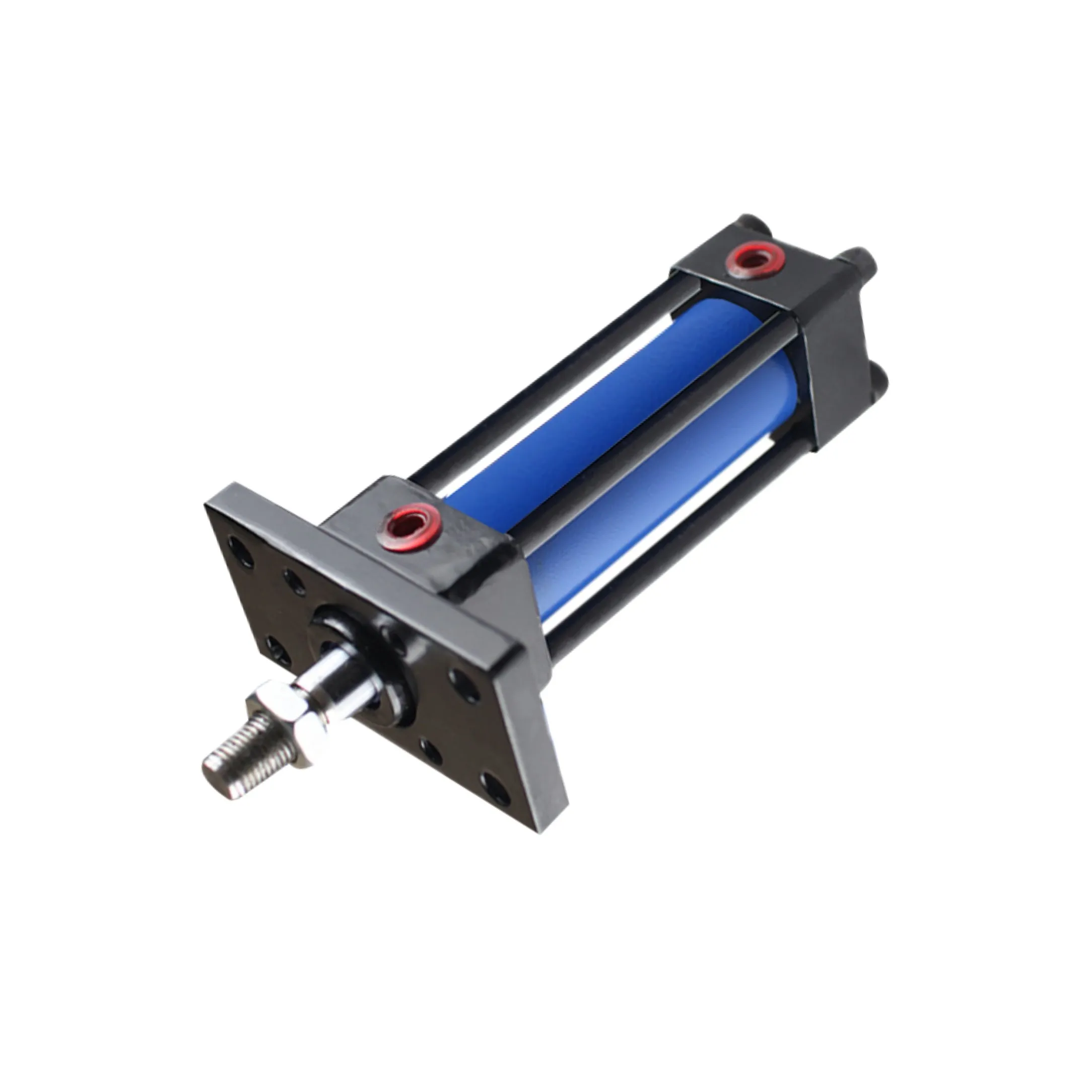
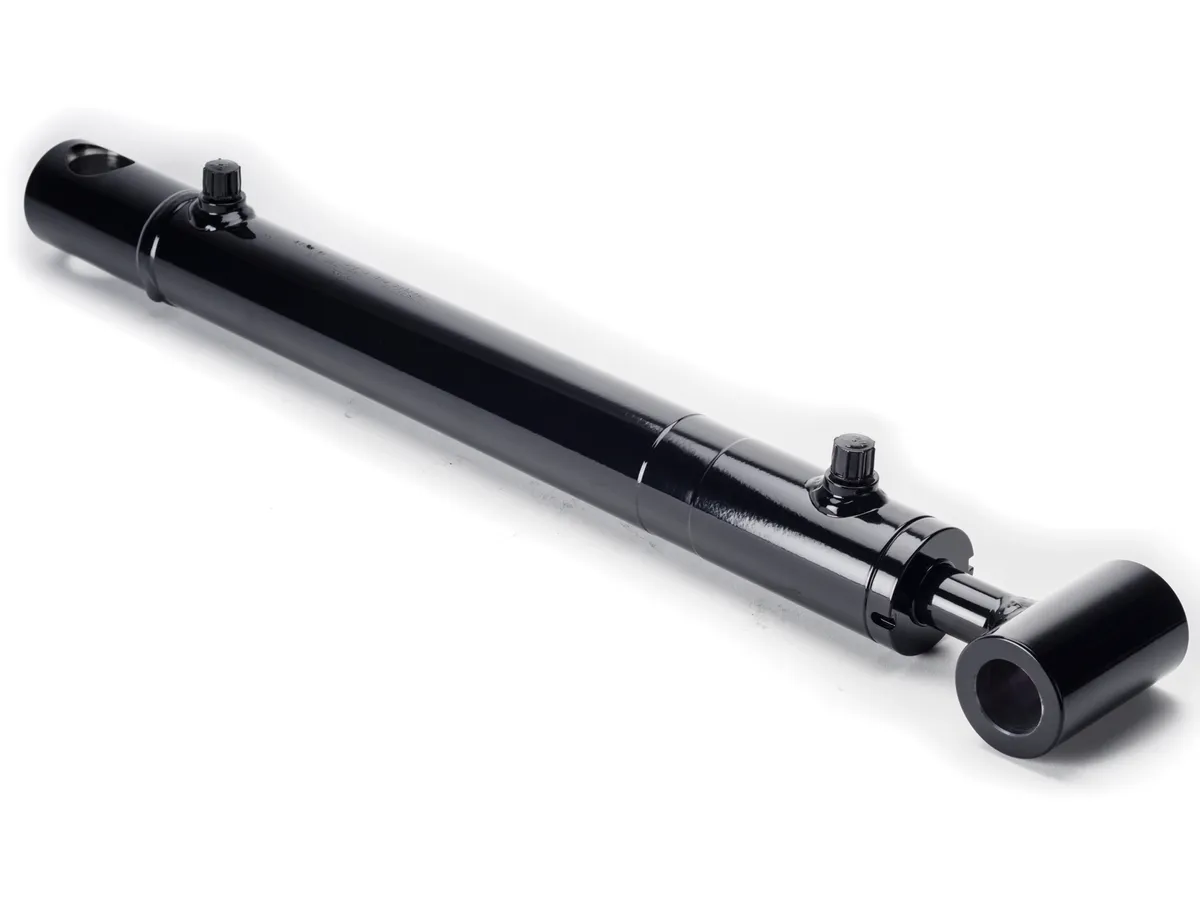
In the world of hydraulic systems, piston rod welded hydraulic cylinders play a crucial role in ensuring smooth and efficient operation. These cylinders are essential components that transfer force in a hydraulic system, providing the necessary power for various industrial applications. In this article, we will delve into the design, construction, working principle, advantages, applications, and maintenance practices of piston rod welded hydraulic cylinders.
Design and Construction Characteristics
Material and Manufacturing
The piston rod welded hydraulic cylinder is manufactured using high-strength materials and advanced welding processes to withstand high pressures and heavy loads. This ensures long-term performance and durability in harsh working environments.
Design Features
The design of the cylinder includes characteristics that enhance performance and longevity, such as customized options to meet specific application requirements, simplified maintenance due to reduced components, and efficient force transfer for smooth motion control.
Welding Technology
The welded structure of the cylinder reduces the risk of leakage, ensuring excellent sealing performance in the hydraulic system. This design also allows for customization and simplifies maintenance, making it a cost-effective solution for various industries.
Working Principle
Liquid Transfer Force
When hydraulic fluid enters the cylinder, it exerts force on the piston, causing it to move and perform the workload. The sealing system ensures that the pressure is maintained, and the release mechanism allows for controlled movement.
Types and Configurations
There are three main types of piston rod welded hydraulic cylinders, each with unique configurations tailored to specific applications. These cylinders are widely used in construction, manufacturing, agriculture, transportation, mining, aerospace, and aviation industries.
Advantages
High Strength and Durability
The use of high-strength materials and welding processes in piston rod welded hydraulic cylinders ensures they can withstand heavy loads and high pressures, making them ideal for demanding environments.
Excellent Sealing Performance
By reducing connection points, the welded design minimizes the risk of leakage, improving system efficiency and reliability. This also allows for customization to meet diverse requirements.
Customization Options
Piston rod welded hydraulic cylinders can be tailored to specific lengths, diameters, and pressure needs, providing flexible solutions for various applications. This customization simplifies maintenance and reduces downtime.
Simplified Maintenance
The welded structure of the cylinder reduces the number of components, making maintenance and overhaul work more straightforward. This helps cut costs and ensures optimal performance over time.
Efficient Force Transfer
Piston rod welded hydraulic cylinders ensure efficient force transfer during operation, delivering smooth motion control for different industrial applications. This efficiency enhances overall system performance.
Performance Characteristics
High Pressure Bearing Capacity
Piston rod welded hydraulic cylinders can withstand working pressures up to hundreds of bars, making them suitable for heavy loads and high-strength applications.
Excellent Force Transfer Efficiency
The design of these cylinders enhances force transfer efficiency, reducing energy loss and improving overall system performance. They ensure smooth operation and reliable functionality in diverse settings.
Good Sealing and Wear Resistance
With high wear-resistant materials and surface treatments, piston rod welded hydraulic cylinders offer excellent wear and corrosion resistance. They adapt well to harsh environments and provide reliable operation.
Applications
Piston rod welded hydraulic cylinders are widely used in construction, manufacturing, agriculture, transportation, mining, aerospace, and aviation industries for various applications, serving as essential components in heavy machinery, automated production lines, agricultural equipment, vehicles, mining machinery, and aircraft systems.
Design Considerations and Selection Criteria
When selecting piston rod welded hydraulic cylinders, it’s essential to consider factors such as bearing capacity, sealing, durability, safety, and maintainability. These design considerations ensure optimal performance and longevity in different applications.
Sealing and Lubrication
Proper sealing and lubrication are crucial for the performance and lifespan of piston rod welded hydraulic cylinders. Using high-quality seals and lubricants, along with regular maintenance, helps prevent leaks and ensures smooth operation.
Regular Inspection and Preventive Maintenance
Regular inspection and preventive maintenance are key to extending the lifespan of piston rod welded hydraulic cylinders. By following specific maintenance measures and conducting routine checks, potential issues can be identified and addressed promptly.
Installation Guide
Correct installation of piston rod welded hydraulic cylinders is essential for optimal performance and safety. Following the manufacturer’s guidelines and using proper tools and techniques ensure a secure and functional installation.
Maintenance Tasks
Common maintenance tasks for piston rod welded hydraulic cylinders include regular inspection, proper lubrication, seal replacement, and calibration checks. By following these tasks diligently, the performance and longevity of the cylinders can be maintained.
Safety Considerations
Ensuring safety measures are in place when using piston rod welded hydraulic cylinders is paramount to prevent accidents and injuries. Adhering to safety protocols and guidelines minimizes risks and maintains a secure working environment.
Fault Diagnosis and Common Problems
Identifying faults and addressing common problems with piston rod welded hydraulic cylinders is crucial for maintaining optimal performance. By understanding potential issues and implementing troubleshooting solutions, downtime can be minimized.
Questions and Answers
1. How does the welded process enhance the durability of these cylinders?
The welded design of piston rod hydraulic cylinders reduces the risk of leakage and improves sealing performance, enhancing durability in challenging environments.
2. In which industries are piston rod welded cylinders most commonly used?
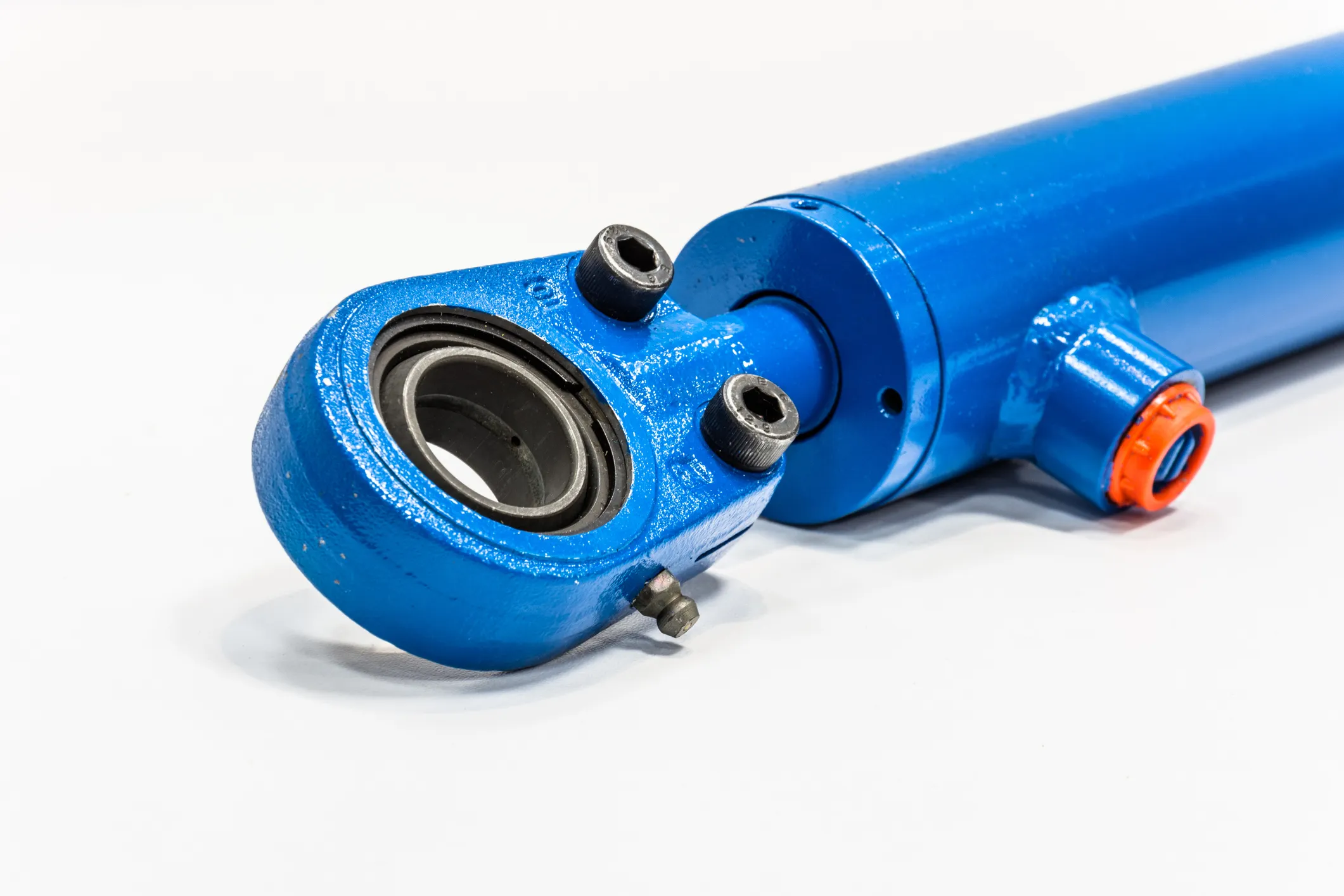
Piston rod welded cylinders are widely used in construction, manufacturing, agriculture, transportation, mining, aerospace, and aviation industries for various applications.
3. What advantages do piston rod welded cylinders offer over traditional cylinders?
Piston rod welded cylinders offer advantages such as high strength, excellent sealing performance, customization options, simplified maintenance, and efficient force transfer, making them ideal for diverse applications.
Long Tail Keywords
1. “High-Strength Piston Rod Welded Hydraulic Cylinders”
This long tail keyword highlights the durability and performance of hydraulic cylinders in demanding applications.
2. “Customized Piston Rod Welded Cylinders for Industrial Use”
Customization options for hydraulic cylinders cater to specific industrial needs, ensuring efficient operation and reliability.
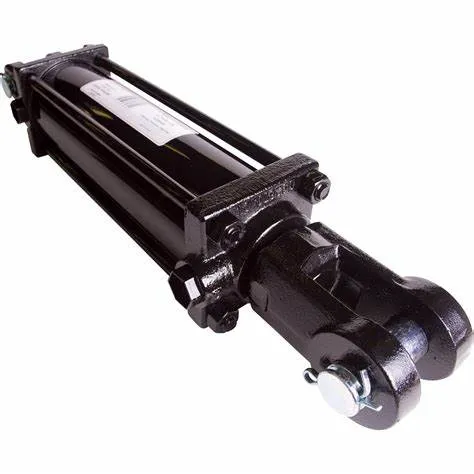
3. “Sealed and Lubricated Hydraulic Cylinders for Maintenance Practices”
Proper sealing and lubrication are essential maintenance practices for hydraulic cylinders to enhance longevity and performance.
Our Company
We are a leading hydraulic cylinder replacement manufacturer with a vast product line tailored to meet diverse industry needs. Our commitment to quality, customization, and exceptional service has made us a trusted partner in the domestic and international markets.
From professional expertise and international certification to customized solutions, advanced production equipment, and reliable after-sales support, we strive to deliver top-notch hydraulic cylinders that exceed expectations.
Author
Author: lyl