
The Role and Application of Magnetic Welded Hydraulic Cylinders
Introduction to Magnetic Welded Hydraulic Cylinders
When it comes to hydraulic systems, magnetic welded hydraulic cylinders play a crucial role in ensuring reliable performance. These cylinders are designed with precision and advanced technology to meet the demands of various applications. In this article, we will explore the design, construction, working principle, types, advantages, performance characteristics, industries of use, design considerations, maintenance, installation, safety considerations, fault diagnosis, and common problems of magnetic welded hydraulic cylinders.
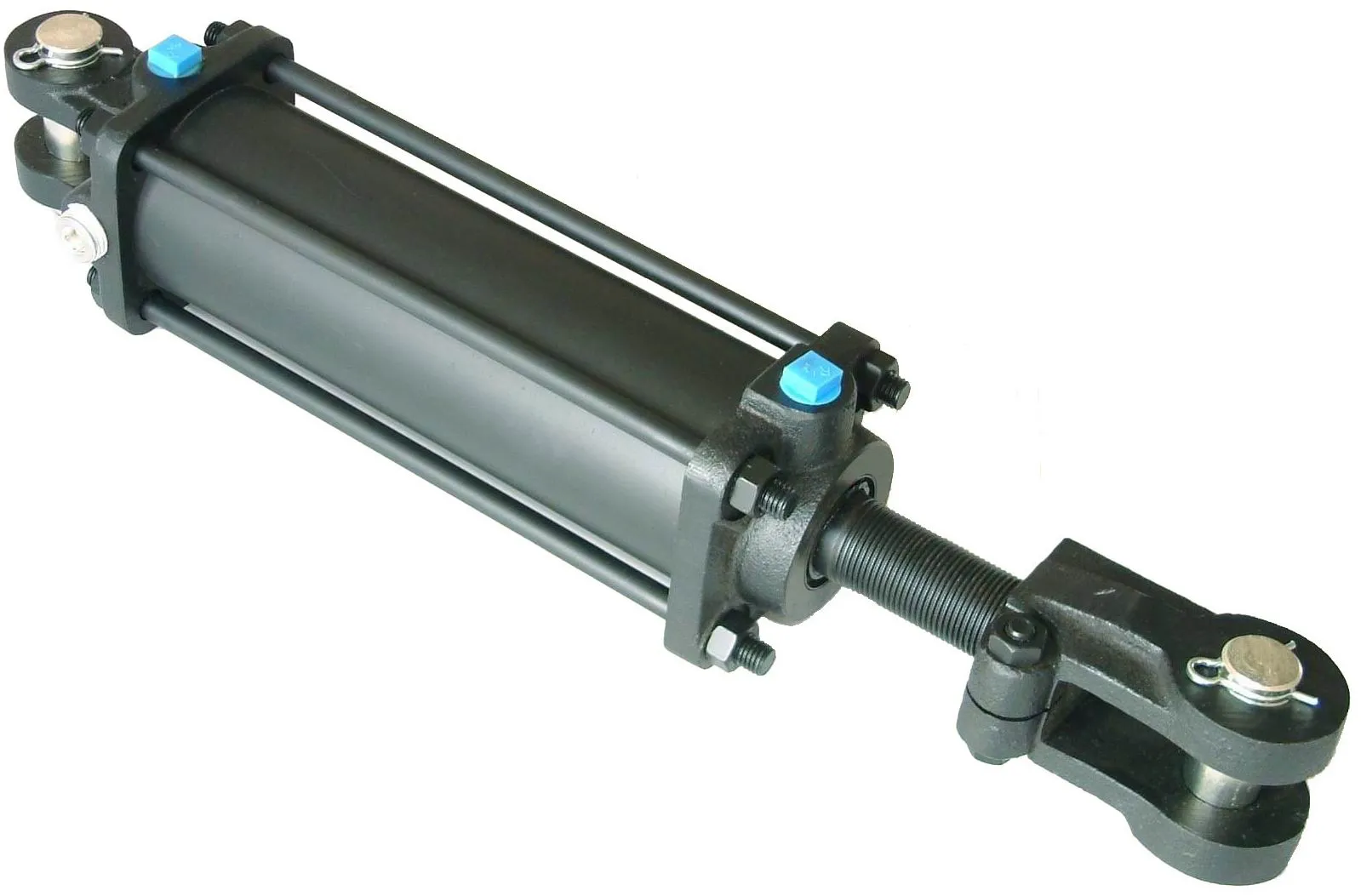
Design and Construction Characteristics
Integration of Easy Magnetic Sensor
The built-in magnetic sensor in magnetic welded hydraulic cylinders enables contact-free position detection, enhancing positioning accuracy and reaction speed.
Welded Structure
The welded process used in these cylinders connects different parts, increasing strength and durability, making them suitable for high-pressure and harsh environments.
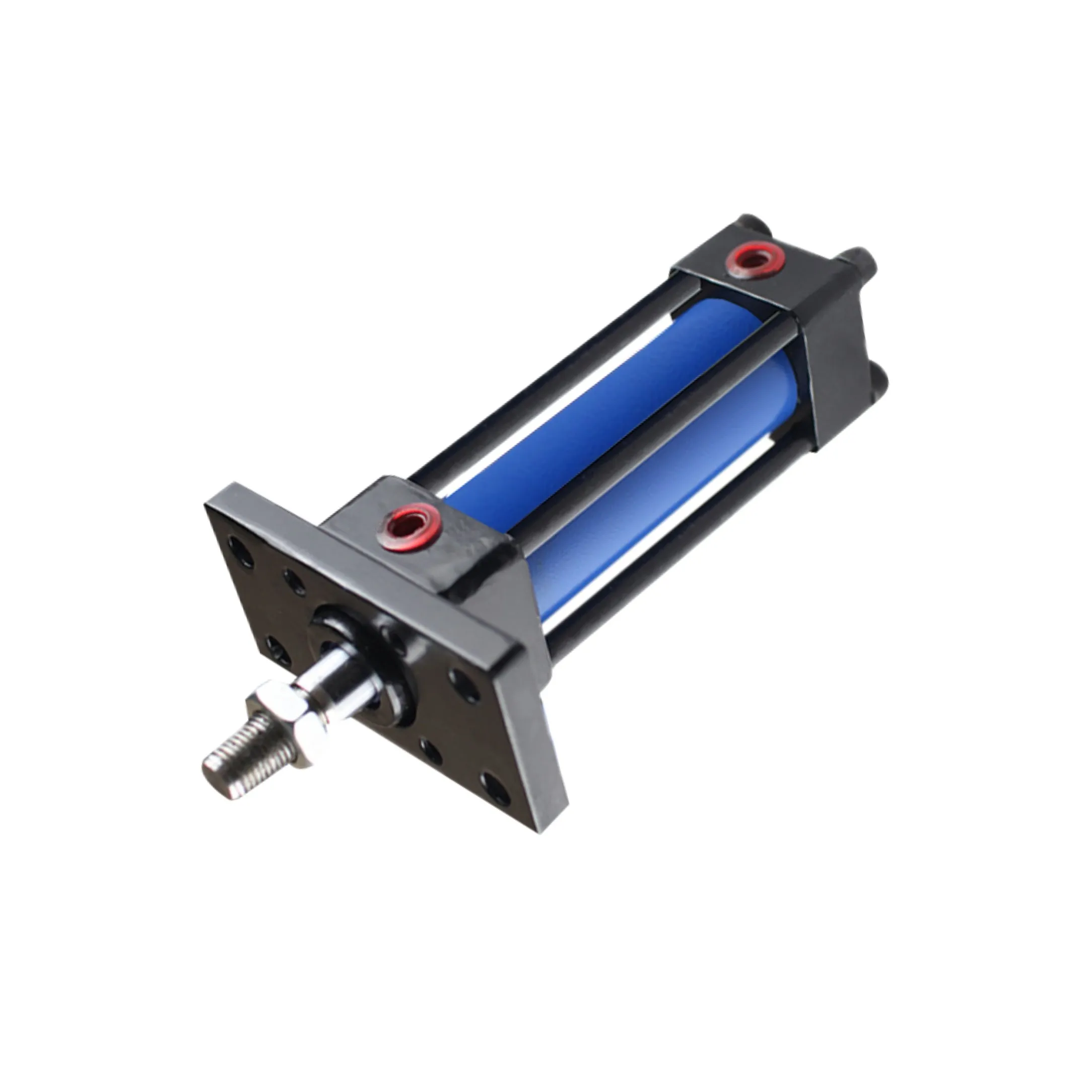
Compact Design
By utilizing magnetic sensors, these cylinders can be designed more compactly, saving space and ideal for applications with limited space.
Sealing Performance
Excellent sealing materials and structures are incorporated in the design to prevent liquid leakage, improving reliability and safety.
Working Principle
The working principle of magnetic welded hydraulic cylinders involves the transfer of force through liquid, piston movement, workload management, sealing systems, and pressure release mechanisms. Each aspect plays a vital role in ensuring the efficiency and effectiveness of these cylinders.
Types and Configurations
There are three main types of magnetic welded hydraulic cylinders, each offering unique features and benefits. Understanding the differences between these types can help in selecting the most suitable cylinder for specific applications.
Advantages
Precise positioning, reduced wear, compact design, magnetic position sensing, welded construction, and advanced sealing techniques are some of the top advantages of using magnetic welded hydraulic cylinders.
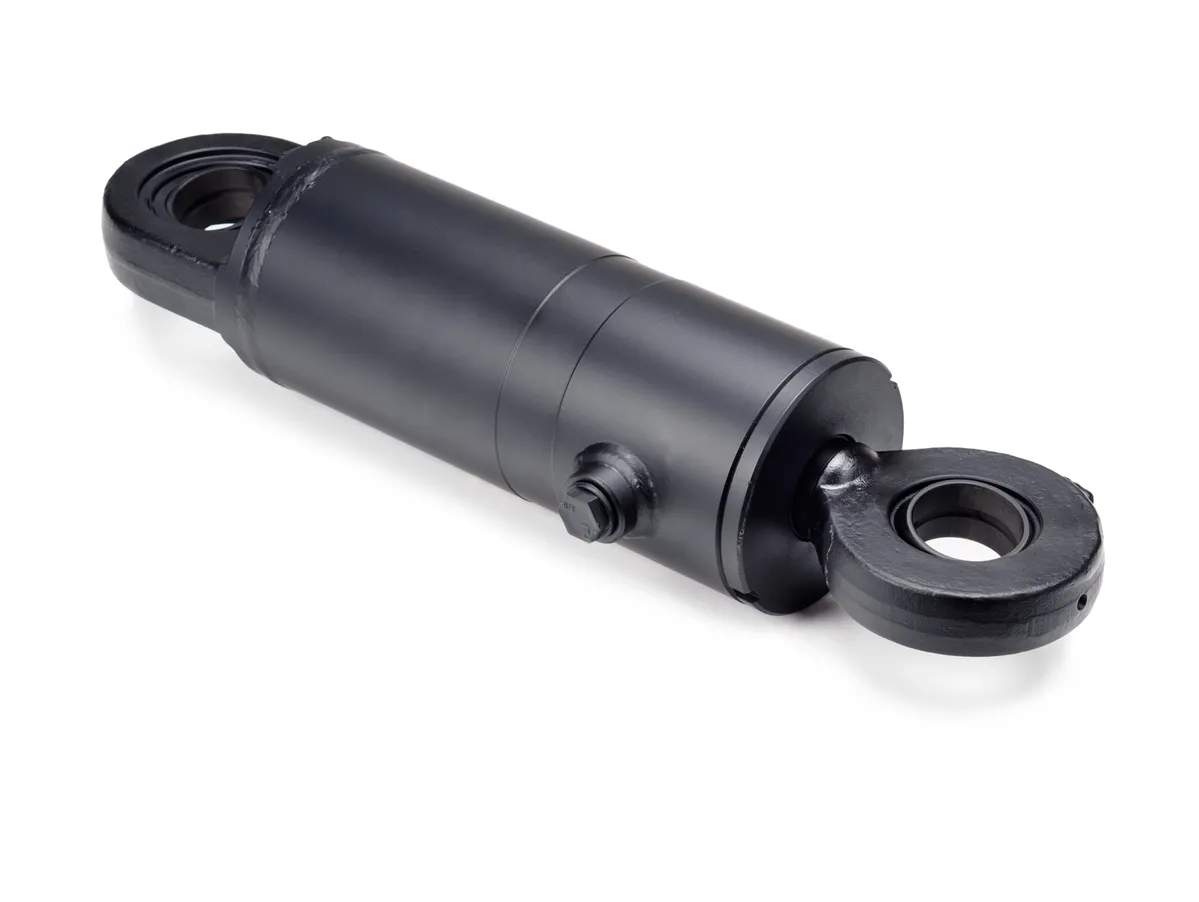
Performance Characteristics
Magnetic position sensing, welded construction, and sealing techniques are key performance characteristics that contribute to the efficiency and reliability of magnetic welded hydraulic cylinders.
Industries of Use
These cylinders find widespread applications in industries such as industrial automation, material handling, construction equipment, and more. Their versatility and reliability make them a popular choice across various sectors.
Design Considerations and Selection Criteria
When selecting magnetic welded hydraulic cylinders, factors such as bearing capacity, sealing, durability, safety, and maintainability should be carefully considered. These considerations ensure optimal performance and longevity of the cylinders.
Sealing and Lubrication
Proper sealing and lubrication are essential for the efficient operation of magnetic welded hydraulic cylinders. Using high-quality seals and lubricants, along with regular maintenance, can prolong the lifespan of these cylinders.
Regular Inspection and Maintenance
Implementing regular inspection and preventive maintenance measures is crucial in ensuring the continuous performance of magnetic welded hydraulic cylinders. By following a maintenance schedule, potential issues can be identified and addressed promptly.
Installation Guide
Correct installation of magnetic welded hydraulic cylinders is essential for their optimal functioning. Following the manufacturer’s guidelines and best practices can help in achieving a smooth and efficient installation process.
Maintenance Tasks
Regular inspection, proper lubrication, seal replacement, and calibration inspection are key maintenance tasks for magnetic welded hydraulic cylinders. By adhering to these tasks, the longevity and performance of the cylinders can be maintained.
Safety Considerations and Environmental Factors
Considering safety measures and environmental factors when using magnetic welded hydraulic cylinders is vital to prevent accidents and ensure compliance with regulations. Prioritizing safety practices can safeguard both equipment and personnel.
Fault Diagnosis and Common Problems
Identifying common faults and problems in magnetic welded hydraulic cylinders is essential for prompt resolution and prevention of further issues. By understanding the root causes of problems, effective solutions can be implemented.
Questions and Answers
How do magnetic sensors work in these cylinders?
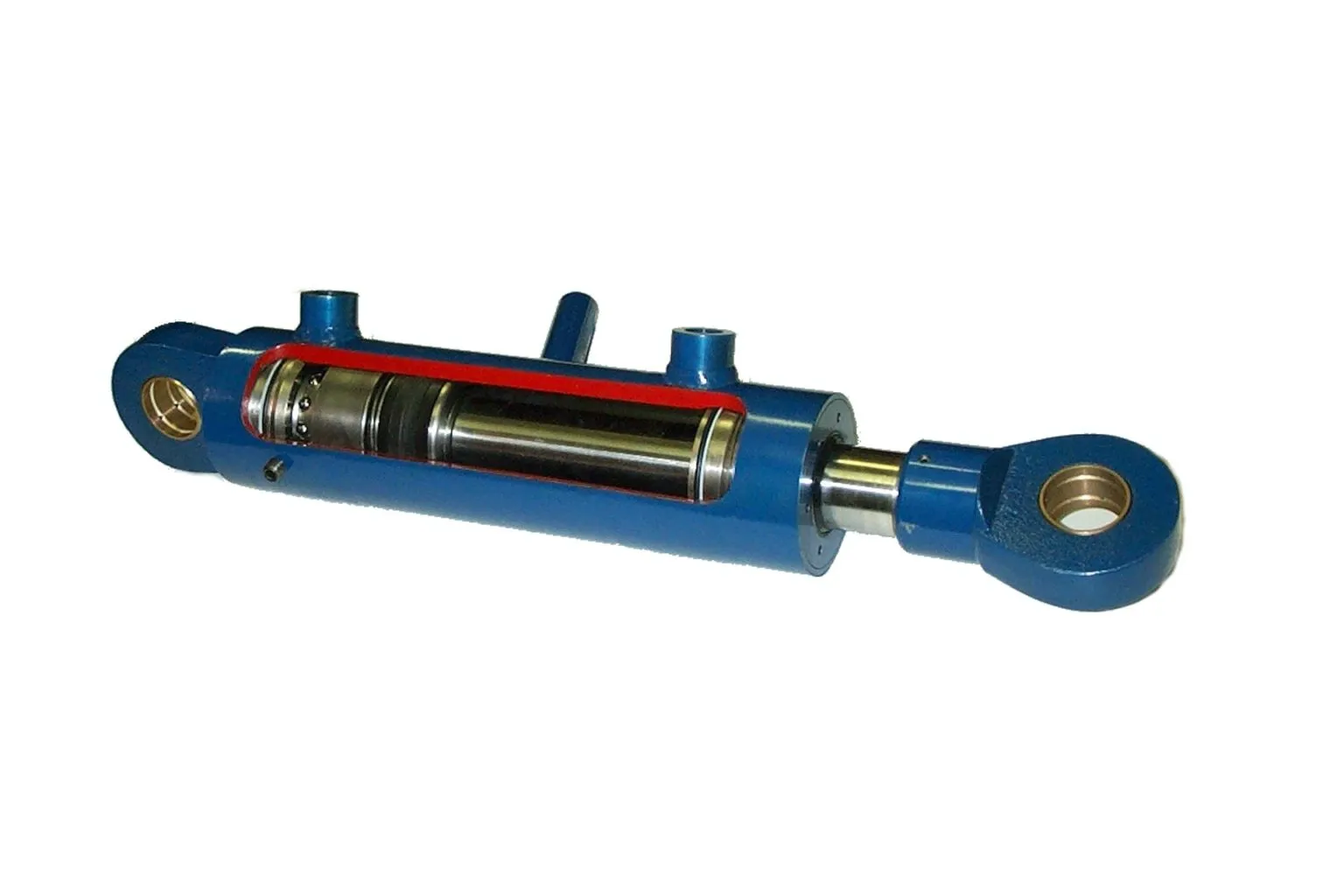
Magnetic sensors in hydraulic cylinders detect piston position without physical contact, providing accurate feedback for precise control.
What are the main advantages of using magnetic welded hydraulic cylinders?
The main advantages include precise positioning, reduced wear, compact design, improved accuracy, durability, and enhanced sealing performance.
In which industries are these cylinders commonly used?
Magnetic welded hydraulic cylinders are widely used in industries such as industrial automation, material handling, construction equipment, and more.
Long Tail Keywords
1. Reliable magnetic welded hydraulic cylinder performance: Ensuring consistent and dependable operation in various applications.
2. Advanced magnetic welding technology: Utilizing cutting-edge welding techniques for enhanced cylinder performance.
3. Precision magnetic sensor integration: Incorporating magnetic sensors for accurate position detection and control.
Our Company
We are a leading hydraulic cylinder replacement manufacturer with a comprehensive product line catering to domestic and international markets. With a focus on professionalism, international certifications, customized services, state-of-the-art production equipment, and dedicated after-sales support, we strive to deliver high-quality hydraulic solutions to our customers.
Author: lyl