
Hydraulic Cylinders For Industrial Presses And Stamping Machines
Introduction to Hydraulic Cylinders in the Industrial Environment
In the realm of industrial machinery, hydraulic cylinders play a crucial role in providing the necessary force and motion for various applications. These cylinders are mechanical actuators that are used to generate linear force and motion through the use of pressurized hydraulic fluid.
Key Components and Structure of Hydraulic Cylinders
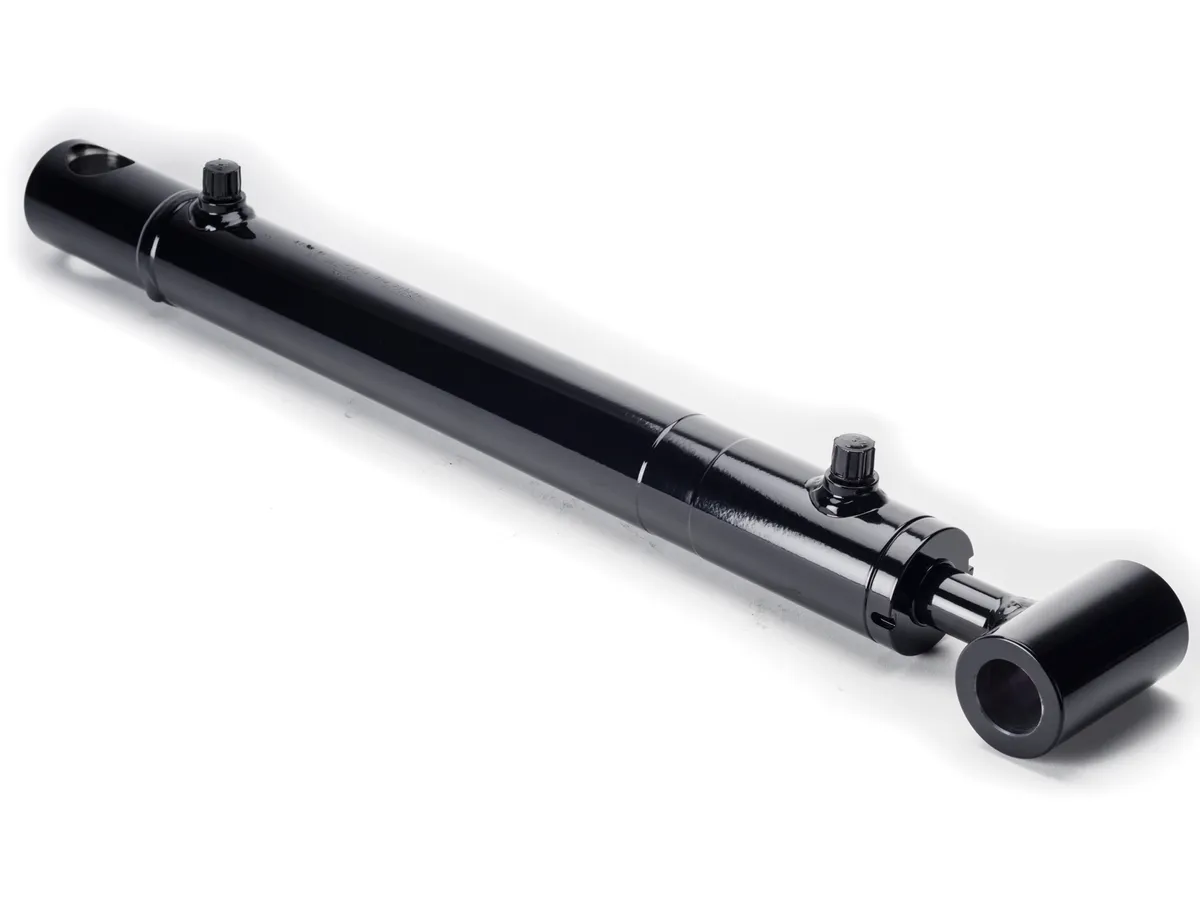
A hydraulic cylinder consists of several key components, including a cylinder barrel, piston, piston rod, seals, and a hydraulic fluid reservoir. The cylinder barrel houses the piston, while the piston rod connects the piston to the external load. Seals are used to prevent leakage of hydraulic fluid, ensuring smooth operation.
Principle Overview of Control Cylinder Operation

The basic principle behind the operation of a hydraulic cylinder is the conversion of hydraulic energy into mechanical energy. When pressurized hydraulic fluid enters the cylinder, it pushes against the piston, creating linear motion. By controlling the flow of hydraulic fluid, the speed and force of the cylinder can be regulated.
Types of Hydraulic Cylinders Commonly Used in Industrial Applications
Single Acting Cylinder
A single-acting cylinder is designed to exert force in one direction only, typically using a spring or external load to return to its original position. These cylinders are commonly used in applications where force is required in one direction, such as in press machines.
Double Acting Cylinder
Double-acting cylinders can exert force in both directions, as hydraulic fluid is used to extend and retract the piston. These cylinders are versatile and widely used in applications requiring precise control over the movement of the load.
Telescopic Cylinder
Telescopic cylinders consist of multiple nested stages that allow for a long stroke length in a compact space. These cylinders are commonly used in dump trucks, cranes, and other applications that require a long extension length.
Differential Cylinder
A differential cylinder utilizes different piston diameters to create varying forces and speeds during operation. These cylinders are suitable for applications where varying force requirements are needed throughout the stroke.
Top Five Advantages of Industrial Hydraulic Cylinders
1. High force output for heavy-duty applications
2. Precise control over speed and force
3. Compact design for space-limited environments
4. Long service life with proper maintenance
5. Versatile applications across various industries
Industries Using Industrial Hydraulic Cylinders
Industrial hydraulic cylinders find widespread use in various industries, including manufacturing, construction, mining, agriculture, and more. These cylinders are essential components in machinery and equipment that require precise control over force and movement.
Manufacturing Industry
In manufacturing, hydraulic cylinders are used in stamping machines, presses, and other equipment that require high force output and precision control over the manufacturing process.
Construction Industry
Construction machinery such as excavators, cranes, and bulldozers rely on hydraulic cylinders to lift heavy loads, move materials, and operate various attachments.
Mining Industry
In the mining sector, hydraulic cylinders are integral to the operation of mining equipment such as drills, shovels, and haul trucks, providing the necessary force for excavation and material handling.
Agriculture Industry
Agricultural machinery such as tractors, harvesters, and irrigation systems utilize hydraulic cylinders for tasks such as lifting, tilting, and steering, improving efficiency and productivity in farming operations.
Other Industrial Sectors
Hydraulic cylinders are also used in industries such as marine, aerospace, and automotive, where precise control over force and motion is essential for various applications.
Selecting the Right Industrial Hydraulic Cylinder
When choosing a hydraulic cylinder for a specific application, factors such as load capacity, stroke length, bore size, and operating pressure must be considered. Matching the performance of the cylinder to the requirements of the application is crucial for optimal efficiency and longevity.
Maintenance and Care of Industrial Hydraulic Cylinders
Regular maintenance is essential to ensure the proper functioning and longevity of hydraulic cylinders. Inspecting for leaks, lubricating moving parts, and cleaning the cylinder regularly are key practices to maintain optimal performance and prevent premature wear and failure.
Installation Guide for Industrial Hydraulic Cylinders
Proper installation of hydraulic cylinders is crucial for safe and efficient operation. Ensuring correct alignment, secure mounting, and proper connection of hydraulic hoses are essential steps in the installation process to prevent leaks and malfunctions.
Maintenance Tasks for Industrial Hydraulic Cylinders
Cleaning
Regularly cleaning the exterior of the hydraulic cylinder helps prevent dirt and debris from entering the cylinder, which can cause damage to internal components and affect performance.
Lubrication
Applying lubricant to moving parts of the hydraulic cylinder reduces friction and wear, ensuring smooth operation and extending the service life of the cylinder.
Checking Wear
Inspecting for signs of wear on seals, pistons, and other components helps identify potential issues early and prevent costly repairs or downtime.
Fault Diagnosis and Common Problems
Common issues with hydraulic cylinders include leaks, seal failures, and piston rod damage. Diagnosing the root cause of these problems is essential for effective troubleshooting and timely repairs to restore optimal performance.
Preventive Measures for Industrial Hydraulic Cylinders
To minimize potential problems and optimize the performance of hydraulic cylinders, preventive measures such as regular inspections, proper maintenance, and following manufacturer recommendations for operation and care are essential. These measures help prolong the service life and reliability of hydraulic cylinders.
How to Choose the Right Industrial Hydraulic Cylinder
Choosing the right hydraulic cylinder involves considering factors such as load requirements, operating conditions, and compatibility with existing equipment. By exploring these key considerations, you can select a hydraulic cylinder that meets the specific needs of your application and ensures efficient operation.
Long-Tail Keywords and SEO Articles
1. “High-Force Hydraulic Cylinders for Industrial Machinery”
2. “Precision Control Technologies in Hydraulic Cylinder Design”
3. “Optimizing Efficiency with Custom Hydraulic Cylinder Solutions”
Our Company
We are a leading manufacturer and wholesale distributor of hydraulic cylinders for industrial presses and stamping machines. With a comprehensive product line and a commitment to quality and innovation, our company has established itself as a trusted partner in the domestic and international markets.
Our company prides itself on professional services, international certifications, customized solutions, state-of-the-art production equipment, and dedicated after-sales support. We strive to meet the diverse needs of our customers and provide reliable hydraulic cylinder solutions for a wide range of industrial applications.
Author: lyl