
Industrial Hydraulic Cylinders: Enhancing Hydraulic Cylinder Standards
Introduction
Industrial hydraulic cylinders play a crucial role in various industrial applications, providing powerful and reliable force for machinery operation. In this comprehensive guide, we will delve into the key components, types, advantages, applications, maintenance, troubleshooting, and selection of industrial hydraulic cylinders to ensure optimal performance and longevity.
Key Components and Structure
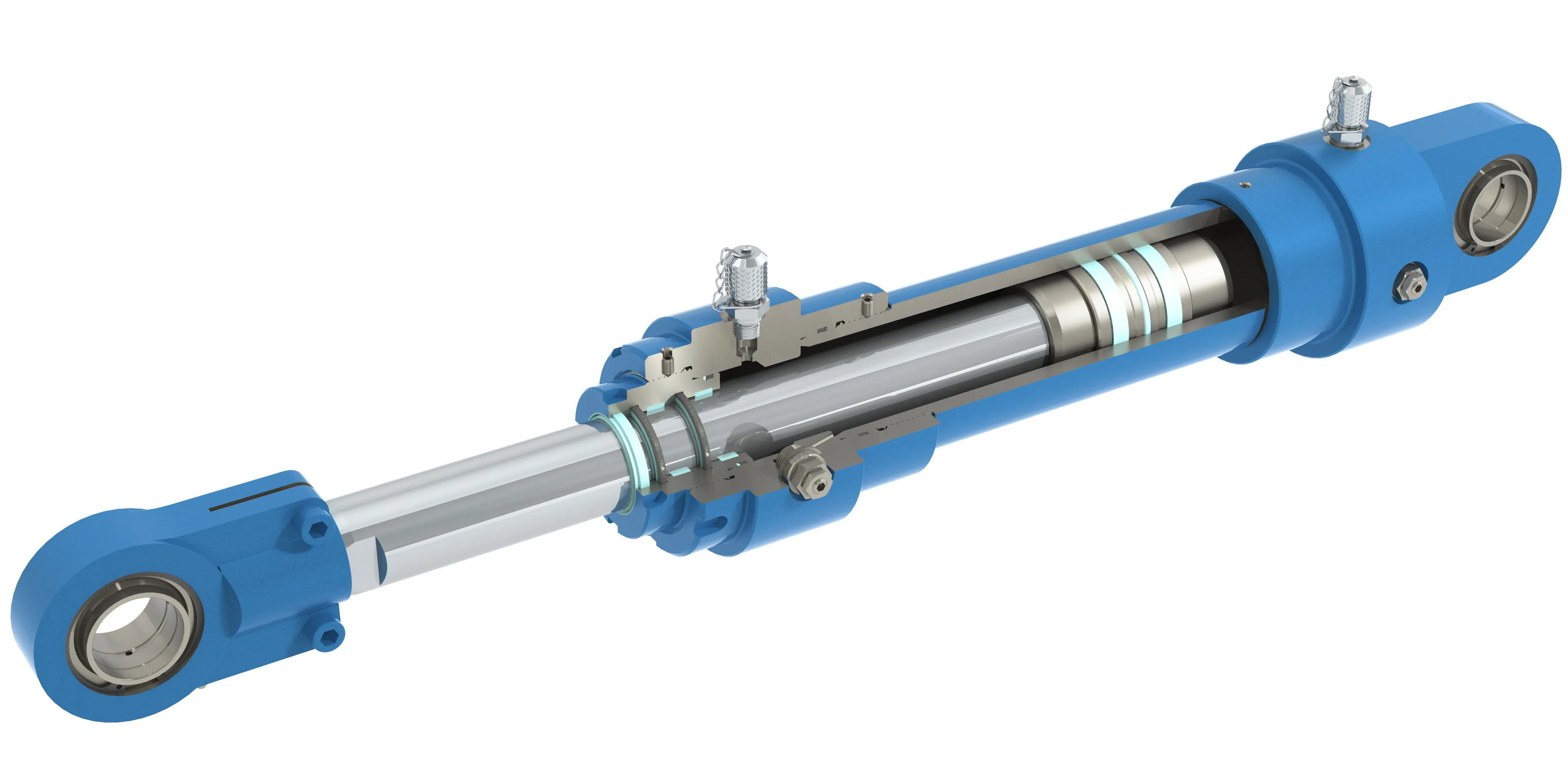
Hydraulic cylinders are essential components in the industrial environment, converting fluid power into mechanical force. The key components of a hydraulic cylinder include the barrel, piston, rod, seals, and hydraulic fluid. The structure consists of a piston rod extending from a cylinder barrel to exert force on the load.
Principle of Operation
The operation of a hydraulic cylinder is based on Pascal’s Law, which states that pressure exerted anywhere in a confined fluid is transmitted equally in all directions. When hydraulic fluid is pumped into the cylinder, it pushes the piston, generating linear motion to lift or move a load.
Types of Hydraulic Cylinders
Single Acting Cylinder
A single acting cylinder operates in one direction, with hydraulic fluid entering from one side to extend the piston. Commonly used in applications where the load needs to be pushed in one direction.
Double Acting Cylinder
A double acting cylinder operates in both directions, with hydraulic fluid entering from either side to extend or retract the piston. Ideal for applications requiring precise control of movement.
Telescopic Cylinder
A telescopic cylinder consists of multiple nested stages that extend and retract to provide long stroke lengths in a compact design. Used in applications with limited space for extended stroke requirements.
Differential Cylinder
A differential cylinder has a larger effective area on one side of the piston than the other, creating a mechanical advantage for higher force output. Suitable for applications requiring higher load capacity.
Advantages of Industrial Hydraulic Cylinders
1. High Power Density: Industrial hydraulic cylinders can generate high forces in a compact design, making them ideal for heavy-duty applications.
2. Precise Control: Hydraulic cylinders offer precise control over speed, force, and position, enhancing operational efficiency.
3. Versatility: With various types and configurations available, hydraulic cylinders can be tailored to meet specific application requirements.
4. Durability: Constructed from robust materials, hydraulic cylinders are designed to withstand harsh industrial environments and heavy loads.
5. Energy Efficiency: Hydraulic systems are known for their energy-efficient operation, reducing overall operational costs in the long run.
Applications in Various Industries
Industrial hydraulic cylinders are widely used in manufacturing, construction, mining, agriculture, and other industrial sectors for a multitude of applications. In manufacturing, hydraulic cylinders are utilized in robotic arms, presses, and injection molding machines to provide precise control and force. In construction, hydraulic cylinders are essential for excavators, cranes, and bulldozers to lift and move heavy materials. In mining, hydraulic cylinders power drilling rigs, crushers, and conveyors for efficient operations. In agriculture, hydraulic cylinders are integral to tractors, harvesters, and irrigation systems for planting and harvesting activities.
Selection Criteria for Hydraulic Cylinders
When selecting an industrial hydraulic cylinder for a specific application, factors such as load capacity, stroke length, bore size, operating pressure, and mounting options should be carefully considered. Matching the performance of the hydraulic cylinder to the requirements of the application is crucial for optimal functionality and longevity.
Maintenance and Care
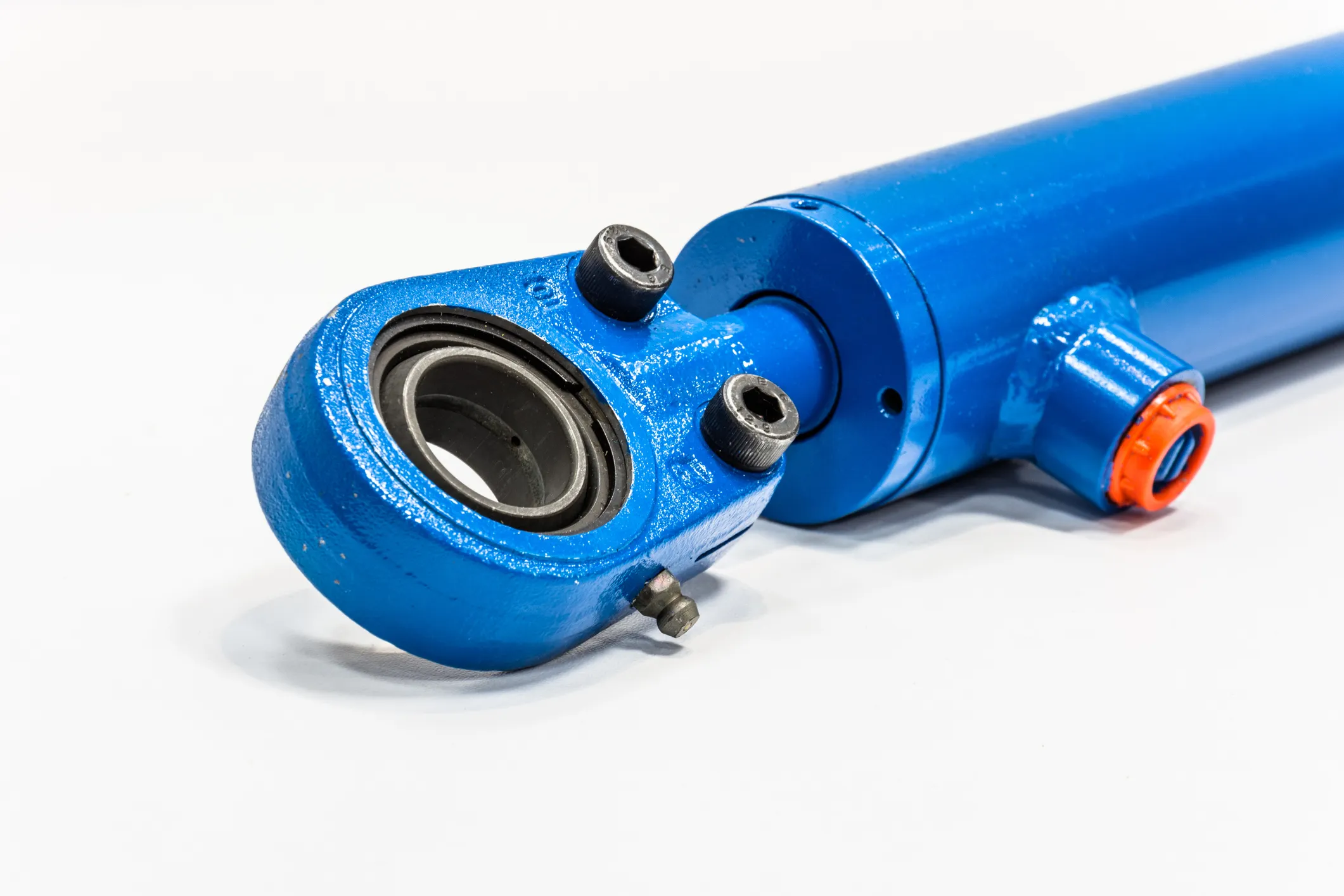
Regular maintenance of industrial hydraulic cylinders is essential to ensure optimal performance and longevity. Inspection, lubrication, and cleaning are key maintenance tasks that should be performed periodically to prevent issues and extend the service life of the hydraulic cylinder.
Installation Guide
Proper installation of industrial hydraulic cylinders is critical for their efficient operation and safety. Following manufacturer guidelines, ensuring proper alignment, and securely fastening all components are essential steps in the installation process to prevent malfunctions and accidents.
Common Maintenance Tasks
Cleaning
Regularly cleaning the hydraulic cylinder and its components helps prevent contamination and corrosion, ensuring optimal performance and longevity.
Lubrication
Applying the appropriate lubricant to the moving parts of the hydraulic cylinder reduces friction, wear, and heat generation, prolonging the service life of the equipment.
Checking Wear
Periodically inspecting the hydraulic cylinder for signs of wear, such as leaks, dents, or misalignment, allows for timely maintenance and replacement of worn components to prevent failures.
Fault Diagnosis and Solutions
Common problems with industrial hydraulic cylinders include leaks, insufficient force, erratic movement, and noisy operation. By systematically diagnosing the issues, such as inspecting seals, checking fluid levels, and testing pressure, operators can effectively troubleshoot and resolve the faults to restore normal operation.
Preventive Measures
To minimize potential problems and optimize the performance of industrial hydraulic cylinders, preventive measures such as regular inspection, proper lubrication, and training of operators on correct usage and maintenance practices should be implemented. These measures help prevent costly downtime and extend the service life of the equipment.
Choosing the Right Hydraulic Cylinder
Exploring the factors that should be considered in the selection of industrial hydraulic cylinders, such as application requirements, environmental conditions, budget constraints, and compatibility with existing systems, is essential for choosing the right cylinder to meet specific operational needs.
Long-Tail SEO Articles
1. “Enhancing Productivity with Industrial Hydraulic Cylinders”: This article explores how industrial hydraulic cylinders improve efficiency and performance in various industrial sectors, with real-world examples and case studies.
2. “Optimizing Performance Through Proper Maintenance of Hydraulic Cylinders”: This article discusses the importance of regular maintenance and care for hydraulic cylinders to ensure reliable operation and longevity.
3. “Selecting the Right Hydraulic Cylinder for Your Application”: This article provides a detailed guide on the selection criteria and factors to consider when choosing an industrial hydraulic cylinder for specific operational requirements.
Our Company
We are a leading hydraulic cylinder replacement manufacturer, offering a comprehensive product line and customized services to meet the diverse needs of our customers. With international certifications, state-of-the-art production equipment, and dedicated after-sales service, we strive to deliver high-quality hydraulic cylinders that exceed industry standards and expectations.
Author: lyl