
Introduction
In the industrial environment, hydraulic cylinders play a crucial role in various applications. Understanding the key components, operation principles, types, advantages, industries of use, selection criteria, maintenance, and troubleshooting of industrial hydraulic cylinders is essential for ensuring optimal performance and longevity. This comprehensive guide will provide valuable insights into all aspects of industrial hydraulic cylinders, focusing on maintenance agreements.
Key Components and Structure of Hydraulic Cylinders
Hydraulic cylinders consist of key components such as cylinder barrels, pistons, rods, seals, and hydraulic fluid. These components work together to convert hydraulic energy into linear motion, allowing for the precise control of heavy loads in industrial machinery.
Operation Principle Overview
The operation of hydraulic cylinders is based on the principle of Pascal’s law, which states that pressure applied to a confined fluid is transmitted equally in all directions. When hydraulic fluid is pumped into the cylinder, it creates pressure, causing the piston to move and generate linear motion.
Types of Hydraulic Cylinders
There are different types of hydraulic cylinders commonly used in industrial applications, including single acting, double acting, telescopic, and differential cylinders. Each type has unique characteristics and is suitable for specific use cases.
Single Acting Cylinders:
Single acting cylinders operate in one direction, using hydraulic pressure to extend or retract the piston. They are commonly used in applications where a load needs to be lifted or lowered in a controlled manner.
Double Acting Cylinders:
Double acting cylinders can operate in both directions, providing more precise control over the movement of heavy loads. They are widely used in industrial machinery that requires bidirectional motion.
Telescopic Cylinders:
Telescopic cylinders consist of multiple nested stages that extend and retract to provide increased stroke length. They are ideal for applications where space is limited but a long stroke is required.
Differential Cylinders:
Differential cylinders have two different sized pistons, allowing for a variable output force depending on the pressure applied. They are used in applications where precise force control is essential.
Advantages of Industrial Hydraulic Cylinders
The top five advantages of industrial hydraulic cylinders include high force output, precise control, compact design, long service life, and low maintenance requirements. These advantages make hydraulic cylinders a popular choice in various industries.
Industries of Use
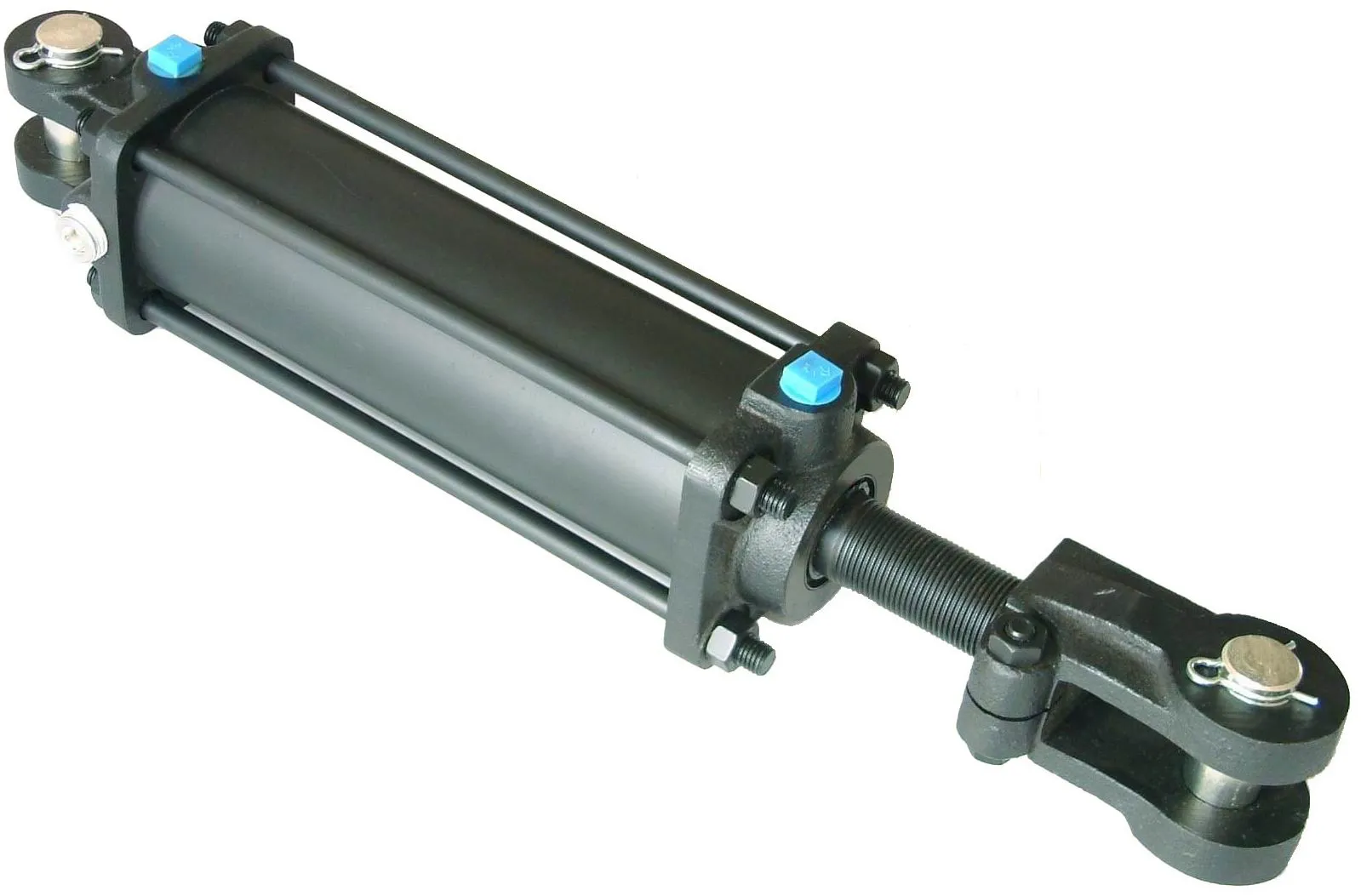
Industrial hydraulic cylinders are widely used in manufacturing, construction, mining, agriculture, and other sectors. They play a critical role in applications such as heavy machinery, material handling equipment, agricultural machinery, and more.
Manufacturing:
In the manufacturing industry, hydraulic cylinders are used in robotic arms, presses, and other machinery to perform precise and controlled movements for production processes.
Construction:
Construction equipment such as cranes, excavators, and bulldozers rely on hydraulic cylinders for precise lifting, digging, and pushing operations on construction sites.
Mining:
In the mining industry, hydraulic cylinders are essential for operating heavy machinery and equipment used in excavation, drilling, and transport of materials in mines.
Agriculture:
Agricultural machinery such as tractors, harvesters, and irrigation systems use hydraulic cylinders for tasks such as plowing, planting, harvesting, and irrigation control on farms.
Selecting the Right Hydraulic Cylinder
When selecting an industrial hydraulic cylinder for a specific application, factors such as load capacity, stroke length, bore size, and operating conditions must be considered. Matching the performance of the cylinder to the requirements of the application is crucial for optimal performance.
Maintenance and Care
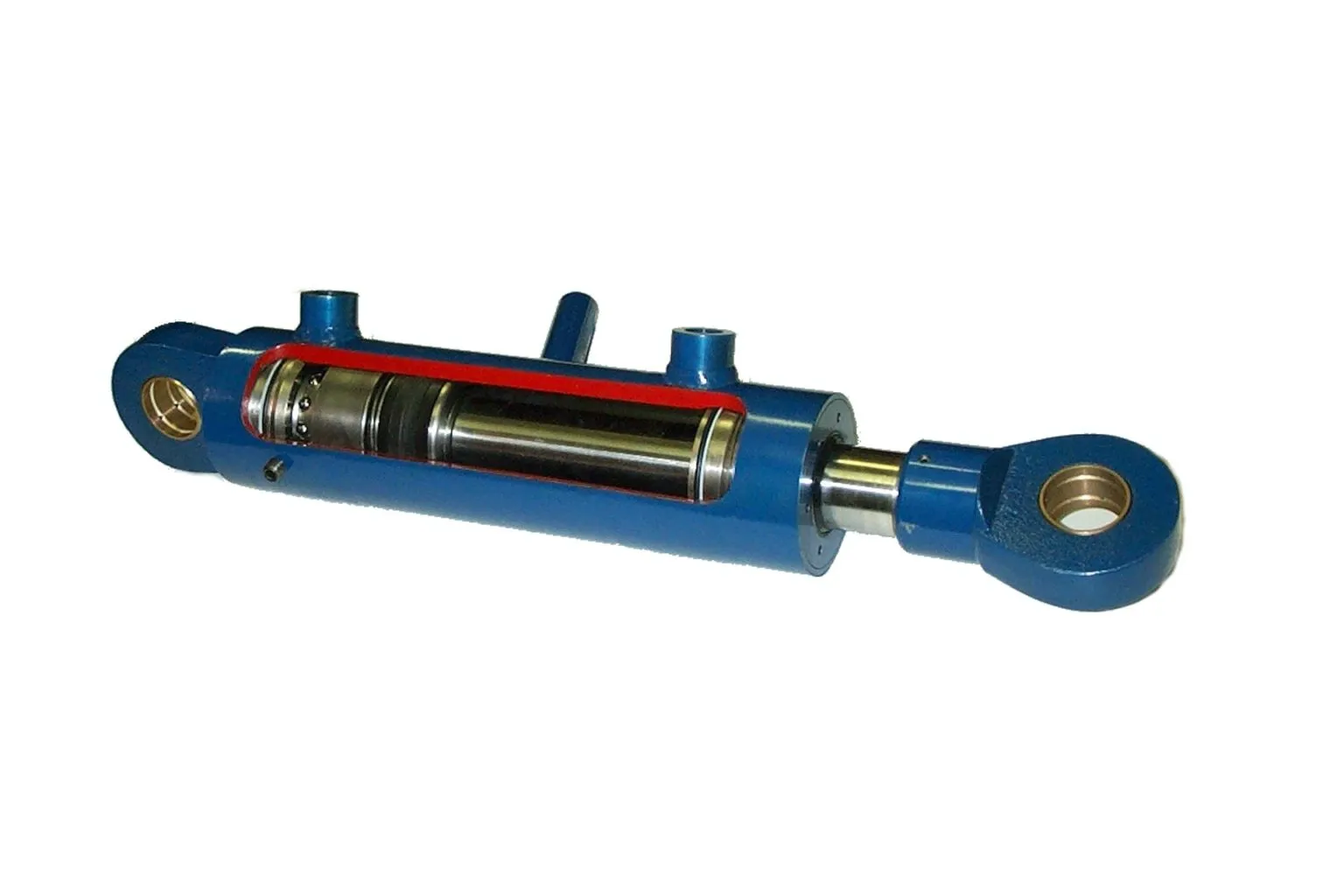
Regular maintenance and care of industrial hydraulic cylinders are essential for ensuring optimal performance and longevity. Inspection, lubrication, and cleaning practices should be followed to prevent issues and extend the service life of the cylinders.
Inspection:
Regularly inspecting hydraulic cylinders for leaks, wear, and damage can help identify potential issues early and prevent costly repairs or downtime.
Lubrication:
Proper lubrication of hydraulic cylinders is necessary to reduce friction, prevent overheating, and extend the life of seals and components. Using the right type and amount of lubricant is crucial for optimal performance.
Cleaning:
Keeping hydraulic cylinders clean from debris, dirt, and contaminants is important to prevent damage to seals and components. Regular cleaning can help maintain the efficiency and reliability of the cylinders.
Installation Guide
Proper installation of industrial hydraulic cylinders is essential for ensuring safe and efficient operation. Following manufacturer guidelines, using the right tools, and ensuring proper alignment and connection of components are key steps in the installation process.
Fault Diagnosis and Common Problems
Common issues with hydraulic cylinders include leaks, seal damage, piston rod wear, and fluid contamination. By diagnosing these problems early and addressing them promptly, downtime and repair costs can be minimized.
Preventive Measures
To prevent potential issues with industrial hydraulic cylinders, regular inspection, maintenance, and care practices should be followed. Implementing preventive measures can help optimize performance and extend the service life of the cylinders.
Choosing the Right Hydraulic Cylinder
Exploring the factors that should be considered in the selection of industrial hydraulic cylinders is crucial for matching the performance of the cylinders to specific application requirements. Understanding load capacity, stroke length, bore size, and other specifications is key to making an informed decision.
Long-Tail SEO Articles
1. “Enhancing Industrial Productivity with Hydraulic Cylinder Maintenance Agreements”: This article explores the importance of maintenance agreements for industrial hydraulic cylinders and provides valuable insights into best practices for ensuring optimal performance and longevity.
2. “Maximizing Efficiency with Proper Hydraulic Cylinder Selection”: This article delves into the factors that should be considered when selecting industrial hydraulic cylinders for specific applications, highlighting the importance of matching performance to requirements.
3. “Troubleshooting Tips for Industrial Hydraulic Cylinder Maintenance”: This article offers practical tips and solutions for diagnosing and resolving common problems with hydraulic cylinders, emphasizing the significance of preventive measures for optimal performance.
Our Company
We are a leading hydraulic cylinder replacement manufacturer with a complete product line and a strong presence in the domestic and foreign markets. Our company is known for its professional services, international certifications, customized solutions, state-of-the-art production equipment, and reliable after-sales support.
Author: lyl