
Understanding Industrial Hydraulic Cylinders
Introduction to Hydraulic Cylinder in the Industrial Environment
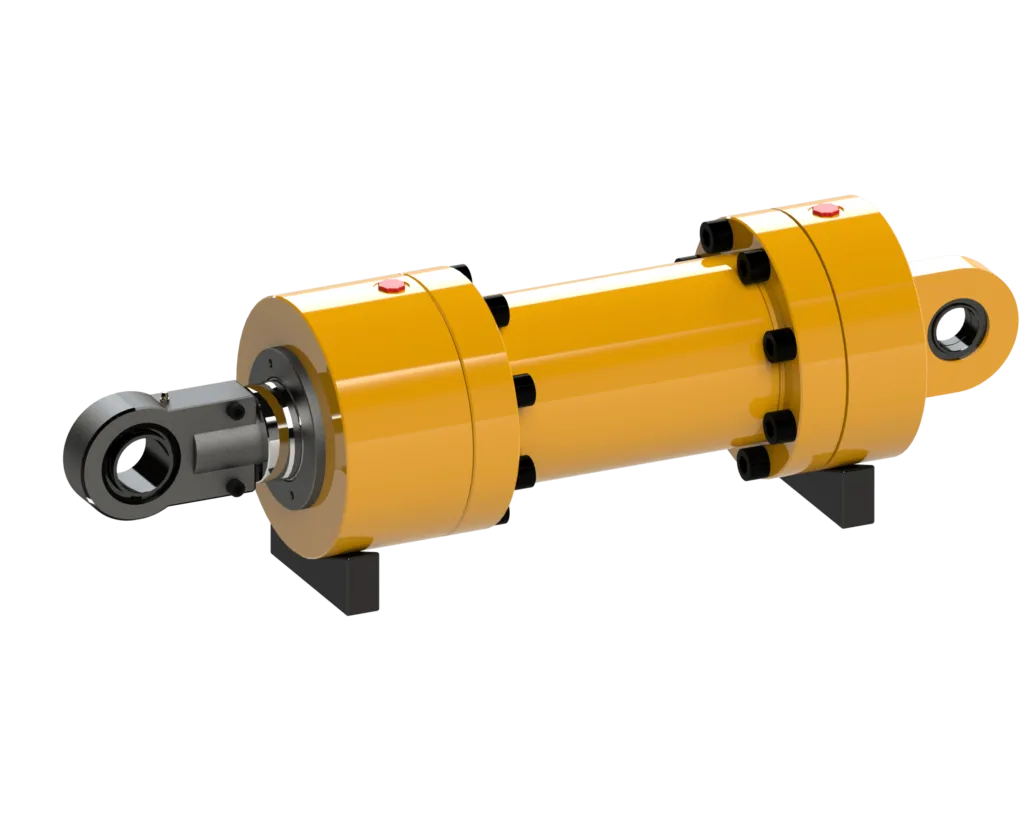
Industrial hydraulic cylinders are vital components in various industrial applications, providing controlled motion and force to machinery and equipment. The hydraulic cylinder converts fluid power into linear mechanical force and motion, making it essential for operations that require precise control and heavy lifting.
Key Components and Structure of Hydraulic Cylinder
- Cylinder Barrel
- Piston
- Rod
- Seals
- Hydraulic Fluid
Principle Overview of Control Cylinder Operation
The operation of a hydraulic cylinder is based on Pascal’s principle, which states that pressure exerted on a fluid is transmitted equally in all directions. When hydraulic fluid is pumped into the cylinder, it pushes the piston, creating linear motion.
Types of Hydraulic Cylinders
There are several types of hydraulic cylinders commonly used in industrial applications:
Single Acting Cylinder
The single acting cylinder uses hydraulic pressure to extend the piston, with an external force (like gravity or a spring) retracting it.
Double Acting Cylinder
The double-acting cylinder uses hydraulic pressure to extend and retract the piston, providing more control over motion.
Telescopic Cylinder
The telescopic cylinder consists of multiple nested stages that extend and retract, allowing for a longer stroke length in a compact design.
Differential Cylinder
The differential cylinder has different areas on each side of the piston, providing different speeds and forces in each direction.
Top 5 Advantages of Industrial Hydraulic Cylinders
- Precise Control
- High Force Output
- Compact Design
- Smooth Operation
- Long Service Life
Industries Using Industrial Hydraulic Cylinders
Industrial hydraulic cylinders are widely used in various industries, including:
Manufacturing
In manufacturing, hydraulic cylinders are used in assembly lines, lifting equipment, and material handling systems to ensure efficient production processes.
Construction
In construction, hydraulic cylinders are used in cranes, excavators, and bulldozers for lifting heavy loads and performing precise movements.
Mining
In mining, hydraulic cylinders are essential for drilling equipment, conveyor systems, and hydraulic shovels to withstand harsh conditions and heavy loads.
Agriculture
In agriculture, hydraulic cylinders are used in tractors, harvesters, and irrigation systems for efficient farming operations and equipment control.
Other Industrial Sectors
Hydraulic cylinders are also utilized in industries such as aerospace, marine, and automotive for various applications requiring controlled motion and force.
Selecting the Right Industrial Hydraulic Cylinder
When choosing an industrial hydraulic cylinder, consider factors like load capacity, stroke length, bore size, and mounting options to ensure it meets the specific requirements of your application.
Maintenance and Care of Hydraulic Cylinders
Regular maintenance of industrial hydraulic cylinders is crucial to ensure optimal performance and longevity. Inspect, lubricate, and clean the cylinder according to manufacturer’s recommendations.
Installation Guide for Industrial Hydraulic Cylinders
Proper installation of hydraulic cylinders is essential for their functionality and safety. Follow the manufacturer’s guidelines and consult with experts if needed to ensure correct installation.
Maintenance Tasks for Hydraulic Cylinders
Key maintenance tasks for hydraulic cylinders include:
Cleaning
Regularly clean the cylinder components to prevent dirt and debris buildup, which can affect performance and cause damage.
Lubrication
Apply the appropriate lubricant to the moving parts of the cylinder to reduce friction and wear, ensuring smooth operation.
Checking Wear
Periodically inspect the cylinder for signs of wear, such as leaks, dents, or corrosion, and address any issues promptly to prevent further damage.
Fault Diagnosis and Common Problems
If you encounter issues with your hydraulic cylinder, diagnose the problem by checking for leaks, abnormal noises, or erratic motion. Common problems include seal failure, fluid contamination, and misalignment.
Preventive Measures for Optimal Performance
To minimize potential problems with your industrial hydraulic cylinder, implement preventive measures like regular inspections, fluid analysis, and following recommended maintenance schedules. These steps can help optimize performance and extend the service life of your equipment.
Choosing the Right Industrial Hydraulic Cylinder
Consider factors such as load requirements, speed, operating environment, and space constraints when selecting an industrial hydraulic cylinder for your application. Consult with experts and ensure the cylinder’s specifications match your specific needs.
Long-Tail Keywords and SEO Articles
Long-tail keywords related to industrial hydraulic cylinders include “high-force telescopic cylinder,” “compact double-acting cylinder,” and “precision differential cylinder.” Each keyword can be the focus of an SEO article highlighting the unique features and benefits of the specific cylinder type.
About Our Company
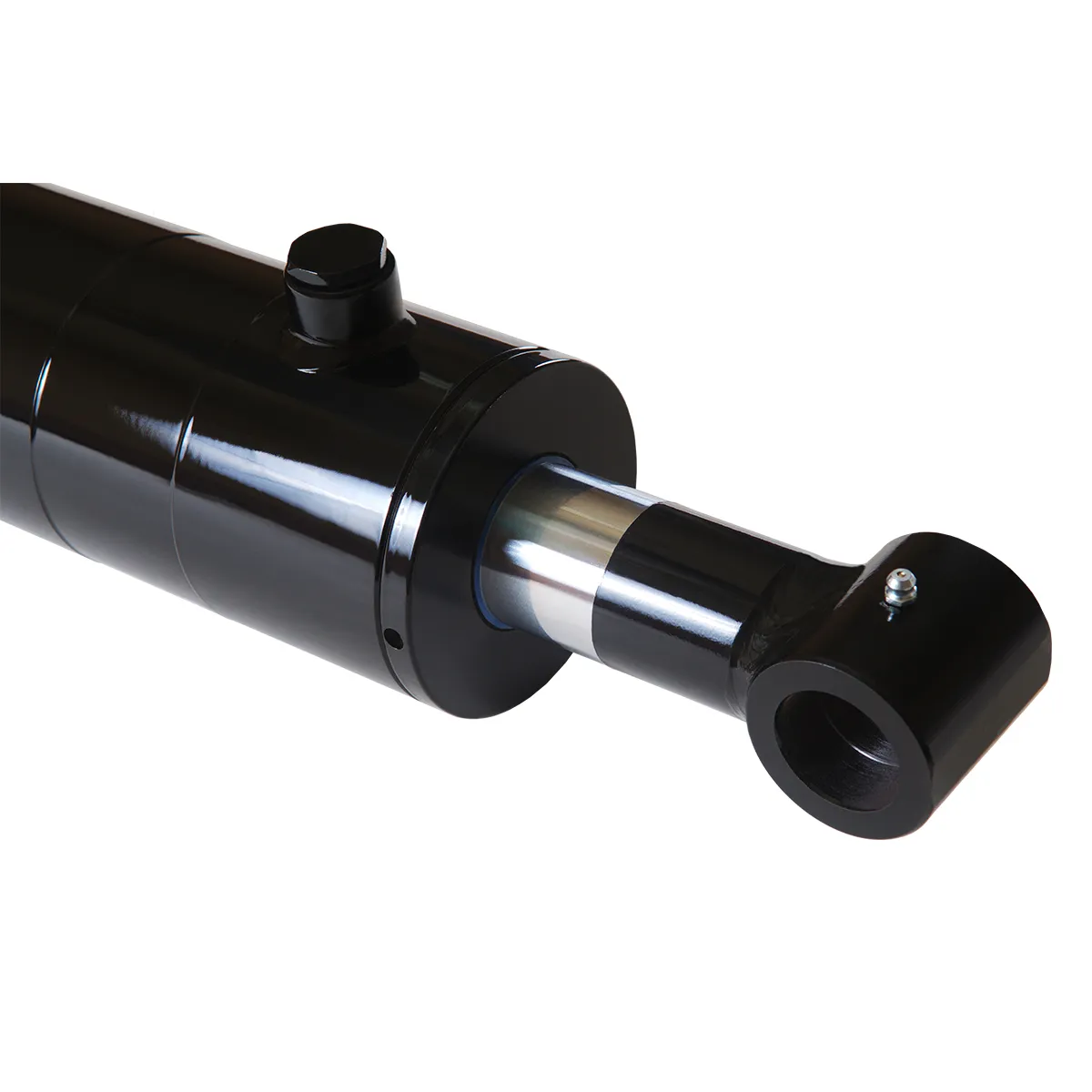
We are a leading hydraulic cylinder manufacturer and wholesale distributor, offering a comprehensive product line for industrial applications. With professional expertise, international certifications, customized services, advanced production equipment, and dedicated after-sales support, we strive to provide high-quality hydraulic solutions to our customers worldwide.
Author: lyl