Introduction
In the industrial environment, hydraulic cylinders play a crucial role in various applications. Understanding the key components, structure, operation principle, and maintenance of hydraulic cylinders is essential for optimizing their performance and lifespan.
Key Components and Structure of Hydraulic Cylinders
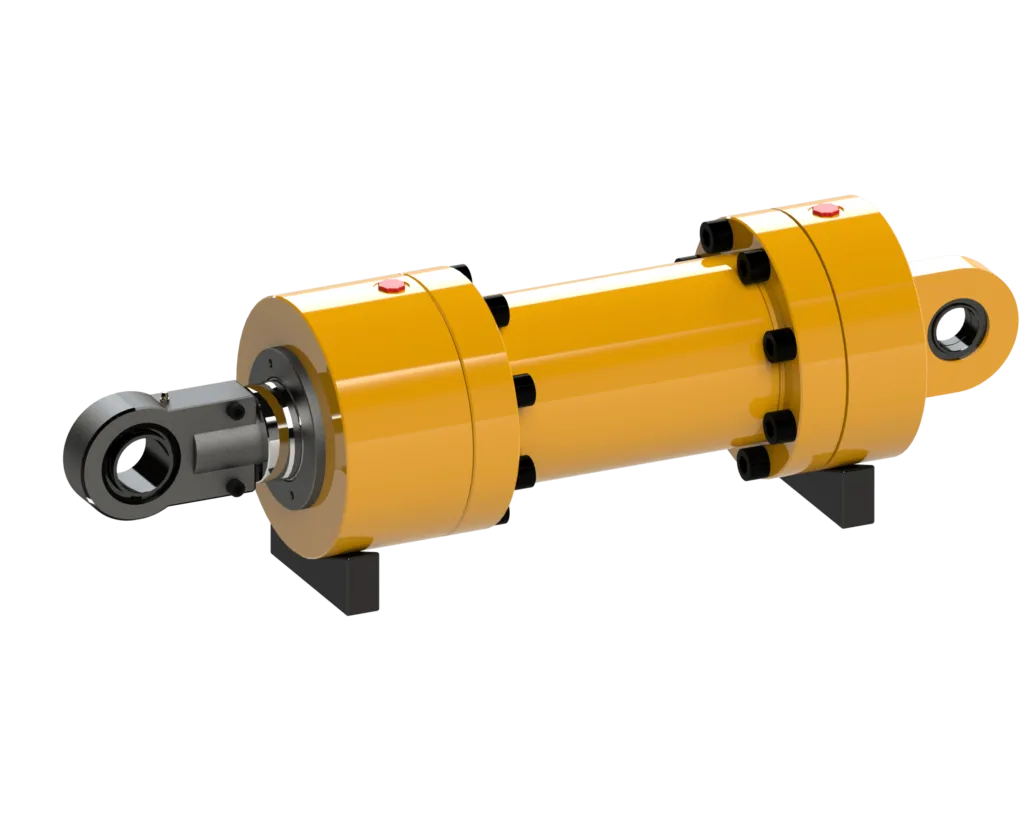
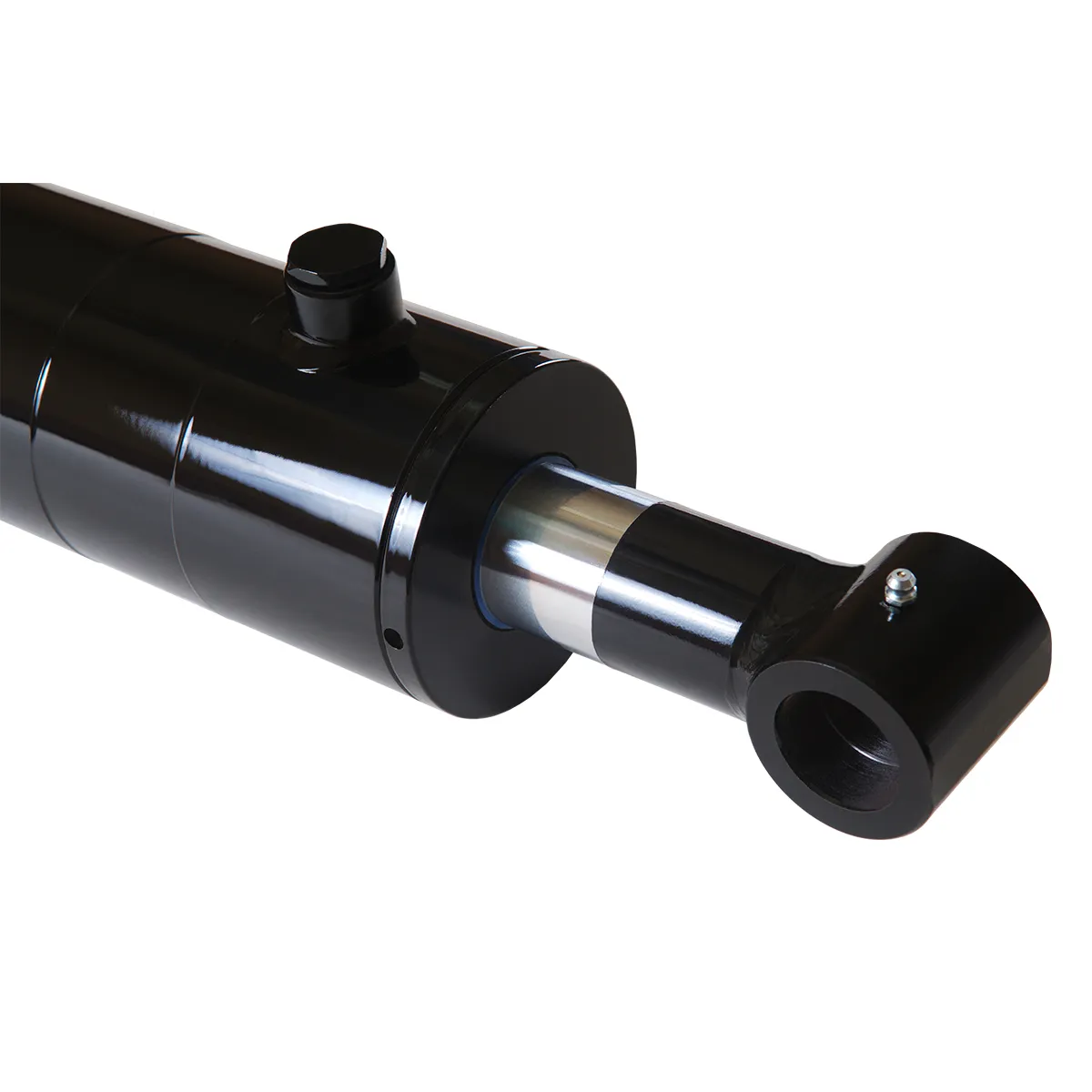
Hydraulic cylinders consist of several key components, including a cylinder barrel, piston, piston rod, seals, and ports. The cylinder barrel houses the piston and fluid, while the piston moves back and forth within the barrel to generate linear motion. Seals prevent fluid leakage, and ports allow for the inlet and outlet of hydraulic fluid.
Operation Principle of Hydraulic Cylinders
The basic principle of hydraulic cylinders involves the conversion of hydraulic energy into mechanical energy. When pressurized hydraulic fluid enters the cylinder, it pushes the piston, creating linear motion. The controlled movement of the piston is crucial for various industrial processes.
Types of Hydraulic Cylinders
- Single Acting Cylinders: Utilized in applications where the load can be lifted in one direction only.
- Double Acting Cylinders: Capable of producing force in both directions, ideal for pushing and pulling loads.
- Telescopic Cylinders: Comprised of multiple nested sections that extend and retract, useful in confined spaces.
- Differential Cylinders: Feature two pistons of different diameters, providing high force output.
Each type of hydraulic cylinder offers unique characteristics that cater to specific industrial requirements. For instance, telescopic cylinders are commonly used in dump trucks for efficient load unloading, while double acting cylinders are prevalent in hydraulic presses for versatile force application.
Advantages of Industrial Hydraulic Cylinders
- High Force Output: Hydraulic cylinders can generate significant force, making them suitable for heavy-duty applications.
- Precision Control: The movement of hydraulic cylinders can be precisely controlled, ensuring accurate positioning of loads.
- Durability: Constructed from robust materials, hydraulic cylinders exhibit long-lasting performance even in harsh industrial environments.
- Compact Design: Hydraulic cylinders are space-efficient, allowing for easy integration into various machinery and equipment.
- Cost-Effective: Despite their advanced capabilities, hydraulic cylinders offer a cost-effective solution for industrial operations.
Industrial Applications of Hydraulic Cylinders
Hydraulic cylinders find widespread use in industries such as manufacturing, construction, mining, agriculture, and more. In manufacturing, hydraulic cylinders are employed in assembly lines for precise movement control. In construction, they power heavy machinery like cranes and excavators. Mining operations rely on hydraulic cylinders for efficient material handling, while agriculture benefits from their usage in equipment like tractors and harvesters.
Selecting the Right Hydraulic Cylinder
When choosing an industrial hydraulic cylinder, factors such as load capacity, stroke length, bore size, and operating pressure must be considered. Matching the performance of the cylinder to the specific application requirements ensures optimal functionality and longevity.
Maintenance of Hydraulic Cylinders
Regular maintenance is crucial for the performance and longevity of hydraulic cylinders. Inspections, lubrication, and cleaning are essential practices to uphold. By following recommended maintenance protocols, users can maximize the efficiency and lifespan of their hydraulic systems.
Installation Guide for Hydraulic Cylinders
Proper installation of hydraulic cylinders is paramount for their functionality and safety. Steps such as aligning the cylinder, securing mounting points, and connecting hydraulic lines should be meticulously followed to ensure optimal performance.
Maintenance Tasks for Hydraulic Cylinders
- Cleaning: Regularly removing dirt and debris from the cylinder surface to prevent contamination and maintain smooth operation.
- Lubrication: Applying appropriate lubricants to moving parts to reduce friction and wear, prolonging the cylinder’s lifespan.
- Checking Wear: Monitoring the condition of seals, rods, and other components for signs of wear or damage, addressing any issues promptly.
Fault Diagnosis and Troubleshooting
In case of hydraulic cylinder malfunctions, diagnosing common problems such as leaks, erratic movement, or insufficient force is essential. By following troubleshooting tips and solutions, users can identify and rectify issues to restore optimal cylinder performance.
Preventive measures, such as regular maintenance and adherence to operational guidelines, can minimize potential problems and enhance the overall performance of industrial hydraulic cylinders.
Choosing the Right Industrial Hydraulic Cylinder
Exploring factors like load requirements, operating conditions, and compatibility with existing systems is crucial when selecting an industrial hydraulic cylinder. Considering these aspects ensures that the chosen cylinder meets the specific needs of the application, leading to efficient and reliable performance.
Long-Tail SEO Articles on Industrial Hydraulic Cylinders
1. “Enhancing Industrial Efficiency with Custom Hydraulic Cylinder Solutions”: This article delves into the benefits of customized hydraulic cylinders for optimizing industrial operations.
2. “Maximizing Productivity Through Proper Hydraulic Cylinder Maintenance”: Explore the importance of regular maintenance practices in prolonging the lifespan and efficiency of hydraulic systems.
3. “Innovative Applications of Telescopic Hydraulic Cylinders in Industrial Settings”: Discover the versatile uses of telescopic cylinders in various industrial sectors and their impact on operational productivity.
Our Company
As a leading hydraulic cylinder replacement manufacturer, our company offers a comprehensive product line tailored to meet diverse industrial needs. With a focus on quality, reliability, and customer satisfaction, we have established ourselves as a trusted supplier in both domestic and international markets.
Our commitment to professional service, international certification standards, customized solutions, state-of-the-art production equipment, and dedicated after-sales support sets us apart as a preferred partner for industrial hydraulic cylinder requirements.
Author: lyl