
Exploring the World of Industrial Hydraulic Cylinders
Introduction to Industrial Hydraulic Cylinders
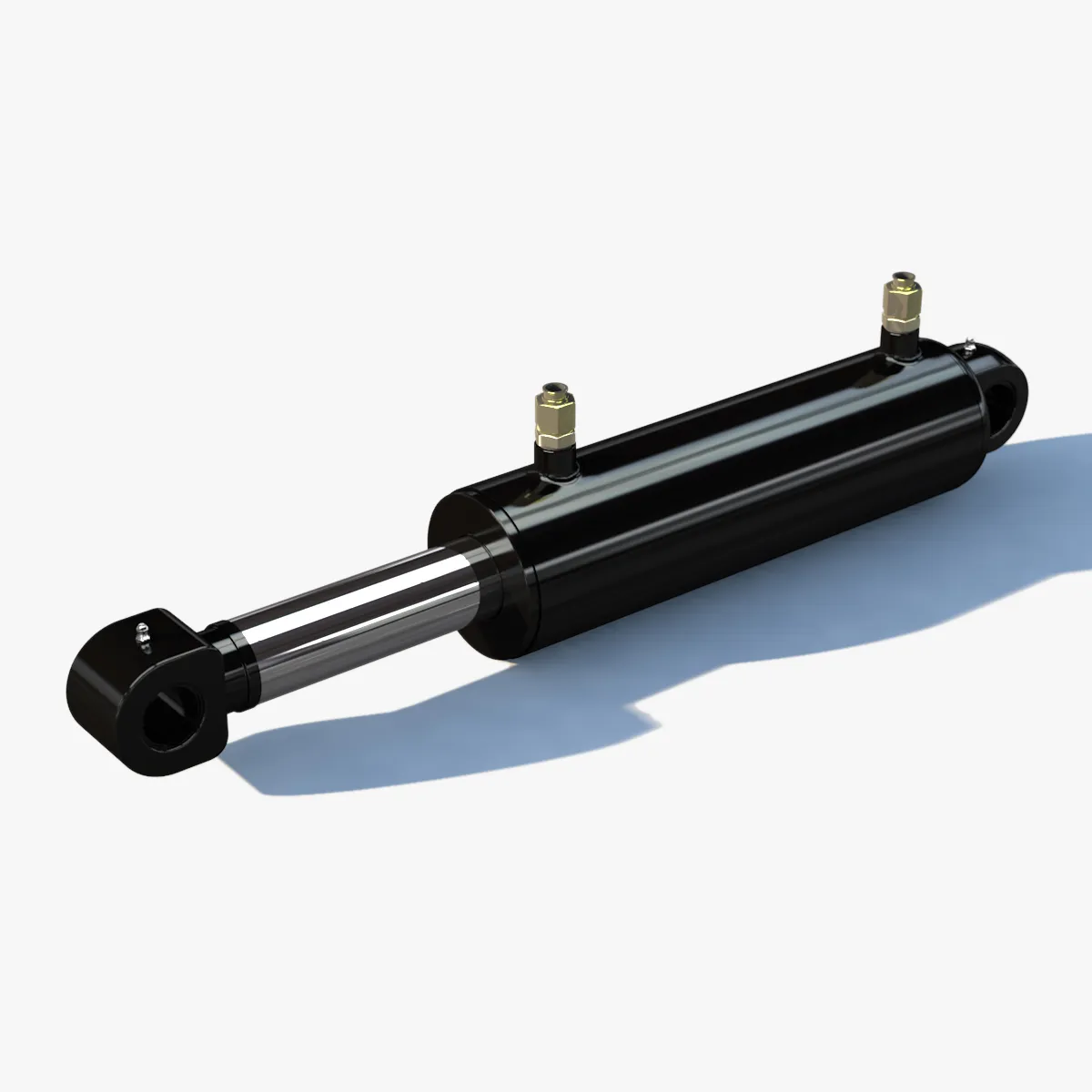
In the industrial environment, hydraulic cylinders play a crucial role in powering machinery and equipment. These cylinders are used to create linear force and motion through the use of hydraulic fluid pressure. The key components of a hydraulic cylinder include a cylinder barrel, piston, piston rod, seals, and end caps. The structure of a hydraulic cylinder is designed to convert hydraulic energy into mechanical energy efficiently.
Principle of Hydraulic Cylinder Operation
The basic principle of a hydraulic cylinder involves the transfer of force from one end of the cylinder to the other through the use of hydraulic fluid. When hydraulic fluid is pumped into one side of the cylinder, it pushes the piston, creating linear motion. This motion is controlled by valves that regulate the flow of hydraulic fluid, allowing for precise operation of the cylinder.
Types of Hydraulic Cylinders
1. Single Acting Cylinders
Single acting cylinders operate in one direction, relying on an external force to return the piston to its original position.
2. Double Acting Cylinders
Double acting cylinders can create force in both directions, enabling more versatile applications in industrial settings.
3. Telescopic Cylinders
Telescopic cylinders consist of multiple nested stages that allow for extended reach and compact retraction, ideal for applications with limited space.
4. Differential Cylinders
Differential cylinders utilize different piston areas to create varying forces, providing precise control over the movement of heavy loads.
Advantages of Industrial Hydraulic Cylinders
1. High Power Output: Hydraulic cylinders can generate significant force to lift and move heavy loads efficiently.
2. Precise Control: The use of hydraulic fluid allows for accurate and smooth operation of machinery.
3. Durability: Hydraulic cylinders are built to withstand harsh industrial environments, ensuring long-term reliability.
4. Versatility: With different types available, hydraulic cylinders can be adapted to various industrial applications.
5. Low Maintenance: Properly maintained hydraulic cylinders require minimal upkeep, reducing downtime and costs.
Industrial Applications of Hydraulic Cylinders
1. Manufacturing: Hydraulic cylinders are used in manufacturing processes such as stamping, molding, and assembly lines.
2. Construction: From heavy equipment to lifting mechanisms, hydraulic cylinders are essential in construction projects.
3. Mining: Hydraulic cylinders power digging and hauling equipment in mining operations, ensuring optimal productivity.
4. Agriculture: Tractors, harvesters, and other agricultural machinery rely on hydraulic cylinders for efficient operation in the field.
5. Other Industries: Hydraulic cylinders find applications in marine, aerospace, and automotive sectors, showcasing their versatility.
Selecting the Right Hydraulic Cylinder
When choosing an industrial hydraulic cylinder, factors such as load capacity, stroke length, and operating conditions must be considered. Matching the performance of the cylinder to the specific requirements of the application is crucial for optimal functionality and longevity.
Maintenance and Care of Hydraulic Cylinders
Regular maintenance of hydraulic cylinders is essential to ensure peak performance and prevent costly breakdowns. Inspection, lubrication, and cleaning should be conducted according to recommended schedules to extend the service life of the cylinders.
Installation Guide for Hydraulic Cylinders
Proper installation of hydraulic cylinders is critical for their efficient operation. Following manufacturer guidelines and using appropriate mounting hardware is key to prevent leaks and malfunctions.
Maintenance Tasks for Hydraulic Cylinders
1. Cleaning: Remove dirt and debris from the cylinder to prevent contamination of the hydraulic fluid.
2. Lubrication: Apply the recommended lubricant to ensure smooth movement of the piston and seals.
3. Checking Wear: Regularly inspect the cylinder for signs of wear or damage, replacing components as needed to maintain performance.
Fault Diagnosis and Common Problems
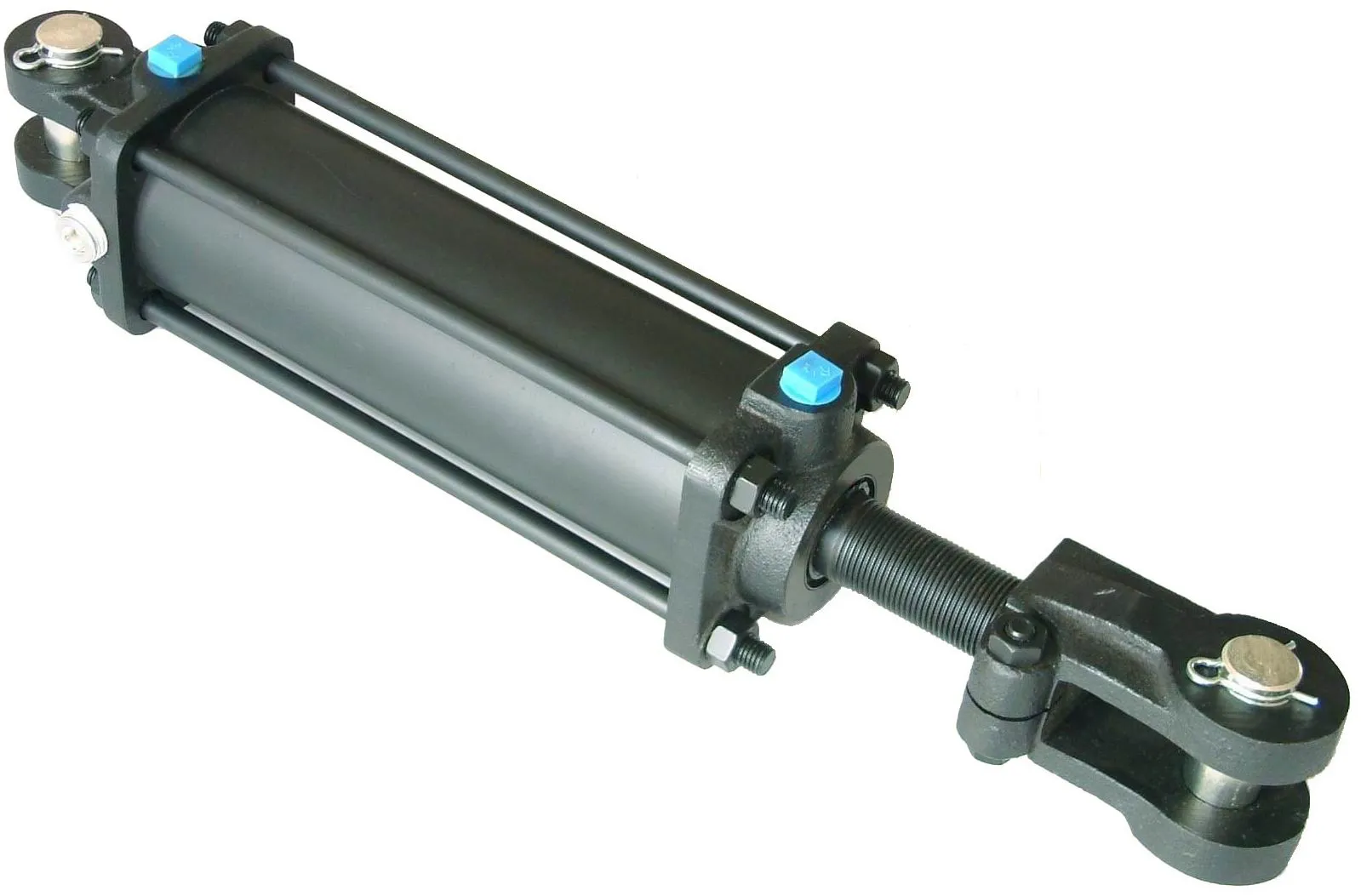
When hydraulic cylinders experience issues such as leaks, erratic movement, or lack of power, a systematic approach to diagnosis is necessary. Identifying the root cause of the problem allows for effective solutions to be implemented.
Preventive Measures for Optimal Performance
To minimize potential problems with hydraulic cylinders, preventive measures such as regular maintenance, proper installation, and operator training are essential. By taking proactive steps, the performance and longevity of the cylinders can be optimized.
Choosing the Right Industrial Hydraulic Cylinder
Exploring the factors that should be considered when selecting an industrial hydraulic cylinder involves evaluating load requirements, operating conditions, and compatibility with existing equipment. Making an informed decision based on these factors ensures efficient and reliable performance.
Long-Tail Keywords and SEO Articles
1. “Highly Efficient Telescopic Hydraulic Cylinders for Industrial Applications”: This article explores the benefits of telescopic cylinders in various industries, highlighting their versatility and compact design.
2. “Enhancing Productivity with Double Acting Hydraulic Cylinders”: Discover how double acting cylinders improve operational efficiency and precision in manufacturing and construction settings.
3. “Optimizing Performance with Differential Hydraulic Cylinders”: Learn how the unique design of differential cylinders offers precise control and force management in specialized industrial applications.
Our Company
As a leading hydraulic cylinder replacement manufacturer, our company prides itself on providing a comprehensive product line and exceptional services to domestic and international markets. With a focus on professionalism, international certifications, customization options, state-of-the-art production equipment, and dedicated after-sales support, we strive to meet the diverse needs of our customers.
Author: lyl