
Understanding Hydraulic Cylinders for Construction Material Handling Equipment
Introduction
In the realm of construction machinery and equipment, hydraulic cylinders play a crucial role in enabling the smooth and efficient operation of various heavy-duty tasks. These powerful components are essential for generating linear motion through the use of hydraulic oil and pressure.
Working Principle
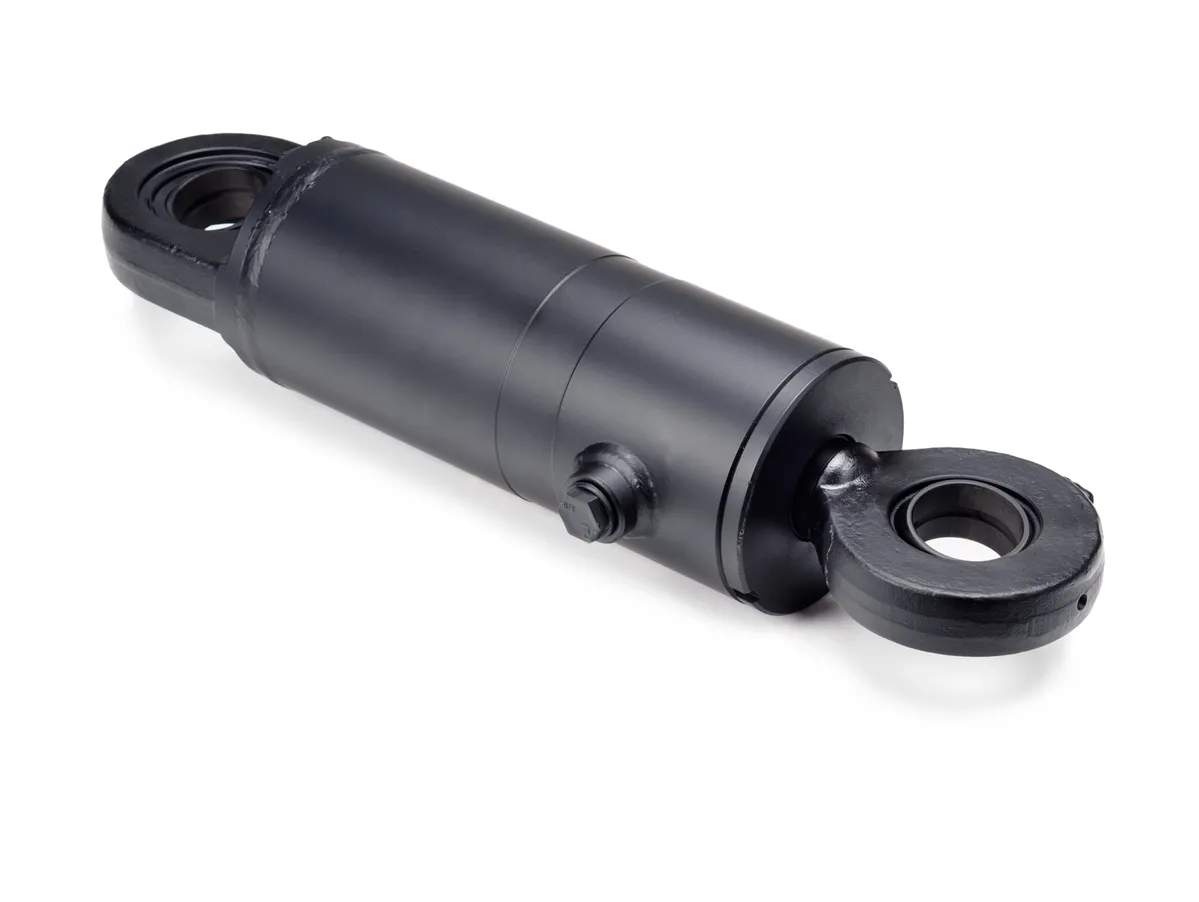
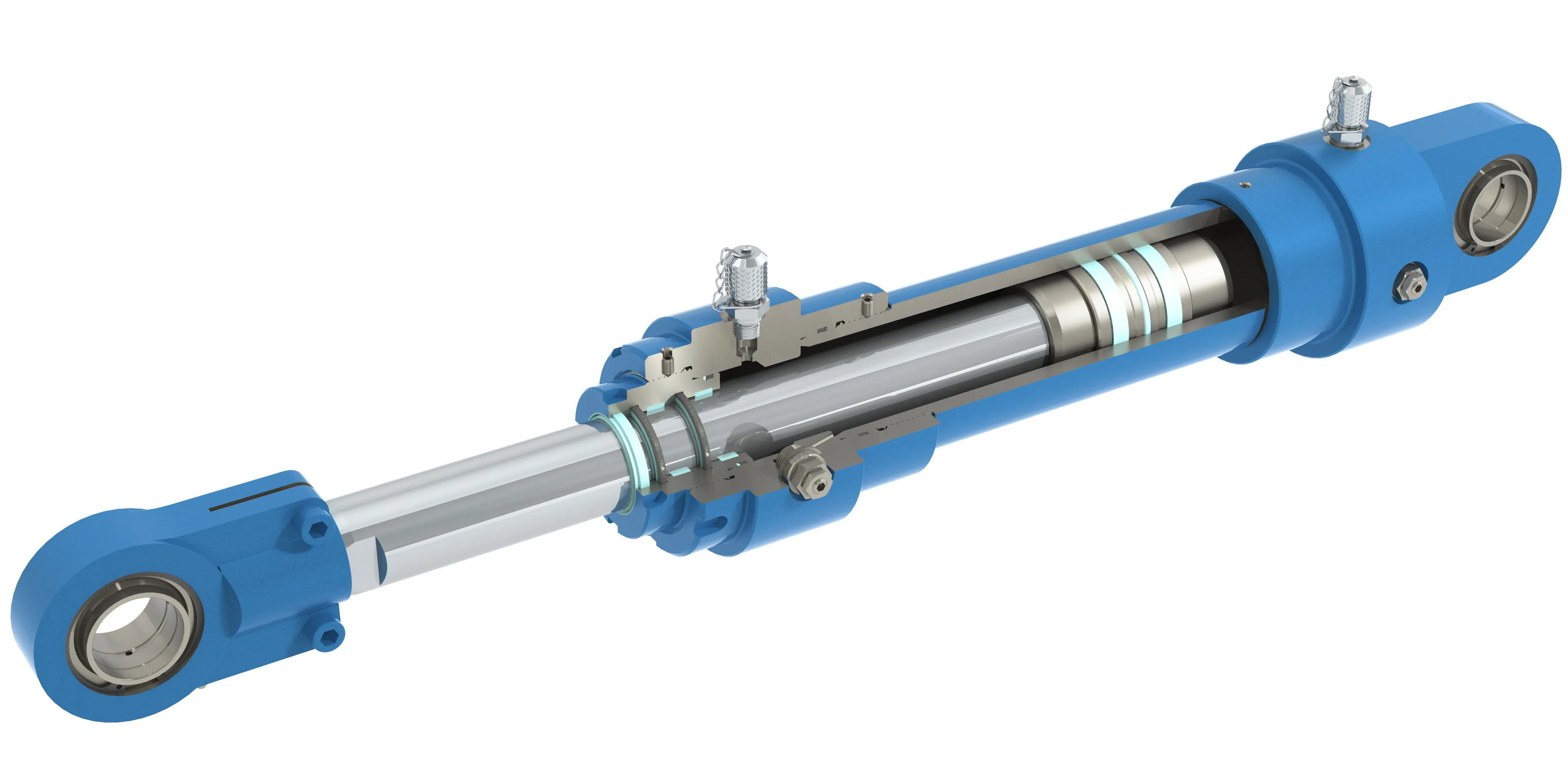
Hydraulic cylinders consist of key components such as pistons, cylinders, rods, seals, and hydraulic fluids. When hydraulic oil is pressurized, it forces the piston to move, creating linear motion that is utilized in construction equipment to perform tasks effectively and efficiently.
Types of Hydraulic Cylinders
There are various types of hydraulic cylinders used in the construction industry, each with unique characteristics and applications. Some common types include telescopic cylinders, double acting cylinders, and single acting cylinders, each serving specific purposes in different construction machinery.
Telescopic Cylinders
Telescopic cylinders are ideal for applications that require varying stroke lengths, such as in cranes and dump trucks. These cylinders provide efficient extension and retraction capabilities, making them suitable for versatile construction tasks.
Double Acting Cylinders
Double acting cylinders are capable of generating force in both directions, allowing for precise control and movement in equipment like excavators and bulldozers. Their ability to exert force in both extending and retracting motions enhances the overall efficiency of construction operations.
Single Acting Cylinders
Single acting cylinders operate in one direction, typically utilizing gravity or external forces to retract. These cylinders are commonly used in applications where a load needs to be lifted or lowered, such as in forklifts and aerial work platforms.
Advantages of Hydraulic Cylinders in Construction
Hydraulic cylinders offer several advantages in construction machinery, including high power density, precise control, compact design, and the ability to handle heavy loads. By incorporating hydraulic cylinders into equipment, construction operations can benefit from increased productivity, efficiency, and safety.
High Power Density
The compact size of hydraulic cylinders allows for high power output in a small footprint, making them ideal for applications where space is limited but power is essential.
Precise Control
Hydraulic cylinders enable precise control over the movement of machinery, ensuring accurate positioning and operation in construction tasks that require intricate maneuvers.
Compact Design
The streamlined design of hydraulic cylinders allows for seamless integration into construction equipment, optimizing performance without adding unnecessary bulk or weight.
Heavy Load Handling
Hydraulic cylinders are capable of handling heavy loads with ease, providing the necessary force to lift, push, or pull materials in construction operations without compromising on efficiency or safety.
Improved Productivity and Efficiency
By utilizing hydraulic cylinders, construction machinery can operate more efficiently, completing tasks in less time and with greater precision, ultimately leading to increased productivity on the job site.
Enhanced Safety
The reliable performance of hydraulic cylinders in construction equipment contributes to a safer working environment by minimizing the risk of malfunctions or accidents during operation, ensuring the well-being of workers on site.
Applications of Hydraulic Cylinders in Construction Equipment
Hydraulic cylinders are extensively used in various construction equipment to enhance performance and functionality. Some common applications include excavators, loaders, cranes, bulldozers, and more, each benefiting from the specific capabilities of hydraulic cylinders.
Excavators
In excavators, hydraulic cylinders are essential for controlling the movement of the boom, arm, and bucket, allowing for precise digging, lifting, and dumping of materials on construction sites.
Loaders
Loaders utilize hydraulic cylinders to lift and lower the bucket, tilt the load, and steer the machine, enabling efficient material handling and transportation in construction projects.
Cranes
Hydraulic cylinders in cranes are responsible for extending and retracting the boom, controlling the elevation, and managing the load capacity, ensuring safe and accurate lifting operations on construction sites.
Bulldozers
Hydraulic cylinders in bulldozers facilitate the movement of the blade and ripper, allowing for precise grading, leveling, and earthmoving tasks in construction projects requiring heavy-duty equipment.
Design Considerations for Construction Hydraulic Cylinders
When designing hydraulic cylinders for construction applications, several factors must be taken into account to ensure optimal performance and durability. Considerations such as load capacity, stroke length, pressure rating, rod diameter, and installation play a critical role in the design process.
Load Capacity
The load capacity of a hydraulic cylinder should be carefully calculated to match the requirements of the specific construction equipment and tasks it will be used for, preventing overload and ensuring safe operation.
Stroke Length
The stroke length of a hydraulic cylinder determines the maximum distance it can extend and retract, influencing the range of motion and functionality of the equipment it is integrated into.
Pressure Rating
The pressure rating of a hydraulic cylinder defines the maximum operating pressure it can withstand, ensuring that it can handle the hydraulic forces generated during operation without risk of failure or damage.
Rod Diameter
The diameter of the rod in a hydraulic cylinder affects its strength and stability, with larger diameters typically providing increased load-bearing capacity and resistance to bending or buckling under pressure.
Installation
The proper installation of hydraulic cylinders is essential to ensure their effective performance and longevity in construction applications. Correct alignment, mounting, and connection to the equipment are crucial for optimal operation and safety.
Maintenance of Construction Hydraulic Cylinders
Regular maintenance and upkeep of hydraulic cylinders are vital to prolong their service life and prevent potential malfunctions or breakdowns in construction equipment. By following recommended maintenance practices, operators can ensure the continued efficiency and reliability of hydraulic cylinders.
Cleaning
Keeping hydraulic cylinders clean from dirt, debris, and contaminants is essential to prevent damage to seals, cylinders, and other components, ensuring smooth operation and reducing the risk of leaks or failures.
Lubrication
Proper lubrication of hydraulic cylinders is crucial to minimize friction, wear, and corrosion, extending the lifespan of moving parts and maintaining optimal performance in construction machinery.
Checking Wear
Regularly inspecting hydraulic cylinders for signs of wear, damage, or leaks can help identify potential issues early on and prevent further deterioration, allowing for timely repairs and replacements to keep equipment running smoothly.
Fault Diagnosis and Troubleshooting
In the event of malfunctions or problems with hydraulic cylinders in construction equipment, effective fault diagnosis and troubleshooting are essential to identify the root cause and implement corrective measures. By understanding common issues and solutions, operators can address problems promptly and restore equipment functionality.
Common Problems
Common problems with hydraulic cylinders may include leaks, seal damage, insufficient pressure, erratic movement, or abnormal noises during operation, indicating potential issues that require attention and resolution.
Troubleshooting Tips
When troubleshooting hydraulic cylinder problems, operators should check for leaks, inspect seals, verify pressure levels, and assess fluid quality to diagnose the cause of the issue and determine the appropriate corrective actions to restore functionality.
Key Questions About Construction Hydraulic Cylinders
Exploring key questions related to the selection and utilization of construction hydraulic cylinders can provide valuable insights for operators and maintenance personnel seeking to optimize equipment performance and efficiency.
How to Choose the Right Construction Hydraulic Cylinder
Choosing the right hydraulic cylinder for construction applications involves considering factors such as load requirements, stroke length, pressure ratings, and mounting configurations to ensure compatibility and optimal performance in specific equipment and tasks.
Factors to Consider in Selecting Construction Hydraulic Cylinders
Exploring the critical factors that should be taken into account when selecting hydraulic cylinders for construction machinery can help operators make informed decisions based on performance needs, safety considerations, and long-term durability requirements.
Long-Tail Keywords for Construction Hydraulic Cylinders
Long-tail keywords related to construction hydraulic cylinders can enhance search visibility and target specific audience queries, such as “high-performance hydraulic cylinders for construction equipment” or “customized hydraulic cylinder solutions for material handling machinery.”
Our Company
We are a leading hydraulic cylinder replacement manufacturer with a comprehensive product line catering to the needs of construction material handling equipment. Our company has earned a reputation as a trusted supplier and distributor of high-quality hydraulic cylinders in both domestic and international markets.
Professional Services
Our company provides professional services to assist customers in selecting the right hydraulic cylinders for their construction applications, offering expert guidance and customized solutions to meet specific requirements and performance goals.
International Certification
Our hydraulic cylinders are certified to meet international standards for quality, safety, and performance, ensuring compliance with industry regulations and providing peace of mind to customers regarding product reliability and durability.
Customized Solutions
We offer customized hydraulic cylinder solutions tailored to the unique needs of construction material handling equipment, incorporating specialized features, designs, and specifications to optimize performance and efficiency in diverse applications.
Production Equipment
Our state-of-the-art production facilities utilize advanced equipment and technologies to manufacture high-precision hydraulic cylinders with superior quality, precision engineering, and consistent performance, meeting the demands of construction industry standards.
After-Sales Service
Our company provides comprehensive after-sales support to ensure customer satisfaction and product reliability, offering maintenance, repair, and technical assistance to address any issues or inquiries related to hydraulic cylinder performance and operation.
Author: lyl