
Understanding Agricultural Hydraulic Cylinders
Introduction: Agricultural Hydraulic Cylinders Defined
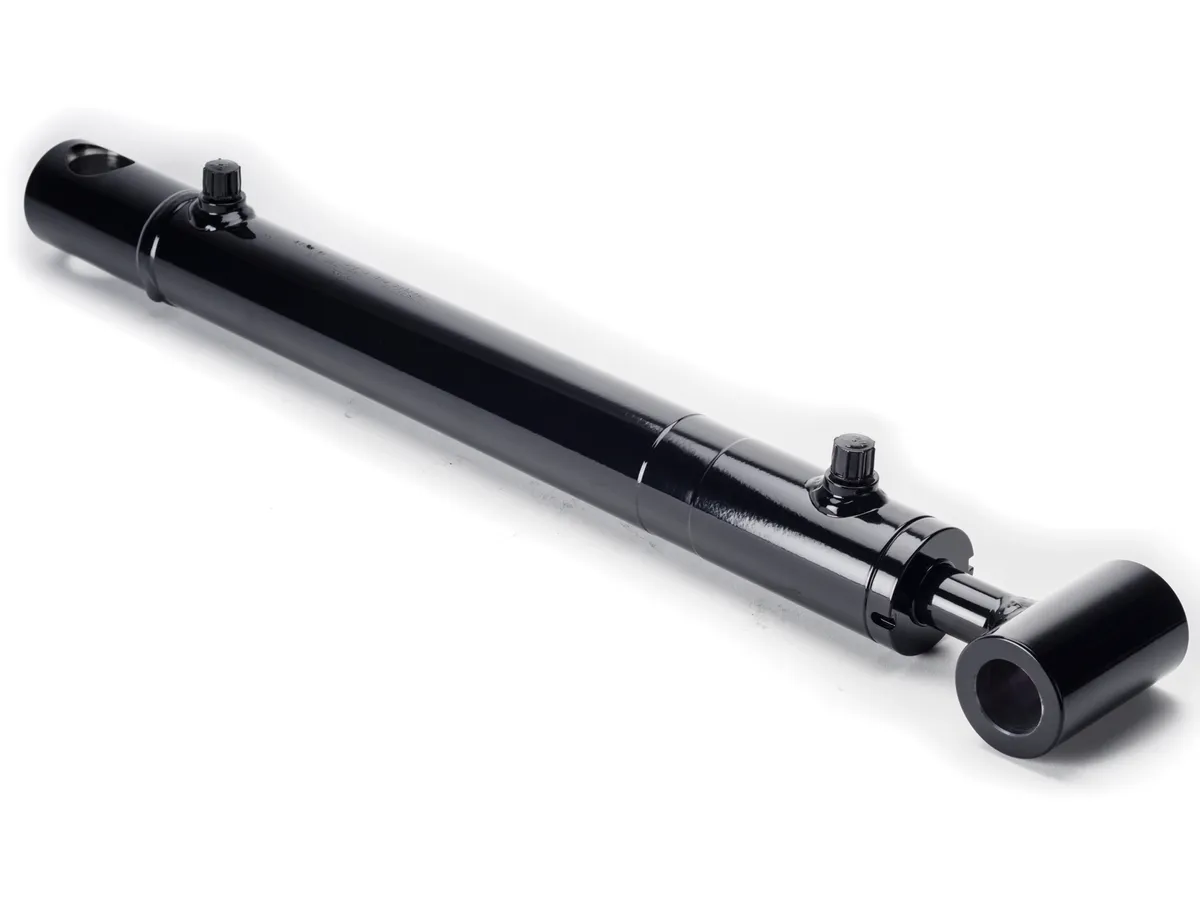
Agricultural hydraulic cylinders are essential components in modern farming equipment, enabling the effective movement of tools, lifting operations, and steering mechanisms. These cylinders play a crucial role in the functionality of agricultural machinery, making various tasks possible.
Working Principle of Hydraulic Cylinders
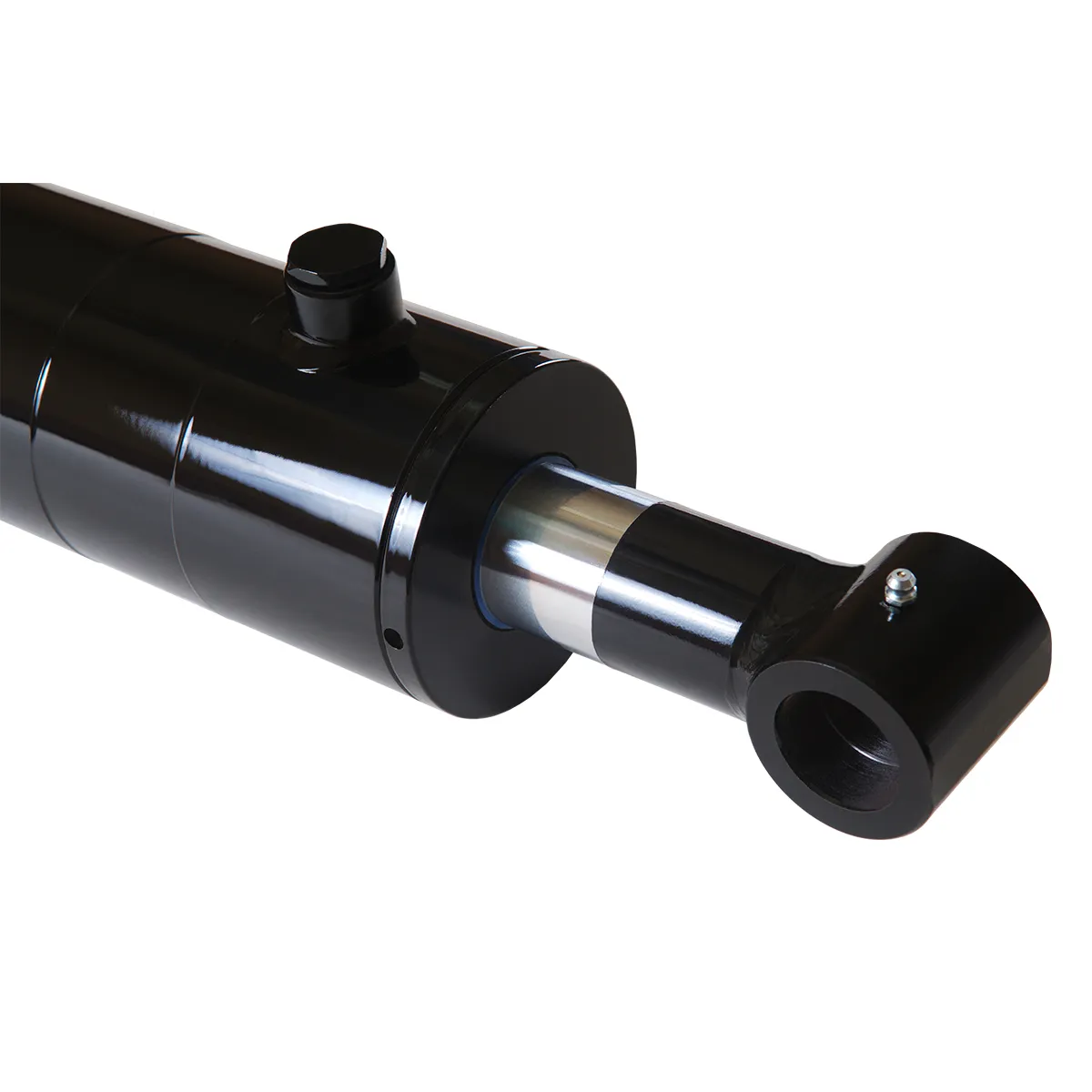
Hydraulic cylinders utilize fluid pressure to generate linear motion. The piston within the cylinder interacts with hydraulic oil, and changes in fluid pressure lead to the extension or contraction of the piston, allowing for movement and control.
Types of Hydraulic Cylinders
- Single Acting Cylinders: Industry example – Dump trucks
- Double Acting Cylinders: Industry example – Tractors
- Telescopic Cylinders: Industry example – Front loaders
- Welded Cylinders: Industry example – Harvesters
Advantages of Hydraulic Cylinders in Agriculture
1. High force output
2. Accurate control and handling of heavy objects
3. Enhanced efficiency and productivity
4. Improved operational flexibility
5. Reduced manual labor and increased precision
Applications of Hydraulic Cylinders in Agriculture
1. Telescopic Cylinders – Used in front loaders for efficient lifting
2. Double Acting Cylinders – Essential in tractors for steering mechanisms
3. Single Acting Cylinders – Found in dump trucks for controlled dumping
4. Welded Cylinders – Utilized in harvesters for precise movements
5. Customized Cylinders – Tailored solutions for specific agricultural needs
Maintaining Hydraulic Cylinders
Regular maintenance of agricultural hydraulic cylinders is crucial to ensure optimal performance and longevity. This includes proper cleaning, lubrication, and wear checks to prevent issues and prolong the life of the equipment.
Safety and Handling Guidelines
When working with hydraulic cylinders, safety is paramount. Proper decompression procedures, locking operations, and the use of safety devices are essential. Personal protective equipment (PPE) and safe work practices must be followed when handling hydraulic fluids.
Common Problems and Solutions
1. Leakage – Check for damaged seals and replace if necessary
2. Cylinder Drift – Adjust hydraulic pressure and inspect for leaks
3. Seal Failure – Replace faulty seals and ensure proper installation
Choosing the Right Hydraulic Cylinder
When selecting agricultural hydraulic cylinders, factors such as load capacity, operating conditions, and compatibility with existing equipment must be considered. Customization options and expert advice can help in making the right choice.
Company Profile
Our company is a leading hydraulic cylinder replacement manufacturer, offering a comprehensive product line to cater to diverse agricultural needs. With international certifications, customized services, advanced production equipment, and dedicated after-sales support, we are committed to delivering high-quality solutions to our customers.
Author: lyl