
Introduction
In the world of modern agriculture, the use of hydraulic cylinders is essential for the efficient operation of farm equipment. These powerful components play a vital role in enabling the effective movement of tools, lifting operations, and steering mechanisms in agricultural machinery.
Basic Working Principle of Hydraulic Cylinder
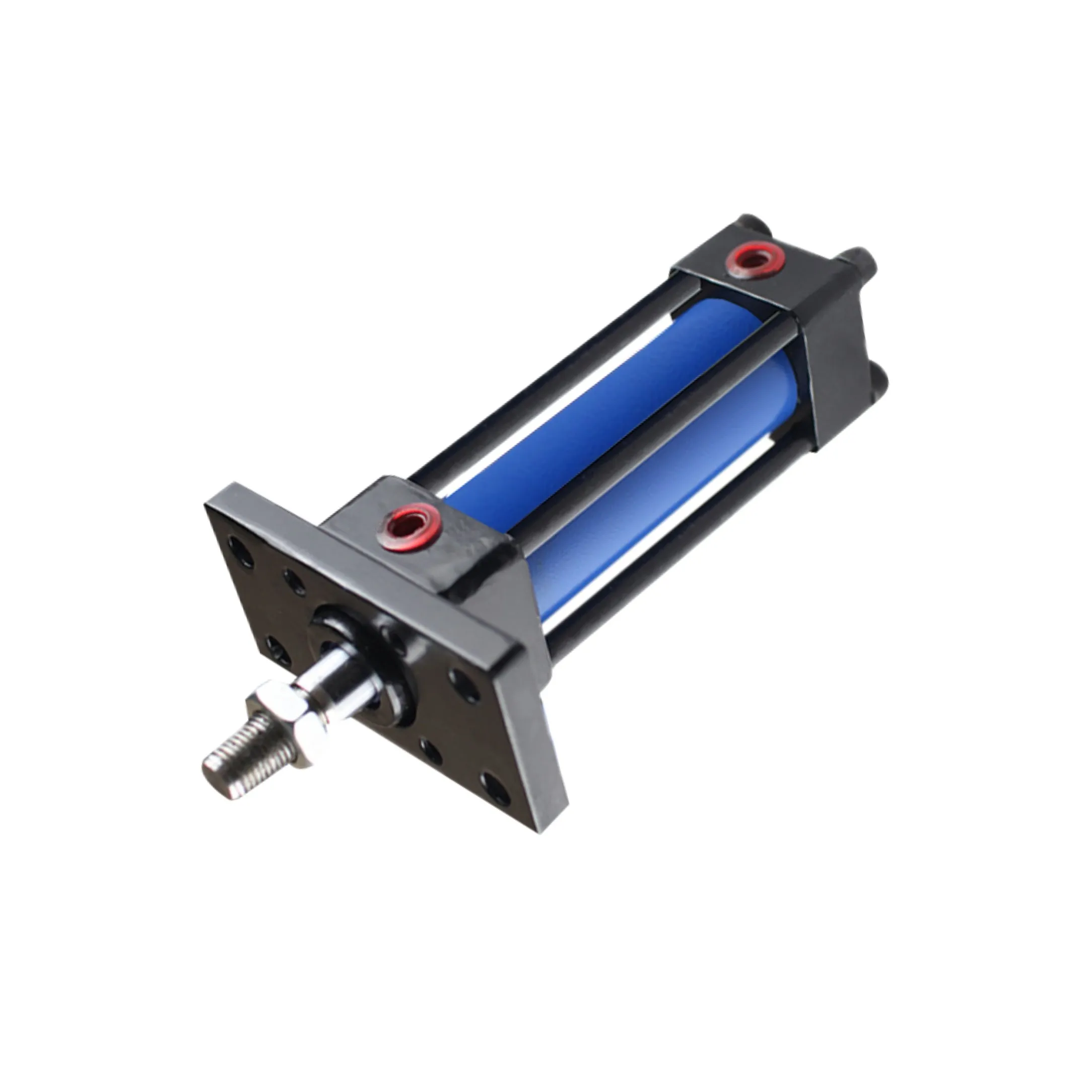
Hydraulic cylinders utilize hydraulic fluid pressure to produce linear motion. The piston, cylinder, and hydraulic oil work together in a closed system where changes in fluid pressure lead to the extension or contraction of the piston.
Types of Agricultural Hydraulic Cylinders
There are various types of hydraulic cylinders used in agriculture, including single acting, double acting, telescopic, and welded cylinders. Each type serves specific purposes and is commonly used in different agricultural equipment.
Advantages of Hydraulic Cylinders in Agriculture
Hydraulic cylinders offer high force output, precise control over heavy objects, and improved efficiency in agricultural operations. They play a crucial role in enhancing productivity and operational flexibility on the farm.
Applications of Hydraulic Cylinders in Agriculture
1. Single Acting Cylinders: Used in applications such as plows and cultivators for soil preparation.
2. Double Acting Cylinders: Commonly found in tractors for lifting and lowering implements.
3. Telescopic Cylinders: Ideal for dump trucks and grain trailers for efficient dumping operations.
4. Welded Cylinders: Used in various agricultural machinery for different hydraulic functions.
Maintenance of Hydraulic Cylinders
Regular maintenance of agricultural hydraulic cylinders is crucial to ensure optimal performance and longevity. Proper care and servicing can prevent costly breakdowns and downtime on the farm.
Safety Guidelines for Working with Hydraulic Cylinders
When handling hydraulic cylinders, it is essential to follow proper decompression procedures, use safety devices, and wear personal protective equipment (PPE) to prevent accidents and injuries.
Maintenance Tasks for Hydraulic Cylinders
1. Cleaning: Remove dirt and debris to prevent contamination of hydraulic fluid.
2. Lubrication: Apply appropriate lubricants to ensure smooth operation of moving parts.
3. Checking Wear: Regularly inspect components for wear and tear to avoid potential failures.
Fault Diagnosis and Common Problems
Common issues such as leakage, cylinder drift, and seal failure can occur in hydraulic cylinders. Proper diagnosis and timely solutions are essential to maintain the functionality of the equipment.
Choosing the Right Agricultural Hydraulic Cylinder
Consider factors such as load capacity, stroke length, operating pressure, and mounting options when selecting a hydraulic cylinder for agricultural equipment. Choose a reliable manufacturer with a proven track record in the industry.
Long-Tail Keywords for Agricultural Hydraulic Cylinder
1. “High-Performance Hydraulic Cylinders for Farm Machinery”: These cylinders offer superior durability and efficiency for agricultural applications.
2. “Customized Hydraulic Cylinder Solutions for Agriculture”: Tailored hydraulic cylinder solutions to meet specific needs on the farm.
3. “Innovative Hydraulic Cylinder Designs for Modern Farming”: Advanced hydraulic cylinder designs that enhance productivity in agriculture.
Our Company
We are a leading hydraulic cylinder replacement manufacturer with a comprehensive product line serving domestic and international markets. Our company prides itself on providing top-quality hydraulic cylinders with custom solutions, backed by professional service and support.

Author: lyl