
The Ultimate Guide to Heavy-Duty Hydraulic Cylinders
Understanding Heavy-Duty Hydraulic Cylinders
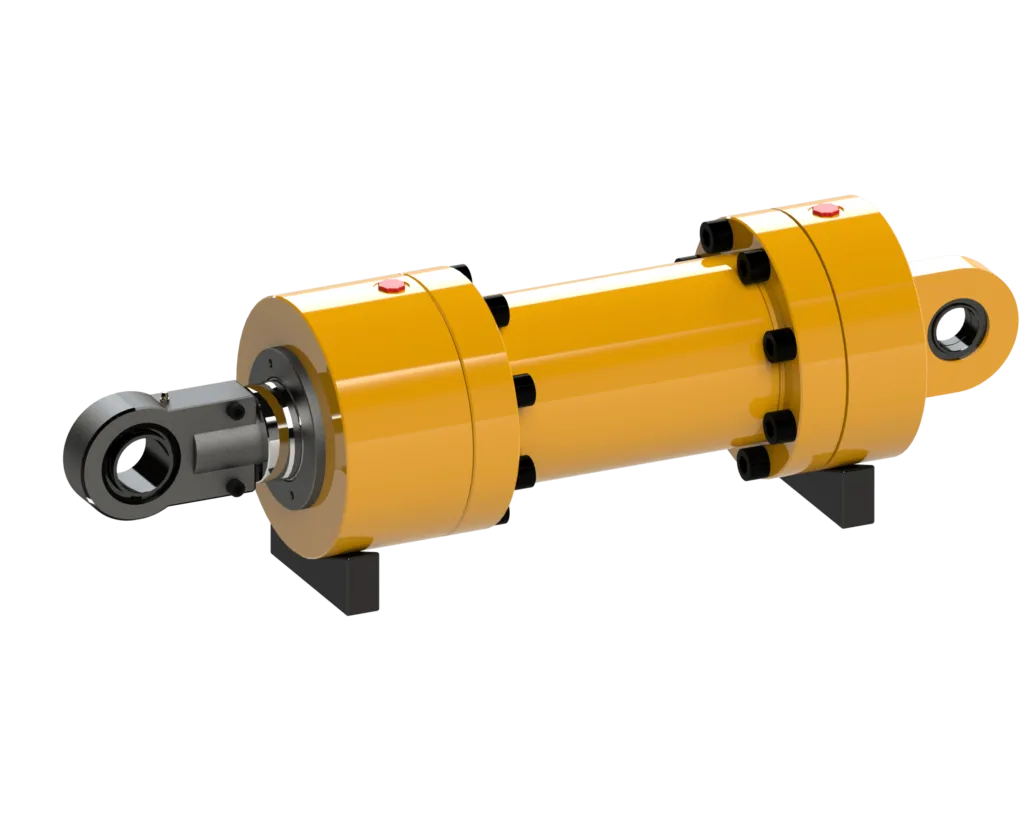
In the world of industrial machinery, heavy-duty hydraulic cylinders play a crucial role in various applications. These cylinders are robust, high-capacity devices that generate powerful linear motion using hydraulic fluid pressure. They are commonly used in industries such as construction, mining, agriculture, and manufacturing.
Composition and Importance
A heavy-duty hydraulic cylinder consists of a cylinder barrel, piston, piston rod, seals, and a hydraulic system. The cylinder barrel houses the piston, which moves back and forth within the cylinder to generate force. Seals ensure that the hydraulic fluid stays contained and prevents leakage. These cylinders are essential for lifting, pushing, pulling, and holding heavy loads in industrial settings.
Application
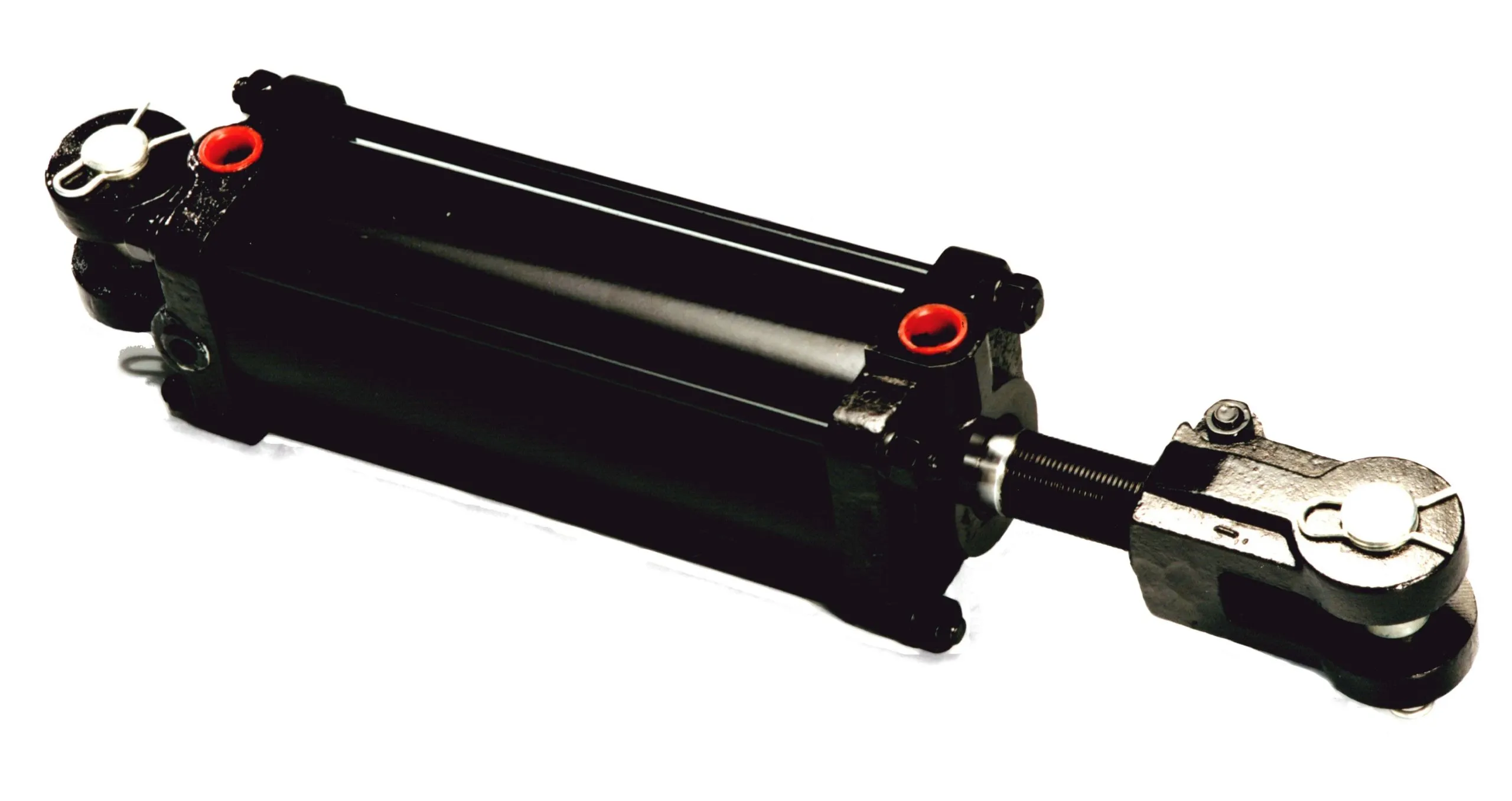
Heavy-duty hydraulic cylinders are widely used in construction equipment, mining machinery, agricultural machinery, and material handling systems. They provide the necessary force to lift heavy objects, operate heavy-duty machinery, and perform precise movements in various industrial processes.
Working Principle and Basic Operation
The working principle of a heavy-duty hydraulic cylinder is based on Pascal’s Law, which states that when pressure is applied to a confined fluid, it is transmitted equally in all directions. When hydraulic fluid is pumped into the cylinder, it pushes against the piston, creating linear motion. The basic operation involves the control of fluid flow and pressure to regulate the movement of the piston.
Types and Configurations
There are several types of heavy-duty hydraulic cylinders, including single-acting cylinders, double-acting cylinders, telescopic cylinders, and differential cylinders. Each type has specific configurations and features that make them suitable for different applications. Single-acting cylinders use hydraulic pressure in one direction, while double-acting cylinders use pressure in both directions.
Advantages of Heavy-Duty Hydraulic Cylinders
- High Load Capacity: Heavy-duty hydraulic cylinders can handle large loads with ease, making them ideal for heavy industrial applications.
- Precision Control: These cylinders offer precise control over movement, allowing for accurate positioning and operation.
- Durability: Built to withstand harsh conditions, heavy-duty hydraulic cylinders are reliable and long-lasting.
- Efficiency: Hydraulic systems are known for their energy efficiency, making heavy-duty cylinders cost-effective over time.
- Versatility: With various types and configurations available, heavy-duty hydraulic cylinders can be adapted to different tasks and industries.
Industries Where Heavy-Duty Hydraulic Cylinders Are Used
Heavy-duty hydraulic cylinders are widely used in industries such as:
- Construction: In cranes, excavators, and bulldozers
- Mining: In drilling rigs, haul trucks, and hydraulic shovels
- Agriculture: In tractors, harvesters, and irrigation systems
- Manufacturing: In presses, injection molding machines, and metalworking equipment
- Material Handling: In forklifts, conveyors, and loading docks
Factors Affecting Performance
Several factors can impact the performance of heavy-duty hydraulic cylinders, including:
- Load Capacity and Maximum Working Pressure
- Piston Diameter and Rod Size Considerations
- Cylinder Stroke Length and Retract Speed
- Seal Selection and Sealing Mechanism
- Operating Temperature Range and Fluid Compatibility
Regular Maintenance and Care
Regular maintenance is essential to ensure the proper functioning of heavy-duty hydraulic cylinders. This includes inspections, lubrication, and seal replacements to prevent leaks and maintain efficiency.
Installation Guide
Proper installation of heavy-duty hydraulic cylinders is crucial for optimal performance. Aligning the cylinder correctly and ensuring parallelism with the load is essential for smooth operation and longevity.
Maintenance Tasks
Common maintenance tasks for heavy-duty hydraulic cylinders include cleaning, lubrication, and checking for wear. Regularly inspecting these components can help prevent breakdowns and extend the life of the cylinders.
Fault Diagnosis and Solutions
If issues arise with heavy-duty hydraulic cylinders, it is important to diagnose the problem quickly and accurately. Common problems include leaks, seal failures, and piston misalignment. Troubleshooting tips and solutions can help resolve these issues effectively.
FAQs
What Are Heavy-Duty Hydraulic Cylinders?
Heavy-duty hydraulic cylinders are powerful devices that use hydraulic pressure to generate linear motion for lifting, pushing, and holding heavy loads in industrial applications.
What Industries Commonly Use Heavy-Duty Hydraulic Cylinders?
Industries such as construction, mining, agriculture, manufacturing, and material handling commonly use heavy-duty hydraulic cylinders for various applications.
What Factors Affect the Performance of Heavy-Duty Hydraulic Cylinders?
Factors such as load capacity, maximum working pressure, piston diameter, rod size, cylinder stroke length, seal selection, and operating temperature can impact the performance of heavy-duty hydraulic cylinders.