

The Ultimate Guide to Heavy-Duty Hydraulic Cylinders
Introduction to Heavy-Duty Hydraulic Cylinders
Heavy-duty hydraulic cylinders are essential components in various industries, providing powerful linear force to move heavy loads with precision and control. These cylinders are designed to withstand high-pressure applications and deliver reliable performance in demanding environments.
Definition and Composition
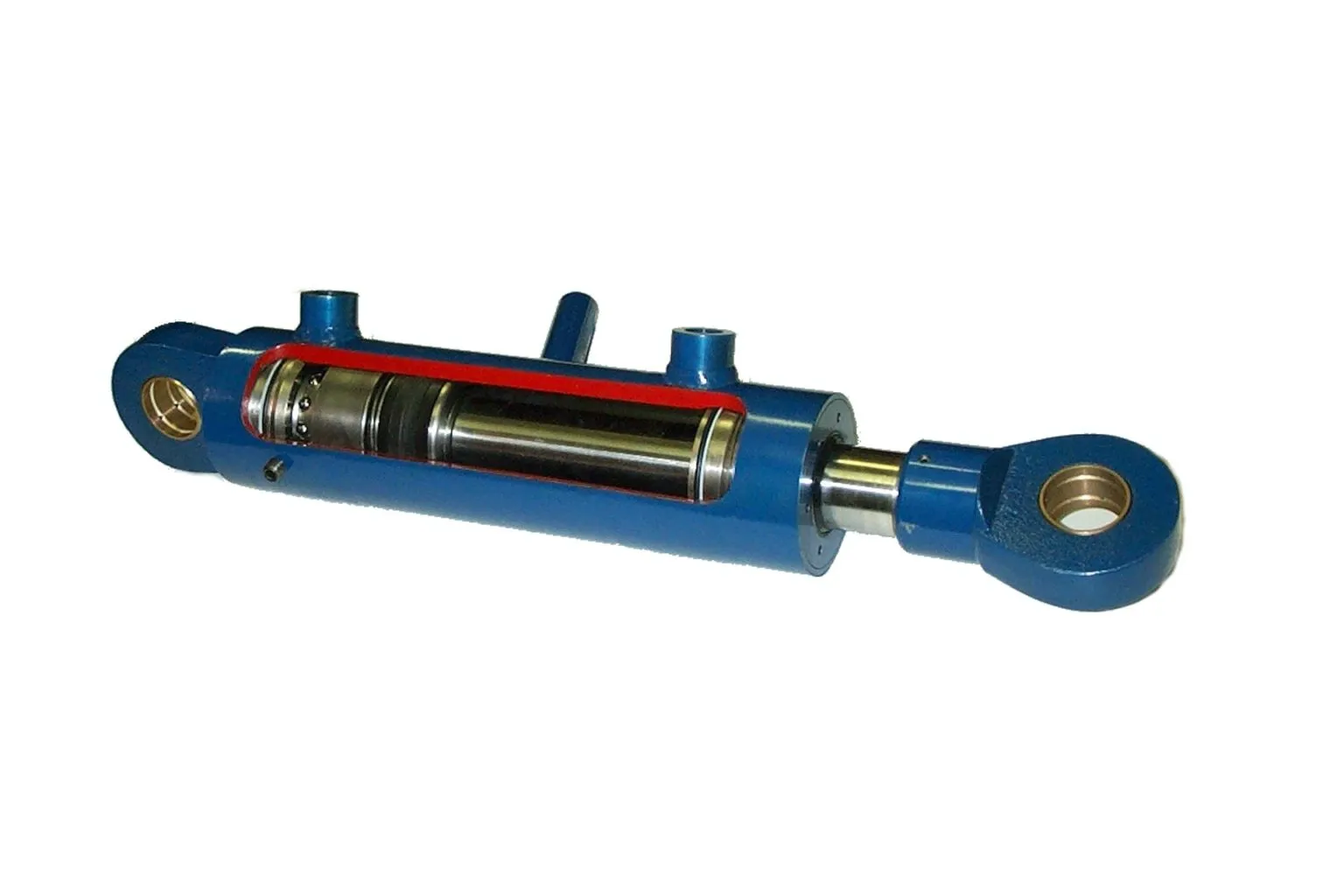
A heavy-duty hydraulic cylinder is a mechanical actuator that utilizes fluid power to generate linear motion. It consists of a cylinder barrel, piston, rod, seals, and hydraulic fluid. The cylinder barrel houses the piston and rod, while the seals prevent fluid leakage and maintain pressure.
Importance and Application
- Heavy-duty hydraulic cylinders are used in industries such as construction, mining, agriculture, marine, and aerospace.
- They play a critical role in lifting, pushing, pulling, and positioning heavy machinery and equipment.
- These cylinders ensure smooth and efficient operation, improving productivity and safety in various applications.
Working Principle and Basic Operation
The working principle of a heavy-duty hydraulic cylinder involves the conversion of fluid pressure into mechanical force to move the piston and rod. When hydraulic fluid is pumped into the cylinder, it creates pressure that pushes the piston, generating linear motion.
Basic Operation
As hydraulic fluid enters the cylinder, it exerts pressure on the piston, causing it to move in the desired direction. The rod attached to the piston extends or retracts, depending on the flow of fluid, allowing the cylinder to perform work efficiently.
Types and Configurations
There are various types and configurations of heavy-duty hydraulic cylinders available to suit different applications and requirements.
Single-Acting Cylinder
A single-acting cylinder uses hydraulic pressure to extend the piston, while an external force, such as a spring or gravity, retracts it. This type is commonly used in applications where a load needs to be lifted or pushed in one direction.
Double-Acting Cylinder
A double-acting cylinder uses hydraulic pressure to extend and retract the piston, providing bi-directional movement. This type is ideal for applications that require precise control over both extension and retraction movements.
Advantages of Heavy-Duty Hydraulic Cylinders
Heavy-duty hydraulic cylinders offer several advantages that make them indispensable in various industries.
High Load Capacity
These cylinders can handle heavy loads with ease, providing reliable performance under extreme conditions.
Precision Control
They offer precise control over movement and positioning, ensuring accurate operation in critical applications.
Durable Construction
Heavy-duty hydraulic cylinders are built to last, with robust materials and design features that withstand harsh environments.
Efficient Power Transmission
They efficiently convert hydraulic energy into mechanical force, delivering high performance and productivity.
Low Maintenance Requirements
With proper care and maintenance, heavy-duty hydraulic cylinders have a long service life and minimal downtime.
Industries Where Heavy-Duty Hydraulic Cylinders Are Widely Used
Heavy-duty hydraulic cylinders find applications in a wide range of industries, including:
Construction
In construction, these cylinders are used in cranes, excavators, and bulldozers to lift and move heavy materials with precision.
Mining
The mining industry relies on heavy-duty hydraulic cylinders for rock drilling, ore extraction, and material handling in challenging underground environments.
Agriculture
Agricultural machinery such as tractors, harvesters, and plows utilize hydraulic cylinders for tasks like plowing, seeding, and harvesting crops efficiently.
Marine
Marine applications require hydraulic cylinders for steering systems, winches, and lifting mechanisms on ships, boats, and offshore platforms.
Aerospace
In the aerospace industry, heavy-duty hydraulic cylinders are used in aircraft landing gear, flight control systems, and cargo handling equipment for safe and reliable operation.
Factors Affecting Performance of Heavy-Duty Hydraulic Cylinders
Several factors can impact the performance of heavy-duty hydraulic cylinders, including:
Load Capacity and Maximum Working Pressure
The ability of a cylinder to handle heavy loads and operate within specified pressure limits is crucial for optimal performance and safety.
Piston Diameter and Rod Size
The size and diameter of the piston and rod determine the force output and speed of the cylinder, affecting its efficiency and effectiveness.
Cylinder Stroke Length and Retract Speed
The stroke length and retract speed of the cylinder influence its range of motion and responsiveness, critical for precise control and operation.
Seal Selection and Sealing Mechanism
The type of seals used in the cylinder and their sealing mechanism impact the efficiency, durability, and leakage prevention of the system.
Operating Temperature Range and Fluid Compatibility
The operating temperature range and compatibility of hydraulic fluid with the cylinder materials are essential for reliable performance in varying environmental conditions.
Importance of Regular Maintenance and Care
Regular maintenance and care are essential for ensuring the longevity and performance of heavy-duty hydraulic cylinders.
Significance of Maintenance
Proper maintenance practices help prevent premature wear, leakage, and breakdowns, prolonging the service life and efficiency of the cylinders.
Inspection and Preventive Maintenance
Regular inspection, lubrication, and seal replacement are key preventive measures that minimize downtime and costly repairs, ensuring optimal cylinder performance.
Correct Installation Guide for Heavy-Duty Hydraulic Cylinders
Proper installation of heavy-duty hydraulic cylinders is crucial for their optimal performance and longevity.
Installation Technique
Follow manufacturer guidelines for installation, ensuring proper alignment, parallelism, and mounting to prevent misalignment and premature wear.
Maintenance Tasks
- Cleaning: Regularly clean the cylinder and components to remove dirt, debris, and contaminants that can affect performance.
- Lubrication: Apply appropriate lubricants to moving parts to reduce friction and wear, enhancing the efficiency and lifespan of the cylinder.
- Checking Wear: Inspect seals, rods, and other components for signs of wear or damage, replacing them as needed to prevent leaks and malfunctions.
Fault Diagnosis and Common Problems
Identifying and addressing common faults and problems in heavy-duty hydraulic cylinders is essential for maintaining their performance and reliability.
Fault Diagnosis
Common issues such as leakage, slow movement, erratic operation, and abnormal noises can indicate underlying problems that require prompt diagnosis and resolution.
Troubleshooting Tips and Solutions
Implementing troubleshooting techniques like seal replacement, fluid change, and system flushing can help resolve common problems and restore the cylinder’s functionality.
FAQs About Heavy-Duty Hydraulic Cylinders
What are heavy-duty hydraulic cylinders?
Heavy-duty hydraulic cylinders are mechanical actuators that use fluid power to generate linear motion for lifting, pushing, and pulling heavy loads in various industries.
What industries commonly use heavy-duty hydraulic cylinders?
Construction, mining, agriculture, marine, and aerospace industries commonly rely on heavy-duty hydraulic cylinders for their powerful performance and precise control in critical applications.
What factors affect the performance of heavy-duty hydraulic cylinders?
Factors such as load capacity, maximum working pressure, piston diameter, rod size, cylinder stroke length, seal selection, operating temperature range, and fluid compatibility can impact the efficiency and effectiveness of heavy-duty hydraulic cylinders.