
The Ultimate Guide to Heavy-Duty Hydraulic Cylinders
Understanding Heavy-Duty Hydraulic Cylinders
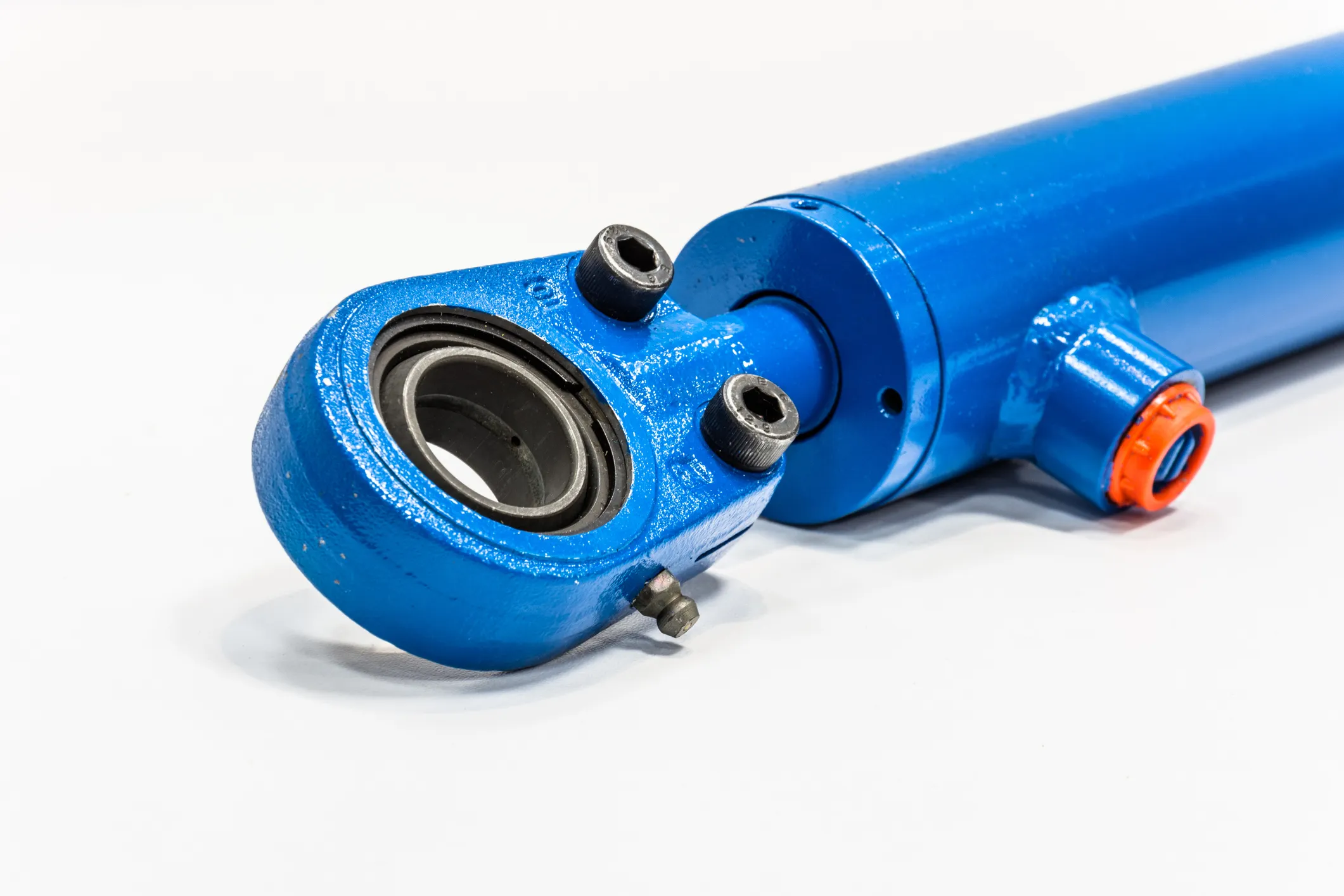
Heavy-duty hydraulic cylinders are powerful mechanical devices used to create linear force and motion through the use of hydraulic fluid. These cylinders are commonly found in various industrial applications where heavy lifting and precise control are required.
Definition and Composition
A heavy-duty hydraulic cylinder is a type of actuator that converts hydraulic energy into mechanical force. It consists of a cylindrical barrel, piston, rod, seals, and hydraulic fluid. These components work together to generate linear motion under high pressure.
Importance and Application
Heavy-duty hydraulic cylinders play a crucial role in industries such as construction, mining, agriculture, and manufacturing. They are used in equipment like cranes, excavators, bulldozers, and presses to perform tasks that require strong and reliable force application.
Working Principle and Basic Operation
The working principle of a heavy-duty hydraulic cylinder is based on Pascal’s law, which states that pressure applied to a confined fluid is transmitted equally in all directions. When hydraulic fluid is pumped into the cylinder, it pushes the piston, creating linear motion.
Key Components and Operation
The basic operation of a heavy-duty hydraulic cylinder involves the movement of the piston within the cylinder barrel. As hydraulic fluid enters the cylinder, it applies pressure to the piston, causing it to extend or retract. This motion is controlled by valves and other hydraulic components.
Types and Configurations
There are several types of heavy-duty hydraulic cylinders available, including single-acting, double-acting, telescopic, and welded cylinders. Each type has unique features and applications depending on the specific requirements of the equipment.
Single-Acting Cylinders
Single-acting cylinders use hydraulic pressure to extend the piston, with an external force retracting it. They are commonly used in applications where a spring or external load provides the return force.
Double-Acting Cylinders
Double-acting cylinders use hydraulic pressure to extend and retract the piston, providing more control over the linear motion. They are versatile and suitable for applications requiring precise positioning.
Advantages of Heavy-Duty Hydraulic Cylinders
Heavy-duty hydraulic cylinders offer several advantages, including high force output, precise control, durability, versatility, and ease of maintenance. These features make them indispensable in industries that rely on efficient hydraulic systems.
High Force Output
Heavy-duty hydraulic cylinders can generate immense force, making them ideal for lifting heavy loads and performing demanding tasks with ease.
Precise Control
With the ability to regulate hydraulic pressure and flow, heavy-duty hydraulic cylinders provide accurate and repeatable motion control for intricate operations.
Industries Using Heavy-Duty Hydraulic Cylinders
Heavy-duty hydraulic cylinders find widespread use in industries such as construction, mining, agriculture, marine, and material handling. For example, in construction, they are used in cranes and excavators for lifting and moving heavy materials.
Construction Industry
In the construction industry, heavy-duty hydraulic cylinders are essential components in equipment like dump trucks, hydraulic presses, and concrete mixers, where precise force application is critical for efficient operations.
Factors Affecting Performance
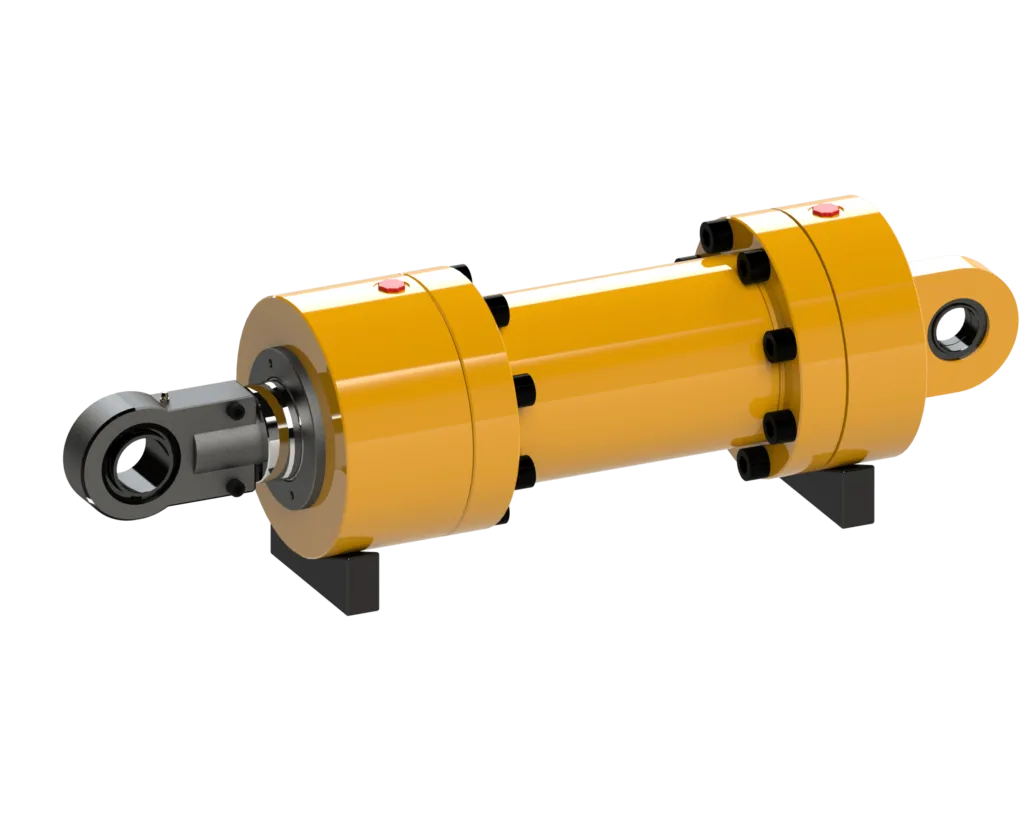
Several factors can impact the performance of heavy-duty hydraulic cylinders, including load capacity, maximum working pressure, piston diameter, rod size, cylinder stroke length, retract speed, seal selection, sealing mechanism, operating temperature range, and fluid compatibility.
Load Capacity and Maximum Working Pressure
The load capacity and maximum working pressure of a hydraulic cylinder determine its ability to handle heavy loads and operate safely under different conditions. Properly sizing these components is crucial for optimal performance.
Maintenance and Care
Regular maintenance and care of heavy-duty hydraulic cylinders are essential to ensure their longevity and performance. By following recommended inspection and preventive maintenance measures, users can prevent costly downtime and equipment failure.
Regular Inspection and Preventive Maintenance
To maintain heavy-duty hydraulic cylinders, it is important to conduct regular visual inspections, check for leaks, monitor fluid levels, lubricate moving parts, and replace worn seals or components as needed. Preventive maintenance helps identify potential issues before they escalate.
Installation Guide
Proper installation of heavy-duty hydraulic cylinders is crucial for optimal performance and safety. Correct alignment, parallelism, and mounting techniques are essential to ensure reliable operation and prevent premature wear or damage.
Correct Cylinder Installation Technique
When installing a heavy-duty hydraulic cylinder, ensure proper alignment with the equipment, secure mounting brackets, and align the piston rod parallel to the load direction. This alignment minimizes stress and ensures efficient force transmission.
Maintenance Tasks
Common maintenance tasks for heavy-duty hydraulic cylinders include cleaning, lubrication, and checking for wear. These routine tasks help maintain optimal performance and extend the service life of the equipment.
Cleaning
Regularly clean the hydraulic cylinder and surrounding components to remove dirt, debris, and contaminants that can cause premature wear or damage. Use recommended cleaning agents and methods to ensure proper maintenance.
Fault Diagnosis and Solutions
Diagnosing common problems with heavy-duty hydraulic cylinders requires an understanding of potential faults and troubleshooting techniques. By identifying issues early and implementing effective solutions, users can minimize downtime and maximize operational efficiency.
Troubleshooting Tips and Solutions
When facing issues with heavy-duty hydraulic cylinders, check for leaks, inspect seals, valves, and hydraulic lines, monitor fluid levels, and verify system pressure and flow rates. Implement preventive measures to address recurring problems and maintain system reliability.
Frequently Asked Questions
Here are answers to three common questions about heavy-duty hydraulic cylinders:
What are Heavy-Duty Hydraulic Cylinders?
Heavy-duty hydraulic cylinders are mechanical devices that use hydraulic fluid to generate linear force and motion for lifting, pushing, or pulling heavy loads in various industrial applications.
What Industries Commonly Use Heavy-Duty Hydraulic Cylinders?
Industries such as construction, mining, agriculture, marine, and material handling extensively use heavy-duty hydraulic cylinders in equipment like cranes, excavators, bulldozers, and presses for efficient force application.
What Factors Affect the Performance of Heavy-Duty Hydraulic Cylinders?
Factors such as load capacity, maximum working pressure, piston diameter, rod size, cylinder stroke length, retract speed, seal selection, sealing mechanism, operating temperature range, and fluid compatibility can impact the performance and efficiency of heavy-duty hydraulic cylinders.