
The Ultimate Guide to Heavy-Duty Hydraulic Cylinders
Introduction to Heavy-Duty Hydraulic Cylinders
Heavy-duty hydraulic cylinders are essential components in various industries, providing powerful linear motion with high force capabilities. These cylinders are designed to withstand extreme conditions and heavy loads, making them ideal for demanding applications.
Definition and Composition
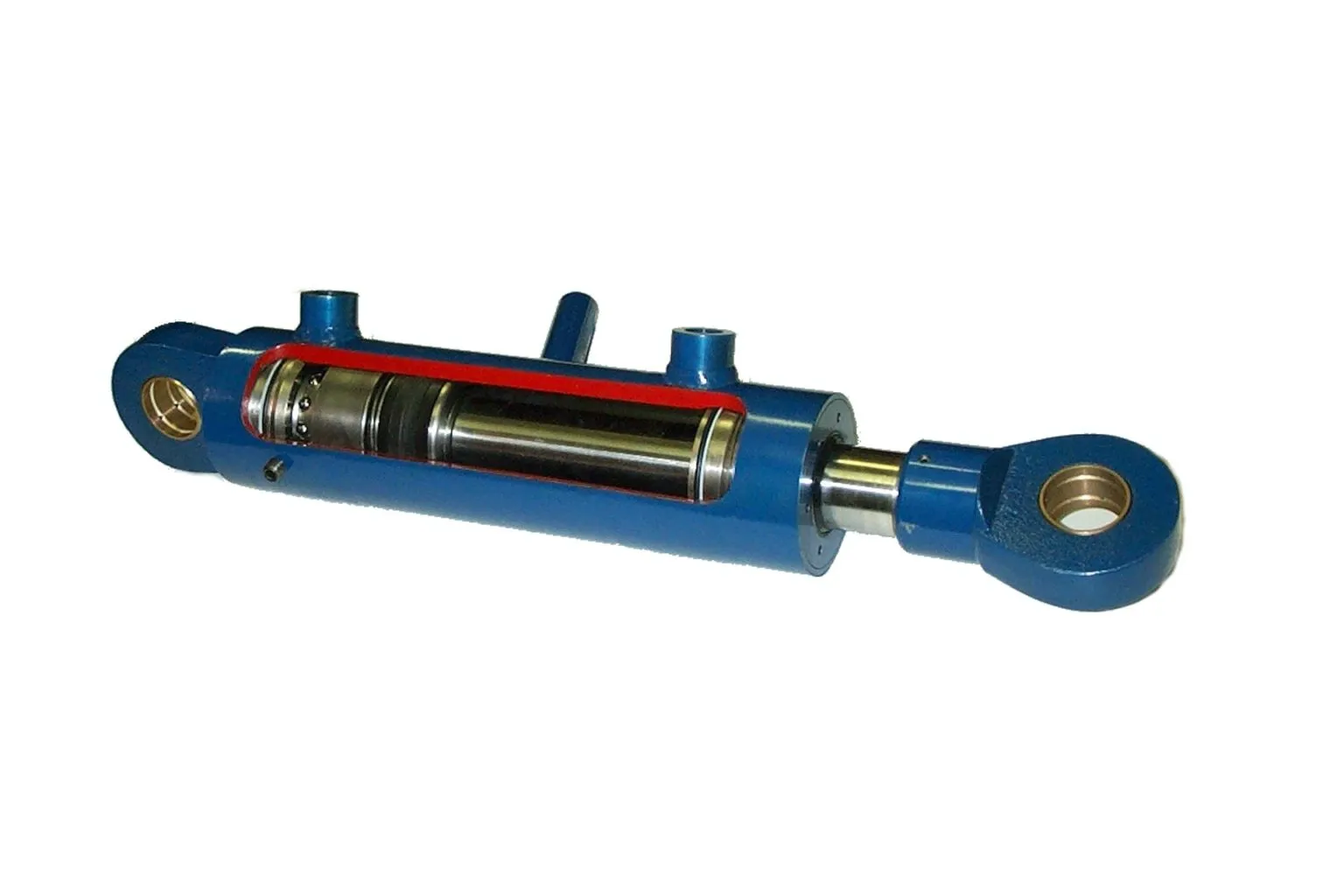
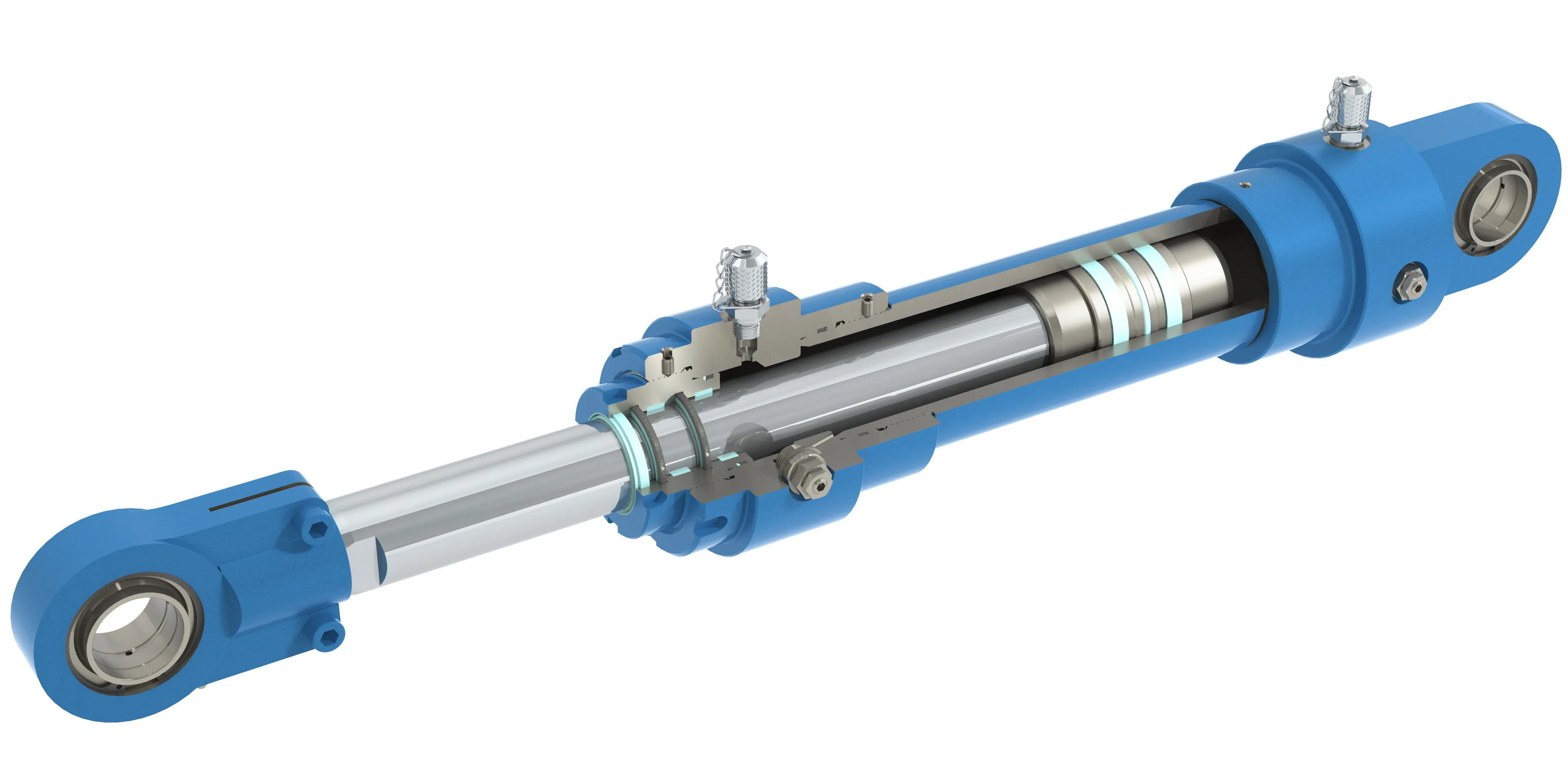
A heavy-duty hydraulic cylinder is a mechanical actuator that utilizes pressurized hydraulic fluid to produce linear motion. It consists of a cylinder barrel, piston, rod, seals, and hydraulic fluid. These components work together to convert fluid power into mechanical force.
Importance and Applications
Heavy-duty hydraulic cylinders are used in industries such as construction, mining, agriculture, and oil and gas. They play a crucial role in heavy machinery, providing the necessary force for lifting, pushing, and pulling operations.
Working Principle and Basic Operation
The working principle of a heavy-duty hydraulic cylinder involves the application of hydraulic pressure to the piston, which moves linearly inside the cylinder. This motion is transferred to the rod, creating the desired mechanical force. Basic operation includes extension, retraction, and holding positions.
Types and Configurations
There are various types of heavy-duty hydraulic cylinders, including single-acting, double-acting, telescopic, and tie-rod cylinders. Each type has unique features and capabilities to suit different applications. Configurations vary in bore size, stroke length, and mounting options.
Advantages of Heavy-Duty Hydraulic Cylinders
- High force output for heavy-duty applications
- Precision control for accurate positioning
- Durable construction for long-term reliability
- Efficient energy conversion for cost savings
- Versatile design for diverse industrial needs
Industries Using Heavy-Duty Hydraulic Cylinders
1. Construction: Heavy-duty cylinders are used in cranes, excavators, and bulldozers for lifting and pushing tasks.
2. Mining: These cylinders power equipment such as rock crushers and hydraulic shovels in mining operations.
3. Agriculture: Tractors and agricultural machinery rely on hydraulic cylinders for steering and lifting functions.
4. Oil and Gas: Offshore platforms and drilling rigs utilize heavy-duty cylinders for various operations.
5. Manufacturing: Industrial machinery and presses use hydraulic cylinders for forming and shaping processes.
Factors Affecting Performance
1. Load Capacity and Maximum Working Pressure: Properly matching the cylinder’s capacity to the application is crucial for optimal performance.
2. Piston Diameter and Rod Size Considerations: The size of these components affects the cylinder’s force output and speed.
3. Cylinder Stroke Length and Retract Speed: Adjusting these parameters can enhance efficiency and productivity.
4. Seal Selection and Sealing Mechanism: Choosing the right seals is essential for preventing leaks and maintaining performance.
5. Operating Temperature Range and Fluid Compatibility: Extreme temperatures and incompatible fluids can affect the cylinder’s operation and longevity.
Maintenance and Care
Regular maintenance is essential for maximizing the lifespan and performance of heavy-duty hydraulic cylinders. Proper care includes cleaning, lubrication, and inspection to prevent premature wear and malfunctions.
Installation Guide
Correct installation of heavy-duty hydraulic cylinders is crucial for ensuring optimal performance and safety. Proper alignment, parallelism, and mounting are key factors to consider for reliable operation.
Maintenance Tasks
- Cleaning: Remove dirt and debris to prevent contamination and ensure smooth operation.
- Lubrication: Apply the appropriate lubricant to reduce friction and extend component life.
- Checking Wear: Regularly inspect components for signs of wear and replace as needed to prevent failure.
Fault Diagnosis and Solutions
Common problems with heavy-duty hydraulic cylinders include leaks, insufficient force output, and erratic operation. Proper diagnosis and troubleshooting techniques can help identify and resolve issues effectively.
FAQs
1. What are heavy-duty hydraulic cylinders?
Heavy-duty hydraulic cylinders are mechanical actuators that use hydraulic fluid to generate linear motion with high force capabilities. They are essential components in various industries for lifting, pushing, and pulling applications.
2. What industries commonly use heavy-duty hydraulic cylinders?
Construction, mining, agriculture, oil and gas, and manufacturing industries are among the sectors that extensively use heavy-duty hydraulic cylinders in their equipment and machinery for crucial operations.
3. What factors affect the performance of heavy-duty hydraulic cylinders?
Load capacity, maximum working pressure, piston diameter, rod size, cylinder stroke length, seal selection, operating temperature range, and fluid compatibility are key factors that can impact the performance and efficiency of heavy-duty hydraulic cylinders.