
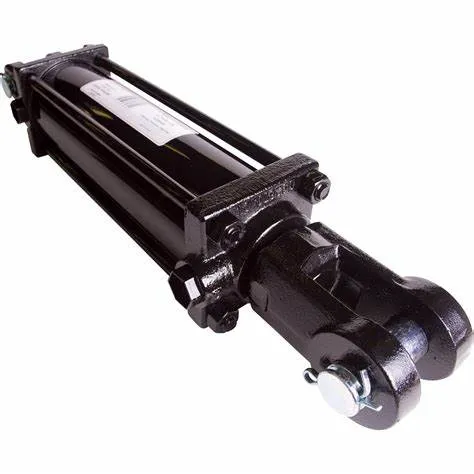
The Ultimate Guide to Telescopic Hydraulic Cylinders
Introduction to Telescopic Hydraulic Cylinders
Telescopic hydraulic cylinders play a crucial role in various industries, providing enhanced reliability and efficiency to hydraulic systems. These cylinders consist of multiple stages that allow for an extended range of motion, making them ideal for applications requiring both compact size and versatility.
Working Principle of Telescopic Hydraulic Cylinders
Heavy-duty hydraulic cylinders work by utilizing hydraulic pressure to move the piston within the cylinder. As fluid is pumped into the cylinder, the piston extends, and as fluid is released, the piston retracts. This stretching and contracting action is essential for the operation of hydraulic systems.
Types and Configurations of Telescopic Hydraulic Cylinders
There are various types of telescopic hydraulic cylinders available, including single-acting, double-acting, and plunger cylinders. Each type offers specific advantages and is designed for different applications, ranging from construction machinery to material handling equipment.
Advantages of Telescopic Hydraulic Cylinders
- Increased lifting capacity
- Extended range of motion
- Compact size for tight spaces
- Versatility in application
Applications of Telescopic Hydraulic Cylinders
Telescopic hydraulic cylinders are widely used in industries such as construction machinery, dump trucks, aerial work platforms, and material handling equipment. Their reliability and performance make them essential components in various applications, ensuring seamless operation and efficiency.
Design and Structure of Telescopic Hydraulic Cylinders
The typical design of a telescopic hydraulic cylinder includes components such as drums, rods, seals, and hydraulic fluids. Each component plays a vital role in the functionality and durability of the cylinder, ensuring smooth operation and minimal maintenance requirements.
Selection and Maintenance of Telescopic Hydraulic Cylinders
When selecting a telescopic hydraulic cylinder for a specific application, factors such as load capacity, stroke length, retraction length, and operating conditions should be considered. Regular maintenance and care are also crucial to ensure optimal performance and longevity of the cylinder.
Installation and Maintenance Guide
Proper installation of a telescopic hydraulic cylinder is key to its performance and reliability. Regular maintenance tasks such as cleaning, lubrication, and wear checks should be carried out to prevent issues and ensure smooth operation.
Fault Diagnosis and Troubleshooting
In the event of common problems such as leaks, uneven extension, or cylinder misalignment, troubleshooting tips and solutions should be implemented to address the issue promptly. Preventive measures can help minimize potential problems and maintain system reliability.
FAQs About Telescopic Hydraulic Cylinders
- What is the primary function of telescopic hydraulic cylinders?
- Which industries commonly use telescopic hydraulic cylinders?
- How do telescopic hydraulic cylinders work?
- What are the benefits of using telescopic hydraulic cylinders?
- What factors should be considered when selecting telescopic hydraulic cylinders for specific applications?

Long Tail Keywords for Telescopic Hydraulic Cylinders
Three long tail keywords for telescopic hydraulic cylinders include “high-performance hydraulic cylinders,” “customized hydraulic solutions,” and “reliable hydraulic system components.” Each keyword emphasizes the quality and functionality of telescopic hydraulic cylinders.
Our Company: Your Hydraulic Cylinder Solution
We are a leading hydraulic cylinder replacement manufacturer with a comprehensive product line tailored to meet the needs of various industries. Our commitment to quality, international certifications, customized services, state-of-the-art production equipment, and dedicated after-sales support make us a trusted partner for hydraulic system reliability enhancement.
Author: lyl