
The Significance of Hydraulic Cylinder Tie Rods
Understanding Tie-Rod Hydraulic Cylinders
Hydraulic cylinder tie rods are essential components in hydraulic systems that play a crucial role in generating linear motion. These tie rods are used to provide structural support and stability to hydraulic cylinders, ensuring smooth and efficient operation.
Structure and Function
The tie-rod hydraulic cylinder consists of a cylinder barrel, piston, tie rods, and seals. The cylinder barrel houses the piston, which divides the cylinder into two chambers. The tie rods secure the end caps to the cylinder barrel, maintaining alignment and preventing deflection during operation.
Importance and Application
Tie-rod hydraulic cylinders are widely used in various industries such as industrial machinery, construction equipment, farm tools, and material handling systems. They are crucial for applications that require precise and controlled linear motion, providing high load capacity and durability.
Design and Construction of Tie-Rod Hydraulic Cylinders
The design of tie-rod hydraulic cylinders involves various components working together to ensure optimal performance. The cylinder barrel houses the piston, which moves back and forth to create linear motion. The tie rods secure the end caps to the cylinder barrel, providing structural support.
Components and Roles
The cylinder barrel contains the hydraulic fluid, while the piston divides the cylinder into two chambers. The tie rods maintain the alignment of the cylinder components, ensuring smooth operation. Each component plays a critical role in the overall functionality of the hydraulic cylinder.
Working Principle of Tie-Rod Hydraulic Cylinders
Tie-rod hydraulic cylinders operate based on the principles of hydraulic fluid dynamics. When hydraulic fluid is pressurized, it exerts force on the piston, causing it to move. This linear motion is converted into mechanical work, allowing the cylinder to perform various tasks efficiently.
Pressure, Flow, and Control Mechanisms
The pressure of the hydraulic fluid determines the force exerted on the piston, while the flow rate controls the speed of movement. Control mechanisms such as valves and pumps regulate the flow of hydraulic fluid, allowing for precise control of the cylinder operation.
Types and Configurations of Tie-Rod Hydraulic Cylinders
There are various types of tie-rod hydraulic cylinders available, each designed for specific applications. Compact design, high load capacity, durability, and cost-effectiveness are some of the advantages of using tie-rod hydraulic cylinders.
Advantages of Tie-Rod Hydraulic Cylinders
1. Compact Design: Tie-rod hydraulic cylinders are space-efficient and can be easily integrated into different systems.
2. High Load Capacity: These cylinders can withstand heavy loads and provide reliable performance.
3. Durability: Tie-rod hydraulic cylinders are built to last, ensuring long-term functionality.
4. Cost-Effectiveness: The initial investment in tie-rod hydraulic cylinders pays off in terms of performance and longevity.
5. Application Versatility: These cylinders can be used in a wide range of industries, making them highly versatile.
Applications of Tie-Rod Hydraulic Cylinders
Tie-rod hydraulic cylinders are widely used in industrial machinery, construction equipment, farm tools, and material handling systems. These cylinders are essential for tasks that require precise and controlled linear motion, providing efficient operation and reliable performance.
Specific Application Considerations
When selecting tie-rod hydraulic cylinders for a specific application, factors such as load requirements, stroke length, operating pressure, and installation options must be considered. These considerations ensure that the cylinders meet the performance and safety requirements of the application.
Maintenance and Care of Tie-Rod Hydraulic Cylinders
Regular maintenance and care of tie-rod hydraulic cylinders are crucial for ensuring optimal performance and longevity. By conducting regular inspections and implementing preventive maintenance measures, potential issues can be identified and addressed before they escalate.
Maintenance Procedures
1. Regular Inspection: Inspect the cylinders for signs of wear, leaks, or damage.
2. Proper Lubrication: Ensure that all moving parts are properly lubricated to prevent friction and wear.
3. Seal Replacement: Replace worn or damaged seals to maintain the integrity of the hydraulic system.
4. Calibration Inspection: Periodically calibrate the cylinders to ensure accurate performance and operation.
Installation Guide for Tie-Rod Hydraulic Cylinders
Proper installation of tie-rod hydraulic cylinders is essential for ensuring optimal performance and safety. By following the manufacturer’s guidelines and using the correct installation techniques, the cylinders can be integrated seamlessly into the hydraulic system.
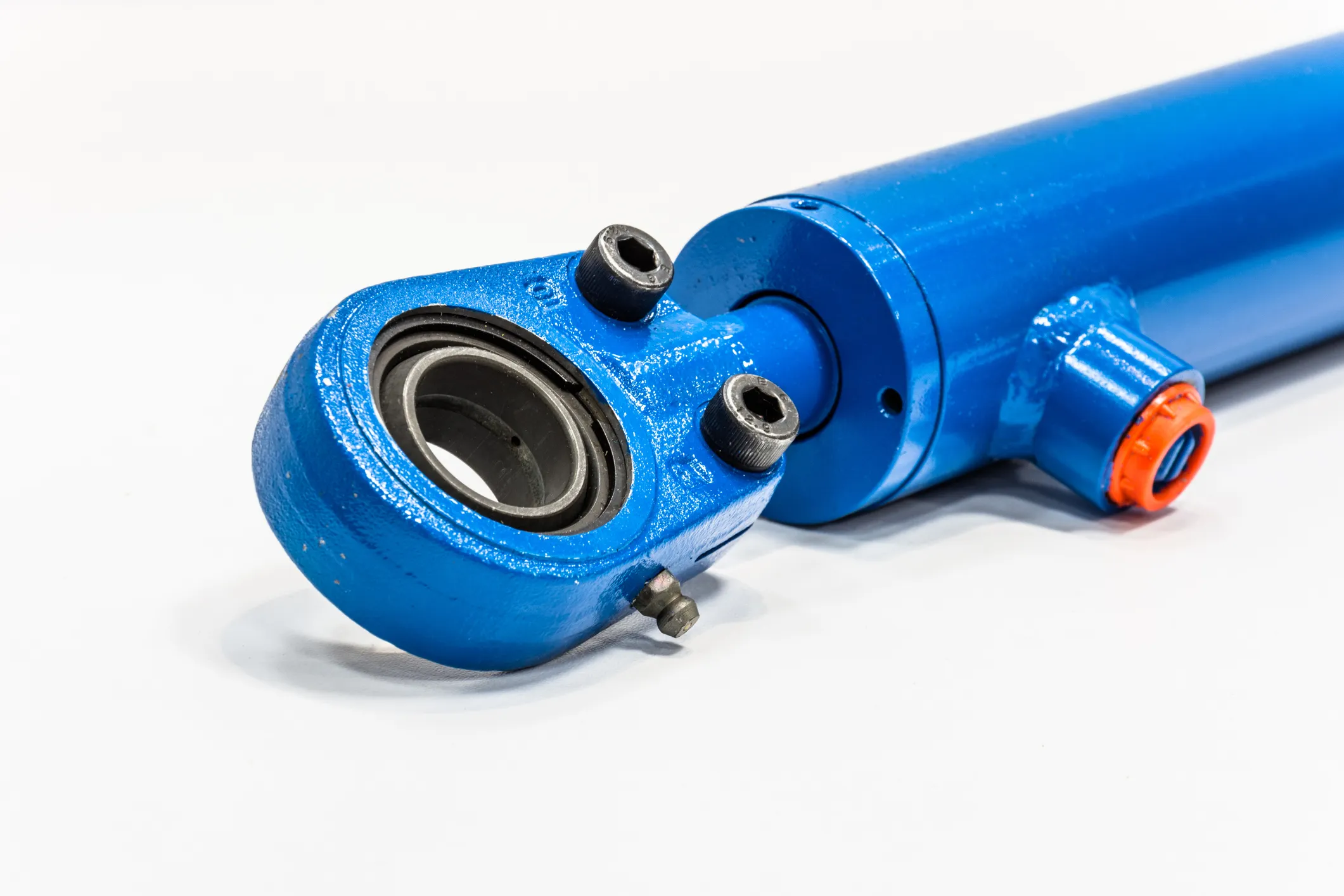
Maintenance Tasks
1. Regular Inspection: Inspect the cylinders for signs of wear, leaks, or damage.
2. Proper Lubrication: Ensure that all moving parts are properly lubricated to prevent friction and wear.
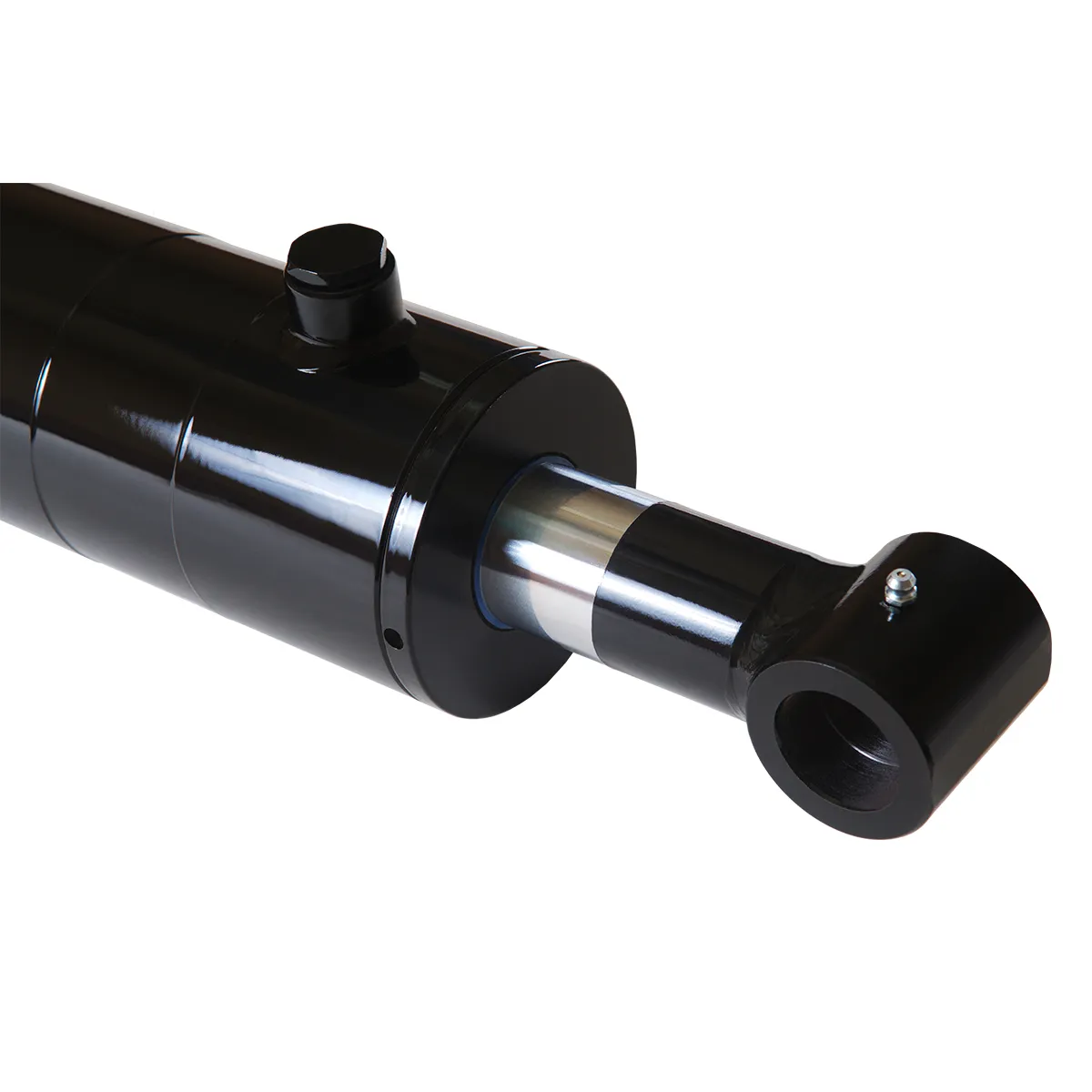
3. Seal Replacement: Replace worn or damaged seals to maintain the integrity of the hydraulic system.
Fault Diagnosis and Troubleshooting
In the event of faults or issues with tie-rod hydraulic cylinders, it is essential to diagnose the problem accurately and implement effective solutions. Common problems such as leaks, uneven extension, or cylinder misalignment can be addressed through troubleshooting tips and preventive measures.
Troubleshooting Tips
1. Leaks: Check for leaks in the hydraulic system and replace damaged seals or components.
2. Uneven Extension: Inspect the cylinder for misalignment or worn components that may cause uneven extension.
3. Cylinder Misalignment: Adjust the alignment of the cylinder components to ensure smooth operation and linear motion.
FAQs About Tie-Rod Hydraulic Cylinders
1. How do tie-rod hydraulic cylinders differ from other types?
Tie-rod hydraulic cylinders feature tie rods that provide structural support and stability, making them ideal for applications requiring precise linear motion.
2. What are the main components of a tie-rod hydraulic cylinder?
The main components include the cylinder barrel, piston, tie rods, and seals, each playing a critical role in the cylinder’s operation.
3. What are the advantages of using tie-rod hydraulic cylinders?
The advantages include compact design, high load capacity, durability, cost-effectiveness, and application versatility, making them ideal for various industries.
Long Tail Keywords for Tie-Rod Hydraulic Cylinders
1. High-Performance Tie-Rod Hydraulic Cylinders: These cylinders offer superior performance and durability for demanding applications.
2. Customized Tie-Rod Hydraulic Cylinders: Tailored solutions to meet specific requirements and performance criteria.
3. Cost-Effective Tie-Rod Hydraulic Cylinders: Affordable options without compromising on quality or performance.
Our Company: Leading Manufacturer of Hydraulic Cylinder Tie Rods
We are a renowned hydraulic cylinder replacement manufacturer, offering a comprehensive product line tailored to meet the needs of various industries. With a focus on quality, reliability, and performance, we have established ourselves as a leading supplier in the domestic and international markets.
Our company prides itself on professional services, international certifications, custom solutions, state-of-the-art production equipment, and dedicated after-sales support. We strive to exceed customer expectations and deliver innovative hydraulic solutions that drive success.