
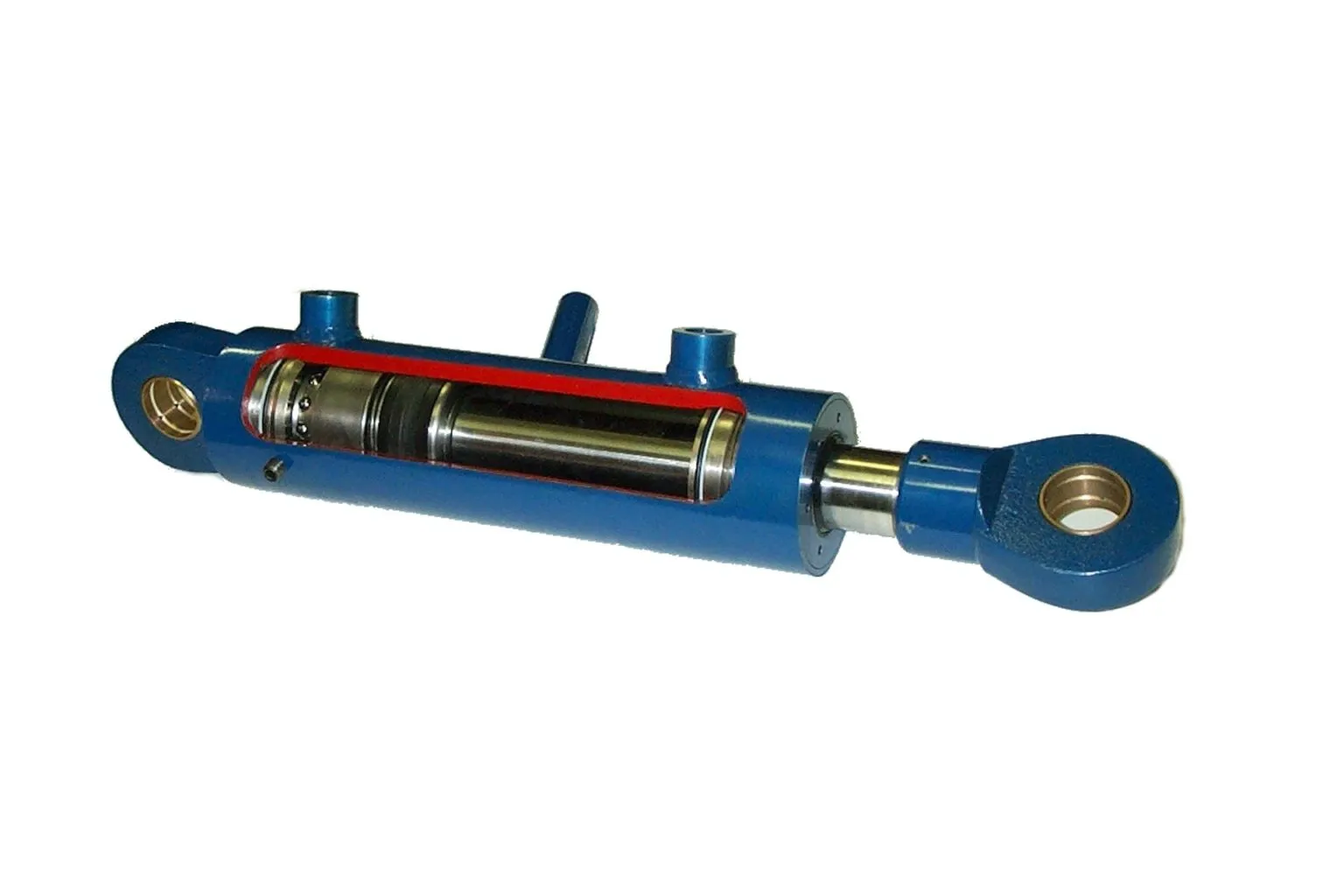
Understanding Tie-Rod Hydraulic Cylinders with Integrated Position Sensing
In the realm of hydraulic systems, tie-rod cylinders with integrated position sensing play a crucial role in various industrial applications. These cylinders are designed with special features that allow for accurate monitoring and control of the cylinder’s position, providing enhanced performance and productivity.
Structure and Function
Key components of a tie-rod hydraulic cylinder include the cylinder barrel, piston, tie-rods, and integrated position sensing technology. The cylinder barrel houses the piston, which moves back and forth within the cylinder to generate linear motion. The tie-rods provide structural support and help maintain alignment during operation. The integrated position sensing system allows for precise monitoring of the piston’s position, enabling real-time feedback and control.
Importance and Application
Tie-rod hydraulic cylinders with integrated position sensing are essential in industries such as manufacturing, construction, agriculture, and material handling. These cylinders are used in various applications that require accurate positioning, such as robotic systems, automated machinery, and mobile equipment. The ability to monitor and control the cylinder’s position ensures optimal performance and safety in critical operations.
Design and Construction of Tie-Rod Hydraulic Cylinders
Components and Roles
The cylinder barrel serves as the main body of the cylinder, housing the piston and hydraulic fluid. The piston is responsible for converting hydraulic pressure into linear motion, while the tie-rods provide structural support and prevent misalignment. Each component is carefully designed and dimensioned to meet specific application requirements, ensuring reliable performance and longevity.
Working Principle and Operation
Draw-rod hydraulic cylinders operate based on the principles of hydraulic fluid pressure and flow. When hydraulic fluid is supplied to the cylinder, pressure is generated, causing the piston to move. The integrated position sensing system monitors the piston’s position and provides feedback to the control system, enabling precise control of the cylinder’s movement. Flow control mechanisms regulate the flow of hydraulic fluid to adjust the cylinder’s speed and force output.
Types and Configurations
There are several types of tie-rod hydraulic cylinders with integrated position sensing, including double-acting cylinders, single-acting cylinders, and telescopic cylinders. Each type offers unique features and benefits, making them suitable for a wide range of applications.
Advantages of Tie-Rod Hydraulic Cylinders
- Compact Design: Allows for easy integration into existing systems
- High Load Capacity: Capable of handling heavy loads with precision
- Durability: Designed to withstand harsh operating conditions
- Cost Effectiveness: Provides long-term value and performance
Applications in Various Industries
Tie-rod hydraulic cylinders with integrated position sensing are widely used in industrial machinery, construction equipment, farm tools, and material handling systems. These cylinders play a critical role in enhancing productivity, efficiency, and safety in diverse applications.
Regular Maintenance and Care
Proper maintenance of tie-rod hydraulic cylinders is essential to ensure optimal performance and longevity. Regular inspection and preventive maintenance measures, such as lubrication, seal replacement, and calibration, help detect and address potential issues before they escalate.
Installation Guide
When installing tie-rod hydraulic cylinders with integrated position sensing, it is important to follow manufacturer guidelines and ensure proper alignment and connection. Proper installation ensures optimal performance and safety in operation.
Maintenance Tasks
- Regular Inspection: Check for leaks, wear, and proper alignment
- Proper Lubrication: Ensure all moving parts are adequately lubricated
- Seal Replacement: Replace worn seals to prevent leakage and contamination
Fault Diagnosis and Solutions
Common problems with tie-rod hydraulic cylinders include leaks, uneven extension, and misalignment. By diagnosing the root cause of these issues and implementing appropriate solutions, operators can maintain optimal performance and prevent costly downtime.
FAQs
How do tie-rod hydraulic cylinders differ from other types?
Tie-rod hydraulic cylinders feature integrated position sensing technology for precise control and monitoring.
What are the main components of a tie-rod hydraulic cylinder?
The main components include the cylinder barrel, piston, tie-rods, and integrated position sensing system.
What are the advantages of using tie-rod hydraulic cylinders?
Advantages include compact design, high load capacity, durability, and cost effectiveness.
What are some common applications of tie-rod hydraulic cylinders?
Common applications include industrial machinery, construction equipment, farm tools, and material handling systems.
Long Tail Keywords
1. “Integrated Position Sensing Technology in Tie-Rod Cylinders”
2. “Enhanced Performance with Integrated Position Sensing”
3. “Precision Control in Tie-Rod Hydraulic Cylinders”
Our Company
We are a leading hydraulic cylinder replacement manufacturer with a comprehensive product line. Our company is dedicated to providing high-quality products, customized services, and exceptional after-sales support. With professional certifications and state-of-the-art production equipment, we are committed to meeting the needs of our domestic and international customers.
Author: lyl