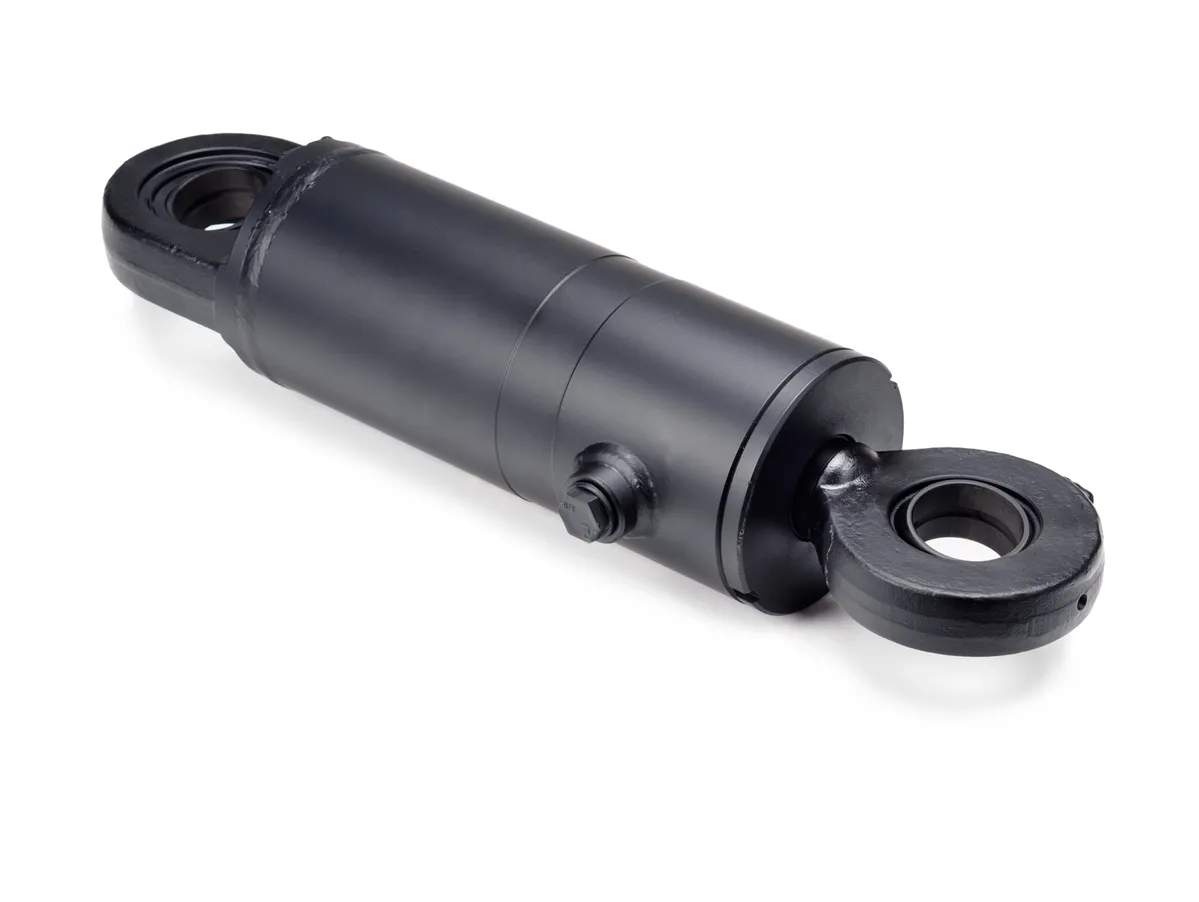
Understanding Welded Hydraulic Cylinders
In the realm of hydraulic systems, welded hydraulic cylinders play a crucial role in converting fluid pressure into linear motion. These cylinders are essential components that are widely used in various industries such as manufacturing, construction, mining, agriculture, and material handling.
Hydraulic generation is the process of creating fluid power through the use of hydraulic pumps, which then transmit this power to different parts of the system. The hydraulic cylinder serves as the mechanism that converts this fluid pressure into the desired linear motion.
Design and Construction of Welded Hydraulic Cylinders
When it comes to the design and construction of welded hydraulic cylinders, several key components are involved. These include the cylinder barrel, piston, rod, end cap, and welding joints. Each component plays a critical role in ensuring the functionality and reliability of the hydraulic cylinder.
Working Principle and Basic Operation
The working principle of welded hydraulic cylinders involves the use of fluid pressure to create linear motion. As the hydraulic fluid enters the cylinder, it exerts pressure on the piston, causing it to move in a specific direction. This movement is then transferred to the desired machinery or equipment.
Types and Configurations
There are several types of welded hydraulic cylinders available, each with its unique configuration to suit different applications. Common types include single-acting, double-acting, and telescopic cylinders, each offering specific advantages depending on the desired use case.
Advantages of Welded Hydraulic Cylinders
Welded hydraulic cylinders offer several advantages, including compact design, high load capacity, robust construction, leak resistance, cost-effectiveness, easy maintenance, and suitability for harsh industrial environments. These features make them a preferred choice in various industries.
Applications in Various Industries
Welded hydraulic cylinders find widespread use in industries such as manufacturing, construction, mining, agriculture, and material handling. They are utilized in machinery and equipment such as hydraulic presses, cranes, excavators, tractors, and conveyor systems, showcasing their versatility and reliability.
Customization Possibilities and Maintenance
Hydraulic cylinders can be customized based on factors such as stroke length, mounting options, rod diameter, and specific application requirements. Regular maintenance and care are essential to ensure the longevity and optimal performance of welded hydraulic cylinders.
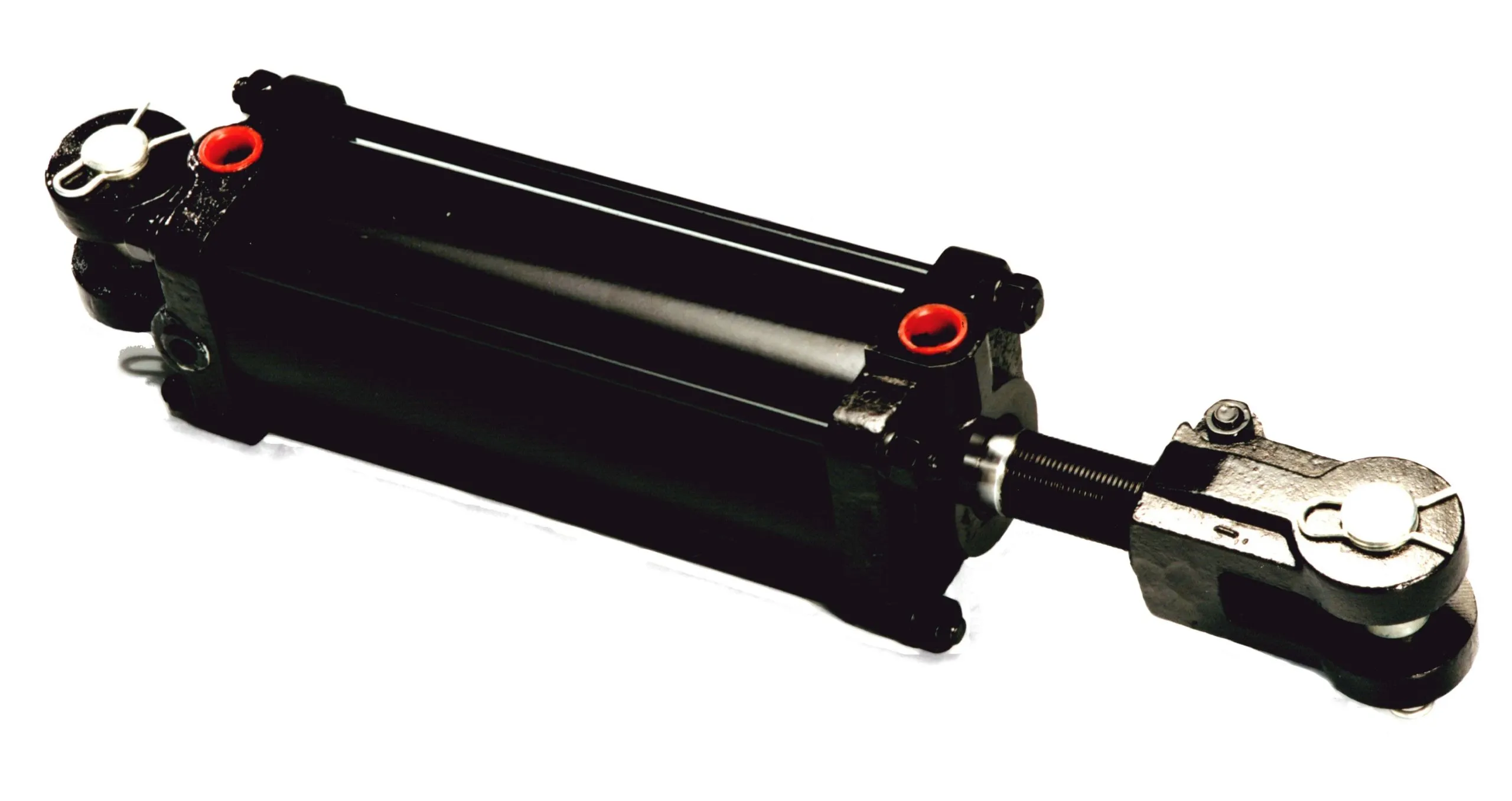
Installation and Maintenance Guide
Proper installation of hydraulic cylinders is crucial to their functionality and safety. Regular inspection, proper lubrication, seal replacement, and calibration checks are essential maintenance tasks to prevent potential issues and ensure smooth operation.
Fault Diagnosis and Troubleshooting
In case of any faults or issues with welded hydraulic cylinders, it is important to diagnose and troubleshoot the problem promptly. Common problems may include leakage, overheating, or inadequate performance, which can be addressed through proper troubleshooting techniques and preventive measures.
Company Focus
Our company specializes in hydraulic cylinder replacement manufacturing, offering a complete product line to meet various customer needs. With professional expertise, international certifications, customized services, advanced production equipment, and dedicated after-sales support, we have established ourselves as a leading manufacturer and distributor in the domestic and global markets.
Author: lyl