
The Role of Single-Acting Hydraulic Cylinders
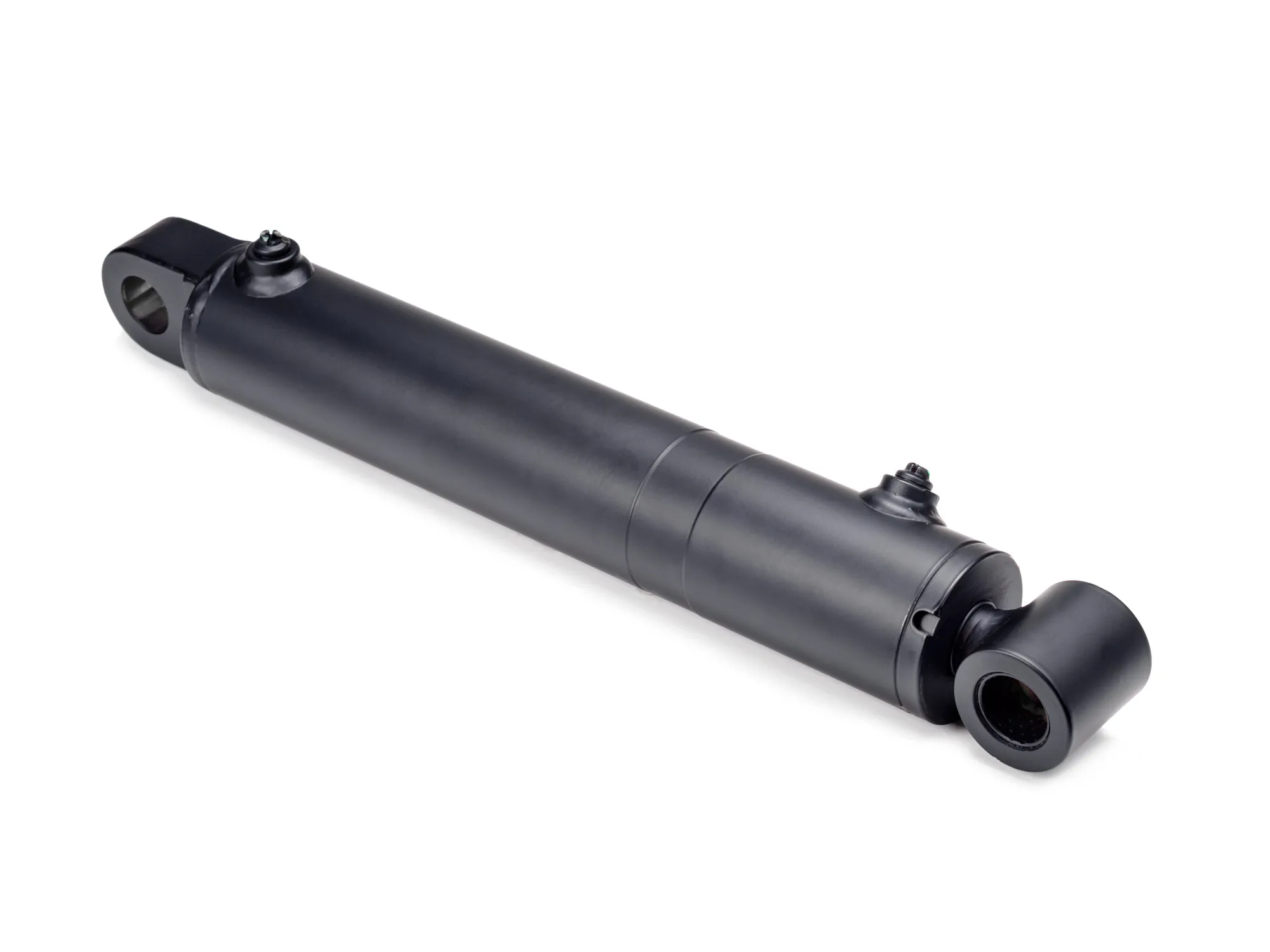
In the realm of construction equipment, single-acting hydraulic cylinders play a crucial role in powering various machinery and tools. These cylinders are essential components that convert fluid power into linear mechanical force, enabling the movement and operation of heavy equipment used in construction sites.
Principles of Single-Acting Cylinders
- A single-acting hydraulic cylinder operates using hydraulic fluid pressure to extend or retract the piston rod, generating linear force in one direction.
- The cylinder is equipped with a one-way check valve that allows fluid to enter and exit the cylinder chamber, resulting in unidirectional force transmission.
- Compared to double-acting cylinders, single-acting cylinders are simpler in design and more cost-effective, making them ideal for applications where force is only required in one direction.
Components and Structure
The single-acting hydraulic cylinder consists of a cylinder barrel, piston, piston rod, and hydraulic seals. These components work together to facilitate the linear motion of the piston rod when hydraulic fluid is supplied to the cylinder.
Working Principle
When hydraulic fluid is pumped into the cylinder, it pushes against the piston, causing the piston rod to extend. The force generated by the hydraulic pressure drives the movement of the rod, allowing for controlled motion and operation of the equipment.
Types of Single-Acting Cylinders
There are various types of single-acting hydraulic cylinders available, including telescopic cylinders, plunger cylinders, and clevis-mounted cylinders. Each type is designed for specific applications and offers unique advantages in terms of load capacity and compact design.
Advantages of Single-Acting Cylinders
- Compact design
- High load capacity
- Robust construction and leak resistance
- Cost-effective
- Easy maintenance and suitability for harsh industrial environments
Application Scenarios
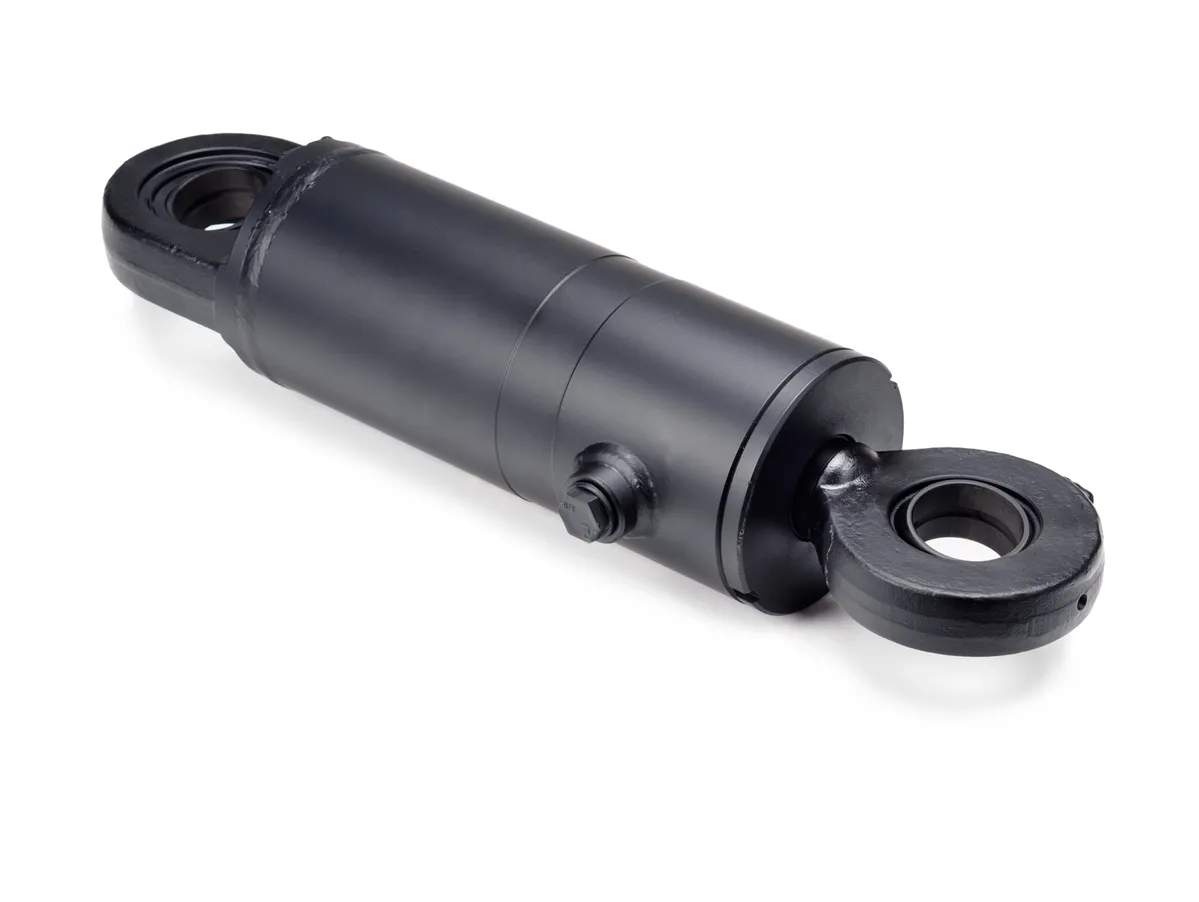
Single-acting hydraulic cylinders are widely used in construction, manufacturing, transportation, and other industrial sectors. They are essential components in machinery such as cranes, dump trucks, excavators, and hydraulic presses, providing the necessary force for efficient operation.
Considerations for Selection
When selecting a single-acting cylinder for a specific application, factors such as cylinder size, force calculations, stroke length, inner diameter, and rod diameter must be carefully considered to ensure optimal performance and efficiency.
Sealing Technology and Cylinder Structure
Sealing plays a critical role in preventing leaks and ensuring the proper functioning of single-acting cylinders. Different sealing materials and cylinder structural designs are available to enhance performance and durability in various operating conditions.
Control and Buffering Options
Controlling cylinder speed and movement is essential in preventing shock and vibration during operation. Adjustable buffering options can be used to optimize cylinder performance and ensure smooth operation in diverse applications.
Maintenance and Safety
Regular inspection and preventive maintenance are essential to prolong the lifespan of single-acting hydraulic cylinders and prevent potential issues. Safety measures must be observed to ensure the safe operation of equipment and minimize risks.
Fault Diagnosis and Troubleshooting
Common problems such as leaks, seal damage, and insufficient force generation may occur in single-acting cylinders. Proper diagnosis and troubleshooting techniques are crucial in identifying and resolving issues promptly.
Key Questions
What is the primary function of single-acting hydraulic cylinders? Single-acting cylinders generate linear force in one direction using hydraulic fluid pressure.
How do single-acting hydraulic cylinders generate linear force? By pushing hydraulic fluid against the piston, causing the piston rod to extend.
What are some common applications of single-acting hydraulic cylinders? They are widely used in construction, manufacturing, transportation, and industrial machinery.
What are the advantages of using single-acting hydraulic cylinders over double-acting ones? Single-acting cylinders are simpler in design, more cost-effective, and ideal for unidirectional force transmission.
How do you control the extension and retraction movements of a single-acting hydraulic cylinder? By regulating the flow of hydraulic fluid into the cylinder to control the movement of the piston rod.
Long-Tail Keywords
Three long-tail keywords for single-acting hydraulic cylinders include “high load capacity cylinders,” “compact design cylinders,” and “leak-resistant cylinders.” Each type offers specific advantages for different applications.
Company Introduction
Our company is a leading hydraulic cylinder replacement manufacturer with a comprehensive product line catering to domestic and international markets. We offer professional services, international certifications, customized solutions, state-of-the-art production equipment, and reliable after-sales support to meet the diverse needs of our customers.
Author: lyl