
The Superior Load Capacity of Single-Acting Hydraulic Cylinders
Understanding Single-Acting Hydraulic Cylinders
Single-acting hydraulic cylinders are a type of actuator that utilizes hydraulic power to generate linear force in one direction. The principle behind these cylinders is based on the transfer of fluid pressure to produce motion.
Principles of Single-Acting Cylinders
Single-acting cylinders operate by utilizing hydraulic pressure to extend the piston rod in one direction, with the return stroke being achieved by an external force such as gravity or a spring. This design allows for efficient operation in applications where a unidirectional force is required.
Differences from Double-Acting Cylinders
Compared to double-acting cylinders, single-acting cylinders only apply force in one direction, making them ideal for applications where a pushing or pulling motion is needed. This design simplifies the system and reduces the overall cost.
Components and Structure of Single-Acting Hydraulic Cylinders
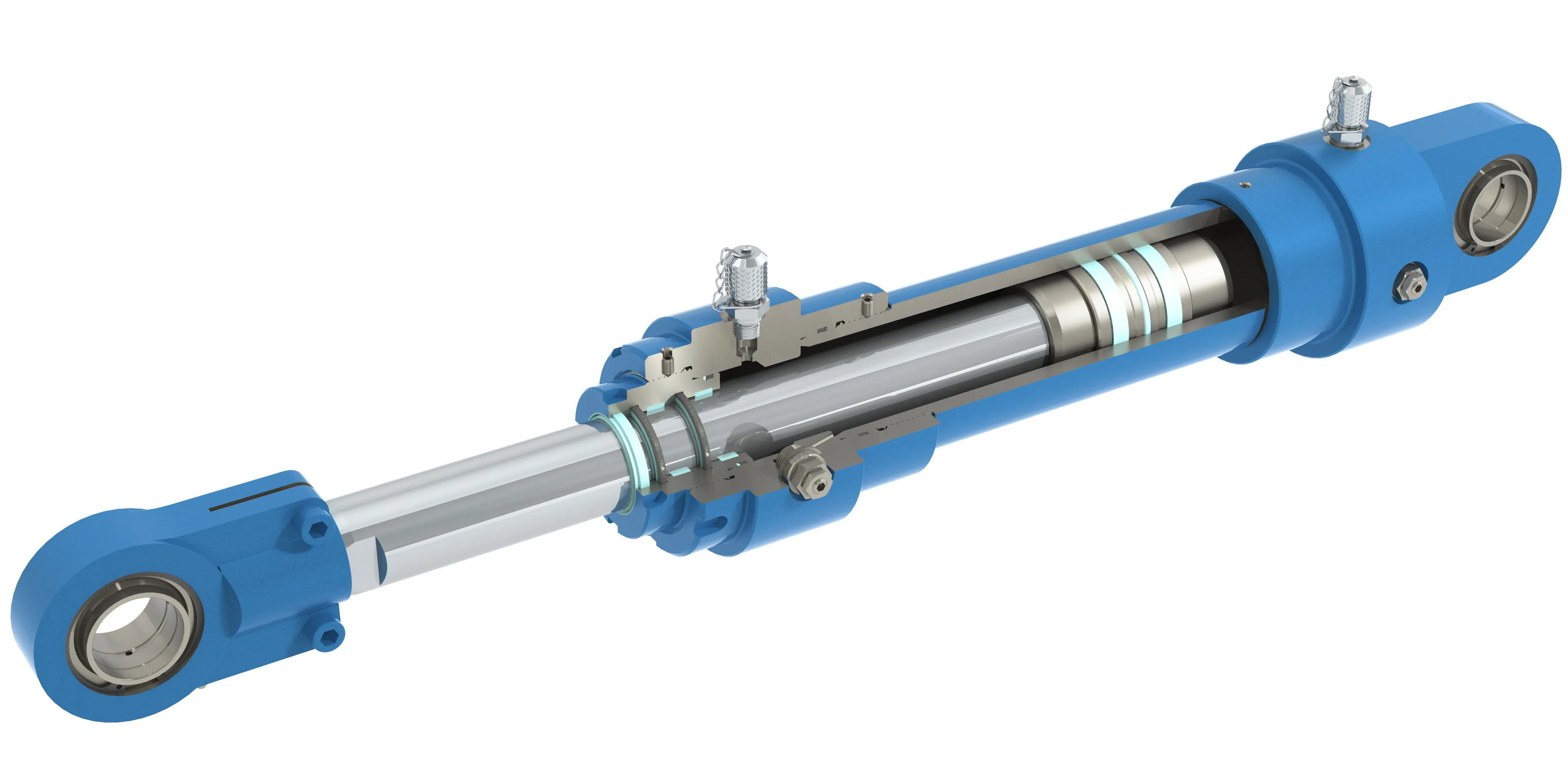
Single-acting hydraulic cylinders consist of a piston, rod, cylinder barrel, and hydraulic fluid. The design and construction of these cylinders are focused on providing reliable and efficient linear motion in industrial applications.
Design and Construction
The construction of single-acting cylinders involves precision machining and high-quality materials to ensure durability and performance. The components are assembled with tight tolerances to prevent leakage and maintain operational efficiency.
Working Principle of Single-Acting Cylinders
Single-acting cylinders operate by utilizing hydraulic pressure to extend the piston rod, generating linear force in one direction. The stroke control mechanism regulates the movement of the piston to achieve precise positioning and force output.
Force Generation and Stroke Control
The force generated by single-acting cylinders is directly proportional to the hydraulic pressure applied. Stroke control mechanisms such as flow control valves or adjustable stops can be used to regulate the speed and position of the cylinder.
Performance Characteristics and Limitations
Single-acting cylinders offer high load capacity, compact design, and leak resistance, making them suitable for harsh industrial environments. However, their unidirectional operation limits their versatility compared to double-acting cylinders.
Types and Configurations of Single-Acting Hydraulic Cylinders
Single-acting hydraulic cylinders are available in various types and configurations to suit different applications. These include differential cylinders, telescopic cylinders, and plunger cylinders, each designed for specific tasks.
Differential Cylinders
Differential cylinders utilize a larger effective area on one side of the piston to provide increased force output. This design is suitable for applications requiring high force in one direction.
Telescopic Cylinders
Telescopic cylinders consist of multiple nested stages to achieve extended reach and compact retraction. These cylinders are commonly used in applications where space is limited.
Plunger Cylinders
Plunger cylinders utilize a single-acting design with a solid plunger rod for applications requiring high force and precision. This type of cylinder is suitable for heavy-duty tasks that demand reliable performance.
Advantages of Single-Acting Hydraulic Cylinders
Single-acting hydraulic cylinders offer several advantages over other actuation systems, including:
- Compact design
- High load capacity
- Robust construction
- Leak resistance
- Cost effectiveness
- Easy maintenance
- Suitability for harsh industrial environments
Applications of Single-Acting Hydraulic Cylinders
Single-acting hydraulic cylinders are widely used in various industries, including construction, manufacturing, transportation, and sectoral applications. These cylinders are employed in machinery and equipment to provide precise linear motion and force output.
Construction Industry
In the construction industry, single-acting hydraulic cylinders are utilized in equipment such as cranes, excavators, and bulldozers to provide lifting, pushing, and pulling capabilities.
Manufacturing Sector
Manufacturing facilities use single-acting cylinders in assembly lines, material handling equipment, and industrial machinery to perform tasks such as clamping, pressing, and positioning.
Transportation Applications
In the transportation sector, single-acting cylinders are employed in hydraulic systems for vehicles, aircraft, and marine vessels to control landing gear, cargo doors, and steering mechanisms.
Industrial Machinery
Industrial machinery relies on single-acting cylinders for operations such as stamping, bending, and cutting in metalworking, woodworking, and processing applications.
Sectoral Industries
Sectoral industries such as agriculture, mining, and energy utilize single-acting hydraulic cylinders in equipment for tasks such as plowing, drilling, and lifting heavy loads.
Factors to Consider When Selecting Single-Acting Cylinders
When choosing a single-acting cylinder for a specific application, factors such as cylinder size, force calculations, stroke length, inner diameter, and rod diameter must be considered. These design considerations ensure optimal performance and efficiency.
Sealing Technology and Cylinder Structure
The sealing technology and cylinder structure of single-acting hydraulic cylinders play a crucial role in preventing leaks and ensuring reliable operation. Different sealing materials and structural components are used to enhance performance and durability.
Importance of Sealing
Proper sealing is essential for maintaining hydraulic fluid integrity and preventing contamination. Seals help to maintain pressure, reduce friction, and protect internal components from wear and tear.
Structural Materials
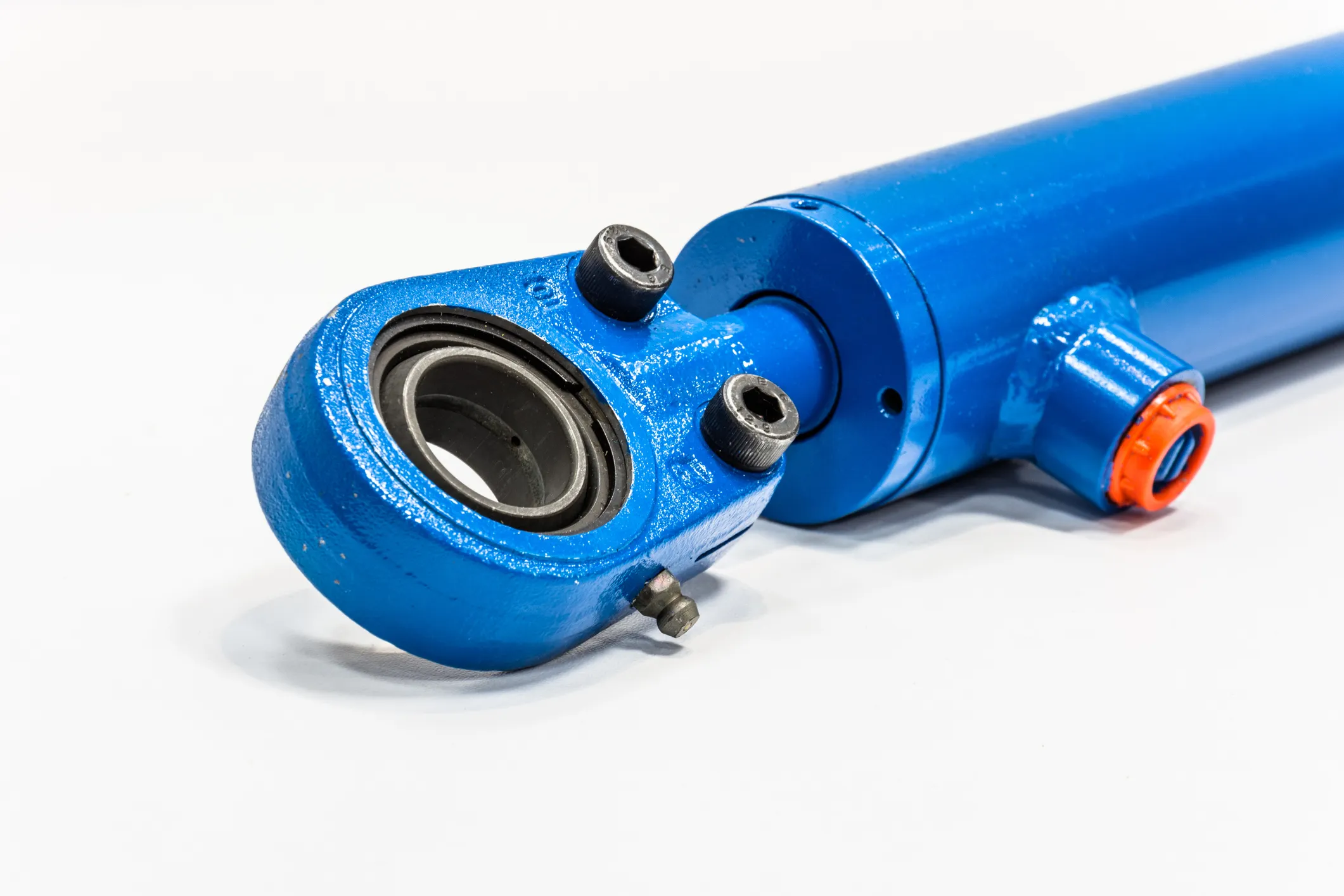
The materials used in the construction of single-acting cylinders, such as steel, aluminum, and composite materials, contribute to the overall strength and longevity of the cylinder. Coatings and surface treatments are applied to enhance corrosion resistance and surface hardness.
Controlling Cylinder Speed and Movement
Controlling the speed and movement of single-acting cylinders is essential for achieving precise operation and preventing damage. Various methods, such as flow control valves, adjustable buffering, and position sensors, can be utilized to regulate cylinder performance.
Buffering Options
Adjustable buffering allows for fine-tuning of the cushioning effect at the end of the stroke, reducing shock and vibration during operation. This feature enhances cylinder performance and prolongs the service life of the equipment.
Inspection and Preventive Maintenance
Regular inspection and preventive maintenance are key to ensuring the optimal performance and longevity of single-acting hydraulic cylinders. By following maintenance guidelines and conducting routine checks, potential issues can be identified and addressed promptly.
Installation Guide for Single-Acting Hydraulic Cylinders
Proper installation of single-acting hydraulic cylinders is crucial for safe and efficient operation. By following the manufacturer’s guidelines and using appropriate tools and techniques, cylinders can be installed correctly to prevent leaks and ensure reliability.
Maintenance Tasks for Single-Acting Cylinders
Common maintenance tasks for single-acting cylinders include regular inspection, proper lubrication, seal replacement, and calibration checks. By performing these tasks on a scheduled basis, the cylinders can operate smoothly and efficiently.
Safety Considerations and Environmental Factors
When using single-acting hydraulic cylinders, safety measures must be followed to prevent accidents and injuries. Environmental factors such as temperature, humidity, and contaminants should also be considered to maintain cylinder performance and longevity.
Fault Diagnosis and Common Problems
Diagnosing faults and addressing common problems with single-acting hydraulic cylinders is essential for maintaining operational efficiency. By identifying issues such as leaks, insufficient force output, or erratic movement, corrective actions can be taken to restore performance.
Answering Key Questions
Primary Function of Single-Acting Cylinders
The primary function of single-acting hydraulic cylinders is to generate linear force in one direction using hydraulic pressure. These cylinders are designed for applications requiring pushing or pulling motion with high load capacity.
Force Generation Mechanism
Single-acting hydraulic cylinders generate linear force by applying hydraulic pressure to extend the piston rod in a unidirectional motion. The force output is proportional to the pressure applied and the effective area of the piston.
Common Applications of Single-Acting Cylinders
Single-acting hydraulic cylinders are commonly used in industrial machinery, construction equipment, and transportation systems for tasks such as lifting, pressing, and positioning. These cylinders offer reliable performance in various applications.
Advantages Over Double-Acting Cylinders
Single-acting cylinders have the advantage of simplicity, cost-effectiveness, and high load capacity compared to double-acting cylinders. The unidirectional operation of single-acting cylinders makes them ideal for specific applications requiring linear force in one direction.
Controlling Cylinder Movement
The extension and retraction movements of a single-acting hydraulic cylinder are controlled by regulating the flow of hydraulic fluid and adjusting the stroke length. Position sensors and flow control valves can be used to achieve precise operation.
Long-Tail Keywords for Single-Acting Hydraulic Cylinders
Three long-tail keywords for single-acting hydraulic cylinders include “high load capacity”, “compact design”, and “leak resistance”. These keywords highlight the key features and advantages of single-acting cylinders in industrial applications.
Our Company
We are a leading hydraulic cylinder replacement manufacturer with a complete product line catering to domestic and foreign markets. Our company is known for its high-quality products, customized services, and commitment to customer satisfaction.
With professional certifications, state-of-the-art production equipment, and dedicated after-sales service, we strive to meet the needs of our clients and deliver reliable hydraulic solutions for a wide range of applications.