
The Ins and Outs of Single-Acting Hydraulic Cylinders
Understanding Single-Acting Hydraulic Cylinders
In the world of hydraulic systems, single-acting hydraulic cylinders play a crucial role in converting fluid power into linear mechanical force. These cylinders, also known as push cylinders, operate in one direction only, utilizing hydraulic pressure to extend or retract the piston rod within the cylinder.
The Principles of Single-Acting Cylinders
Single-acting hydraulic cylinders operate based on the principle of fluid pressure acting on one side of the piston. When hydraulic fluid is pumped into the cylinder, it pushes the piston in one direction, generating linear force to perform work.
Differences from Double-Acting Cylinders
Unlike double-acting cylinders that use hydraulic pressure to move the piston in both directions, single-acting cylinders rely on external forces, such as springs or gravity, to return the piston to its original position once the pressure is released.
Components and Structure
A typical single-acting hydraulic cylinder consists of a cylinder barrel, piston, piston rod, rod seals, and an end cap. The piston separates the fluid chamber into two parts, allowing pressure to act on one side and creating movement in a single direction.
Working Principle and Functionality
Single-acting cylinders work by harnessing hydraulic pressure to drive linear motion. The force generated by the cylinder is directly proportional to the pressure of the hydraulic fluid, allowing for precise control of movement and positioning.
Performance Characteristics
- Compact design for space-restricted applications
- High load capacity for heavy-duty tasks
- Robust construction for durability and longevity
- Leak resistance for efficient operation
- Cost-effective solution for various industrial needs
Types and Configurations
Single-acting hydraulic cylinders come in various types, including tie-rod, welded, and telescopic cylinders, each designed for specific applications and operating requirements.
Applications in Different Industries
Construction Industry
Single-acting cylinders are widely used in construction equipment, such as excavators and cranes, for lifting and positioning heavy loads with precision and efficiency.
Manufacturing Sector
In manufacturing plants, single-acting cylinders find applications in machinery and automation systems for tasks like material handling, pressing, and assembly operations.
Transportation Field
From dump trucks to agricultural machinery, single-acting cylinders play a vital role in controlling movement and providing stability in various transportation vehicles.
Factors to Consider
When selecting a single-acting cylinder for a specific application, factors like cylinder size, force calculations, stroke length, and design considerations must be taken into account to ensure optimal performance and efficiency.
Sealing Technology and Cylinder Structure
Sealing plays a crucial role in preventing leaks and ensuring the smooth operation of single-acting cylinders. Different sealing materials and structural components are used to enhance the longevity and reliability of the cylinder.
Speed Control and Buffering Options
Controlling the speed and movement of single-acting cylinders is essential for safe and efficient operation. Adjustable buffering options help prevent shock and vibration, improving overall performance and longevity.
Maintenance and Safety
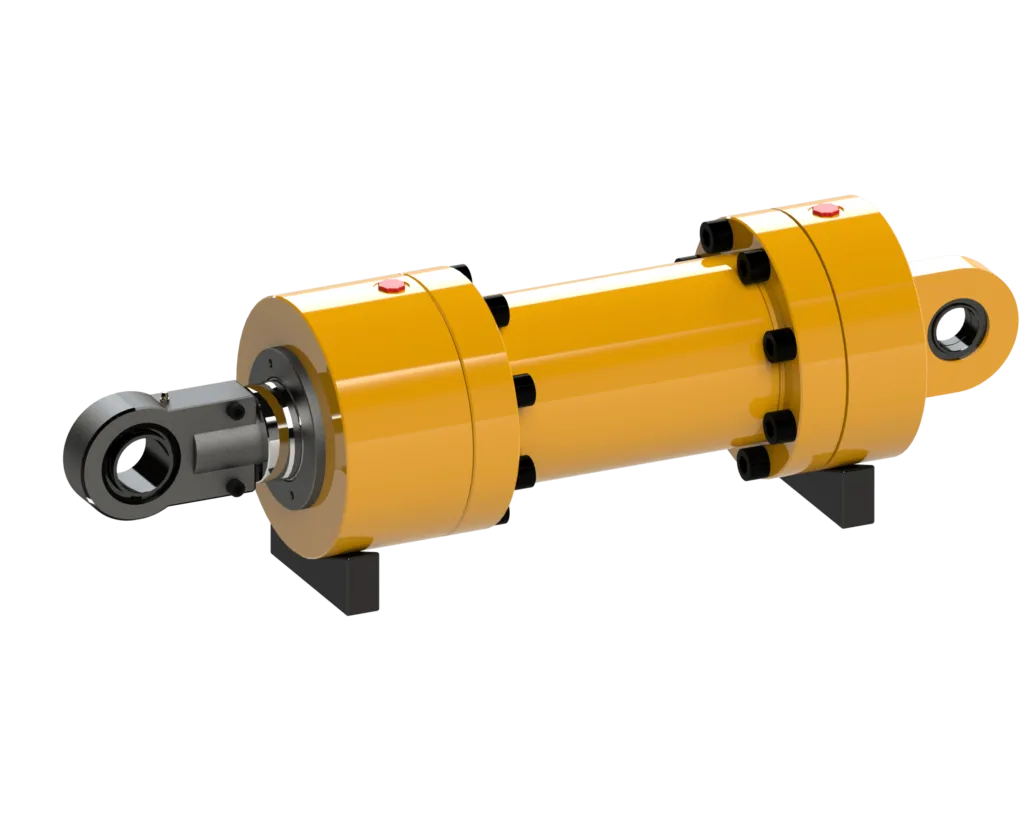
Regular inspection and preventive maintenance measures are essential to ensure the proper functioning of single-acting cylinders and to minimize the risk of downtime and potential hazards in the workplace.
Installation Guide and Maintenance Tasks
Proper installation and maintenance of single-acting cylinders are critical for optimal performance and longevity. Regular inspection, lubrication, seal replacement, and calibration checks are essential tasks to keep the cylinders in top condition.
Safety Considerations and Environmental Factors
Ensuring safety measures and considering environmental factors when using single-acting cylinders are paramount to prevent accidents and minimize the impact on the surroundings. Proper training and adherence to safety protocols are crucial.
Troubleshooting Common Issues
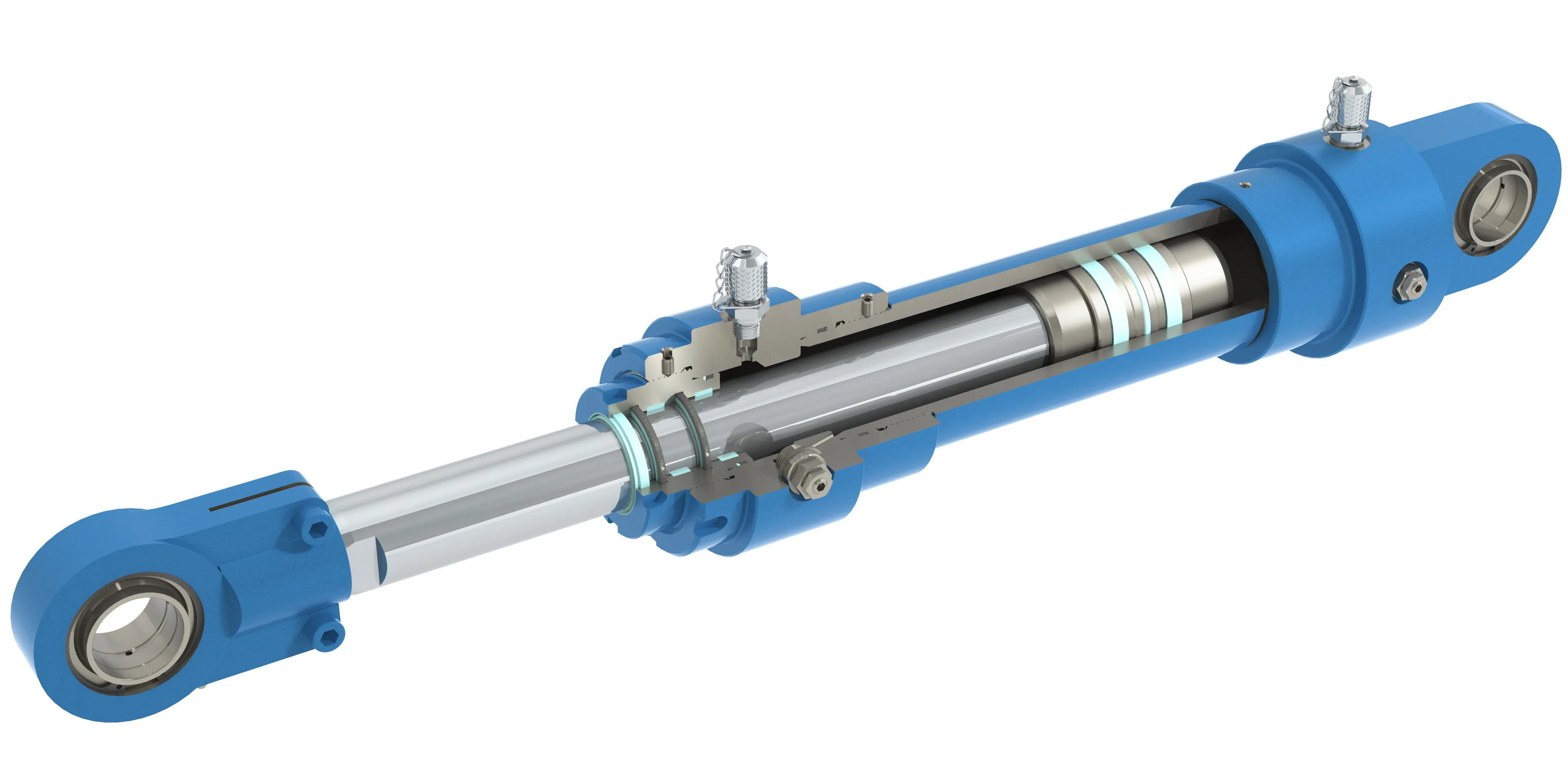
When faced with problems like leakage, drift, noise, or overheating in single-acting hydraulic cylinders, it is essential to diagnose the root cause and apply appropriate troubleshooting techniques to resolve the issues effectively.