
The Importance of Hydraulic Hose Selection and Routing for Single-Acting Systems
Understanding Single-Acting Hydraulic Cylinders
Single-acting hydraulic cylinders are essential components in various industrial applications, providing linear force in one direction through the use of hydraulic fluid pressure. These cylinders are designed with a piston that moves in only one direction, creating a pushing or pulling action depending on the application requirements.
Principles of Single-Acting Cylinders
The primary principle behind single-acting hydraulic cylinders is the use of pressurized hydraulic fluid to generate linear force. When the hydraulic fluid is pressurized, it exerts force on the piston within the cylinder, causing it to move in a specific direction. This controlled movement allows for precise positioning and actuation in various machinery and equipment.
Single-acting cylinders operate on the principle of differential pressure, where the force generated by the hydraulic fluid on one side of the piston is greater than the force on the other side, resulting in a unidirectional movement.
Differences from Double-Acting Cylinders and Other Drive Systems
Single-acting cylinders differ from double-acting cylinders in that they only generate force in one direction, while double-acting cylinders can generate force in both directions. This distinction makes single-acting cylinders ideal for applications where force is required in a specific direction, such as lifting or pushing tasks.
Compared to other drive systems such as pneumatic cylinders or electric actuators, single-acting hydraulic cylinders offer advantages in terms of load capacity, precision control, and durability in harsh industrial environments.
Components and Structure of Single-Acting Hydraulic Cylinders
A typical single-acting hydraulic cylinder consists of a cylinder barrel, piston, rod, seals, and hydraulic fluid. The cylinder barrel houses the piston, which moves back and forth within the cylinder under the influence of hydraulic pressure. Seals are used to prevent fluid leakage and maintain pressure within the cylinder.
The design and construction of single-acting cylinders are critical to their performance and longevity. High-quality materials and precise manufacturing processes ensure reliable operation and minimal maintenance requirements.
Working Principle and Performance Characteristics
Single-acting cylinders operate by applying hydraulic pressure to one side of the piston, causing it to move in a specific direction. The force generated by the cylinder is directly proportional to the pressure of the hydraulic fluid, allowing for precise control of movement and positioning.
Performance characteristics of single-acting cylinders include high load capacity, compact design, robust construction, leak resistance, and cost-effectiveness. These cylinders are suitable for a wide range of industrial applications where reliable and efficient linear force is required.
Types and Configurations of Single-Acting Hydraulic Cylinders
Single-acting hydraulic cylinders are available in various types and configurations to suit specific application requirements. Common types include tie-rod cylinders, welded cylinders, telescopic cylinders, and compact cylinders, each offering unique features and benefits for different applications.
Advantages of Single-Acting Hydraulic Cylinders
- Compact design: Single-acting cylinders have a space-saving design, making them ideal for applications with limited space constraints.
- High load capacity: These cylinders can generate substantial linear force, making them suitable for heavy-duty applications.
- Robust construction: Single-acting cylinders are built to withstand harsh operating conditions and provide long-lasting performance.
- Leak resistance: Sealing technology in single-acting cylinders ensures minimal fluid leakage, maintaining system efficiency.
- Cost-effectiveness: Single-acting cylinders offer a cost-effective solution for linear motion control, reducing overall system costs.
Applications of Single-Acting Hydraulic Cylinders
Single-acting hydraulic cylinders are widely used in industries such as construction, manufacturing, transportation, and agriculture. These cylinders play a crucial role in various machinery and equipment, such as hydraulic presses, forklifts, dump trucks, and agricultural machinery.
Considerations for Selecting Single-Acting Cylinders
When selecting a single-acting cylinder for a specific application, factors such as cylinder size, force calculations, stroke length, inner diameter, and rod diameter must be considered. These design considerations ensure optimal performance and efficiency in the intended application.
Sealing Technology and Cylinder Structure
Sealing technology is essential in single-acting cylinders to prevent fluid leaks and ensure system integrity. Different sealing materials are used based on compatibility with hydraulic fluids, while cylinder materials, coatings, and surface treatments enhance durability and performance.
Controlling Cylinder Speed and Movement
Various methods can be used to control the speed and movement of single-acting hydraulic cylinders, including flow control valves, throttle valves, and adjustable buffering. Proper speed control helps minimize shock and vibration, improving overall system performance and efficiency.
Inspection and Maintenance of Single-Acting Cylinders
- Regular inspection: Routine maintenance and inspection of single-acting cylinders are essential to ensure optimal performance and prevent potential issues.
- Proper lubrication: Adequate lubrication of cylinder components helps reduce friction and wear, extending the service life of the cylinder.
- Seal replacement: Timely replacement of worn seals prevents fluid leaks and maintains system efficiency.
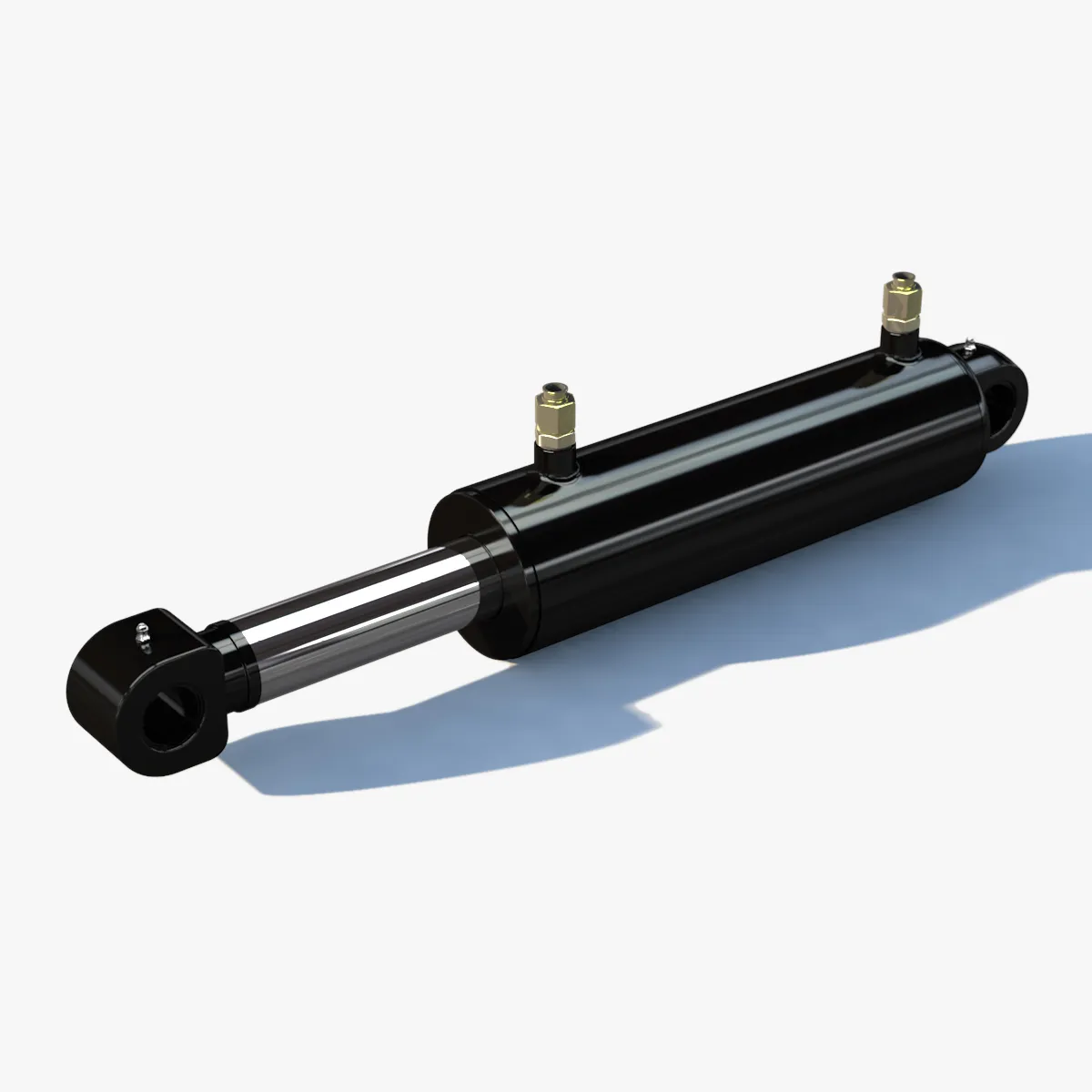
Installation Guide for Single-Acting Hydraulic Cylinders
Proper installation of single-acting hydraulic cylinders is crucial for safe and efficient operation. Follow manufacturer guidelines and ensure correct alignment, mounting, and connection of the cylinder to the hydraulic system.
Safety Considerations and Environmental Factors
Ensuring safety measures are in place when using single-acting hydraulic cylinders is essential to prevent accidents and injuries. Consider environmental factors such as temperature, humidity, and contaminants that may affect cylinder performance and longevity.
Fault Diagnosis and Common Problems
Common issues with single-acting cylinders include fluid leaks, piston damage, seal failure, and insufficient force generation. Proper diagnosis and troubleshooting are essential to identify and resolve these problems promptly, minimizing downtime and maintenance costs.
Key Questions About Single-Acting Hydraulic Cylinders
1. What is the primary function of single-acting hydraulic cylinders?
Single-acting hydraulic cylinders provide linear force in one direction through the use of hydraulic fluid pressure, enabling precise actuation in various industrial applications.
2. How do single-acting hydraulic cylinders generate linear force?
By applying pressurized hydraulic fluid to one side of the piston, single-acting cylinders create differential pressure, resulting in unidirectional movement and force generation.
3. What are some common applications of single-acting hydraulic cylinders?
Single-acting cylinders are used in construction equipment, manufacturing machinery, agricultural vehicles, and transportation systems for tasks such as lifting, pushing, and positioning.
Long-Tail Keywords for Single-Acting Hydraulic Cylinders
- High-load capacity single-acting hydraulic cylinder
- Compact design single-acting hydraulic cylinder
- Leak-resistant single-acting hydraulic cylinder
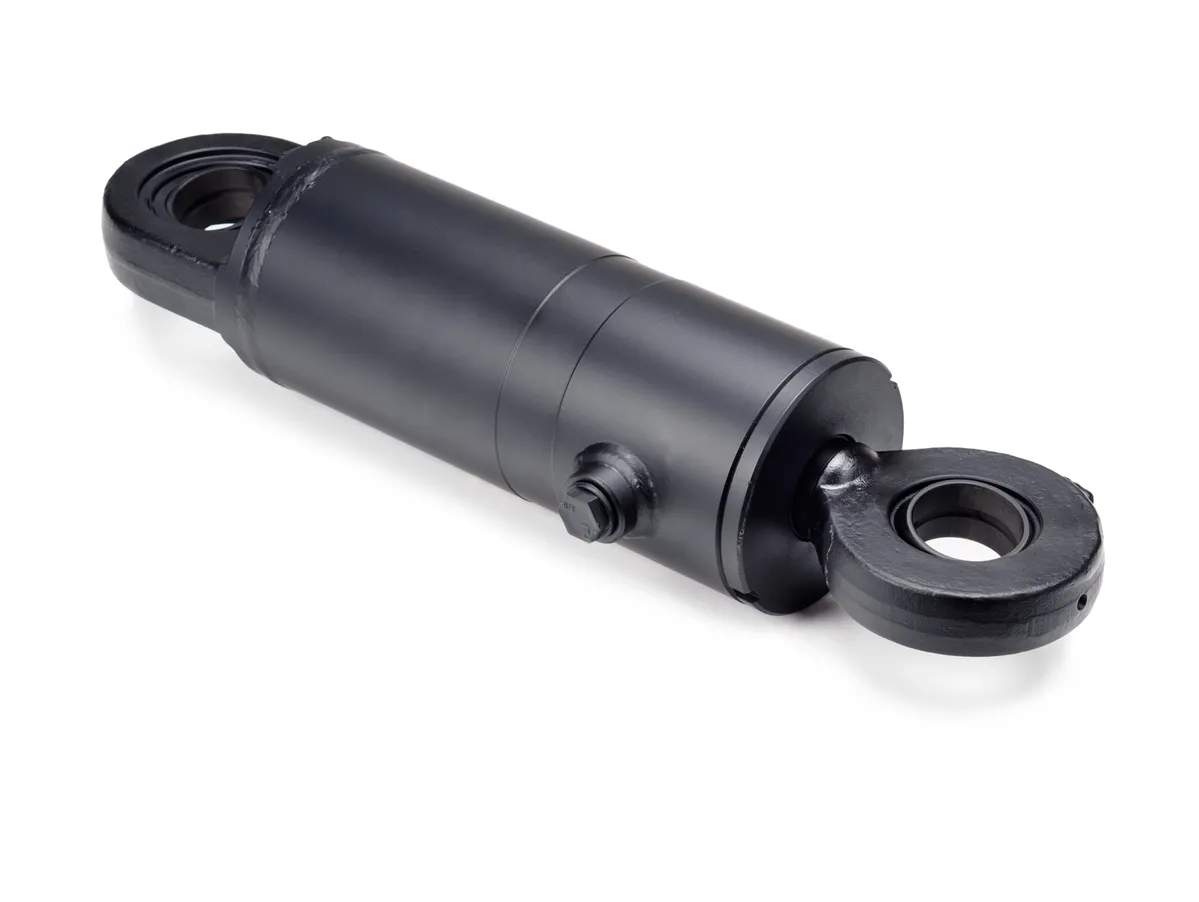
Company Focus: Leading Hydraulic Cylinder Manufacturer
Our company is a prominent hydraulic cylinder replacement manufacturer, offering a complete product line for various industrial applications. With international certifications and customized services, we have established ourselves as a trusted supplier in the domestic and global markets.
We prioritize quality, innovation, and customer satisfaction, providing advanced production equipment, professional after-sales service, and technical expertise to meet the diverse needs of our clients.
Conclusion
In conclusion, the selection and routing of hydraulic hoses play a crucial role in ensuring the optimal performance of single-acting hydraulic systems. Proper maintenance, inspection, and safety measures are essential for the reliable operation of single-acting cylinders in industrial applications.
Author: lyl