
Evaluating The Role Of Hydraulic System Piping And Fittings In Ensuring Leak-Free Operation Of Single-Acting Cylinders
Defining Single-Acting Hydraulic Cylinders
Single-acting hydraulic cylinders are devices that utilize fluid power to generate linear force and motion. These cylinders are designed to exert force in one direction only, typically extending under the action of hydraulic pressure and retracting due to external forces or springs.
Principles of Single-Acting Cylinders
- Single-acting cylinders operate on the principle of differential pressure between the fluid entering and exiting the cylinder.
- They feature a piston that moves in one direction, with the return stroke achieved through external forces.
- These cylinders are commonly used in applications where the load is not required to be moved in both directions.
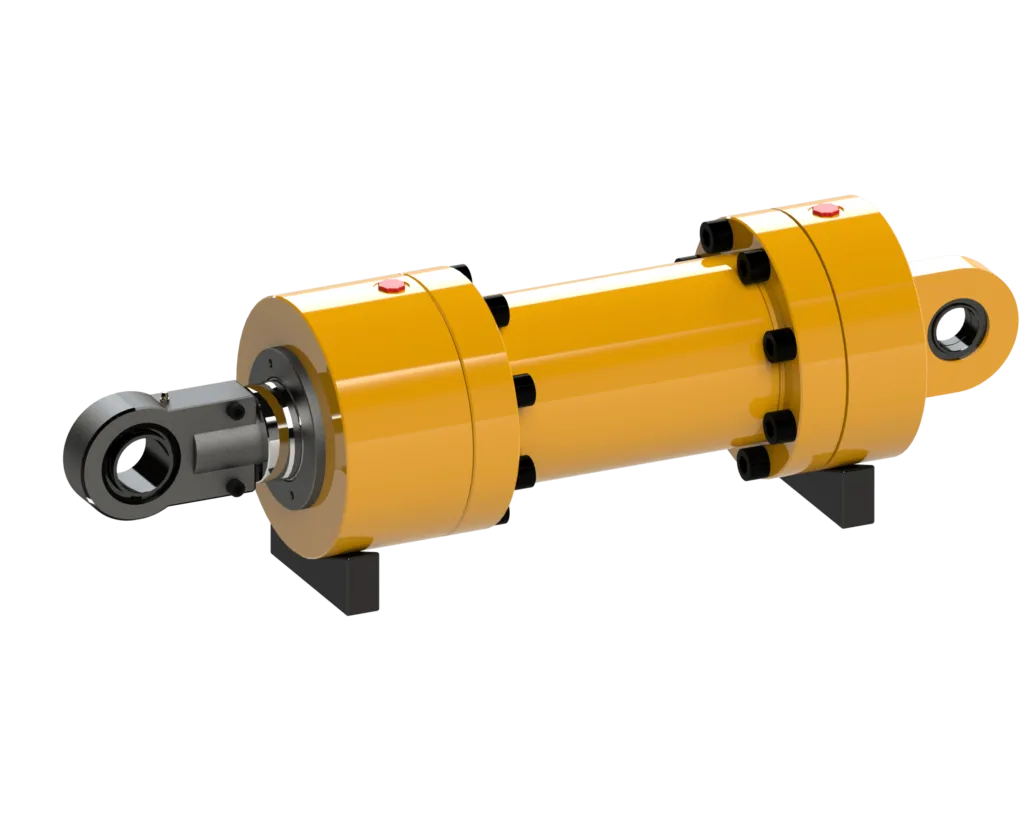
Compared to double-acting cylinders and other drive systems, single-acting cylinders offer simpler designs, reduced complexity, and cost-effective solutions for specific applications.
Components and Structure of Single-Acting Hydraulic Cylinders
The main components of a single-acting hydraulic cylinder include a piston, cylinder barrel, end caps, seals, and hydraulic connections. These cylinders are typically constructed with high-strength materials such as steel or aluminum to withstand high pressures and loads.
Design and Construction
- The design of single-acting cylinders focuses on efficient force generation in one direction while ensuring structural integrity and leak resistance.
- The construction involves precise machining and assembly processes to achieve optimal performance and reliability.
Working Principle of Single-Acting Cylinders
Single-acting cylinders operate by applying hydraulic pressure to the piston, causing it to extend and exert force on the load. The return stroke is achieved through external forces, such as gravity or springs, resulting in controlled motion and force generation.
Force Generation and Stroke Control
- The force generated by single-acting cylinders is proportional to the pressure applied and the piston area.
- Stroke control mechanisms, such as flow control valves, are used to regulate the speed and extension of the cylinder.
Performance characteristics of single-acting cylinders include compact design, high load capacity, robust construction, leak resistance, cost-effectiveness, easy maintenance, and suitability for harsh industrial environments.
Types and Configurations of Single-Acting Hydraulic Cylinders
Single-acting hydraulic cylinders are available in various types and configurations, including differential bore, ram, and telescopic cylinders. Each type is designed for specific applications requiring different stroke lengths, forces, and mounting options.
Advantages of Single-Acting Hydraulic Cylinders
Five advantages of single-acting cylinders include:
- Compact design for space-constrained applications
- High load capacity for heavy-duty operations
- Robust construction for durability and longevity
- Leak resistance for efficient fluid containment
- Cost-effectiveness for budget-conscious projects
Applications of Single-Acting Hydraulic Cylinders
Single-acting hydraulic cylinders are widely used in industries such as construction, manufacturing, transportation, and agriculture. These cylinders are employed in machinery and equipment for lifting, pressing, bending, and other operations requiring linear force.
Factors to Consider When Selecting Single-Acting Cylinders
When choosing a single-acting cylinder for a specific application, factors such as cylinder size, force calculations, stroke length, inner diameter, and rod diameter must be considered. These parameters help ensure optimal performance and efficiency in various operating conditions.
Sealing Technology and Cylinder Structure
Sealing plays a crucial role in preventing leaks and ensuring the reliable operation of single-acting cylinders. Different sealing materials, such as rubber, polyurethane, and PTFE, are used to maintain fluid integrity and protect the cylinder components from contamination.
Controlling Cylinder Speed and Movement
Various methods, including flow control valves and adjustable buffering, are employed to control the speed and movement of single-acting cylinders. Adjustable buffering helps minimize shock and vibration, enhancing the overall performance and longevity of the cylinder.
Preventive Maintenance of Single-Acting Cylinders
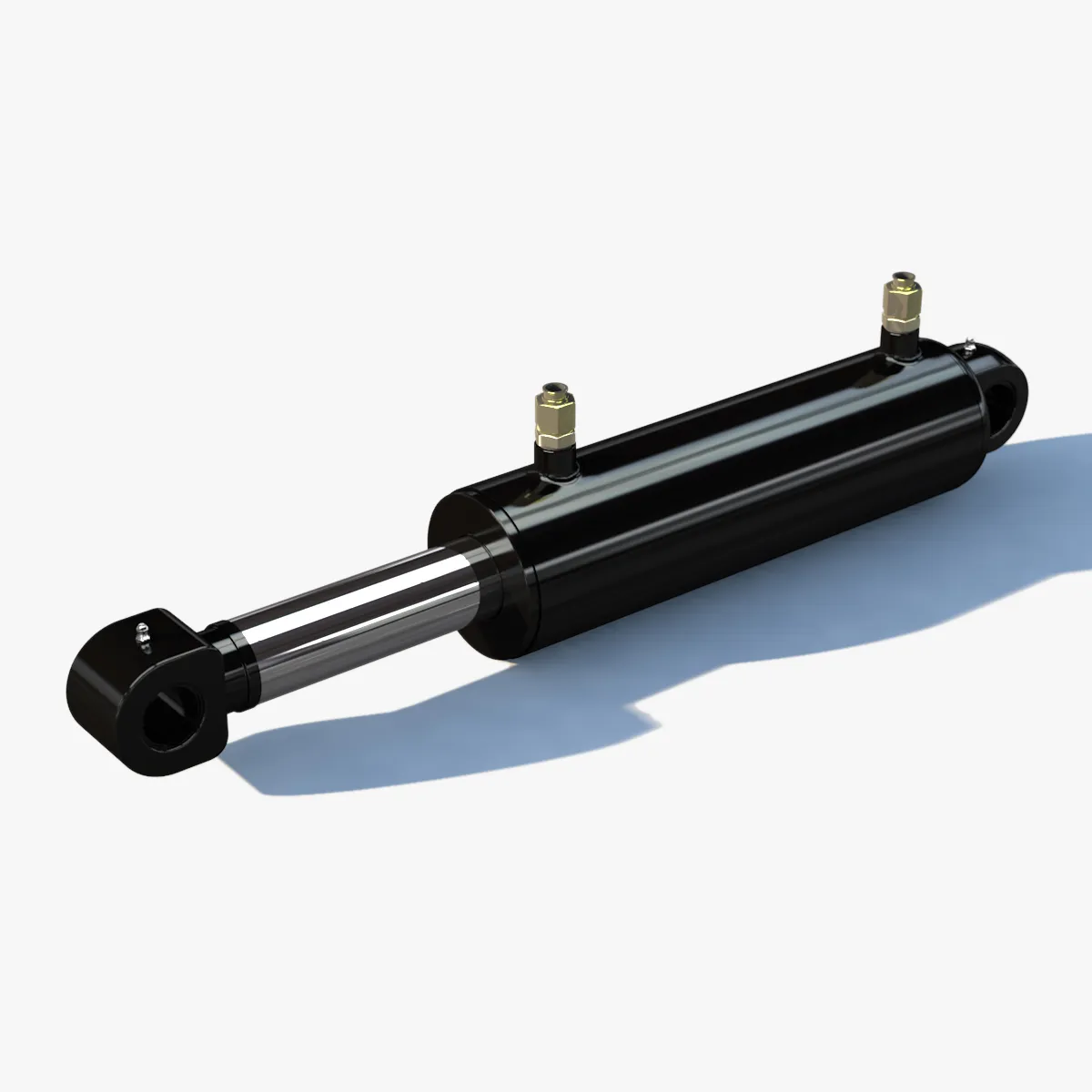
Regular inspection and preventive maintenance measures are essential to ensure the proper functioning and longevity of single-acting cylinders. These measures include monitoring fluid levels, checking seals, lubricating moving parts, and inspecting for wear and tear.
Installation Guide for Single-Acting Hydraulic Cylinders
Proper installation of single-acting hydraulic cylinders involves securing the cylinder to the mounting surface, connecting hydraulic lines, and ensuring proper alignment of moving parts. Following manufacturer guidelines and safety precautions is crucial for safe and efficient operation.
Maintenance Tasks for Single-Acting Cylinders
Three essential maintenance tasks for single-acting cylinders include:
- Regular inspection of seals and components
- Proper lubrication of moving parts
- Seal replacement and calibration inspection as needed
Safety Considerations and Environmental Factors
Ensuring safety measures and environmental considerations when using single-acting cylinders is paramount to prevent accidents and minimize environmental impact. Proper training, maintenance, and risk assessment help enhance operational safety and sustainability.
Fault Diagnosis and Common Problems
Common issues with single-acting cylinders include fluid leaks, seal damage, piston misalignment, and inadequate force generation. Proper diagnosis and troubleshooting are essential to identify and address these problems promptly, ensuring optimal performance and reliability.
Answering Key Questions
1. The primary function of single-acting hydraulic cylinders is to generate linear force in one direction.
2. Single-acting cylinders generate linear force by applying hydraulic pressure to the piston, causing it to extend and exert force on the load.
3. Common applications of single-acting cylinders include lifting, pressing, bending, and other operations requiring controlled linear motion and force.
4. Advantages of using single-acting cylinders over double-acting ones include simpler design, cost-effectiveness, and suitability for specific applications.
5. Extension and retraction movements of a single-acting cylinder are controlled through hydraulic pressure and external forces acting on the piston.
Long-Tail Keywords for Single-Acting Hydraulic Cylinders
1. “High load capacity single-acting hydraulic cylinders” – These cylinders are designed for heavy-duty applications requiring maximum force output.
2. “Compact design single-acting hydraulic cylinders” – Ideal for space-constrained environments where efficient force generation is crucial.
3. “Leak-resistant single-acting hydraulic cylinders” – Ensuring fluid containment and operational efficiency in demanding industrial settings.
Company Focus: Hydraulic Cylinder Replacement Manufacturer
Our company is a leading hydraulic cylinder replacement manufacturer with a comprehensive product line catering to domestic and international markets. We specialize in custom solutions, certified quality standards, advanced production equipment, and dedicated after-sales service to meet the diverse needs of our customers.