
The Ultimate Guide to Double-Acting Hydraulic Cylinders
Understanding the Double-Acting Hydraulic Cylinder
In the realm of hydraulic systems, a double-acting hydraulic cylinder is a critical component that plays a pivotal role in converting fluid power into linear mechanical force. These cylinders are designed with integrated load sensors that provide essential feedback control, ensuring precise and efficient operation in a variety of applications.
Principles of the Double-Acting Cylinder
Double-acting hydraulic cylinders operate using the principle of fluid pressure differentials to generate linear force in both directions. When pressurized hydraulic fluid is introduced into one side of the cylinder, it pushes the piston in one direction, while the return stroke is achieved by introducing fluid into the opposite side of the cylinder. This dual-action mechanism allows for controlled and consistent movement.
One of the key distinctions of double-acting cylinders is their ability to exert force in both directions, making them ideal for applications that require precise positioning and force control. This versatility sets them apart from other drive systems, such as single-acting cylinders or pneumatic actuators.
Components and Structure of Double-Acting Hydraulic Cylinders
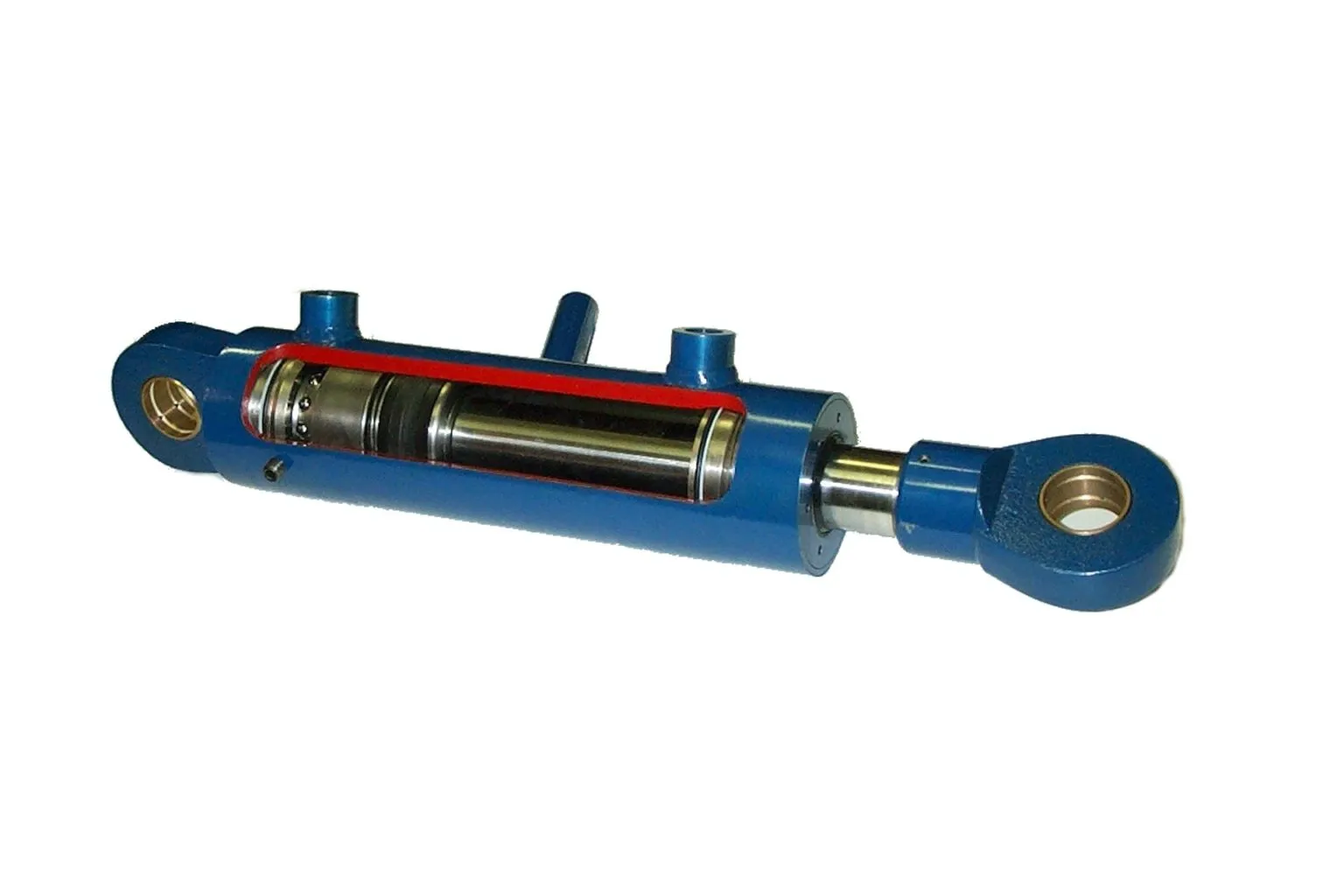
A typical double-acting hydraulic cylinder consists of a cylinder barrel, piston, rod, end caps, seals, and integrated load sensors. The design and construction of these cylinders are engineered to withstand high pressures and loads, ensuring reliable performance in demanding industrial environments.
- Cylinder Barrel: Provides housing for the piston and seals, ensuring fluid containment
- Piston: Moves back and forth within the cylinder, converting fluid pressure into linear force
- Integrated Load Sensors: Monitor the force exerted by the cylinder, providing valuable feedback for control systems
The robust construction and precise engineering of double-acting cylinders make them suitable for a wide range of applications, from material handling to heavy machinery.
Working Principle of Double-Acting Hydraulic Cylinders
Double-acting cylinders operate on the basic principle of utilizing hydraulic fluid pressure to generate linear force. When pressurized fluid is introduced into one side of the cylinder, it pushes the piston in one direction, while the return stroke is achieved by introducing fluid into the opposite side of the cylinder. This dual-action mechanism allows for controlled and consistent movement in both directions.
Force Generation and Stroke Control Mechanism
The force generated by a double-acting cylinder is directly proportional to the pressure of the hydraulic fluid and the effective surface area of the piston. By adjusting the fluid pressure and controlling the flow rate, operators can precisely control the speed and force exerted by the cylinder. Stroke control is achieved through the precise regulation of fluid flow and pressure, allowing for accurate positioning and movement control.
Performance characteristics of double-acting cylinders include high load capacity, compact design, leak resistance, and robust construction. However, limitations such as potential fluid leaks and maintenance requirements should be considered when selecting these cylinders for specific applications.
Types and Configurations of Double-Acting Hydraulic Cylinders
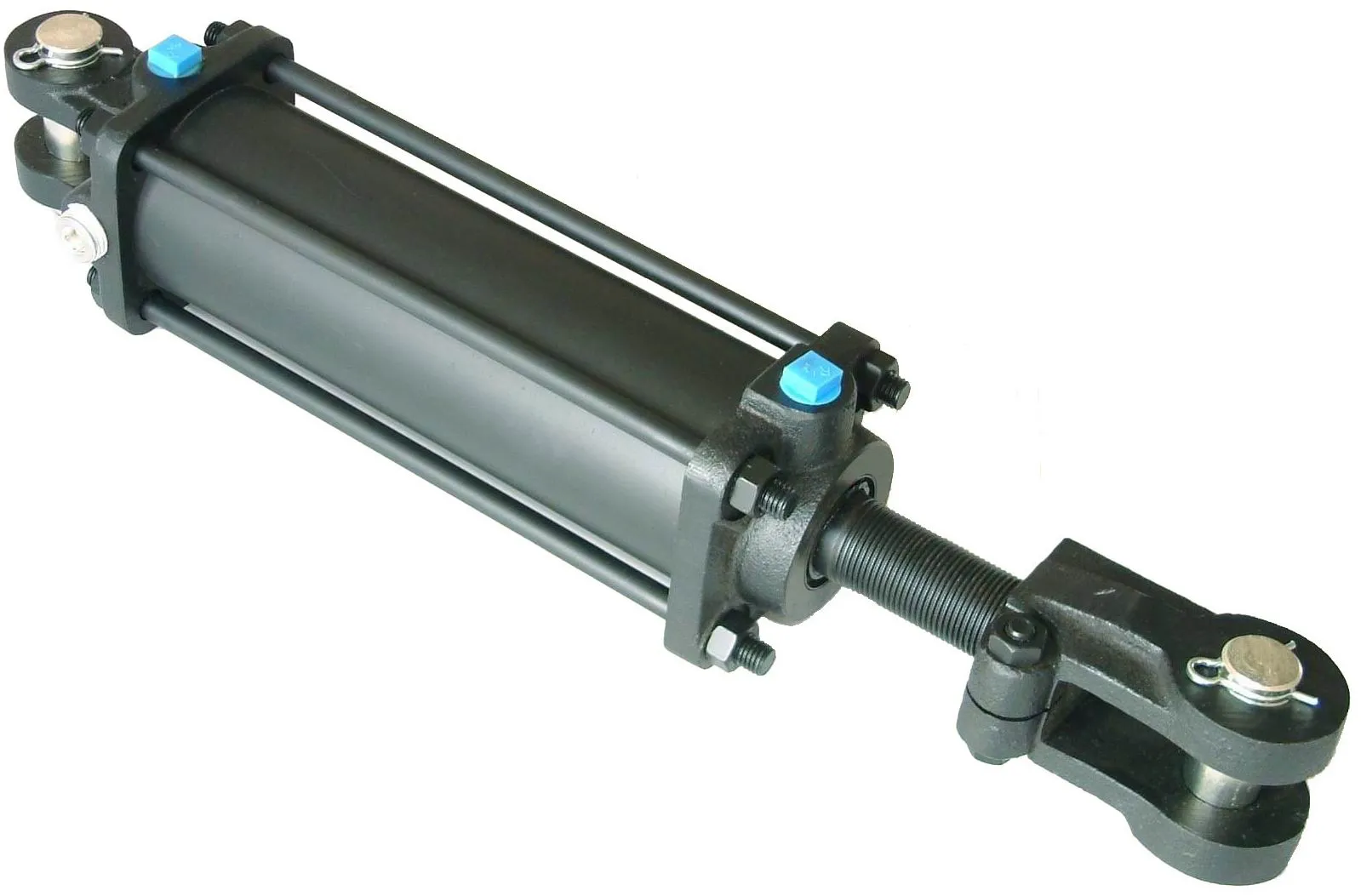
Double-acting hydraulic cylinders are available in various types and configurations to suit different application requirements. Common types include tie-rod cylinders, welded cylinders, telescopic cylinders, and custom-designed cylinders. Each type offers unique features and benefits, making them suitable for specific industrial applications.
Advantages of Double-Acting Hydraulic Cylinders
There are several key advantages to using double-acting hydraulic cylinders in industrial applications:
- Compact Design: Allows for easy integration into tight spaces
- High Load Capacity: Capable of exerting significant force for heavy-duty applications
- Robust Construction: Designed to withstand harsh operating conditions
- Leak Resistance: Seals and components are engineered to prevent fluid leaks
- Cost-Effectiveness: Provides efficient and reliable performance at a competitive price point
These advantages make double-acting cylinders a popular choice for a wide range of industries, including construction, manufacturing, transportation, and more.
Applications of Double-Acting Hydraulic Cylinders
Double-acting hydraulic cylinders are widely used in various industries and sectors, including:
1. Construction
In construction machinery, double-acting cylinders are utilized in excavators, cranes, and bulldozers for lifting, pushing, and pulling heavy loads.
2. Manufacturing
Industrial manufacturing equipment often relies on double-acting cylinders for precision positioning, automation, and material handling processes.
3. Transportation
In the transportation sector, double-acting cylinders are found in hydraulic systems for vehicles, aircraft, and marine applications for control and actuation functions.
4. Industry
Various industrial sectors, such as mining, energy, and agriculture, utilize double-acting cylinders for a wide range of applications, including equipment operation and material processing.
5. Sectoral Industries
Specific sectoral industries, such as forestry, waste management, and construction, rely on double-acting cylinders for specialized applications that require precise force control and movement.
By understanding the unique requirements of each industry, hydraulic cylinder manufacturers can tailor their products to meet specific application needs, providing reliable and efficient solutions for a diverse range of machinery and equipment.
Factors to Consider When Selecting Double-Acting Cylinders
When choosing a double-acting hydraulic cylinder for a specific application, several factors should be taken into account:
Cylinder Size and Force Calculations
The size of the cylinder and force calculations are crucial in determining the required piston diameter, stroke length, and load-bearing capacity. By accurately calculating these parameters, operators can ensure optimal performance and efficiency in their hydraulic systems.
Design Considerations
Design considerations, such as inner diameter, rod diameter, and material selection, play a significant role in the performance and durability of double-acting cylinders. By selecting the right components and materials, operators can enhance the reliability and longevity of their hydraulic systems.
Sealing Technology and Cylinder Structure
Sealing technology and cylinder structure are essential aspects of double-acting hydraulic cylinders that impact performance and reliability:
Importance of Sealing
Seals play a critical role in preventing fluid leaks and maintaining system integrity. High-quality seals ensure proper fluid containment and reduce the risk of contamination, enhancing the overall efficiency and longevity of the hydraulic system.
Sealing Materials and Compatibility
Choosing the right sealing materials that are compatible with hydraulic fluids is crucial for ensuring optimal performance and longevity. By selecting seals that are resistant to high pressures, temperatures, and harsh operating conditions, operators can minimize the risk of leaks and system failures.
Speed Control and Movement
Controlling cylinder speed and movement is essential for achieving precise and efficient operation:
Buffering Options
Adjustable buffering options can help prevent shock and vibration, ensuring smooth and controlled movement in hydraulic systems. By incorporating adjustable buffers, operators can optimize the performance and reliability of double-acting cylinders in various applications.
Inspection and Preventive Maintenance
Regular inspection and preventive maintenance are essential for ensuring the longevity and performance of double-acting hydraulic cylinders:
- Inspecting seals, components, and fluid levels regularly to identify potential issues
- Performing maintenance tasks, such as lubrication, seal replacement, and calibration inspections, according to manufacturer guidelines
- Implementing preventive measures, such as temperature monitoring and system checks, to minimize potential problems and downtime
Installation Guide for Double-Acting Hydraulic Cylinders
Proper installation of double-acting hydraulic cylinders is crucial for optimal performance and safety:
When installing a double-acting cylinder, ensure that all components are properly aligned and secured to prevent leaks and malfunctions. Follow manufacturer guidelines for installation procedures and torque specifications to ensure the reliability and longevity of the cylinder in your hydraulic system.
Maintenance Tasks for Double-Acting Cylinders
Key maintenance tasks for double-acting hydraulic cylinders include:
Regular Inspection
Regularly inspecting seals, components, and fluid levels can help identify potential issues early and prevent system failures.
Proper Lubrication
Applying the correct lubrication to seals and moving parts can help reduce friction and wear, prolonging the life of the cylinder.
Seal Replacement
Replacing seals at regular intervals can prevent leaks and ensure proper fluid containment, maintaining system efficiency and reliability.
Safety Considerations and Environmental Factors
Ensuring safety measures and considering environmental factors are crucial when using double-acting hydraulic cylinders:
Operators should adhere to safety guidelines and protocols to prevent injuries and accidents when operating hydraulic systems. Environmental factors, such as temperature, humidity, and exposure to harsh chemicals, should also be taken into account to ensure the longevity and performance of the cylinders.
Fault Diagnosis and Common Problems
Common faults and issues with double-acting hydraulic cylinders include:
Leakage
Fluid leaks can occur due to worn seals, damaged components, or improper installation, leading to reduced performance and potential system failures.
Slow or Erratic Movement
Inconsistent or sluggish movement of the cylinder can be caused by fluid contamination, worn components, or insufficient pressure, requiring troubleshooting and maintenance to resolve the issue.
Noisy Operation
Unusual noises, such as banging or grinding sounds, can indicate internal damage or misalignment, necessitating inspection and repair to prevent further damage and ensure proper operation.
Troubleshooting Tips and Solutions
To effectively diagnose and solve problems with double-acting cylinders, consider the following tips:
- Check for fluid leaks, damaged seals, or loose connections, and address any issues promptly
- Inspect components for wear, corrosion, or misalignment, and replace or realign as needed
- Adjust fluid pressure, flow rates, or buffer settings to optimize performance and control of the cylinder
Common Questions About Double-Acting Hydraulic Cylinders
Here are answers to some common questions about double-acting hydraulic cylinders:
What is the primary function of double-acting hydraulic cylinders?
The primary function of double-acting cylinders is to convert fluid power into linear mechanical force, allowing for precise control and movement in industrial applications.
How do double-acting hydraulic cylinders generate linear force?
Double-acting cylinders generate linear force by utilizing hydraulic fluid pressure differentials to push the piston in one direction and return it in the opposite direction, achieving controlled and consistent movement.
What are some common applications of double-acting hydraulic cylinders?
Common applications of double-acting cylinders include material handling, automation, lifting, pushing, pulling, and precise positioning in various industries and sectors.
Long-Tail Keywords for Double-Acting Hydraulic Cylinders
Three long-tail keywords for double-acting hydraulic cylinders include:
- Integrated Load Sensing Double-Acting Cylinders
- Precision Control Double-Acting Hydraulic Cylinders
- High-Performance Double-Acting Cylinder Solutions
Focus on Our Company
We are a leading hydraulic cylinder replacement manufacturer with a comprehensive product line and a strong presence in the domestic and international markets. Our company is known for providing high-quality hydraulic cylinders that meet the diverse needs of our customers.
Professional Services
Our team of experts offers professional services, including customized solutions, international certifications, and after-sales support, ensuring the highest standards of quality and performance in our products.
State-of-the-Art Production Facilities
Equipped with advanced production equipment and technology, our manufacturing facilities adhere to strict quality control measures to deliver reliable and efficient hydraulic cylinder solutions to our customers.
Customer-Centric Approach
At our company, we prioritize customer satisfaction and strive to exceed expectations by providing tailored solutions, timely delivery, and exceptional service to meet the unique requirements of each client.