Introduction
Understanding Double-Acting Hydraulic Cylinders
Double-acting hydraulic cylinders are crucial components in various industrial applications. These cylinders are known for their high-pressure sealing capability and reduced hydraulic friction, ensuring reliable performance and improved efficiency.
Principles of Double-Acting Hydraulic Cylinders
Double-acting hydraulic cylinders operate on the principle of utilizing hydraulic fluid to generate linear force in both directions. This allows for precise control and smooth operation in a wide range of applications.
Differences from Other Drive Systems
- Double-acting cylinders offer bidirectional force generation, unlike single-acting cylinders.
- They provide more control and flexibility compared to pneumatic systems.
- Hydraulic cylinders have higher load capacity and precision than mechanical systems.
Components and Structure
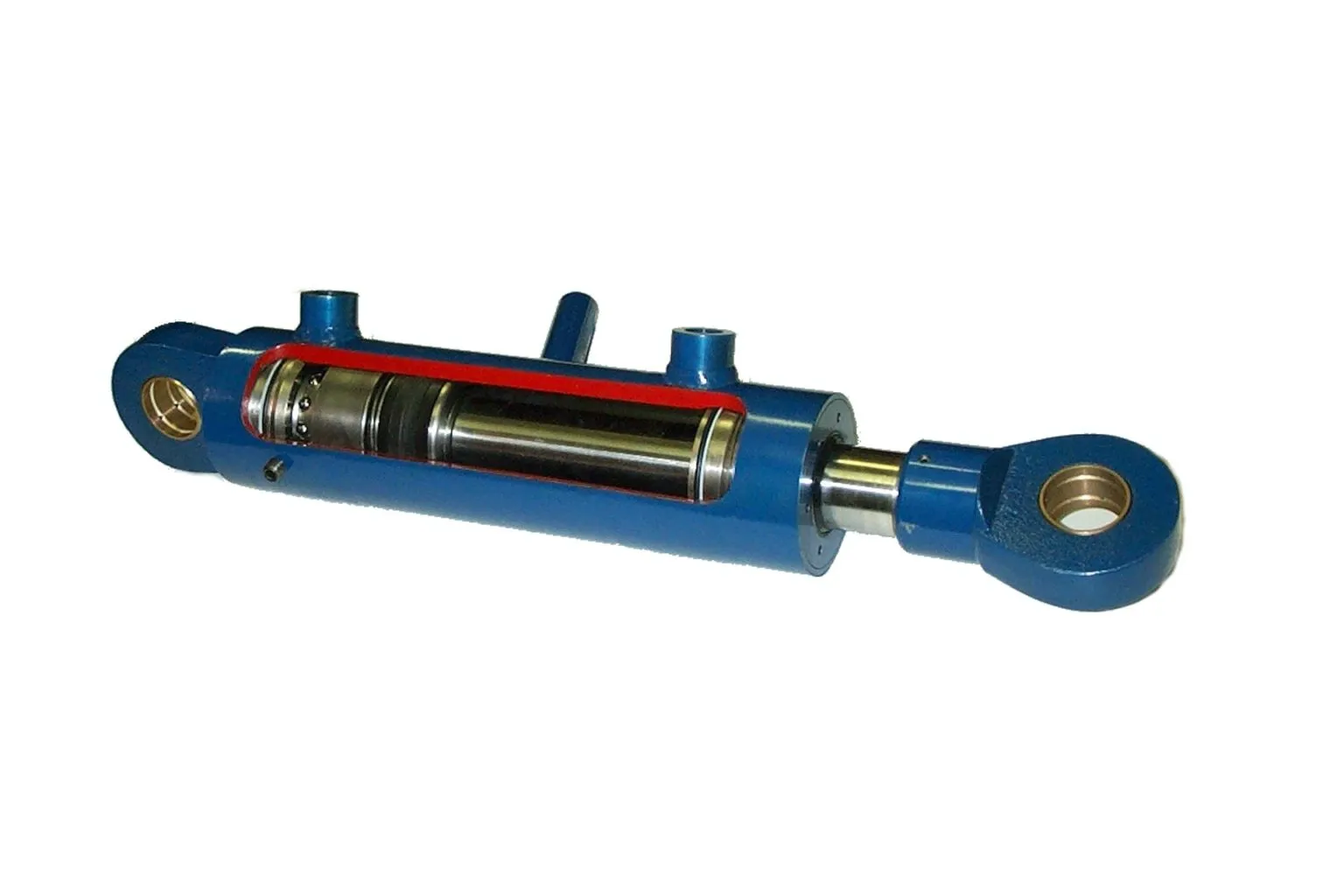
The design of a double-acting hydraulic cylinder consists of a piston, cylinder barrel, rod, seals, and hydraulic fluid. The robust construction and high-pressure sealing capability ensure long-lasting performance in demanding environments.
Working Principle
Double-acting cylinders operate by applying hydraulic pressure to extend or retract the piston. This action generates force and controls the stroke length, providing versatility in various industrial applications.
Performance Characteristics
The performance of double-acting cylinders is characterized by high load capacity, precise control, leak resistance, and cost-effectiveness. However, they may have limitations in extreme temperature or corrosive environments.
Types and Configurations
Various types of double-acting hydraulic cylinders are available, including tie-rod cylinders, welded cylinders, telescopic cylinders, and custom configurations. Each type offers unique features for specific applications.

Advantages
- Compact design for space efficiency
- High load capacity for heavy-duty applications
- Robust construction for durability
- Leak resistance for reliable performance
- Cost-effectiveness and easy maintenance
Applications
Double-acting hydraulic cylinders are widely used in industries such as construction, manufacturing, transportation, and mining. They power machinery and equipment such as cranes, presses, loaders, and excavators.
Selection Considerations
When selecting a double-acting cylinder, factors such as cylinder size, force calculations, stroke length, inner diameter, and rod diameter must be considered to ensure optimal performance in specific applications.
Sealing Technology and Structure
Sealing plays a critical role in preventing leaks in double-acting cylinders. Different sealing materials and cylinder structural components are carefully selected to ensure compatibility with hydraulic fluids and enhance performance.
Speed Control and Buffering
Controlling cylinder speed and movement is essential for smooth operation. Adjustable buffering options help prevent shock and vibration, improving overall performance and reducing wear on the cylinder.
Maintenance and Inspection
Regular inspection and preventive maintenance are vital to ensure the longevity and efficiency of double-acting hydraulic cylinders. Proper lubrication, seal replacement, and calibration inspections are essential tasks to be performed regularly.
Installation Guide
Proper installation of double-acting hydraulic cylinders is crucial for optimal performance. Following the manufacturer’s guidelines and using appropriate tools and techniques ensure safe and efficient installation.
Safety Considerations
Ensuring safety measures and considering environmental factors when using double-acting cylinders is essential to prevent accidents and protect the environment. Proper training and compliance with regulations are key to safe operation.
Fault Diagnosis and Troubleshooting
Identifying common problems and diagnosing faults in double-acting hydraulic cylinders require a systematic approach. Troubleshooting tips and solutions help address issues effectively and prevent future problems.
FAQs
1. What is the primary function of double-acting hydraulic cylinders?
Double-acting hydraulic cylinders generate linear force in both directions for precise control and smooth operation in industrial applications.
2. How do double-acting hydraulic cylinders generate linear force?
By applying hydraulic pressure, the cylinders extend or retract the piston to generate force and control the stroke length effectively.
3. What are the advantages of using double-acting hydraulic cylinders?
The advantages include compact design, high load capacity, robust construction, leak resistance, cost-effectiveness, and suitability for harsh industrial environments.
Long-Tail Keywords
1. Double-Acting Hydraulic Cylinder with High-Pressure Sealing Capability: This cylinder offers reliable performance in demanding applications with its superior sealing technology.
2. Double-Acting Hydraulic Cylinder with Reduced Hydraulic Friction: Designed for improved efficiency, this cylinder minimizes hydraulic friction for smooth operation.
Our Company
We are a leading hydraulic cylinder manufacturer specializing in high-quality, custom solutions for various industries. With a complete product line and international certifications, we offer reliable products and exceptional after-sales service to our customers worldwide.
Author: lyl