
The Double-Acting Hydraulic Cylinder: Key Concepts
In the realm of hydraulic systems, the term “double-acting hydraulic cylinder” refers to a type of hydraulic cylinder that utilizes hydraulic fluid to generate force in both directions, allowing for bi-directional movement. This versatile component is commonly used in a wide range of industrial applications due to its ability to provide precise and powerful linear motion.
Principles of a Double-Acting Cylinder
- Utilizes hydraulic fluid for force generation
- Bi-directional movement capability
- Precision linear motion
- Commonly used in industrial applications
Unlike other drive systems such as pneumatic cylinders or electric actuators, double-acting hydraulic cylinders offer a unique combination of power, precision, and reliability. By harnessing the force of hydraulic fluid, these cylinders are able to deliver consistent performance in demanding environments.
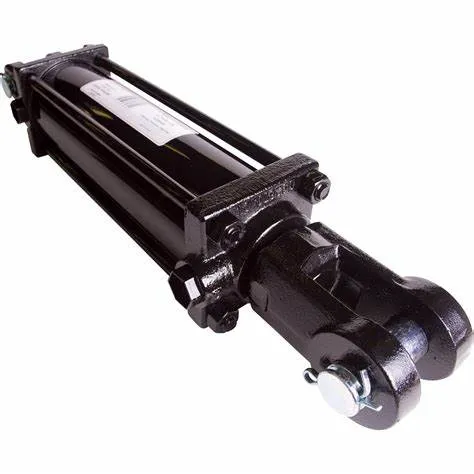
Components and Structure of a Double-Acting Hydraulic Cylinder
A typical double-acting hydraulic cylinder consists of a cylinder barrel, piston, rod, seals, and hydraulic connections. The cylinder barrel houses the piston, which divides the internal chamber into two distinct areas. Hydraulic fluid is supplied to these chambers through the hydraulic connections, allowing for controlled movement of the piston within the cylinder.
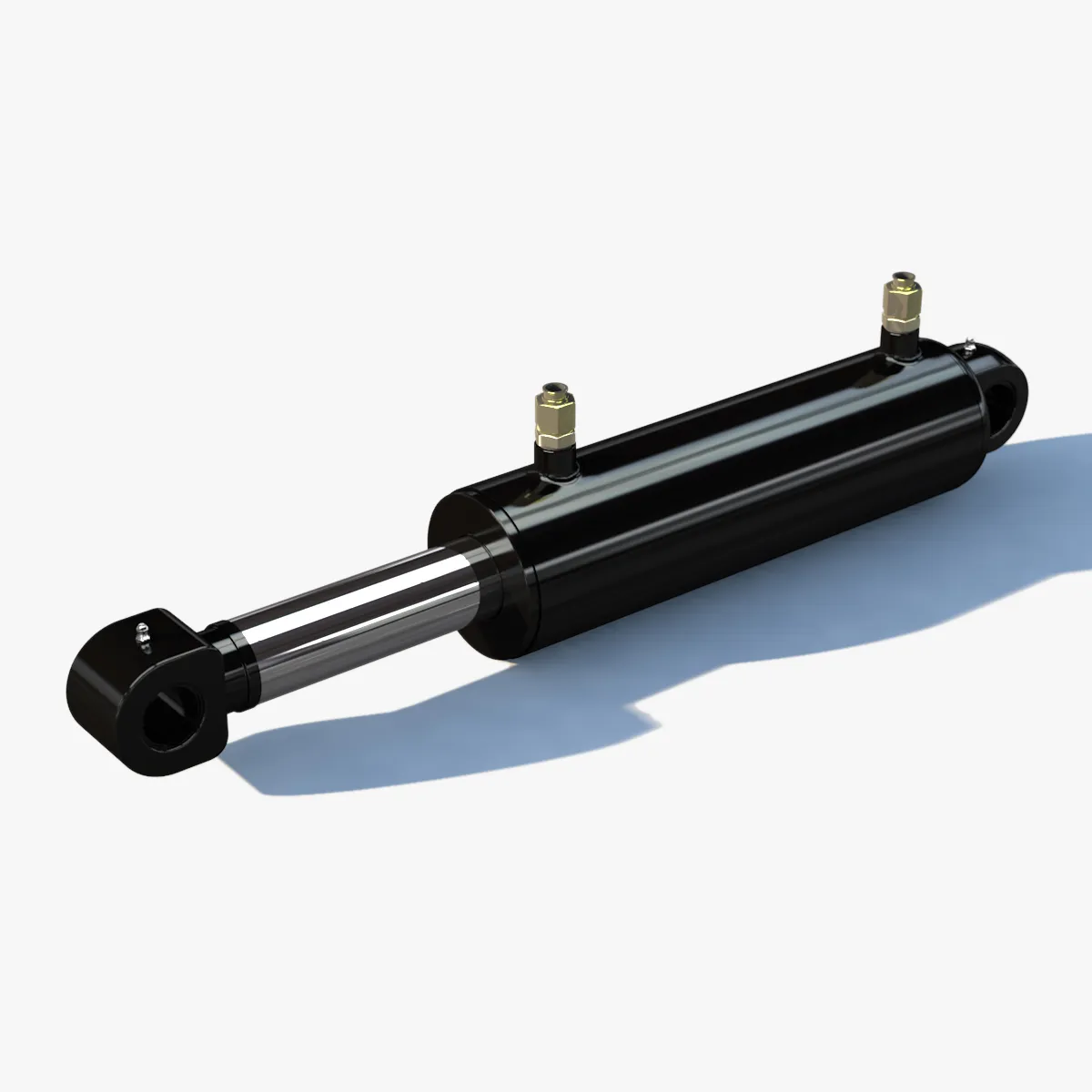
The design and construction of a double-acting hydraulic cylinder play a crucial role in its performance and durability. By utilizing high-quality materials and precision engineering, manufacturers can ensure that these cylinders meet the demanding requirements of industrial applications.
Working Principle of a Double-Acting Cylinder
When hydraulic fluid is supplied to one side of the piston, it exerts force on the piston, causing it to move in one direction. Simultaneously, the fluid on the other side of the piston is returned to the reservoir, allowing for controlled movement in both directions. This bi-directional force generation mechanism enables precise control over the stroke of the cylinder.
The performance characteristics of a double-acting cylinder include high load capacity, robust construction, leak resistance, cost effectiveness, and suitability for harsh industrial environments. These features make double-acting hydraulic cylinders an ideal choice for a wide range of applications.
Types and Configurations of Double-Acting Hydraulic Cylinders
There are several types of double-acting hydraulic cylinders available, including tie-rod cylinders, welded cylinders, telescopic cylinders, and compact cylinders. Each type offers unique advantages and is designed to meet specific application requirements.
Advantages of Double-Acting Hydraulic Cylinders
- Compact design
- High load capacity
- Robust construction
- Leak resistance
- Cost effectiveness
- Easy maintenance
- Suitability for harsh industrial environments
These advantages make double-acting hydraulic cylinders a popular choice for industries such as construction, manufacturing, transportation, and more. Their versatility and reliability make them an essential component in a wide range of machinery and equipment.
Considerations for Selecting a Double-Acting Cylinder
When selecting a double-acting hydraulic cylinder for a specific application, factors such as cylinder size, force calculations, stroke length, inner diameter, and rod diameter must be considered. By carefully evaluating these design considerations, engineers can ensure that the cylinder will meet the performance requirements of the application.
Sealing Technology and Cylinder Structure
Sealing plays a critical role in the performance of a double-acting hydraulic cylinder, as it prevents leaks and ensures the efficient operation of the cylinder. Different sealing materials are compatible with various hydraulic fluids, and the cylinder’s structural materials, coatings, and surface treatments also impact its performance and longevity.
Controlling Cylinder Speed and Movement
Controlling the speed and movement of a double-acting hydraulic cylinder can be achieved through various methods, including adjustable buffering to prevent shock and vibration. By implementing effective speed control mechanisms, engineers can optimize the performance of the cylinder and enhance its reliability.
Regular Inspection and Preventive Maintenance
To ensure the longevity and performance of a double-acting hydraulic cylinder, regular inspection and preventive maintenance measures must be implemented. By following a maintenance schedule and conducting thorough inspections, potential issues can be identified and addressed before they escalate.
Installation and Maintenance of Double-Acting Hydraulic Cylinders
Proper installation of a double-acting hydraulic cylinder is essential to its performance and longevity. By following the manufacturer’s installation guidelines and ensuring that all components are properly aligned and secured, the cylinder can operate efficiently and reliably.
Safety Considerations and Environmental Factors
When using double-acting hydraulic cylinders, safety measures must be implemented to protect personnel and equipment from potential hazards. Additionally, environmental factors such as temperature, humidity, and exposure to corrosive substances must be considered to ensure the longevity and performance of the cylinder.
Fault Diagnosis and Common Problems
In the event of a malfunction or issue with a double-acting hydraulic cylinder, it is essential to diagnose the problem accurately and implement effective solutions. Common problems such as leaks, insufficient force generation, and erratic movement can be diagnosed and resolved through proper troubleshooting techniques.
Questions and Answers
1. What is the primary function of double-acting hydraulic cylinders?
Double-acting hydraulic cylinders generate bi-directional linear force through the use of hydraulic fluid, allowing for precise and controlled movement in industrial applications.
2. How do double-acting hydraulic cylinders generate linear force?
By supplying hydraulic fluid to both sides of the piston, double-acting cylinders generate force in both directions, enabling bi-directional movement for precise control over linear motion.
3. What are some common applications of double-acting hydraulic cylinders?
Double-acting hydraulic cylinders are widely used in industries such as construction, manufacturing, transportation, and more, where precise linear motion and high load capacity are required.
Long-Tail Keywords
1. “Customizable Stroke Length Options”
Double-acting hydraulic cylinders with customizable stroke length options offer flexibility and precision in a wide range of industrial applications, allowing for tailored performance based on specific requirements.
Our Company
As a leading hydraulic cylinder replacement manufacturer, our company offers a complete product line of double-acting hydraulic cylinders with customizable stroke length options. With a focus on quality, reliability, and customer satisfaction, we have established ourselves as a trusted partner for industrial applications worldwide.
Our company prides itself on professional service, international certification, customized solutions, state-of-the-art production equipment, and comprehensive after-sales support. By prioritizing customer needs and delivering innovative solutions, we strive to exceed expectations and set new standards in the hydraulic cylinder industry.
Author: lyl