
The Ultimate Guide to Double-Acting Hydraulic Cylinders
Introduction to Double-Acting Hydraulic Cylinder
In the realm of hydraulic systems, the term “double-acting hydraulic cylinder” is often used to refer to a type of actuator that utilizes the force of hydraulic fluid to generate linear motion in two directions. This versatile component plays a crucial role in a wide range of industrial applications, from heavy machinery to precision equipment.
Principles of Double-Acting Cylinder
At its core, a double-acting hydraulic cylinder operates on the principle of utilizing pressurized fluid to create reciprocating motion. Unlike single-acting cylinders that rely on external forces for one direction of movement, double-acting cylinders can extend and retract using hydraulic pressure in both directions. This unique design allows for greater control and precision in various applications.
Difference from Other Drive Systems
Compared to other drive systems such as pneumatic cylinders or electric actuators, double-acting hydraulic cylinders offer distinct advantages in terms of power, efficiency, and reliability. The use of hydraulic fluid as the driving force ensures smooth and consistent operation, making them ideal for heavy-duty applications that require precise control over linear motion.
Components and Structure of Double-Acting Hydraulic Cylinder
The construction of a double-acting hydraulic cylinder consists of key components such as a barrel, piston, rod, seals, and ports. These elements work together to enable the cylinder to convert fluid pressure into mechanical force, allowing for controlled movement in both directions. The robust construction and precise engineering of these components ensure durability and long-lasting performance in demanding environments.
Design and Construction
The design of a double-acting hydraulic cylinder is carefully engineered to optimize fluid flow dynamics and minimize energy loss during operation. By incorporating advanced materials and precision machining, manufacturers can achieve high efficiency and performance in their cylinders. The construction of these cylinders is crucial in ensuring reliable and consistent operation under varying loads and conditions.
Working Principle of Double-Acting Cylinder
When it comes to the working principle of a double-acting hydraulic cylinder, the key lies in the utilization of hydraulic pressure to drive the movement of the piston. As pressurized fluid enters one side of the cylinder, it pushes the piston in one direction, while simultaneously allowing fluid on the other side to flow out. This dual-action mechanism enables precise control over the extension and retraction of the cylinder, making it suitable for a wide range of applications.
Force Generation and Stroke Control
The force generated by a double-acting cylinder is directly proportional to the pressure of the hydraulic fluid and the effective area of the piston. By adjusting the flow rate and pressure, operators can control the speed and force output of the cylinder to meet specific application requirements. Stroke control mechanisms such as limit switches or position sensors further enhance the precision and repeatability of the cylinder’s movement.
Performance Characteristics and Limitations
Double-acting hydraulic cylinders are known for their high load capacity, compact design, robust construction, leak resistance, cost-effectiveness, and suitability for harsh industrial environments. However, they may have limitations in terms of speed, precision, and maintenance requirements. Understanding these performance characteristics is essential for maximizing the efficiency and reliability of these cylinders in various applications.
Types and Configurations of Double-Acting Hydraulic Cylinder
There are several types and configurations of double-acting hydraulic cylinders available, including tie-rod cylinders, welded cylinders, telescopic cylinders, and custom-designed cylinders. Each type offers unique features and benefits, making them suitable for specific applications based on load requirements, space constraints, and environmental conditions.
Advantages of Double-Acting Hydraulic Cylinder
- Compact design: Allows for easy installation in confined spaces
- High load capacity: Capable of handling heavy loads with precision
- Robust construction: Ensures durability and long-term performance
- Leak resistance: Minimizes the risk of hydraulic fluid leakage
- Cost-effectiveness: Provides a reliable and efficient solution for various applications
Applications of Double-Acting Hydraulic Cylinder
Double-acting hydraulic cylinders are widely used in industries such as construction, manufacturing, transportation, agriculture, and mining. These cylinders play a critical role in various machinery and equipment, including excavators, cranes, presses, agricultural machinery, and more. Their versatility and reliability make them indispensable components in modern industrial applications.
Factors to Consider When Selecting a Double-Acting Cylinder
When choosing a double-acting hydraulic cylinder for a specific application, several factors must be taken into account, including cylinder size, force calculations, stroke length, inner diameter, rod diameter, and design considerations. By carefully evaluating these factors, operators can ensure optimal performance and efficiency of the cylinder in their equipment.
Sealing Technology and Cylinder Structure
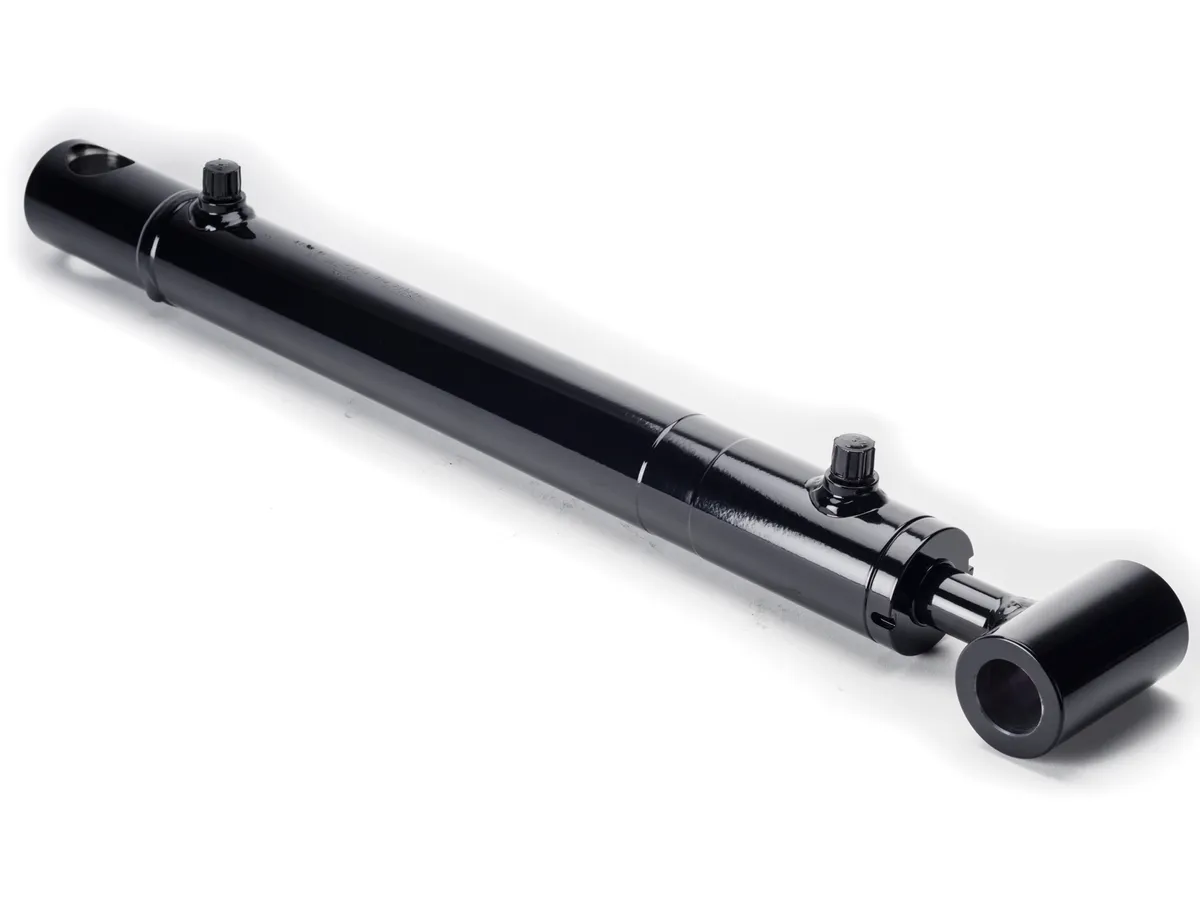
The sealing technology and cylinder structure of double-acting hydraulic cylinders are crucial in maintaining operational efficiency and preventing leaks. High-quality seals made from compatible materials and proper cylinder construction ensure a tight seal and reliable performance under varying operating conditions. Understanding the importance of sealing technology is essential for maximizing the service life and reliability of hydraulic cylinders.
Control of Cylinder Speed and Movement
Controlling the speed and movement of a double-acting hydraulic cylinder is essential for achieving precise and efficient operation. By implementing various speed control mechanisms such as flow control valves, directional control valves, and adjustable buffering systems, operators can regulate the cylinder’s movement to meet specific application requirements. Adjustable buffering systems play a key role in minimizing shock and vibration, enhancing the overall performance and longevity of the cylinder.
Inspection and Preventive Maintenance
- Regular inspection: Ensure all components are functioning properly
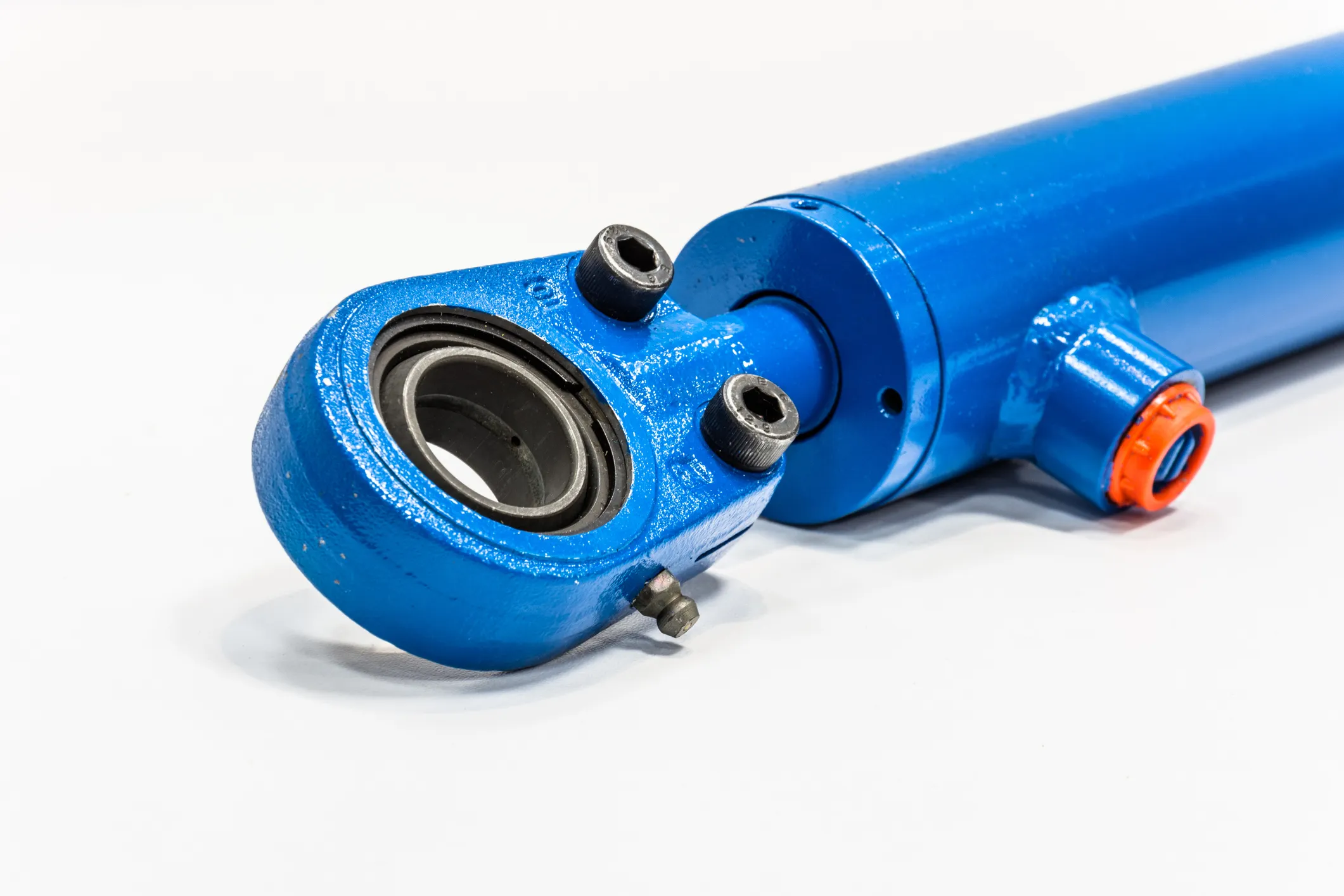
- Proper lubrication: Maintain optimal performance and prevent wear
- Seal replacement: Address any signs of leakage or wear in seals
- Calibration inspection: Verify the accuracy and alignment of the cylinder
Installation Guide for Double-Acting Hydraulic Cylinder
Proper installation of a double-acting hydraulic cylinder is crucial for ensuring optimal performance and longevity. By following manufacturer guidelines and best practices, operators can prevent issues such as misalignment, leaks, and premature wear, resulting in efficient and reliable operation of the cylinder in their equipment.
Safety Considerations and Environmental Factors
When using double-acting hydraulic cylinders, it is important to prioritize safety measures to prevent accidents and ensure operator protection. Environmental factors such as temperature, humidity, and exposure to contaminants can also impact the performance and service life of hydraulic cylinders. By implementing proper safety protocols and environmental controls, operators can maintain a safe and productive working environment while maximizing the efficiency of their equipment.
Fault Diagnosis and Common Problems
Identifying and resolving faults in double-acting hydraulic cylinders is essential for maintaining operational efficiency and preventing downtime. Common problems such as leaks, seal damage, misalignment, and insufficient force output can be diagnosed through thorough inspection and testing. By addressing these issues promptly and effectively, operators can minimize downtime and maximize the performance of their hydraulic systems.
Troubleshooting Tips and Solutions
When faced with issues in double-acting hydraulic cylinders, operators can implement troubleshooting tips and solutions to diagnose and resolve problems effectively. By following manufacturer recommendations and best practices, operators can address common issues such as leaks, insufficient force output, and erratic movement, ensuring optimal performance and reliability of their hydraulic systems.
Questions and Answers
1. What is the primary function of double-acting hydraulic cylinders?
The primary function of double-acting hydraulic cylinders is to generate linear motion in two directions using hydraulic pressure.
2. How do double-acting hydraulic cylinders generate linear force?
Double-acting hydraulic cylinders generate linear force by using pressurized hydraulic fluid to drive the movement of the piston in both directions.
3. What are some common applications of double-acting hydraulic cylinders?
Double-acting hydraulic cylinders are commonly used in construction equipment, manufacturing machinery, agricultural implements, and industrial automation systems.
4. What are the advantages of using double-acting hydraulic cylinders over other drive systems?
Double-acting hydraulic cylinders offer advantages such as high load capacity, precise control, leak resistance, and suitability for harsh industrial environments.
5. How do you control the extension and retraction movements of a double-acting hydraulic cylinder?
Extension and retraction movements of a double-acting hydraulic cylinder are controlled by adjusting the flow rate and pressure of the hydraulic fluid entering the cylinder.
Long-Tail Keywords
1. “Optimized Fluid Flow Dynamics in Double-Acting Hydraulic Cylinders”
Optimized fluid flow dynamics play a crucial role in maximizing the efficiency and performance of double-acting hydraulic cylinders. By engineering the internal passages and ports to minimize energy loss and turbulence, manufacturers can achieve optimal fluid flow and motion control in their cylinders, resulting in smooth and precise operation in various applications.
2. “Enhanced Sealing Technology for Improved Performance”
Advanced sealing technology is essential for enhancing the performance and reliability of double-acting hydraulic cylinders. By selecting high-quality seals made from durable and compatible materials, manufacturers can prevent leaks, reduce maintenance requirements, and prolong the service life of their cylinders. Enhanced sealing technology ensures tight seals and efficient operation under challenging operating conditions.
3. “Customized Solutions for Unique Application Requirements”
Custom-designed double-acting hydraulic cylinders offer tailored solutions for specific application requirements. By collaborating with manufacturers to design and engineer cylinders that meet unique performance, size, and environmental constraints, operators can achieve optimal efficiency and reliability in their equipment. Customized solutions ensure that cylinders are optimized for the specific demands of each application, enhancing overall performance and productivity.
Our Company
We are a leading hydraulic cylinder replacement manufacturer with a comprehensive product line that caters to diverse industrial needs. With a focus on quality, innovation, and customer satisfaction, we have established ourselves as a trusted partner in the domestic and international markets. Our commitment to excellence, international certifications, customizable services, state-of-the-art production equipment, and dedicated after-sales support sets us apart as a preferred supplier for hydraulic solutions worldwide.
Author: lyl