Exploring the Telescopic Single-Acting Hydraulic Cylinder With Integrated Sensors
Introduction
Telescopic single-acting hydraulic cylinders are essential components in hydraulic systems, offering unique capabilities and advantages. This article delves into the design, construction, working principle, types, applications, maintenance, and optimization of telescopic single-acting hydraulic cylinders with integrated sensors.
Design and Construction Characteristics
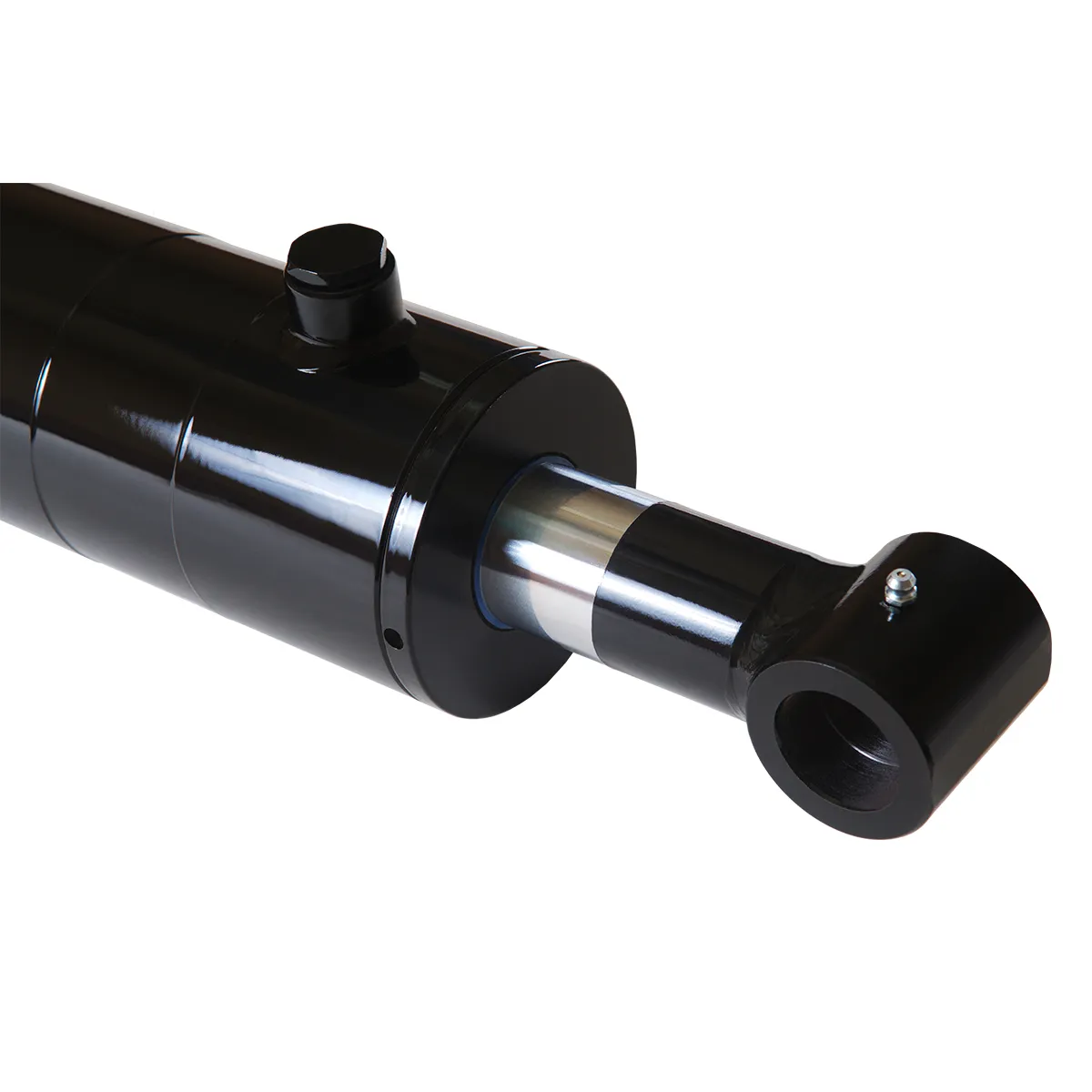
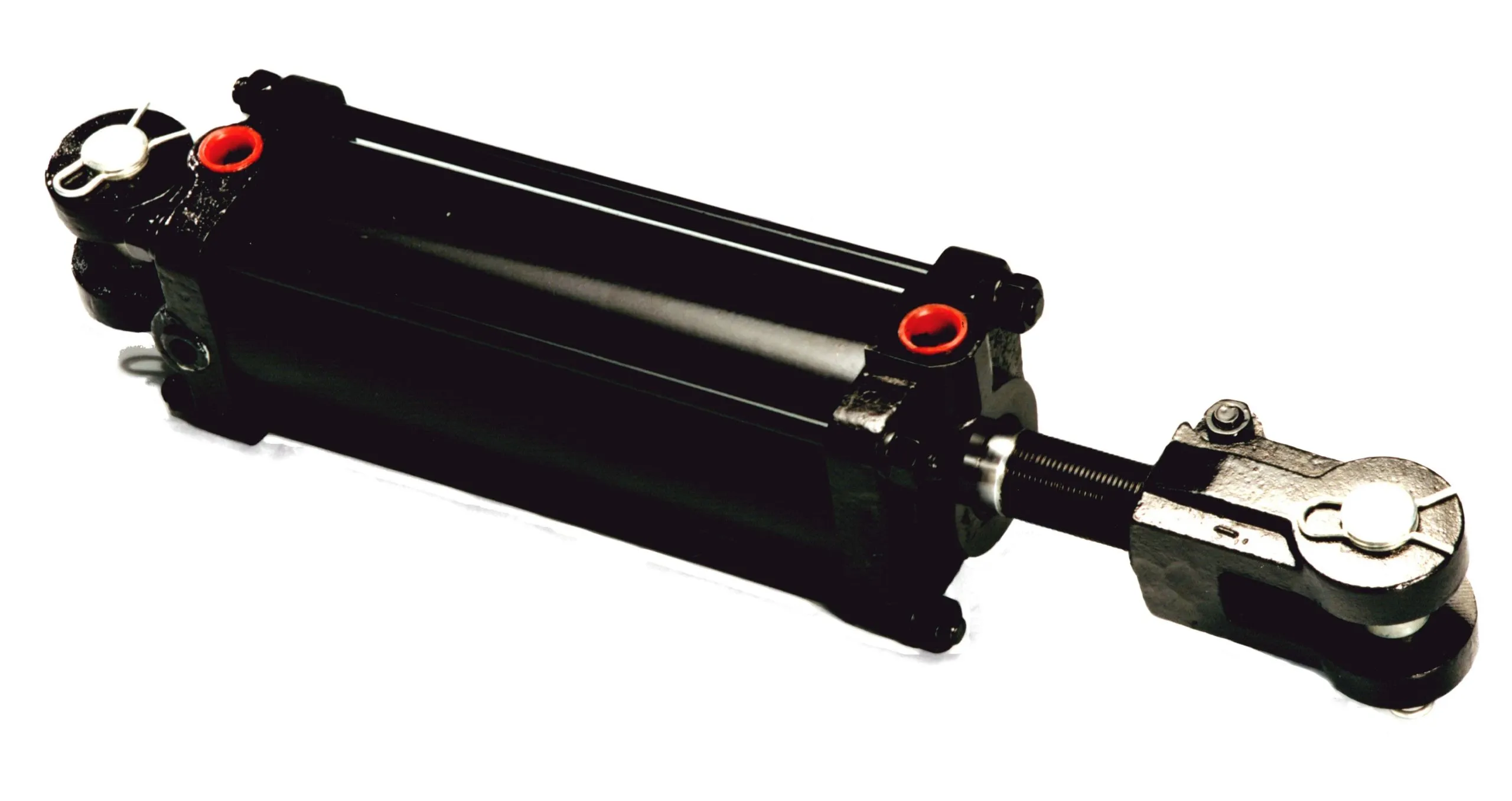
- Outer Cylinder: The external shell housing the internal stages for gradual expansion.
- Internal Stage: Allows for incremental extension, typically in a two- or three-stage configuration.
- Piston: Drives hydraulic fluid to generate force.
- Seals: O-rings and wiper seals prevent leaks and maintain pressure.
- Materials: High-strength steel, aluminum for lightweight applications, corrosion-resistant coatings.
Working Principle
A telescopic single-acting hydraulic cylinder extends and retracts through hydraulic pressure in one direction, utilizing springs or gravity for contraction. This action enables compact storage and powerful force output.
Types and Configurations
- Single-Stage Cylinder: Basic design for straightforward applications.
- Two-Stage Cylinder: Offers intermediate extension capabilities.
- Three-Stage Cylinder: Provides maximum reach and force output.
Advantages
- Space Efficiency: Compact design for significant expansion in limited areas.
- High Force Output: Capable of lifting heavy loads with substantial force.
- Versatility: Widely used in construction, agriculture, and transportation industries.
Application Scenarios
- Space Efficiency: Ideal for dump trucks and confined spaces.
- High Force Output: Crucial for lifting heavy machinery.
- Versatility: Adaptable across various industries and environments.
Design Considerations and Selection Criteria
- Bearing Capacity: Ensuring the cylinder can withstand intended loads.
- Sealing: Proper seals to prevent leaks and maintain efficiency.
- Durability: Materials and coatings for long-lasting performance.
- Safety: Ensuring safe operation and maintenance practices.
- Maintainability: Ease of maintenance and repair for extended lifespan.
Sealing and Lubrication
Utilizing piston seals, rod seals, and wear-resistant materials for effective sealing. Regularly lubricating with hydraulic oil and surface treatments for wear resistance.
Preventive Maintenance
- Regular Inspection: Checking for leaks, damage, and wear.
- Lubrication: Ensuring proper lubrication for smooth operation.
- Seal Replacement: Replacing worn seals to maintain efficiency.
Installation Guide
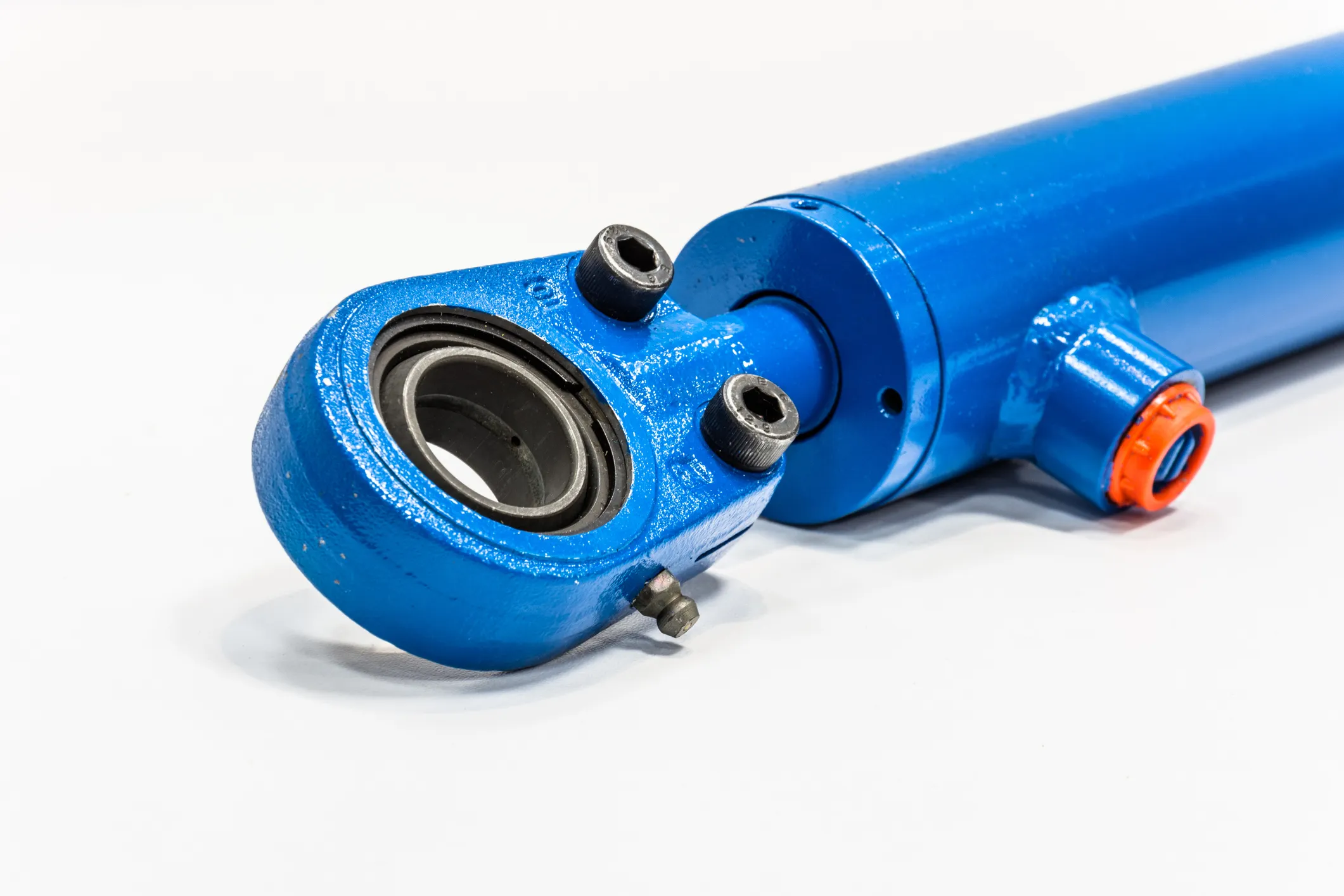
Properly installing the telescopic single-acting hydraulic cylinder ensures optimal performance and longevity. Follow manufacturer guidelines for correct alignment and mounting.
Unit Power and Optimization
- Cylinder Diameter and Travel: Impact force output and power.
- Operating Pressure: Higher pressure correlates with increased power.
- Piston Speed and Load: Considerations for power calculation and performance.
Company Focus
Our company specializes in manufacturing and distributing high-quality hydraulic cylinders, including telescopic single-acting cylinders with integrated sensors. With a complete product line and commitment to excellence, we cater to domestic and international markets.
Author: lyl