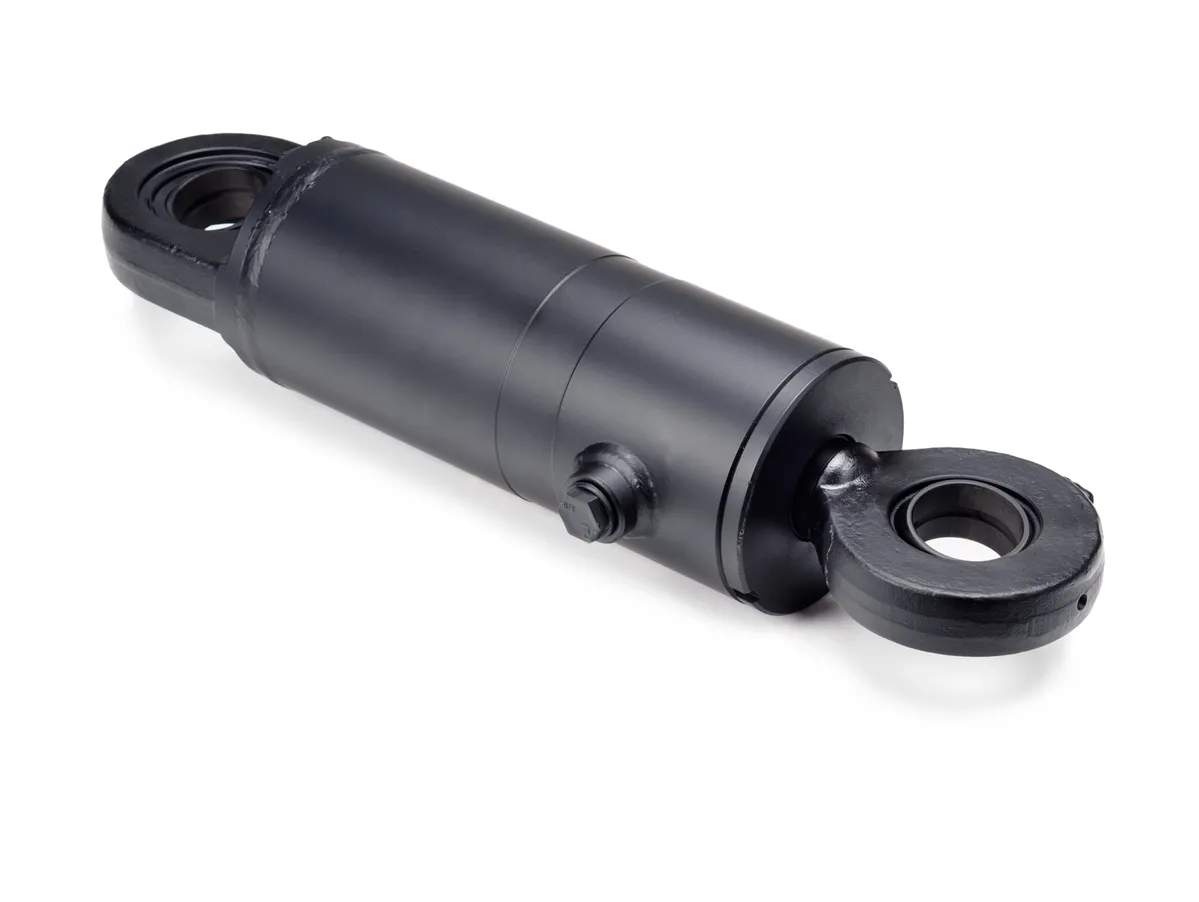
Understanding Telescopic Single-Acting Hydraulic Cylinders
Introduction to Telescopic Single-Acting Hydraulic Cylinders
Telescopic single-acting hydraulic cylinders are essential components in hydraulic applications due to their ability to provide controlled linear motion. These cylinders feature a unique design that allows for gradual expansion, providing versatility in various industries.
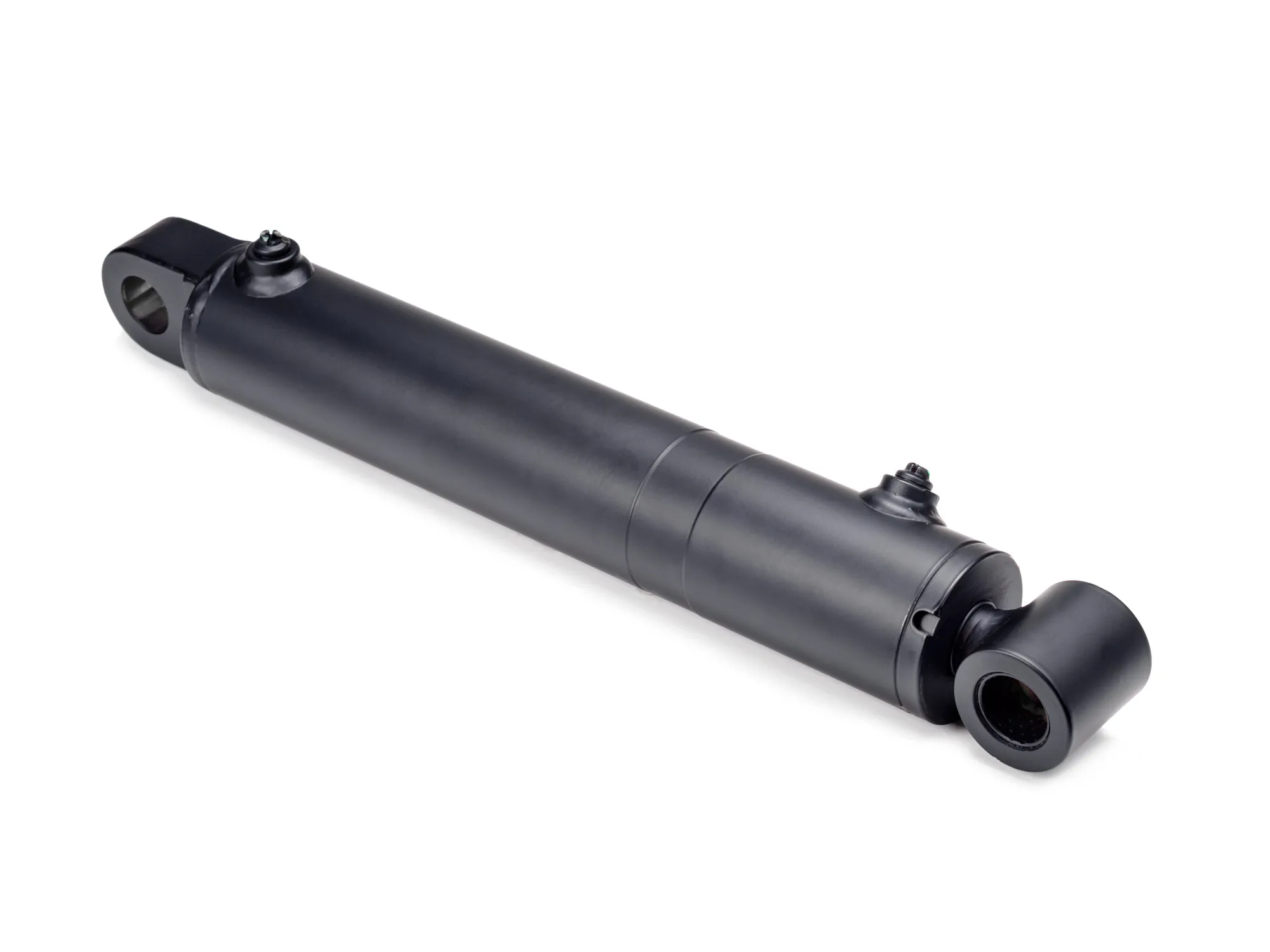
Design and Construction Characteristics
- Structure: Telescopic cylinders consist of outer and internal stages that allow for gradual expansion. The piston pushes hydraulic fluid, while seals like O-rings prevent leaks.
- Materials: High-strength steel, aluminum, and corrosion-resistant coatings ensure durability and efficiency.
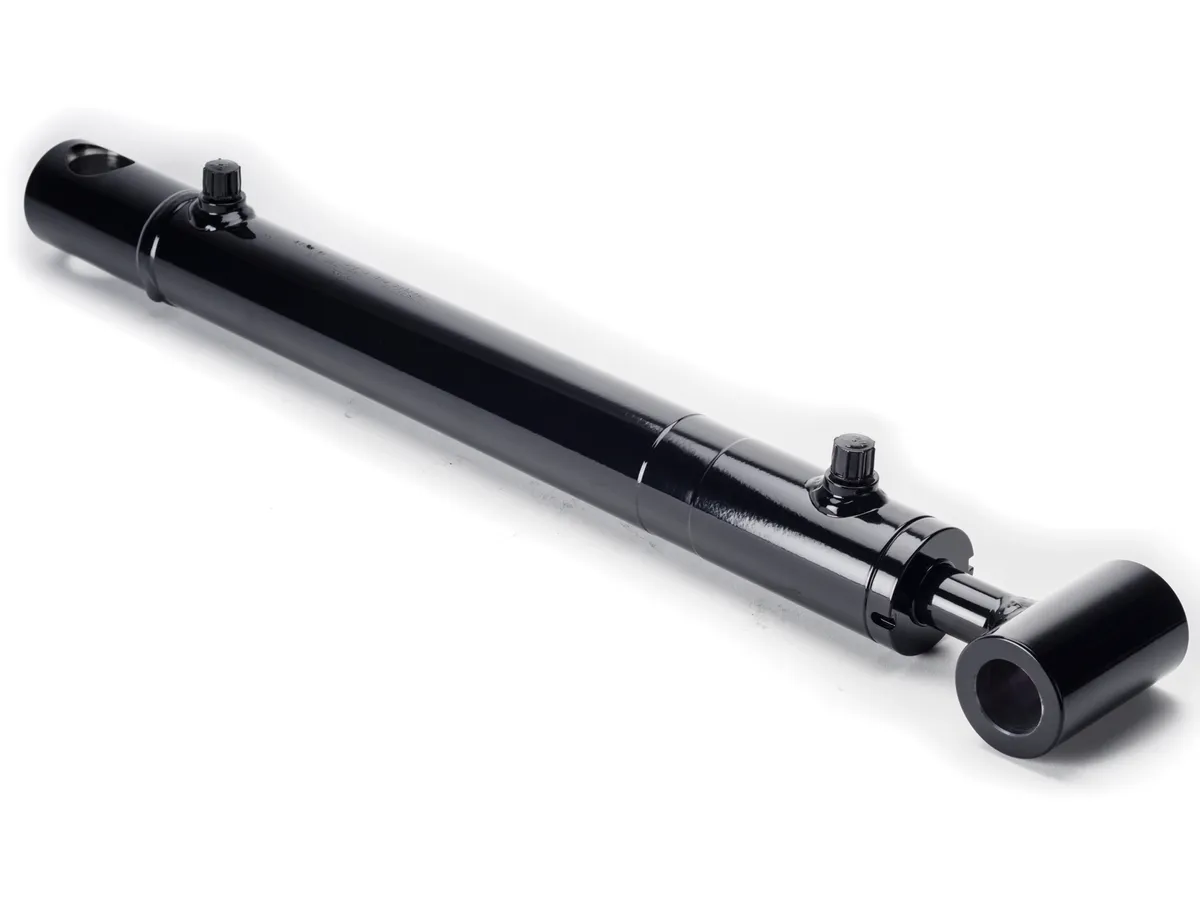
Working Principle
Telescopic single-acting hydraulic cylinders apply hydraulic pressure in one direction, utilizing a spring or gravity to contract and extend from a compact form.
Types and Configurations
There are three main types of telescopic single-acting hydraulic cylinders, each offering unique advantages in different applications.
Advantages
- Space Efficiency: Ideal for compact spaces while offering significant expansion capabilities.
- High Force Output: Capable of generating large amounts of force for lifting and driving applications.
Application Scenarios
Telescopic cylinders find application in various industries due to their adaptability and efficiency in tight spaces.
Design Considerations
- Bearing Capacity
- Sealing
- Durability
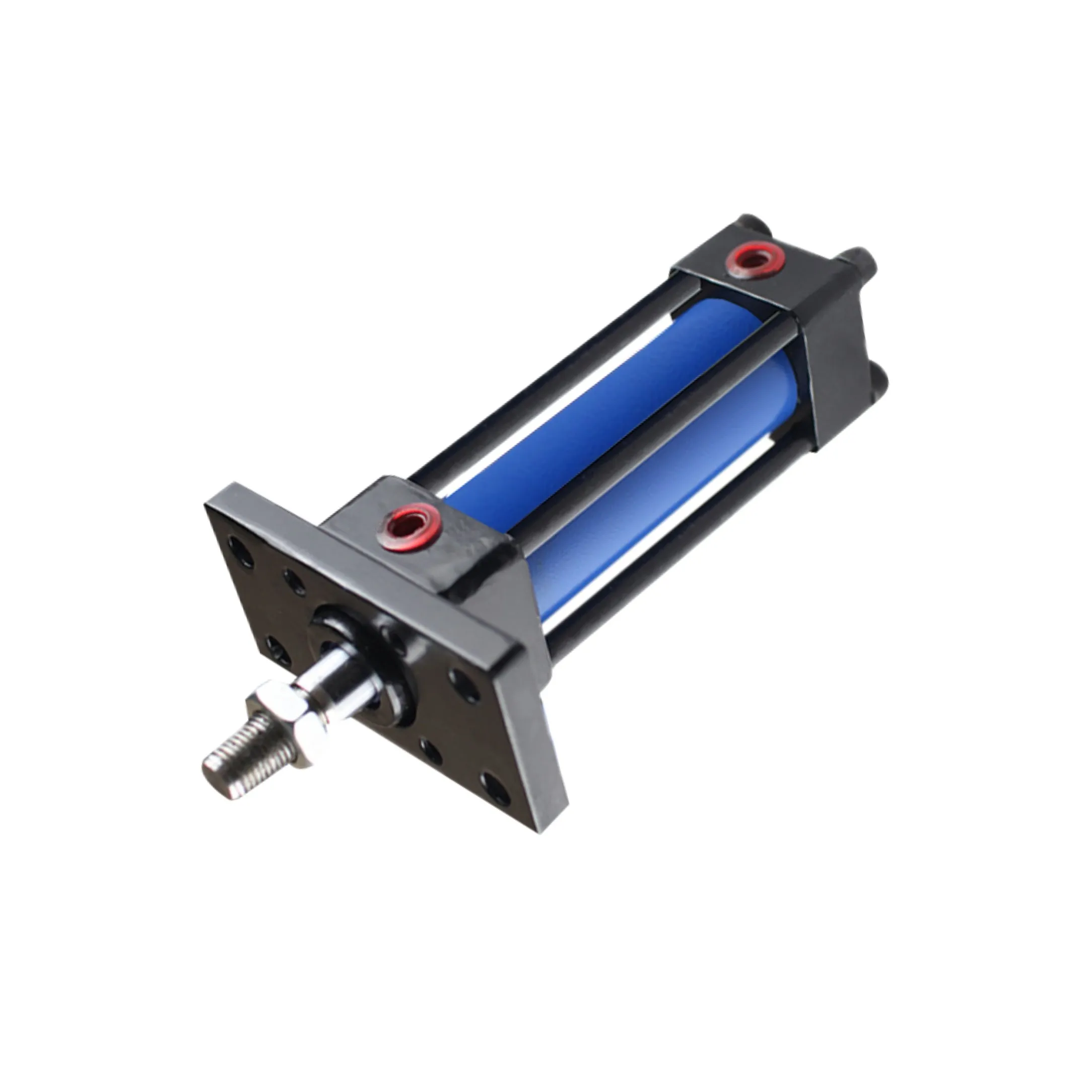
Sealing and Lubrication
Proper sealing and lubrication are crucial for the optimal performance and longevity of telescopic single-acting hydraulic cylinders.
Regular Inspection and Maintenance
Implementing preventive maintenance measures can enhance the lifespan and efficiency of the hydraulic cylinders.