
Fluid Power Reliability Engineering
How to Properly Store Hydraulic Cylinders to Prevent Rust and Seal Degradation
An authoritative technical blueprint for fleet managers and maintenance engineers to safeguard high-value linear actuators against atmospheric oxidation and polymer breakdown.

The Strategic Importance of Actuator Preservation
In the relentless world of commercial construction, heavy mining operations, and large scale industrial manufacturing, hydraulic cylinders are the undisputed mechanical muscles that convert fluid energy into unrelenting kinetic force. These robust pressure vessels represent a massive capital investment for any organization. However, a common misconception among fleet managers and maintenance personnel is that these forged steel components are invincible when sitting idle. In reality, a hydraulic cylinder is most vulnerable when it is removed from active duty and placed into storage. Without a rigorous preservation protocol, the very environment intended to protect the equipment can become its greatest adversary. Understanding how to properly store hydraulic cylinders is the fundamental difference between a machine that is ready for instant deployment and one that requires a five thousand dollar overhaul before it can lift a single kilogram.
When a cylinder is stored improperly, two insidious processes begin immediately: metallurgical oxidation and polymer degradation. The polished chrome rod, despite its mirror smooth appearance, possesses microscopic pores that can trap moisture, leading to deep pitting and rust. Simultaneously, the internal polyurethane and nitrile seals, which rely on a continuous film of hydraulic oil to maintain their elasticity, begin to dry out and harden. To see the quality standards required to prevent such failures, you should investigate our official hydraulic cylinders website. This guide serves as an authoritative engineering blueprint to ensure your fluid power investments remain in factory-fresh condition regardless of storage duration.
?️ CORE ENGINEERING PRINCIPLE
Storage is not a passive state. It is an active management of thermodynamic and chemical variables. A cylinder is a sealed pressure vessel designed to move; when stationary, we must artificially simulate its operational protection to prevent internal leaking and structural fatigue.
Identifying the Primary Threats to Idle Hydraulics
Galvanic and Atmospheric Oxidation
Rust is the most visible sign of storage failure. When a piston rod is left extended, the chrome plating is exposed to ambient humidity. If the rod makes contact with dissimilar metals or corrosive debris, galvanic reactions occur. This creates pitting that will eventually act like a razor blade, shredding seals the moment the cylinder is re-activated. This is a common issue for heavy Excavator Hydraulic Cylinders stored in coastal or high-humidity regions.
Hydraulic Seal Degradation
Internal polymers like polyurethane have a finite shelf life. When stagnant, the hydraulic oil can separate or undergo chemical shifts. Furthermore, seals that are not regularly lubricated by rod movement will stick to the metal surfaces—a phenomenon known as stiction. When the cylinder is finally used, these seals can tear, leading to massive internal bypass. This is especially risky for precision Aerial Work Vehicle Hydraulic Cylinders where safety is paramount.

Phase 1: The Golden Rule of Fully Retracted Storage
If you take only one engineering principle from this manual, let it be this: Always store hydraulic cylinders in the fully retracted position. This is the single most effective method to prevent hydraulic cylinder rust. By retracting the piston rod completely, you draw the highly polished, chrome-plated surface into the protective, oil-filled interior of the cylinder barrel. Here, the rod is submerged in hydraulic fluid, which acts as a total oxygen barrier, making oxidation chemically impossible. For massive components like Dump Truck Hydraulic Cylinders, leaving the rod extended during winter storage is the primary cause of premature rod scoring and seal failure.
If for some reason the machine kinematics require the cylinder to be stored partially extended, the exposed portion of the rod must be manually protected. This involves applying a thick coating of specialized heavy duty corrosion inhibitor or marine-grade grease. Some engineering teams utilize industrial-strength cling wrap or specialized rod boots to provide a physical shield against falling debris and moisture. However, these are secondary measures. The internal oil bath remains the superior preservation medium. For those working with Agricultural Hydraulic Cylinders, which often sit in barns for half the year, the “Fully Retracted” rule is a non-negotiable requirement for fleet longevity.
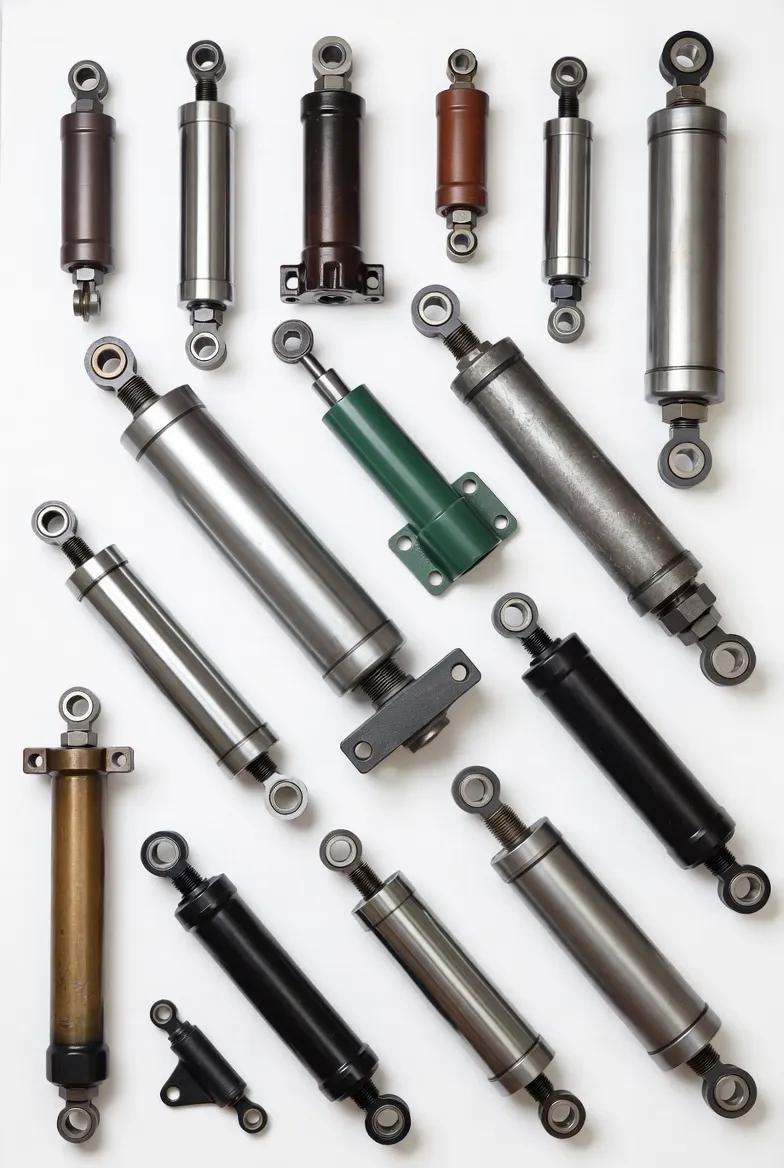
- Vertical is Vital: Store cylinders vertically whenever possible to prevent the weight of the piston from causing seal “flat spots” over long durations.
- Climate Control: Maintain a stable temperature between 15°C and 25°C to prevent the “breathing” effect caused by thermal expansion of air.
- UV Shielding: Keep all actuators away from direct sunlight; UV radiation is the primary driver of polymer seal embrittlement.
Phase 2: Precision Cleaning and Port Management
Before the cylinder enters the warehouse, it must be surgically cleaned. Any residue of fertilizer, concrete dust, or road salt will act as a catalyst for corrosion. Utilize a neutral pH degreaser to remove all external contaminants. Pay special attention to the junction where the rod enters the head gland—this is where microscopic debris likes to hide. Once clean, the ports must be handled with extreme care. Standard plastic shipping plugs are insufficient for long term storage as they can easily pop out or degrade. Instead, utilize high-grade steel or brass threaded plugs with fresh O-rings. This creates a hermetic seal that prevents atmospheric moisture from entering the internal chambers.

For long term storage (exceeding six months), many maintenance facilities choose to completely fill the cylinder with a specialized storage oil or a vapor-phase corrosion inhibitor (VCI) oil. This provides a 360-degree internal shield. However, if this method is chosen, the cylinder must be clearly tagged. Upon re-commissioning, this storage oil must be drained and the system flushed with the correct operating fluid to prevent chemical incompatibility within the machine’s main reservoir.
Waking the Muscle: Safe Re-Commissioning Protocols
The process of bringing a stored cylinder back to life is just as critical as the storage itself. If you simply bolt a dormant cylinder onto a machine and apply full system pressure (typically 3000+ PSI), you risk immediate seal failure. The seals may have adhered slightly to the barrel walls. The proper engineering protocol is to perform several “dry cycles” at very low pressure. This allows the internal lubrication to redistribute and gently “breaks” any stiction bonds without tearing the polyurethane lips. If you are working with specialized components like Forklift Hydraulic Cylinders, ensuring the internal check valves are functioning after storage is a vital safety checkpoint.

Inspect the rod meticulously before the first stroke. If you see any signs of rust or even a light film of oxidation, remove it with a very fine emery cloth (600 grit or higher) dipped in hydraulic oil. Never use a dry abrasive. Once the rod is verified smooth, re-install the actuator and verify perfect kinematic alignment. Side loading during the first few cycles after storage is a leading cause of immediate seal blowouts.
Expert Guidance for Your Fleet
Need specific storage specifications for custom actuators or extreme duty environments? Our engineering team is ready to assist you in maximizing your equipment’s lifespan.
Conclusion: Dictating Your Own Durability
Proper hydraulic cylinder storage is not an optional luxury; it is a critical component of professional fluid power management. By adhering to the “Fully Retracted” golden rule, enforcing surgical cleanliness protocols, and managing the thermodynamic and chemical variables of your storage facility, you effectively halt the aging process of your actuators. Whether you are managing a fleet of heavy construction equipment or specialized agricultural machinery, your dedication to preservation ensures that when the time comes for deployment, your hydraulics will perform with unyielding force and absolute reliability. Protect your assets, prevent seal degradation, and master the art of storage today.