
Advanced Metallurgical Solutions
Rolling Mill AGC Cylinders: Precision in Heavy-Duty Metallurgical Equipment
A comprehensive technical guide to Automatic Gauge Control (AGC) hydraulic actuators in modern rolling mills.
The Critical Role of Hydraulic Power in Metallurgical Processes
In the demanding world of modern metallurgical equipment, precision and reliability are non-negotiable. The ability to control metal thickness within micron-level tolerances while applying immense force defines the efficiency of modern rolling mills. At the heart of this capability lies the high-performance hydraulic actuator, commonly known in the industry as the 轧机压下油缸 (Rolling Mill AGC Cylinder).
The rolling mill performance is directly correlated with the responsiveness and precision of its gap control system. Traditionally, mechanical screwdown systems managed this, but the shift towards Hydraulic Automatic Gauge Control (AGC) has revolutionized the industry. These systems utilize specialized AGC hydraulic cylinders to dynamically adjust the gap between the rolls during operation, compensating for variations in incoming material strip thickness, temperature fluctuations, and mill housing stretch.

Understanding AGC Hydraulic Cylinder Functionality
The primary function of an Automatic Gauge Control mill is to maintain consistent output strip thickness. The hydraulic gap control cylinder acts as the final control element in this closed-loop system. Positioned either at the top or bottom of the mill housing, these heavy-duty metallurgical cylinders apply force directly to the roll chocks.
When sensors detect a thickness variation in the incoming metal strip, the AGC controller calculates the necessary adjustment and signals the high-response servo valves. These valves modulate the oil flow to the AGC hydraulic cylinders, extending or retracting them within milliseconds. This rapid adjustment ensures the optimal hydraulic gap control, directly impacting the final metallurgical product quality.
Millisecond Response
Critical for modern high-speed mills.
Applications Across Different Mill Types
Hot Rolling Mills
Applications in hot strip mills require actuators to operate under extreme temperature conditions and withstand heavy scale contamination. A robust hot rolling mill hydraulic cylinder is essential here.
Cold Rolling Mills
Here, precision gauge control is paramount. Actuators must deliver smooth, stick-slip-free movement for ultra-fine adjustments. A high-performance cold rolling mill hydraulic cylinder ensures microns matter.
Plate Mills
In plate production, the requirement is for exceptionally high tonnage and long-stroke capabilities to manage the initial reduction passes on thick slabs using heavy metallurgical equipment.

Key Technical Challenges in Metallurgical Cylinder Design
Designing a hydraulic gap control cylinder that succeeds as metallurgical equipment requires overcoming significant engineering hurdles.
Extreme Temperatures
Specialized sealing compounds like Viton (FMC) and heat-resistant bearings are mandatory for hot rolling mill hydraulic cylinders.
Water & Scale
Aggressive scraper seals and redundant rod sealing systems are required to prevent contamination ingress in metallurgical equipment.
Stick-Slip Friction
Low-friction PTFE seals and high-precision guiding are essential for cold rolling mill hydraulic cylinder responsiveness.
Sealing Technology and Material Selection
The sealing system is perhaps the most critical component determining the reliability and performance of an AGC hydraulic cylinder. Metallurgical equipment environments are brutal on elastomers. Traditional sealing materials often fail prematurely under the combination of heat, pressure, and chemical exposure from rolling oils and emulsions.
Modern AGC actuators utilize composite sealing systems. The dynamic rod seal often features a primary lip seal made of a high-modulus polyurethane compound known for its wear resistance, followed by a secondary PTFE-based buffer seal that reduces friction and handles pressure spikes. This ensures a tight seal against external contaminants and minimizes internal leakage, which is crucial for maintaining precise hydraulic gap control.

The Importance of Position Feedback Systems
Precision gauge control is not solely about the cylinder’s ability to move; it is equally about knowing exactly where it is. High-performance AGC hydraulic cylinders integrate high-resolution position feedback transducers. These sensors, often Magnetostrictive or LVDT type, provide real-time cylinder position data directly to the AGC controller, forming a closed-loop system in metallurgical equipment.
The transducer is typically mounted internally within the piston rod for protection from the harsh metallurgical environment. This setup allows for non-contact, wear-free position sensing, delivering resolution down to 1 micron. The AGC system utilizes this feedback to continuously fine-tune the hydraulic gap control, ensuring that the mill compensates instantly for dynamic changes during the rolling process.
Maintenance Strategies for Metallurgical Actuators
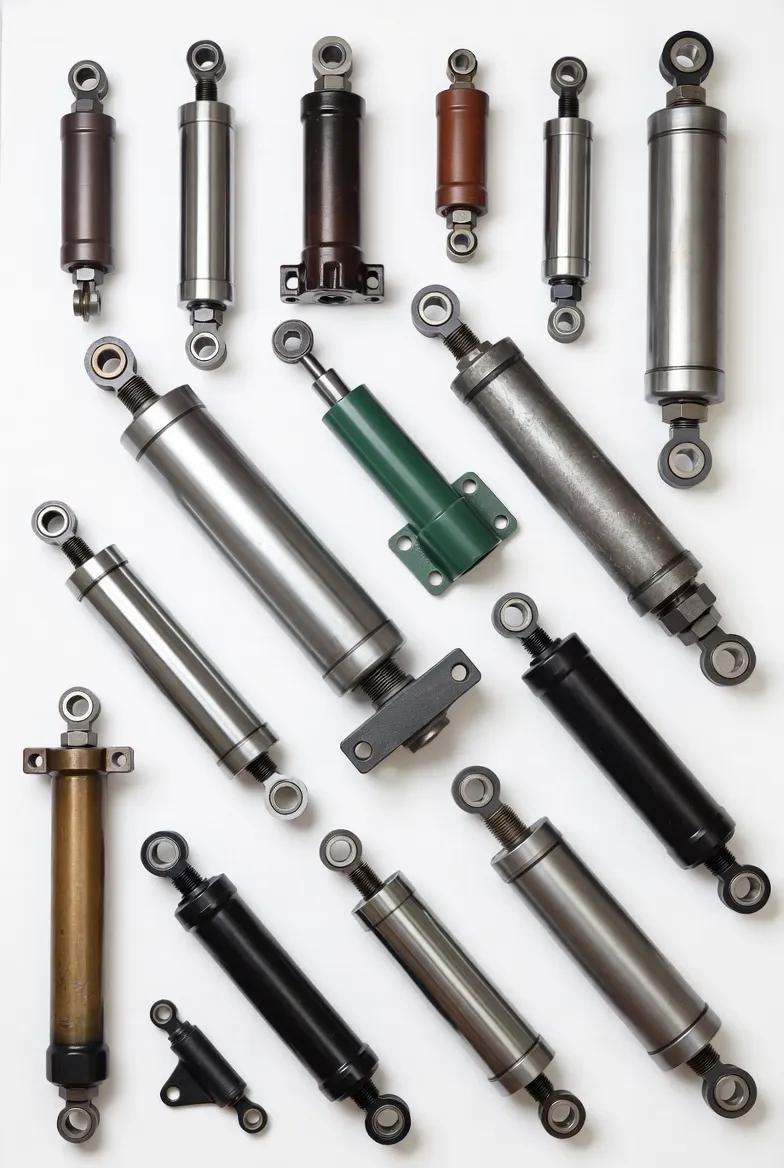
Maximizing the uptime of metallurgical equipment requires a proactive maintenance strategy. AGC hydraulic cylinders operate under severe duty cycles, and premature failure can be incredibly costly due to lost production time. Traditional reactive maintenance is no longer sufficient for modern rolling mills aiming for top-tier rolling mill performance.
A robust maintenance program begins with continuous condition monitoring. Sensors can track parameters such as cylinder stroke position, hydraulic pressure, fluid temperature, and even seal friction levels. Analyzing this data allows maintenance teams to identify potential issues—such as seal wear or piston scoring—before they lead to catastrophic failure. Predictive maintenance strategies utilize this condition data to schedule service during planned shutdowns, ensuring optimal equipment reliability for high gap control needs.
Additionally, partnering with an experienced hydraulic cylinder manufacturer for refurbishment is vital. Remanufacturing AGC actuators involves critical inspections, dynamic testing under load, and the integration of the latest sealing and feedback technologies. This process not only extends the service life of the expensive metallurgical equipment but also restores its precision and performance.
Future Trends: Smart Hydraulics in Metallurgy
The future of 轧机压下油缸 is intrinsically linked with the digitisation of the metallurgical plant. We are witnessing the rise of Smart AGC Hydraulic Cylinders. These actuators feature integrated sensors and even edge computing capabilities, allowing for autonomous condition diagnostics.
Furthermore, advances in data analytics and artificial intelligence are paving the way for adaptive Automatic Gauge Control mill systems. By analyzing massive amounts of operational data, these smart systems can predict strip thickness variations more accurately and optimize the hydraulic gap control dynamically. This trend towards intelligent, self-optimizing metallurgical equipment will drive even higher efficiency and quality standards in the metal rolling industry.
Conclusion: Partnering for Success in Metallurgy

In summary, the 轧机压下油缸 (Rolling Mill AGC Cylinder) is far more than just a piece of hardware; it is the precision instrument that enables modern metallurgical equipment to deliver superior product quality. From the immense forces required in plate mills to the micron-level accuracy needed in cold rolling mill hydraulic cylinder applications, these actuators are critical to high gap control and mill efficiency.
Selecting and maintaining high-performance AGC hydraulic cylinders requires specialized expertise. Partnering with a dedicated hydraulic cylinder manufacturer who understands the unique challenges of the metallurgical environment is essential. By investing in robust design, superior sealing technology, integrated feedback systems, and proactive maintenance, rolling mill operators can ensure consistent rolling mill performance, maximize uptime, and achieve long-term success in the highly competitive global metal market.
We invite you to contact us today to discuss how our custom AGC hydraulic cylinder solutions can elevate your metallurgical processes. Our engineering team is ready to design and manufacture actuators that deliver the precision, force, and reliability your rolling mill performance demands.