
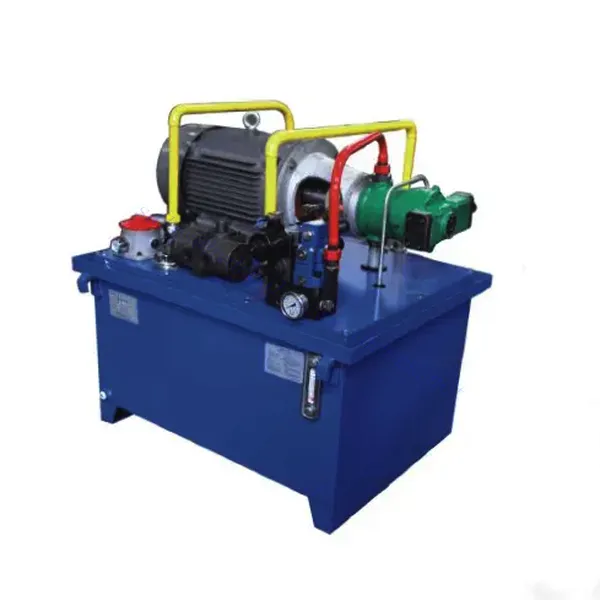
Hydraulic System For Coating Equipment
باعتبارنا أحد مصنعي وموردي ومصدري الأسطوانات الهيدروليكية للمنتجات الميكانيكية، فإننا نقدم الأسطوانات الهيدروليكية والعديد من المنتجات الأخرى.
يرجى التواصل معنا للمزيد من التفاصيل.
بريد:sales@hydraulic-cylinders.net
الشركة المصنعة والمورد والمصدر للأسطوانات الهيدروليكية.
Hydraulic System For Coating Equipment

The hydraulic system for coating equipment is a state-of-the-art solution designed to revolutionize the painting process in various industries. This advanced system offers superior efficiency, precise control, and increased productivity, ensuring optimal performance and superior coating results. Let’s discuss the main characteristics, use methods, maintenance requirements, and other essential aspects of the hydraulic system of painting equipment.
يتحكم النظام الهيدروليكي المتزامن في تشغيل عدة أسطوانات في وقت واحد، ويتطلب دقةً معينة. تحافظ خطوات المزامنة أو صمامات المزامنة على دقة المزامنة.
Hydraulic System For Coating Equipment Features:
1. The variable piston pump is used with the return oil and water cooler, significantly reducing the system’s heat output.
2. Adopt the best domestic manufacturer synchronous valve to achieve multi-cylinder synchronization and improve production efficiency and accuracy.
3. The use of laser cutting and bending processes to ensure the strength and beauty of the equipment.
Synchronous Hydraulic System Parameter:

Motor Power:11KW
Oil Tank:200L
وصف نموذج النظام الهيدروليكي المخصص:

هيكل خزان الزيت:

غطاء تنظيف خزان الزيت:

نظام هيدروليكي مخصص:
(1) النظام الهيدروليكي الرأسي

(2) النظام الهيدروليكي الأفقي

(3)نظام هيدروليكي للتركيب الجانبي
يتم تركيب محطة المضخة الهيدروليكية ذات التركيب الجانبي، أي جهاز ضخ الزيت، بشكل أفقي على أساس خزان منفصل، ويمكن تجهيز النوع الجانبي بمضخة احتياطية، والتي تستخدم بشكل أساسي للنظام بسعة صندوق بريد كبيرة تبلغ 250 لترًا وقوة كهربائية تبلغ 7.5 كيلو وات أو أكثر.


Characteristics of the Explosion-Proof Hydraulic System For Mine Equipment:
- High Precision and Control
- The hydraulic system controls key coating parameters such as pressure, flow rate, and spray pattern for a consistent and uniform coating.
- Allows fine-tuning of coating parameters during application, ensuring accurate results and reducing waste.
- Versatility and Adaptability
- The system is compatible with a wide range of painting equipment, including spray guns, robotic arms, and automatic painting lines, for various painting applications.
- Provides flexibility to adjust coating parameters to suit different coating materials, substrates, and desired finishes.
- Excellent Efficiency and Productivity
- Minimize over-spraying, reduce material waste, and optimize coating efficiency by providing consistent pressure and flow control.
- Achieve faster coating cycles and increase productivity and throughput without compromising quality.
- User-friendly Interface
- Operators can easily adjust and monitor coating parameters with an intuitive and easy-to-use control interface.
- Provides real-time feedback on pressure, flow, and other critical parameters for precise control and troubleshooting.
What Are The Basic Components Of A Hydraulic System?
A hydraulic system comprises several essential components that generate, control, and transmit hydraulic power. The basic components of a hydraulic system include:
- السائل الهيدروليكي:
Hydraulic fluid serves as the medium for transmitting power in the system. It is typically a specially formulated oil with high viscosity, good lubrication, and resistance to foaming and temperature changes. - خزان:
The reservoir, also known as the hydraulic tank, holds the hydraulic fluid. It provides a storage location for the fluid, allows for heat dissipation, and facilitates the removal of air and contaminants from the system. The reservoir has a pause to maintain fluid cleanliness and prevent pressure buildup. - مضخة هيدروليكية:
The hydraulic pump generates flow and pressure in the hydraulic system. It converts mechanical energy into hydraulic energy, typically from an electric motor or an engine. Common types of pumps include gear, vane, and piston pumps. - Actuators:
Actuators are hydraulic devices that convert hydraulic pressure into mechanical force or motion. They are responsible for performing the desired work in the system. The two primary types of actuators are:- Hydraulic Cylinders: Hydraulic cylinders consist of a cylindrical barrel, a piston, and a rod. When pressurized fluid enters the cylinder, it pushes the piston, which generates linear motion. Hydraulic cylinders are commonly used in applications that require straight-line force, such as lifting or pushing.
- Hydraulic Motors: Hydraulic motors convert hydraulic energy into rotational motion. They are often used in applications that require continuous rotary motion, such as driving conveyor belts or rotating machinery.
- صمامات التحكم:
Control valves regulate the flow and pressure of hydraulic fluid in the system. They direct the liquid to the desired actuators and control their speed, direction, and force. Control valves include various types, such as directional control valves, pressure control valves, flow control valves, and proportional valves. - Hydraulic Lines and Hoses:
Hydraulic lines and hoses transport the pressurized hydraulic fluid between the components of the system. They are typically made of steel or flexible materials, such as reinforced rubber or thermoplastic, to withstand high pressures and accommodate system movements. - Filters:
Filters are crucial components that help maintain the cleanliness of the hydraulic fluid. They remove contaminants, such as particles, debris, and water, to prevent damage to system components. Filters are commonly located in the reservoir, suction lines, and return lines. - Accumulator:
An accumulator stores hydraulic energy in the form of pressurized fluid. It consists of a gas-filled chamber separated from the hydraulic fluid by a piston or bladder. Accumulators can absorb pressure surges, store energy for peak demands, and provide emergency power in case of pump failure.
القدرة وسعة المصنع:
(1) الجمعية
لدينا منصة تجميع بحث وتطوير مستقلة من الدرجة الأولى. تضم ورشة إنتاج الأسطوانات الهيدروليكية أربعة خطوط تجميع أسطوانات رفع شبه آلية وخط تجميع أسطوانات إمالة آلية، بطاقة إنتاجية سنوية مصممة تبلغ مليون قطعة. ورشة الأسطوانات الخاصة مجهزة بمواصفات متنوعة لنظام تجميع التنظيف شبه الآلي بطاقة إنتاجية سنوية مصممة تبلغ 200,000 قطعة، ومجهزة بمعدات تصنيع CNC الشهيرة، ومركز تصنيع، ومعدات خاصة عالية الدقة لمعالجة الأسطوانات، وآلة لحام روبوتية، وآلة تنظيف آلية، وآلة تجميع أسطوانات آلية، وخط إنتاج طلاء آلي. تضم المعدات الأساسية الحالية أكثر من 300 مجموعة (مجموعات). يضمن التوزيع الأمثل والاستخدام الفعال لموارد المعدات دقة المنتجات وتلبية احتياجات الجودة العالية.


(2) التشغيل الآلي
تم تجهيز ورشة التصنيع بمركز تحويل السكك الحديدية المائلة المخصص، ومركز التصنيع، وآلة شحذ عالية السرعة، وروبوت اللحام، وغيرها من المعدات ذات الصلة، والتي يمكنها التعامل مع معالجة أنابيب الأسطوانة بقطر داخلي أقصى يبلغ 400 مم وطول أقصى يبلغ 6 أمتار.

(3) اللحام

(4) الدهان والطلاء
مع خطوط طلاء الطلاء الأوتوماتيكية القائمة على الماء ذات الأسطوانات الصغيرة والمتوسطة الحجم، لتحقيق التحميل والتفريغ الآلي للروبوت والرش التلقائي، والقدرة التصميمية 4000 قطعة لكل وردية؛
لدينا أيضًا خط إنتاج دهانات نصف أوتوماتيكي للأسطوانات الكبيرة مدعوم بسلسلة طاقة، مع قدرة تصميمية تصل إلى 60 صندوقًا لكل وردية.


(5) الاختبار
لدينا مرافق فحص ومنصات اختبار من الدرجة الأولى لضمان أن أداء الأسطوانة يلبي المتطلبات.

نحن من أفضل مصنعي الأنظمة الهيدروليكية. نقدم أنظمة هيدروليكية شاملة. كما نوفر أيضًا علب التروس الزراعيةلقد صدّرن منتجاتنا إلى عملاء حول العالم، واكتسبنا سمعة طيبة بفضل جودة منتجاتنا المتميزة وخدمة ما بعد البيع المتميزة. نرحب بعملائنا المحليين والدوليين للتواصل معنا للتفاوض وتبادل المعلومات. التعاون معنا!
تطبيق الأسطوانة الهيدروليكية:

 AR
AR  EN
EN  PT
PT  ES
ES  DE
DE  FR
FR  IT
IT  ZH
ZH  RU
RU  KO
KO  KA
KA  BG
BG  CS
CS  DA
DA  EL
EL  ET
ET  FI
FI  HU
HU  ID
ID  LT
LT  LV
LV  NB
NB  NL
NL  PL
PL  RO
RO  SK
SK  SL
SL  SV
SV  TR
TR  UK
UK