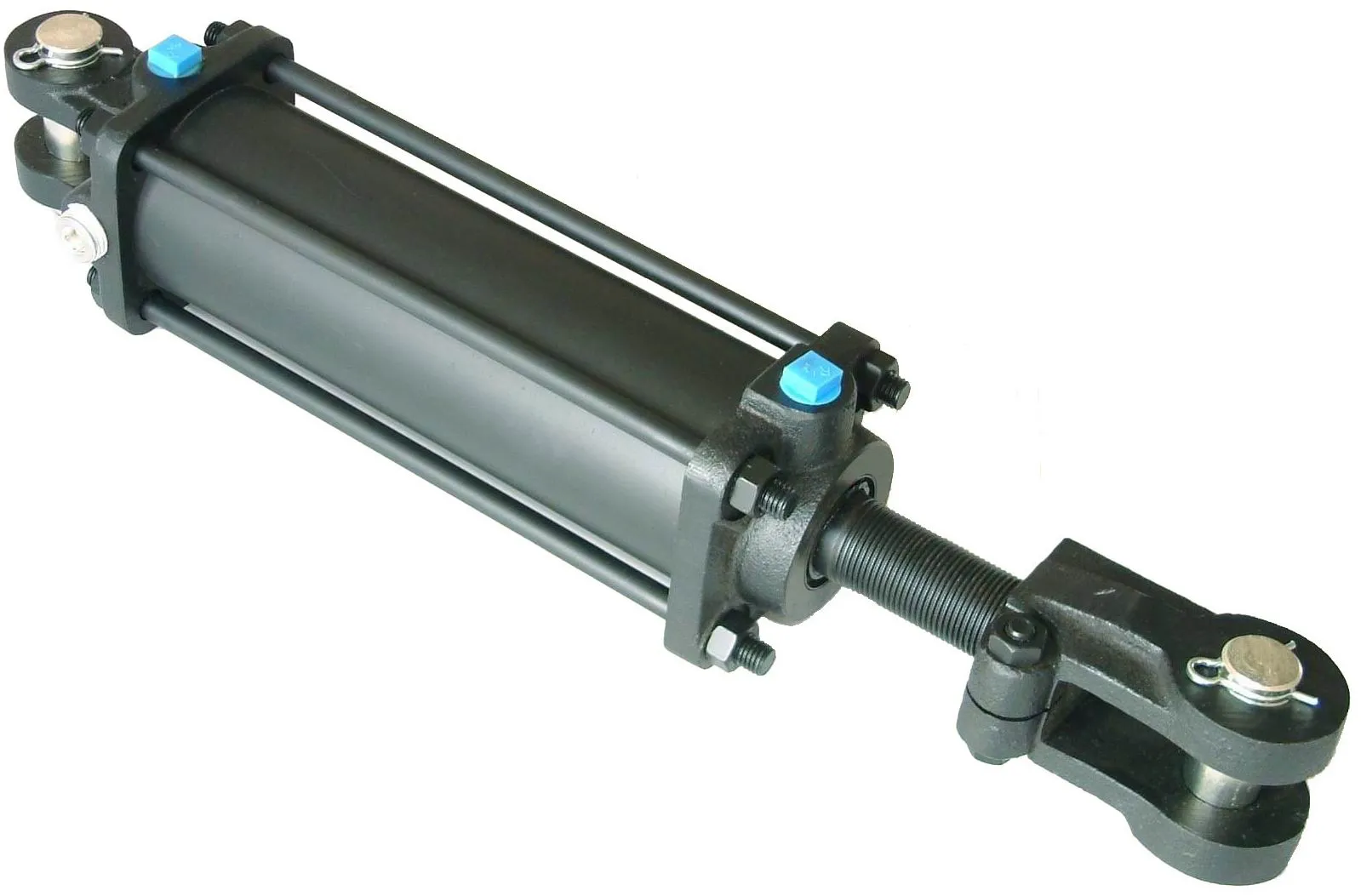
The Ultimate Guide to Heavy-Duty Hydraulic Cylinders
Understanding Heavy-Duty Hydraulic Cylinders
Heavy-duty hydraulic cylinders are essential components in various industries, providing powerful and reliable linear motion. These cylinders are designed to withstand high pressures and heavy loads, making them ideal for demanding applications.
Definition and Composition
A heavy-duty hydraulic cylinder is a mechanical actuator that converts hydraulic energy into linear motion. It consists of a cylinder barrel, piston, rod, seals, and end caps. The cylinder barrel houses the piston, which is connected to the rod and moves back and forth to generate force.
Importance and Application
- Heavy-duty hydraulic cylinders are widely used in industries such as construction, mining, agriculture, and oil and gas.
- These cylinders play a crucial role in heavy machinery, providing the force needed to lift, push, or pull heavy loads.
- They are also used in manufacturing equipment, marine applications, and aerospace technology, demonstrating their versatility and reliability.
Working Principle and Basic Operation
The working principle of a heavy-duty hydraulic cylinder is based on Pascal’s law, which states that pressure applied to a fluid in a confined space is transmitted equally in all directions. When hydraulic fluid is pumped into the cylinder, it pushes the piston, creating linear motion.
Types and Configurations
Heavy-duty hydraulic cylinders come in various types, including single-acting, double-acting, telescopic, and differential cylinders. Each type has unique features and applications, providing flexibility and efficiency in different scenarios.
Advantages of Heavy-Duty Hydraulic Cylinders
- Exceptional strength and durability, ensuring reliable performance in tough conditions.
- Precision control and accuracy, allowing for precise movement and positioning of heavy loads.
- Efficient energy conversion, maximizing productivity and reducing operating costs.
- Low maintenance requirements, saving time and resources in the long run.
- Versatile application capabilities, adapting to various industrial needs with ease.
Industries Using Heavy-Duty Hydraulic Cylinders
Heavy-duty hydraulic cylinders are widely utilized in industries such as:
- Construction: for heavy lifting and equipment operation.
- Mining: for excavation, drilling, and material handling.
- Agriculture: for farming machinery and agricultural equipment.
- Oil and Gas: for drilling rigs, pumps, and hydraulic systems.
- Manufacturing: for automation, assembly lines, and material handling.
Factors Affecting Cylinder Performance
Several factors can impact the performance of heavy-duty hydraulic cylinders, including:
- Load capacity and maximum working pressure
- Piston diameter and rod size considerations
- Cylinder stroke length and retract speed
- Seal selection and sealing mechanism
- Operating temperature range and fluid compatibility
Maintenance and Care
Regular maintenance and care are essential to ensure the longevity and efficiency of heavy-duty hydraulic cylinders. Proper maintenance practices can prevent costly repairs and downtime, prolonging the lifespan of the equipment.
Inspection and Preventive Maintenance
- Regularly inspecting the cylinder for leaks, wear, and damage.
- Lubricating moving parts to reduce friction and wear.
- Checking the alignment and parallelism of components for optimal performance.
Installation Guide
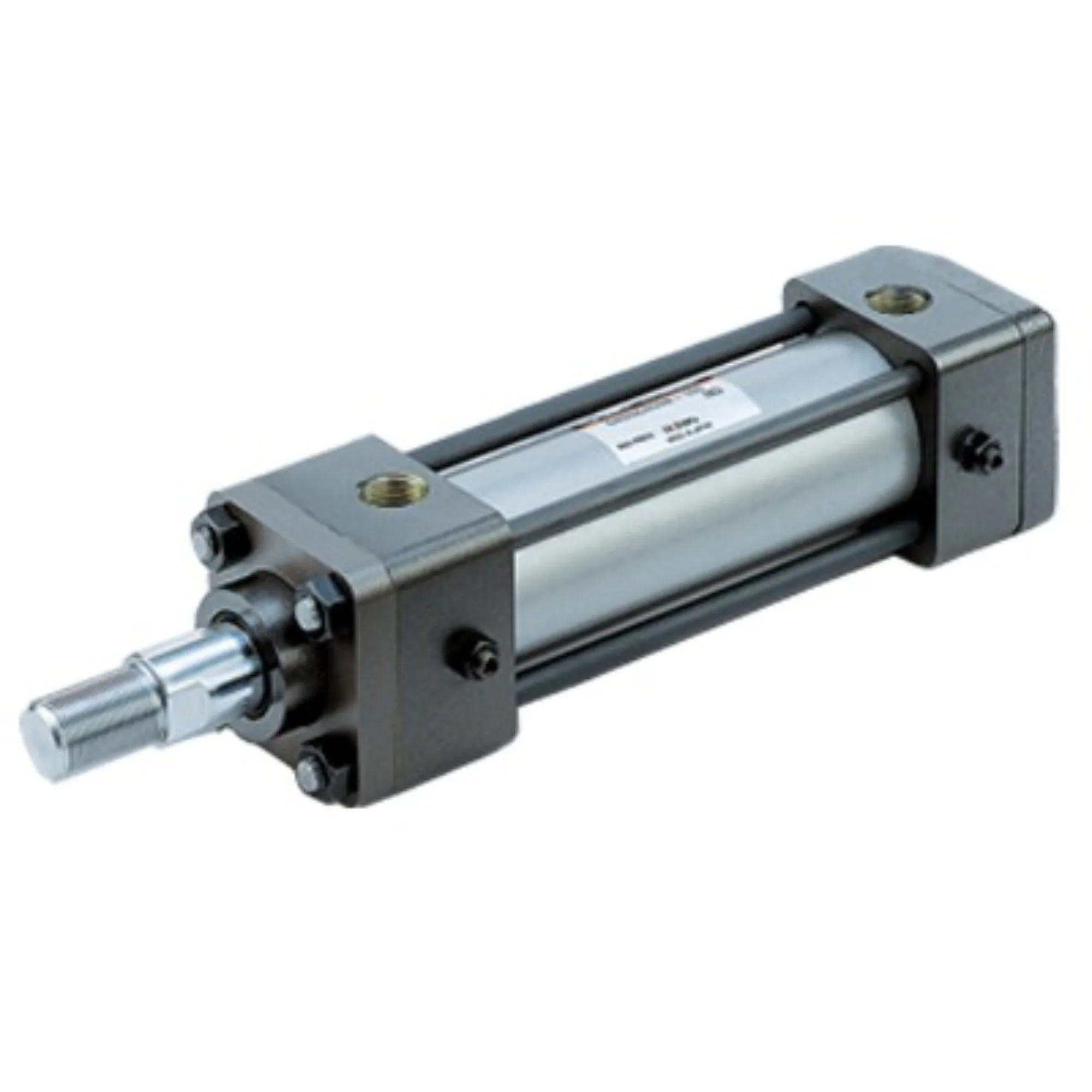
Proper installation is crucial for the optimal performance of heavy-duty hydraulic cylinders. Follow these guidelines to ensure a successful installation:
Correct cylinder installation technique is essential for optimal performance.
Ensure correct alignment and parallelism for smooth operation.
Maintenance Tasks
- Cleaning: Remove dirt, debris, and contaminants from the cylinder surfaces.
- Lubrication: Apply the appropriate lubricant to moving parts for smooth operation.
- Checking Wear: Monitor wear and tear on seals, rods, and other components for signs of damage.
Fault Diagnosis and Solutions
Common problems with heavy-duty hydraulic cylinders include leaks, cylinder drift, and insufficient force generation. Proper diagnosis and troubleshooting are crucial to identify and resolve issues effectively.
Troubleshooting Tips
To diagnose and solve problems with heavy-duty hydraulic cylinders:
- Check for leaks and replace damaged seals promptly.
- Inspect for cylinder drift and adjust pressure settings as needed.
- Ensure proper maintenance practices to prevent future issues.
FAQs
What are Heavy-Duty Hydraulic Cylinders?
Heavy-duty hydraulic cylinders are mechanical actuators that convert hydraulic energy into linear motion, offering powerful and reliable force generation for various industrial applications.
What Industries Commonly Use Heavy-Duty Hydraulic Cylinders?
Heavy-duty hydraulic cylinders are widely used in industries such as construction, mining, agriculture, oil and gas, and manufacturing, providing essential force for heavy machinery and equipment operation.
What Factors Affect the Performance of Heavy-Duty Hydraulic Cylinders?
Several factors, including load capacity, working pressure, piston size, seal integrity, and operating conditions, can impact the performance and efficiency of heavy-duty hydraulic cylinders. Proper maintenance and care are essential to maximize performance and longevity.