
The Benefits of Welded Hydraulic Cylinders with Adjustable Stroke Options
Introduction
In the world of hydraulic systems, welded hydraulic cylinders play a crucial role in converting fluid pressure into linear motion. These cylinders are essential components that find applications in various industries including manufacturing, construction, mining, agriculture, and material handling. Understanding the design, construction, working principle, and maintenance of welded hydraulic cylinders is vital for their efficient operation and longevity.
Design and Construction of Welded Hydraulic Cylinders
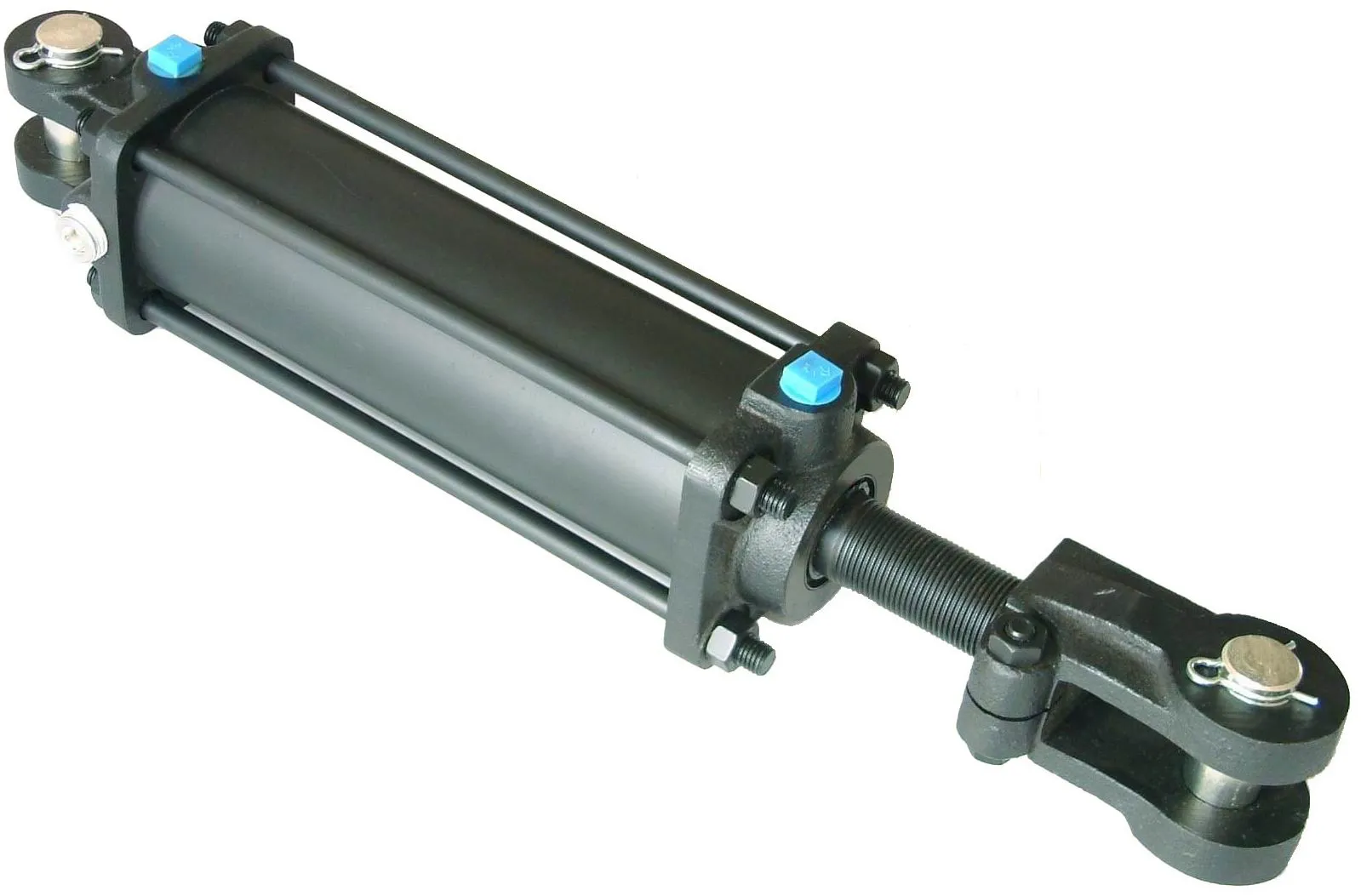
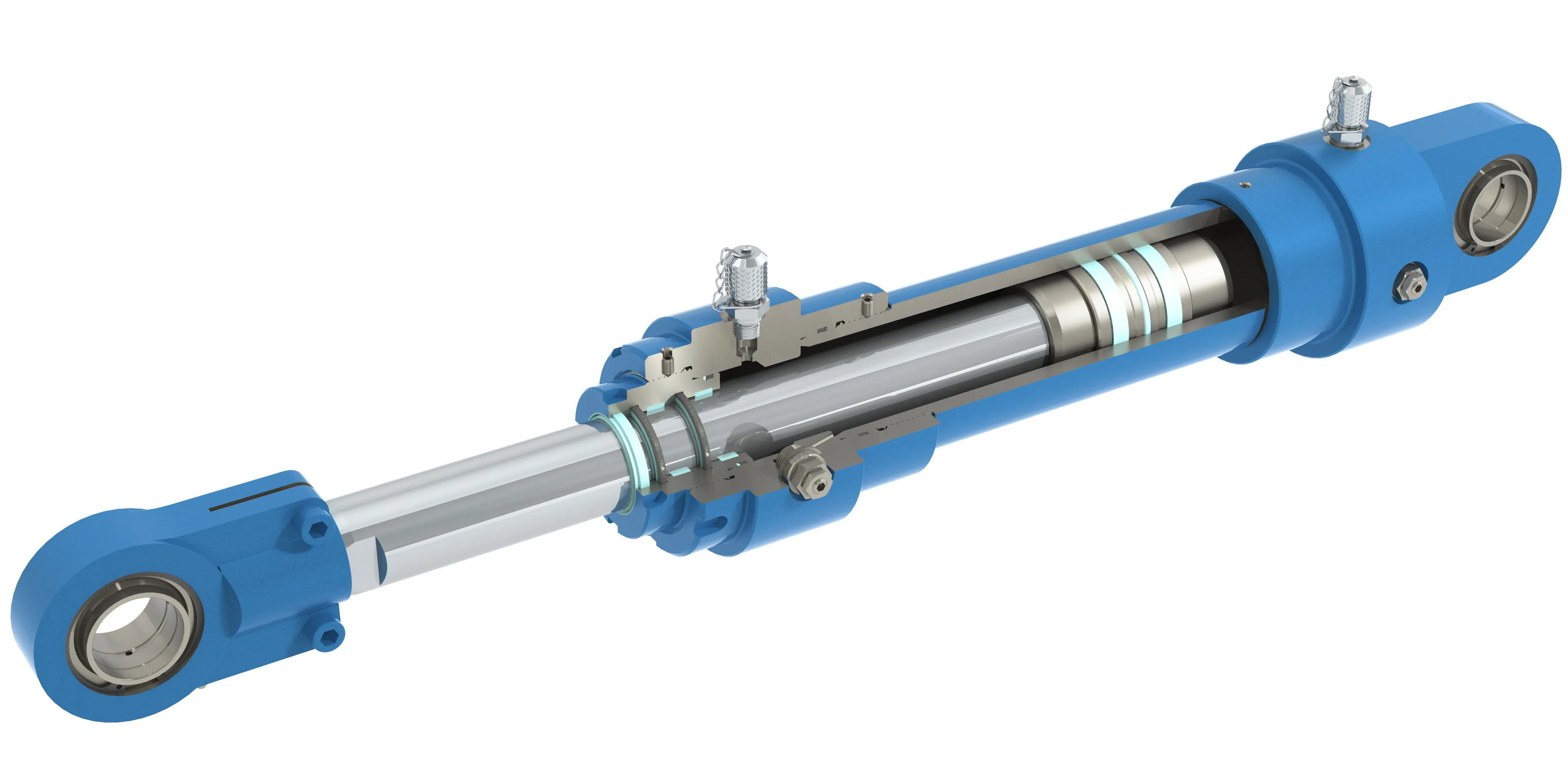
The design and construction of welded hydraulic cylinders involve key components such as the cylinder barrel, piston, rod, end cap, and welding joint. These components work together to facilitate the movement of fluid and the generation of linear motion. The welding process ensures a strong and durable construction that can withstand high pressure and heavy loads.
Working Principle and Basic Operation
Welded hydraulic cylinders operate based on the principle of fluid power transmission. As hydraulic fluid enters the cylinder, it exerts pressure on the piston, causing it to move in a linear direction. This motion is then transferred to the connected machinery or equipment, enabling various applications such as lifting, pushing, or pulling.
Types and Configurations of Welded Hydraulic Cylinders
There are different types of welded hydraulic cylinders available, each designed for specific applications. These include single-acting cylinders, double-acting cylinders, telescopic cylinders, and custom-designed cylinders. Each type offers unique features and benefits to suit a wide range of industrial needs.
Advantages of Welded Hydraulic Cylinders
- Compact design
- High load capacity
- Robust construction
- Leak resistance
- Cost-effectiveness
- Easy maintenance
- Suitability for harsh industrial environments
Applications of Welded Hydraulic Cylinders
Welded hydraulic cylinders are widely used in industries such as manufacturing, construction, mining, agriculture, and material handling. They are integral components in machinery and equipment used for various tasks, including material lifting, earthmoving, and equipment operation.
Customization Possibilities
Welded hydraulic cylinders can be customized to meet specific requirements such as stroke length, mounting options, rod diameter, and other special considerations. This flexibility allows for tailored solutions that enhance performance and efficiency in diverse applications.
Maintenance and Care
Regular maintenance and care of welded hydraulic cylinders are essential to ensure optimal performance and longevity. Proper inspection, lubrication, seal replacement, and calibration are key aspects of maintenance that help prevent issues and prolong the lifespan of the cylinders.
Hydraulic Cylinder Installation Guide
Proper installation of hydraulic cylinders is crucial for their efficient operation. Following the manufacturer’s guidelines and ensuring correct alignment, mounting, and connections are essential steps to ensure safe and effective performance.
Maintenance Tasks
- Regular inspection
- Proper lubrication
- Seal replacement
- Calibration inspection
Fault Diagnosis and Common Problems
Identifying and addressing common issues with welded hydraulic cylinders is crucial for preventing downtime and ensuring smooth operation. Fault diagnosis involves troubleshooting problems such as leaks, seal damage, piston misalignment, and fluid contamination.
Questions and Answers
1. How are welded hydraulic cylinders different from other types of hydraulic cylinders?
Welded hydraulic cylinders are known for their robust construction, leak resistance, and compact design, making them ideal for various industrial applications.
2. What are the advantages of using welded hydraulic cylinders?
The benefits of welded hydraulic cylinders include high load capacity, cost-effectiveness, easy maintenance, and suitability for harsh environments, among others.
3. What are the main components of a welded hydraulic cylinder?
The main components of a welded hydraulic cylinder include the cylinder barrel, piston, rod, end cap, and welding joint, which work together to convert fluid pressure into linear motion.
Long Tail Keywords
- Adjustable stroke options in welded hydraulic cylinders
- Versatile applications of welded hydraulic cylinders
- Benefits of using adjustable stroke options in hydraulic cylinders
Our Company
We are a leading hydraulic cylinder replacement manufacturer with a comprehensive product line and a strong presence in the domestic and international markets. Our commitment to quality, customization, and customer service has established us as a trusted supplier of hydraulic cylinders for a wide range of applications.