
The Ultimate Guide to Compact Welded Hydraulic Cylinder for Construction Sites
Introduction to Compact Welded Hydraulic Cylinder
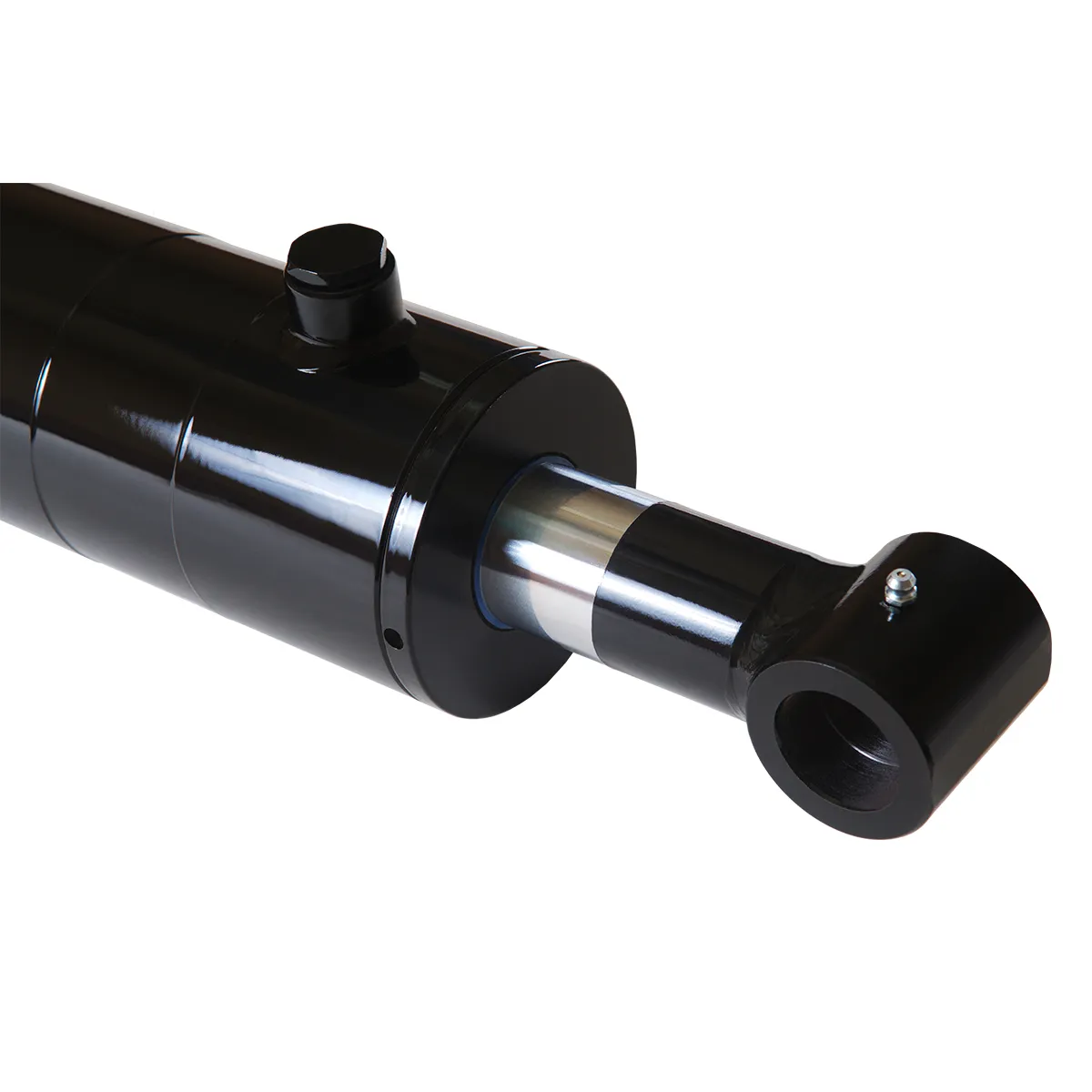
Compact welded hydraulic cylinders are essential components in hydraulic systems that provide efficient force and motion for various applications in construction sites. These cylinders are designed to be space-saving, durable, and versatile, making them ideal for use in small machinery and equipment.
Design and Construction Characteristics
Compact welded hydraulic cylinders are typically made from high-quality materials such as steel and aluminum, ensuring strength and durability. The welded technology used, such as MIG or TIG welding, provides a secure and leak-free seal. These cylinders come in various sizes, offering a compact alternative to standard cylinders with different mounting options.
Working Principle
These cylinders operate based on the transfer of hydraulic fluid to generate force for piston movement and workload. The sealing system ensures efficient performance, while pressure release mechanisms maintain system integrity. The compact design allows for easy installation and maintenance.
Types and Configurations
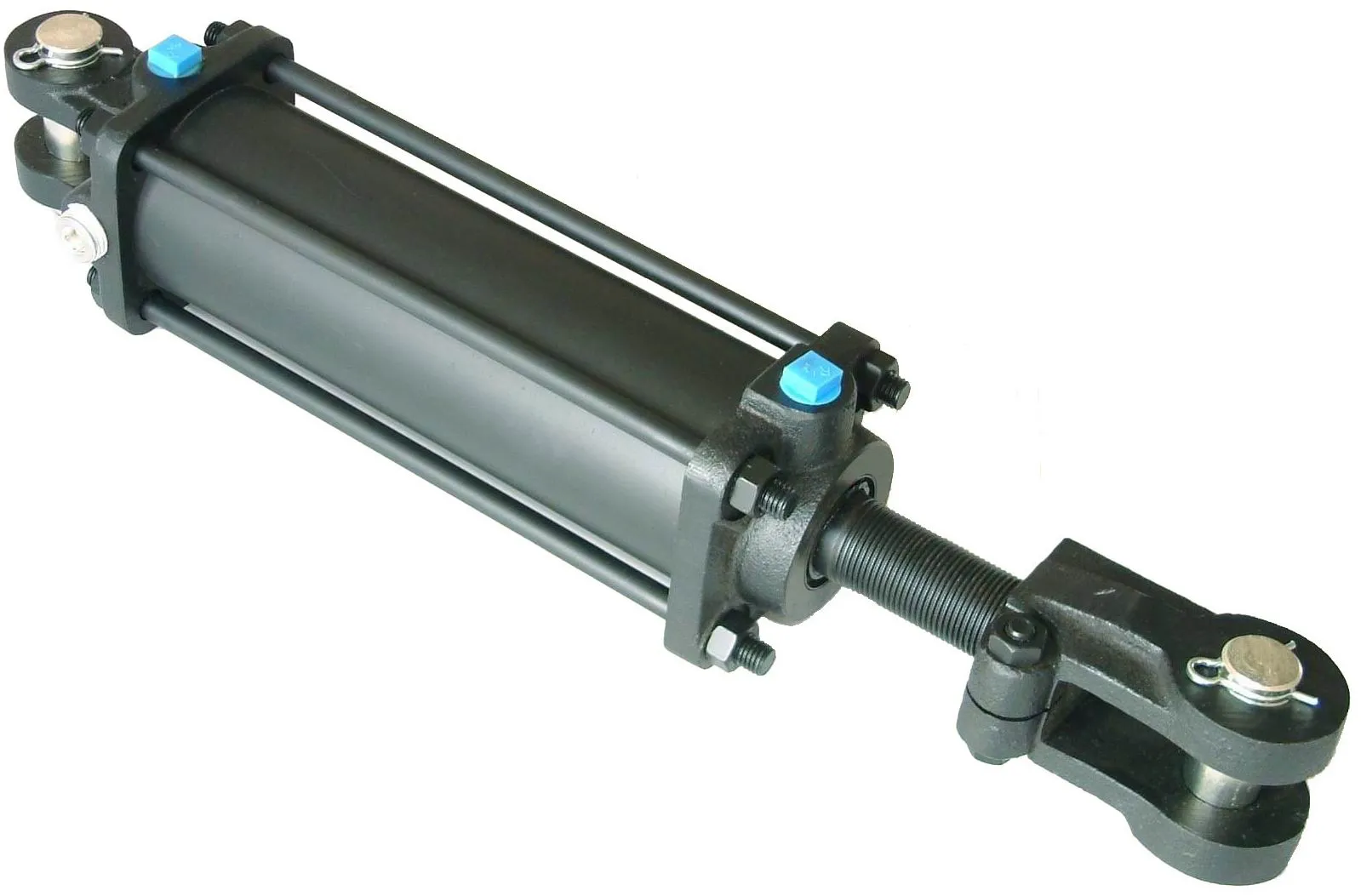
There are three main types of compact welded hydraulic cylinders, each with specific configurations to suit different applications. These include single-acting, double-acting, and telescopic cylinders, each offering unique features for specific tasks.
Advantages of Compact Welded Hydraulic Cylinder
1. Space Efficiency: Compact cylinders save valuable space on construction machinery and equipment, allowing for more versatile designs and configurations.
2. Weight Reduction: These cylinders contribute to overall weight reduction in equipment, improving efficiency and mobility on construction sites.
3. High Performance: With high forces-to-size ratios, compact cylinders deliver exceptional performance for demanding construction tasks.
4. Versatility: Compact welded hydraulic cylinders can be used in a wide range of construction applications, providing flexibility and adaptability on the job site.
Performance Characteristics
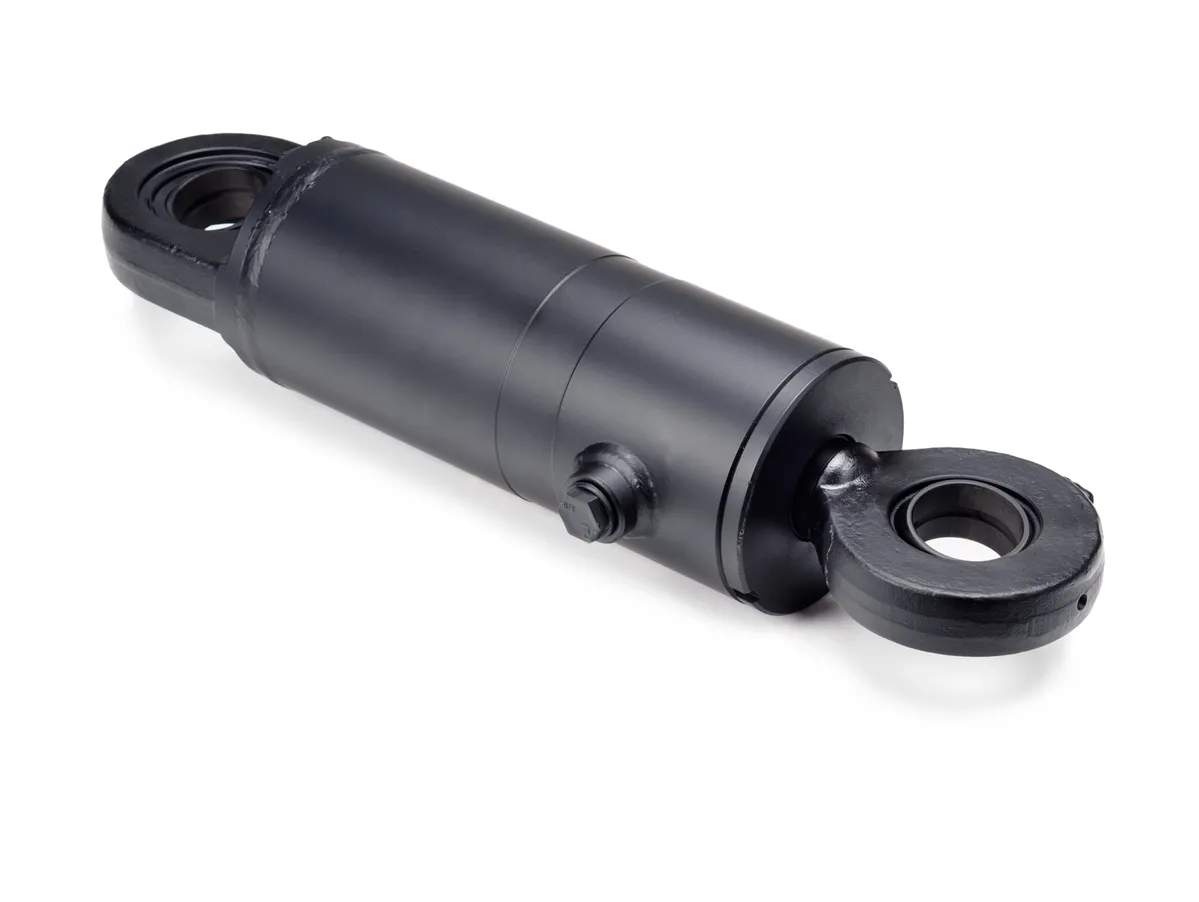
Compact welded hydraulic cylinders typically have a high pressure rating, ensuring reliable operation under varying conditions. The force output is calculated based on size and pressure, while stroke length and durability are key factors in their performance.
Applications in Industries
Compact welded hydraulic cylinders find extensive use in industries such as industrial machinery, construction equipment, agricultural machinery, material handling, and automotive applications. Their versatility and reliability make them essential components in various construction tasks.
Design Considerations and Selection Criteria
When selecting a compact welded hydraulic cylinder, factors such as bearing capacity, sealing efficiency, durability, safety features, and maintainability should be carefully considered to ensure optimal performance and longevity.
Sealing and Lubrication
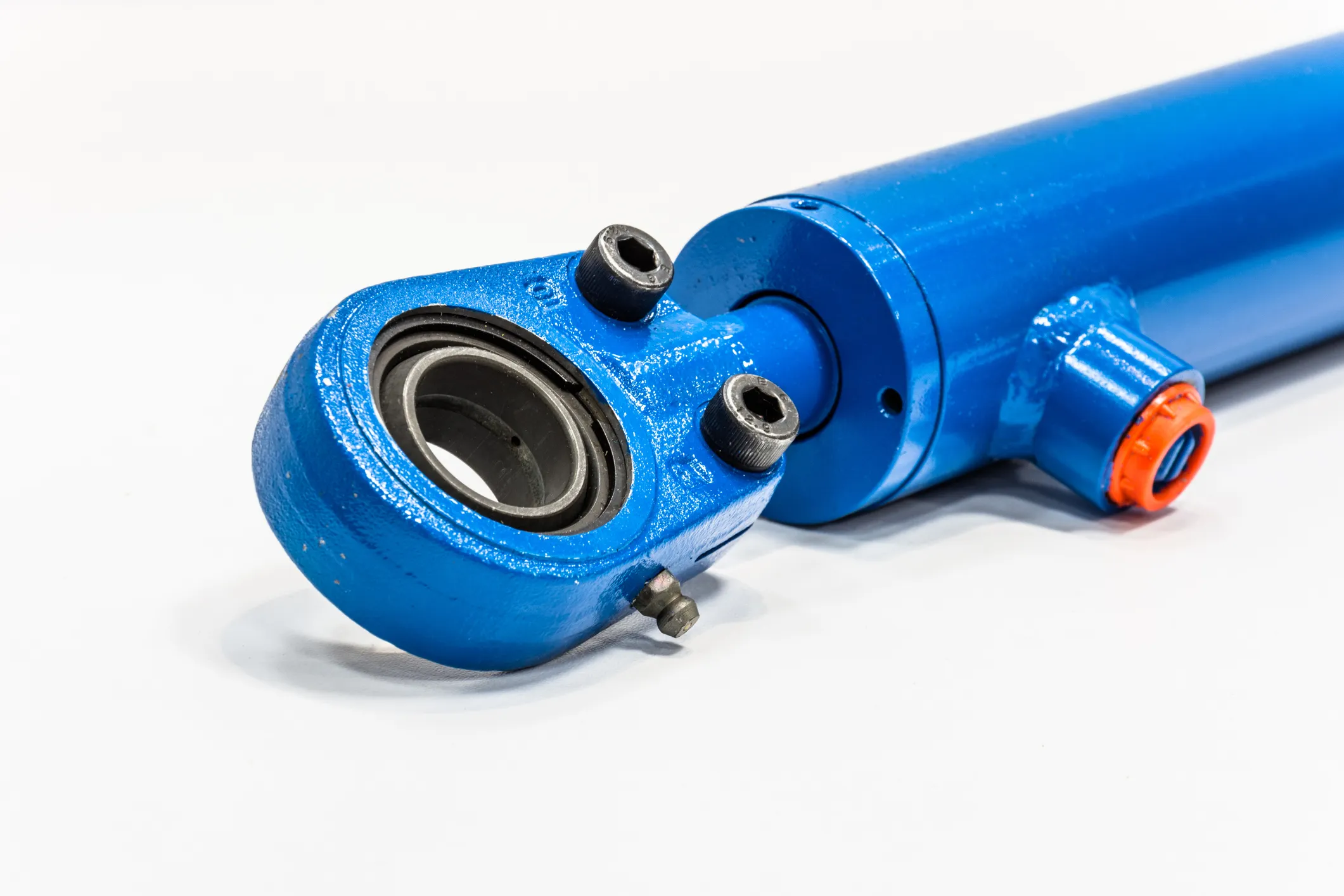
The use of high-quality seals and proper lubrication is essential for the efficient operation of compact welded hydraulic cylinders. Regular maintenance and lubrication help improve wear resistance and extend the life of the cylinder.
Maintenance and Safety
Regular inspection, proper lubrication, and seal replacement are key maintenance tasks to ensure the reliable operation of compact welded hydraulic cylinders. Safety considerations and environmental factors should also be taken into account when using these cylinders on construction sites.
Conclusion
Compact welded hydraulic cylinders play a crucial role in construction sites, providing reliable force and motion for various tasks. By understanding their design, performance, and maintenance requirements, construction professionals can maximize the efficiency and durability of these essential components.