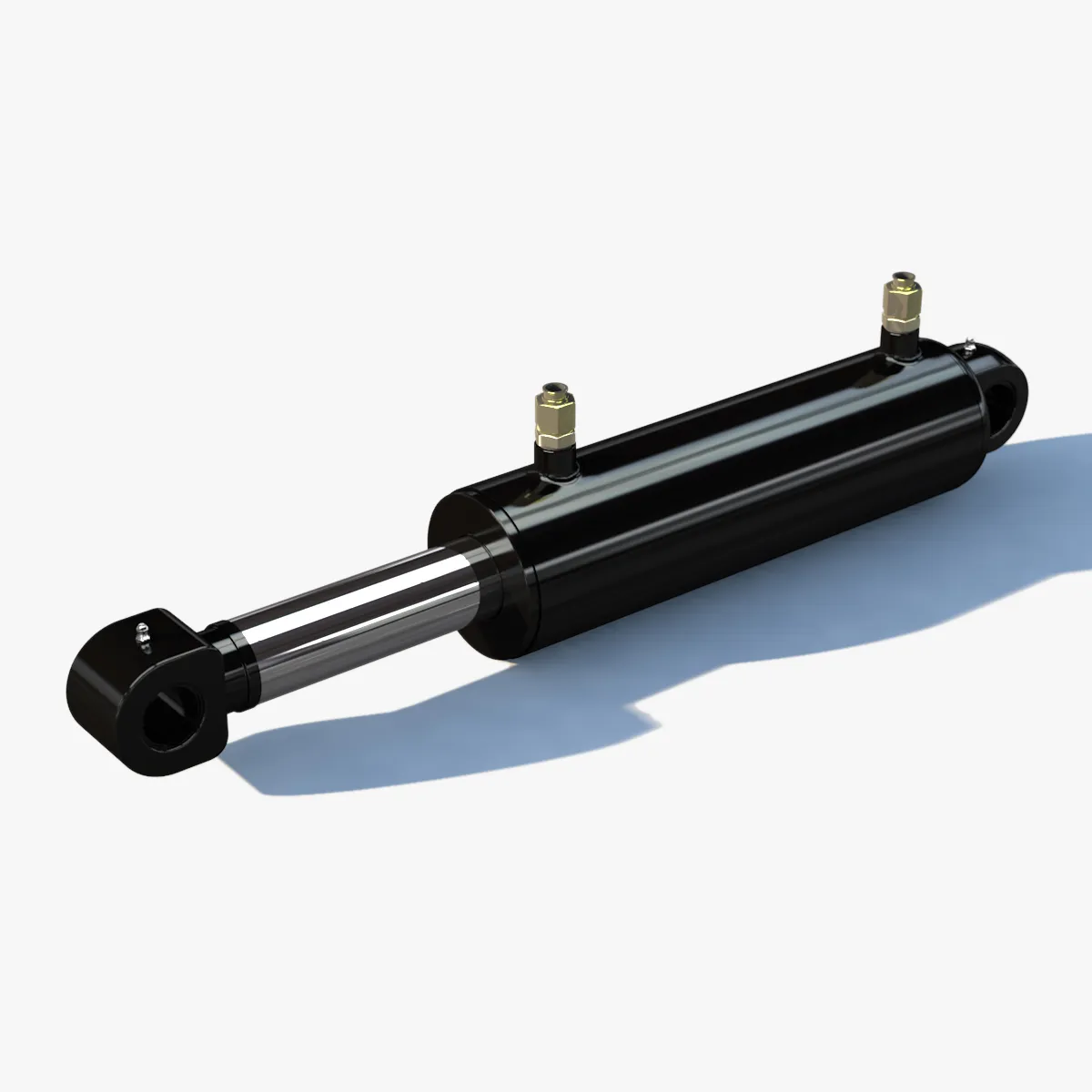
Compact Welded Hydraulic Cylinder: Enhancing Efficiency in Smart Factories
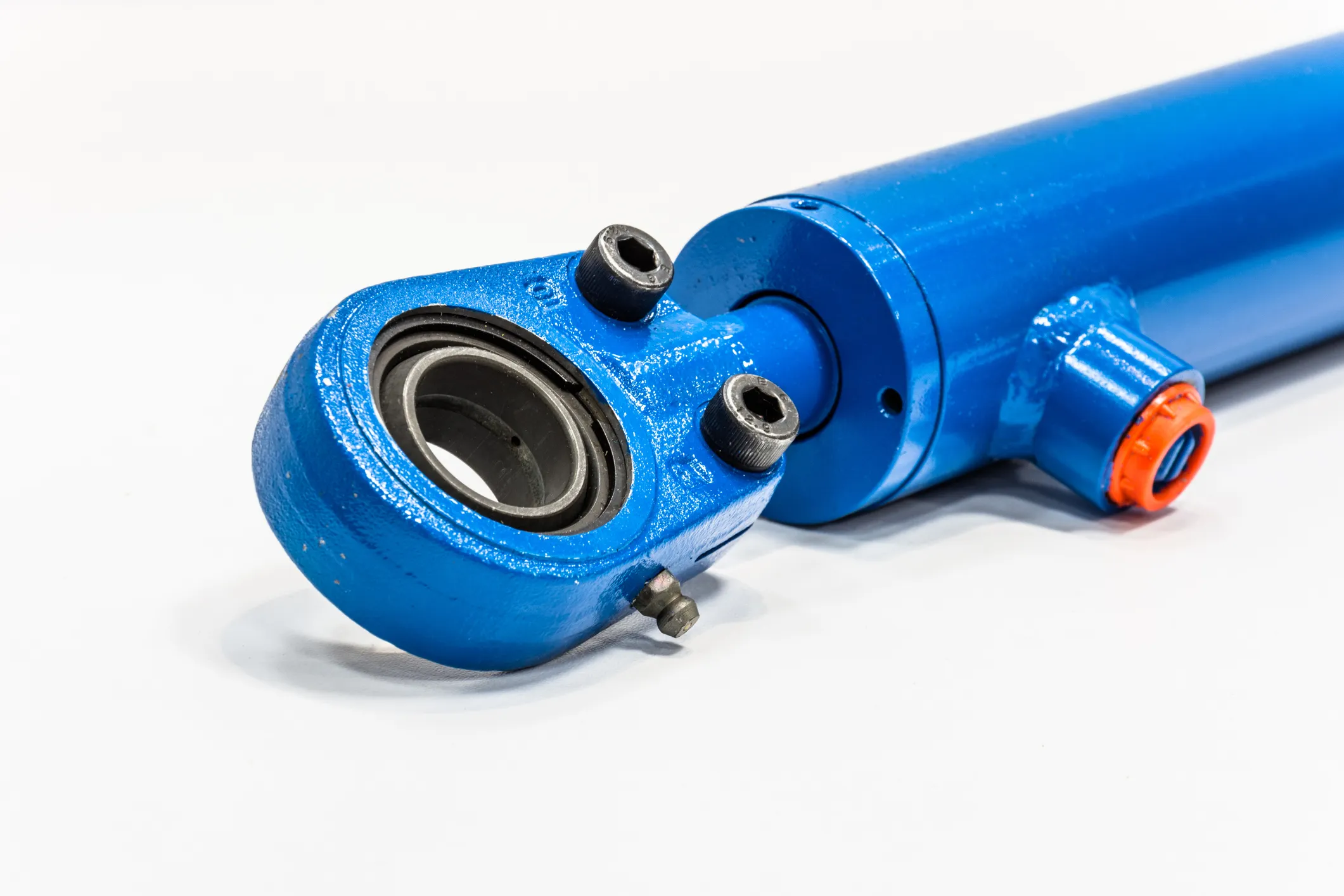
Overview of Compact Welded Hydraulic Cylinder
Compact welded hydraulic cylinders are essential components in hydraulic systems, designed to provide efficient force transfer and motion control. These cylinders are characterized by their compact size and welded construction, making them ideal for applications where space is limited.
Principle of Compact Welded Hydraulic Cylinder
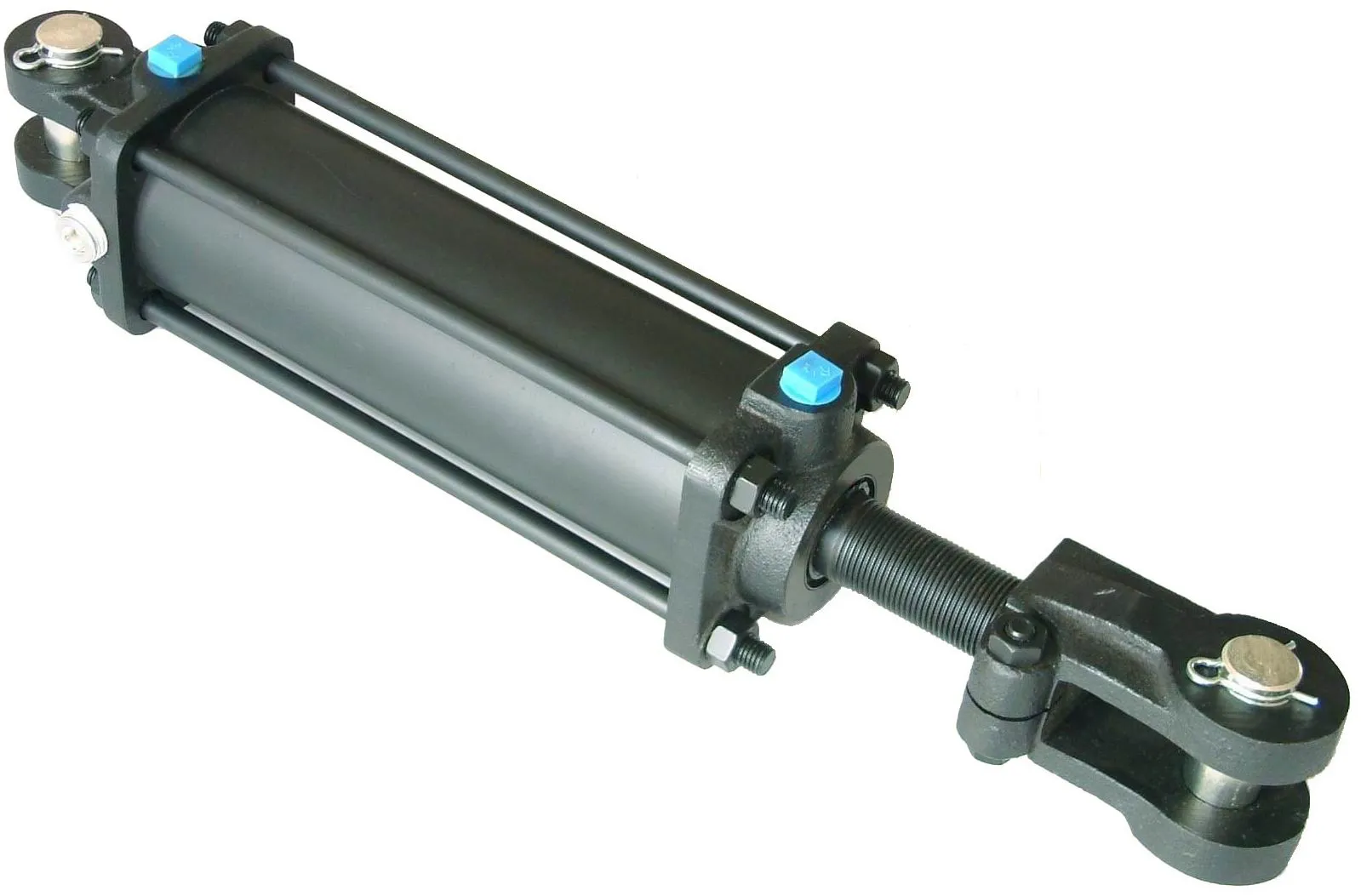
The principle behind compact welded hydraulic cylinders lies in their ability to convert fluid power into linear mechanical force. By utilizing hydraulic pressure to move the piston within the cylinder, these devices can perform various tasks in smart factories, such as lifting, pushing, or pulling heavy loads.
Design and Construction Characteristics
Compact welded hydraulic cylinders are typically made from durable materials such as steel or aluminum, ensuring robust performance in demanding industrial environments. The welding process, whether it be MIG or TIG, provides a strong bond that enhances the cylinder’s structural integrity.
Mounting Options
These cylinders offer a range of mounting configurations, including side, flange, or trunnion mounts, allowing for versatile installation in different machinery setups. Their compact size and adjustable stroke lengths make them suitable for a wide variety of applications.
Working Principle
The working principle of compact welded hydraulic cylinders involves the transfer of fluid force to the piston, resulting in linear motion that performs the desired workload. A reliable sealing system prevents leakage and ensures efficient operation under varying pressure conditions.
Types and Configurations
There are three main types of compact welded hydraulic cylinders: single-acting, double-acting, and telescopic. Each type offers specific advantages in terms of force output, stroke length, and application flexibility.
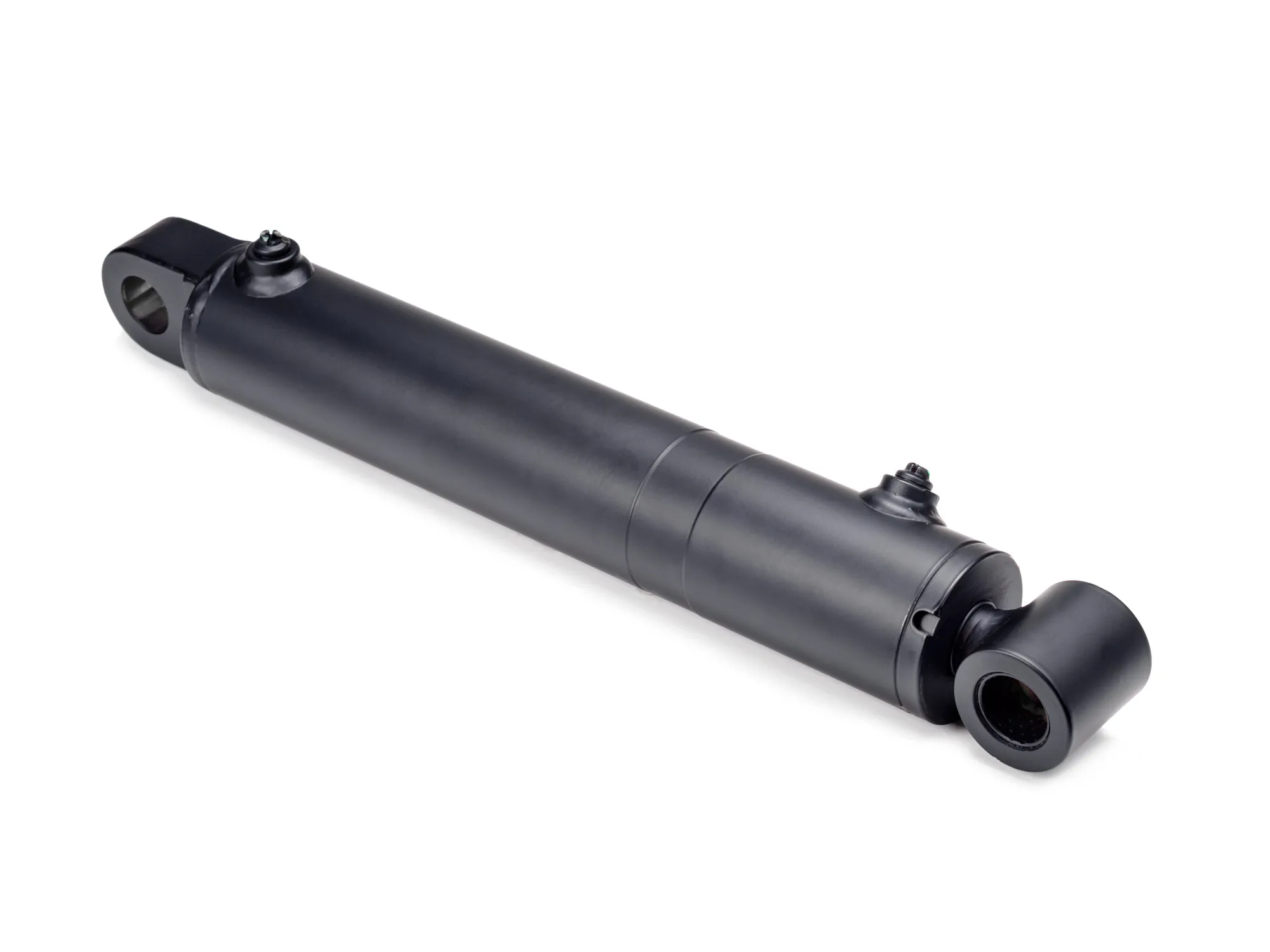
Advantages of Compact Welded Hydraulic Cylinder
1. Space Efficiency: Compact cylinders save valuable space on machinery and equipment, optimizing workspace utilization.
2. Weight Reduction: Their lightweight design contributes to overall equipment weight reduction, enhancing portability and maneuverability.
3. High Performance: These cylinders deliver superior force-to-size ratios, ensuring high efficiency and performance in various industrial tasks.
4. Versatility: With a broad range of applications across industries, compact welded hydraulic cylinders offer flexibility in meeting diverse operational needs.
Performance Characteristics
1. Pressure Rating: Compact welded hydraulic cylinders typically operate within a specific pressure range, ensuring reliable performance under varying conditions.
2. Force Output: The force output of these cylinders is calculated based on the size and pressure, providing precise control over workload requirements.
Industries Using Compact Welded Hydraulic Cylinders
1. Industrial Machinery: Small automation systems and machinery
2. Construction Equipment: Compact excavators and loaders
3. Agricultural Machinery: Tractors and farm equipment
4. Material Handling: Forklifts and conveyor systems
5. Automotive: Specialized vehicles and machinery
Design Considerations and Selection Criteria
When choosing a compact welded hydraulic cylinder, factors such as bearing capacity, sealing effectiveness, durability, safety features, and ease of maintenance should be carefully considered to ensure optimal performance and longevity.
Sealing and Lubrication
Proper sealing with high-quality seals and regular lubrication maintenance is crucial to prevent leakage and ensure smooth operation of compact welded hydraulic cylinders. Regularly filling the cylinder with hydraulic oil helps improve wear resistance and prolong the cylinder’s lifespan.
Maintenance and Safety
Regular inspection, proper lubrication, and preventive maintenance measures are essential to ensure the reliable performance of compact welded hydraulic cylinders. Adhering to safety guidelines and environmental considerations is vital for safe operation in industrial settings.
Fault Diagnosis and Troubleshooting
Common problems with compact welded hydraulic cylinders include leakage, insufficient force output, and seal wear. By following proper maintenance procedures and troubleshooting techniques, these issues can be effectively diagnosed and resolved to minimize downtime.
FAQs about Compact Welded Hydraulic Cylinders
Q: What are the key advantages of using compact welded hydraulic cylinders?
A: The key advantages include space efficiency, weight reduction, high performance, versatility, and durability.
Q: In which applications are compact welded hydraulic cylinders commonly used?
A: These cylinders are widely used in industrial machinery, construction equipment, agricultural machinery, material handling, and automotive applications.
Q: How do compact welded hydraulic cylinders differ from standard hydraulic cylinders?
A: Compact welded cylinders are smaller in size, offer adjustable stroke lengths, and provide space-saving mounting options compared to standard cylinders.
Long-Tail Keywords for Compact Welded Hydraulic Cylinder
1. “Compact Welded Hydraulic Cylinder for Industrial Automation”: This keyword emphasizes the cylinder’s role in enhancing automation processes in smart factories.
2. “Efficient Motion Control with Compact Welded Hydraulic Cylinder”: Highlighting the precision and efficiency of these cylinders in controlling mechanical motion.
3. “Reliable Performance of Compact Welded Hydraulic Cylinder”: Underlining the durability and consistent performance of these cylinders in demanding industrial environments.
About Our Company
We are a leading hydraulic cylinder replacement manufacturer, offering a comprehensive product line tailored to meet diverse industry needs. With a focus on quality, professionalism, and customer satisfaction, we have established ourselves as a trusted supplier in the domestic and international markets.