
Exploring the World of Magnetic Welded Hydraulic Cylinders
Introduction to Magnetic Welded Hydraulic Cylinders
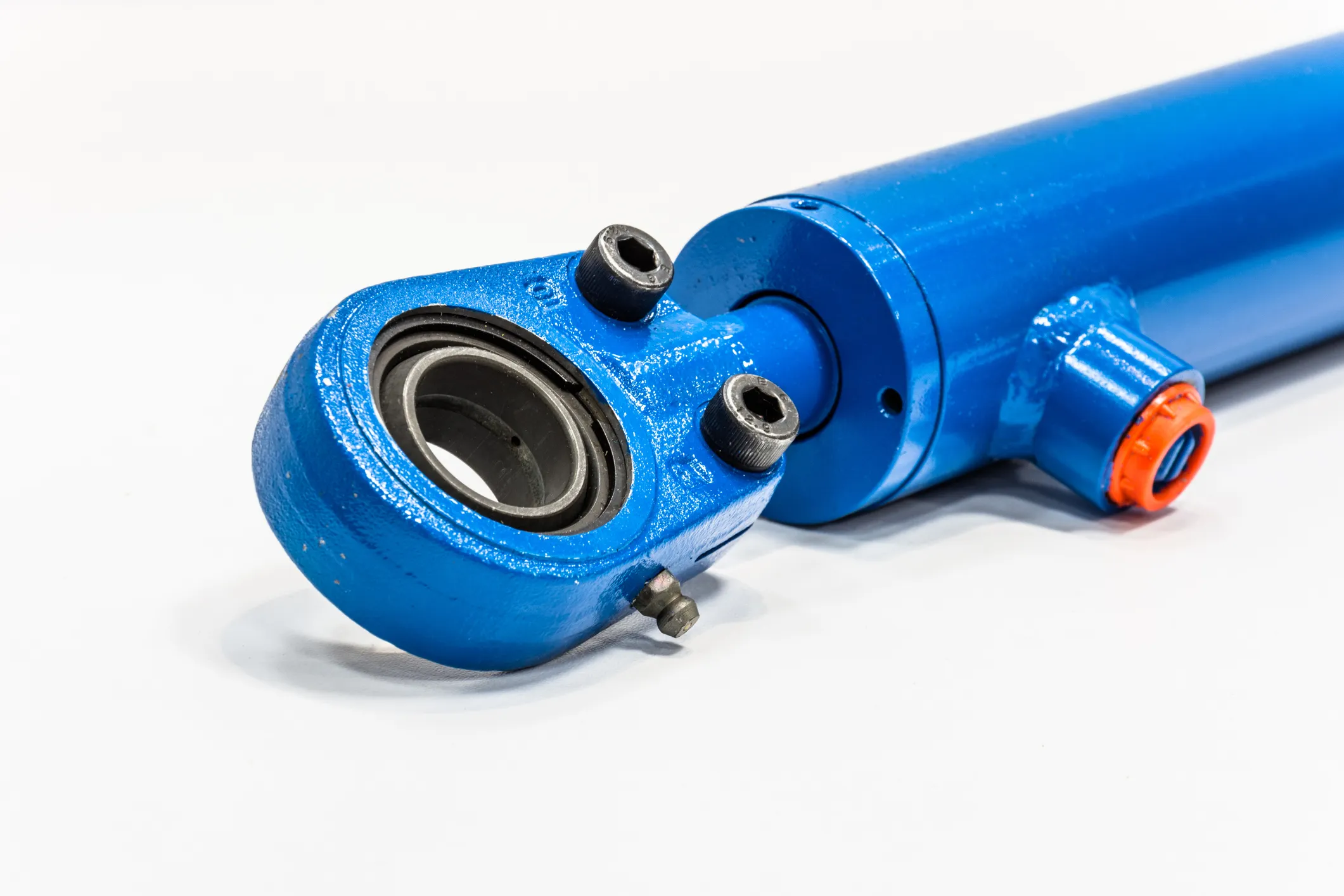
When it comes to hydraulic systems, the magnetic welded hydraulic cylinder stands out as a unique and innovative component. This article delves into the key features, design aspects, working principles, advantages, applications, and maintenance of these specialized cylinders.
Design and Construction Characteristics
One of the key design aspects of magnetic welded hydraulic cylinders is the integration of an easy magnetic sensor. This sensor allows for contact-free position detection, enhancing positioning accuracy and reaction speed. The welded structure of these cylinders, achieved through advanced welding processes, ensures high strength and durability, making them suitable for high-pressure and harsh environments. Additionally, the compact design of magnetic welded cylinders saves space and is ideal for applications with limited space constraints. Superior sealing performance is also a hallmark of these cylinders, providing excellent leakage prevention and enhancing reliability and safety.
Construction Characteristics
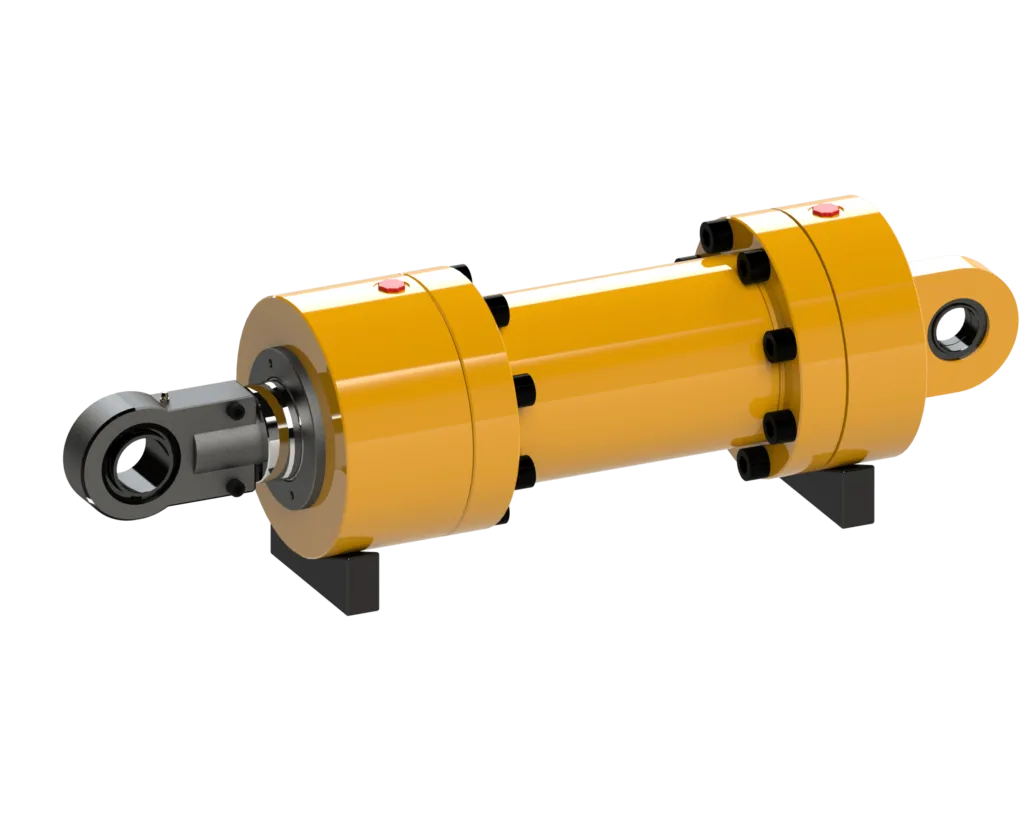
Precision machining is a critical step in the construction of magnetic welded hydraulic cylinders. Each component undergoes precision machining to ensure assembly accuracy and sealing efficiency. The welded process used in manufacturing ensures robust and durable joints that can withstand high pressures. Rigorous testing and verification processes, including pressure tests and position accuracy checks, guarantee the operational effectiveness of these cylinders. Customization options are available to tailor the design and construction according to specific customer requirements.
Working Principle
The magnetic welded hydraulic cylinder operates based on the transfer of force through liquid, resulting in piston movement and workload execution. A sophisticated sealing system prevents leakage and contamination, while pressure release mechanisms ensure safe operation. The precise functioning of these cylinders is made possible through magnetic position sensing technology, which enables accurate position detection without contact.
Types and Configurations
There are three main types of magnetic welded hydraulic cylinders, each with distinct configurations tailored to specific applications. These configurations offer unique features that cater to various operational requirements, enhancing efficiency and performance.
Advantages of Magnetic Welded Hydraulic Cylinders
1. Precise Positioning: Magnetic induction technology improves accuracy and reduces wear in applications.
2. Reduced Wear: Non-contact sensing minimizes component wear, increasing longevity.
3. Compact Design: Space-saving compared to traditional cylinders, ideal for constrained environments.
4. Enhanced Durability: Welded construction ensures strength and longevity under high pressures.
5. Superior Sealing Techniques: Seals prevent leakage and contamination, enhancing reliability.
Industries Using Magnetic Welded Hydraulic Cylinders
1. Industrial Automation: Utilized in robotic systems and assembly lines for precise motion control.
2. Material Handling: Applications include forklifts and conveyor systems, enhancing efficiency.
3. Construction Equipment: Provides accurate positioning for heavy machinery, improving operational safety.
Design Considerations and Selection Criteria
When selecting magnetic welded hydraulic cylinders, key considerations include bearing capacity, sealing efficiency, durability, safety features, and ease of maintenance. These factors ensure optimal performance and longevity in diverse applications.
Sealing and Lubrication
Proper sealing and lubrication are crucial for the effective operation of magnetic welded hydraulic cylinders. High-quality seals such as piston seals and rod seals, made from durable materials like polyurethane and nitrile rubber, are essential for preventing leakage. Regular lubrication with hydraulic oil enhances wear resistance and operational efficiency.
Regular Inspection and Preventive Maintenance
To ensure the longevity of magnetic welded hydraulic cylinders, regular inspection and preventive maintenance measures are essential. Inspections, lubrication checks, seal replacements, and calibration inspections help identify and address potential issues before they escalate, minimizing downtime and maximizing performance.
Installation Guide
Proper installation of magnetic welded hydraulic cylinders is crucial for optimal performance. Follow manufacturer guidelines carefully, ensuring correct positioning, alignment, and connection to the hydraulic system. Seek professional assistance if needed to guarantee a seamless installation process.
Maintenance Tasks
1. Regular Inspection: Check for leaks, wear, and alignment issues periodically to maintain operational efficiency.
2. Proper Lubrication: Ensure cylinders are adequately lubricated to reduce friction and wear, extending their lifespan.
3. Seal Replacement: Replace worn seals promptly to prevent leakage and contamination, preserving cylinder integrity.
Safety Considerations and Environmental Factors
When using magnetic welded hydraulic cylinders, prioritize safety measures to prevent accidents and ensure operator well-being. Consider environmental factors such as temperature, humidity, and operating conditions to optimize cylinder performance and longevity.
Fault Diagnosis and Common Problems
Identifying and addressing faults in magnetic welded hydraulic cylinders is essential for maintaining operational efficiency. Common problems include leaks, seal damage, sensor malfunctions, and alignment issues. Timely diagnosis and resolution of these issues are key to preventing costly downtime.
FAQs about Magnetic Welded Hydraulic Cylinders
1. How do magnetic sensors work in these cylinders?
Magnetic sensors detect the position of the piston without physical contact, providing accurate feedback for precise control and positioning.
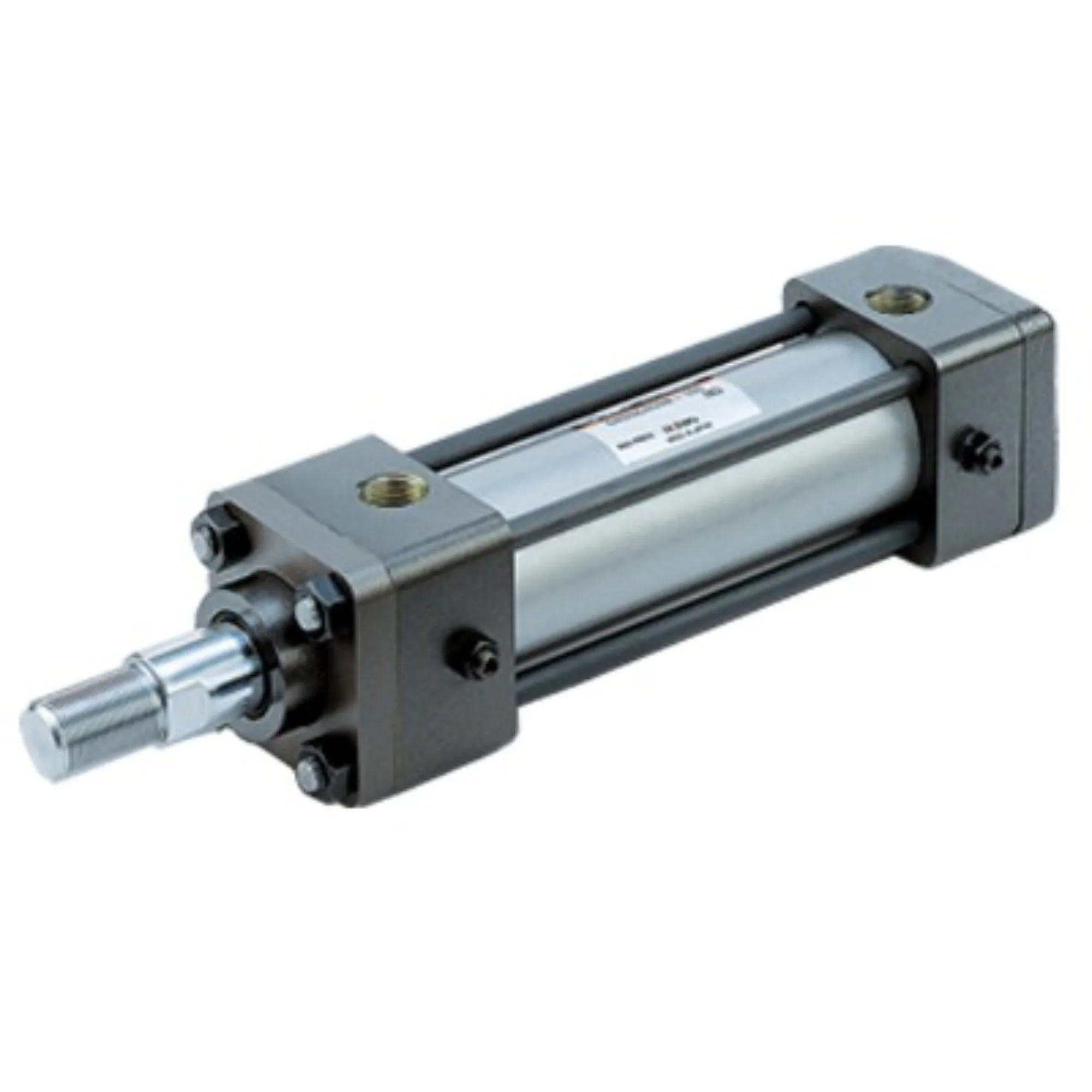
2. What are the main advantages of using magnetic welded hydraulic cylinders?
The main advantages include improved accuracy, reduced wear, compact design, enhanced durability, and superior sealing performance.
3. In which industries are these cylinders commonly used?
These cylinders are widely used in industrial automation, material handling, and construction equipment sectors for precise motion control and operational efficiency.
Long Tail Keywords
1. Magnetic Welded Hydraulic Cylinder Efficiency: Exploring the benefits of efficiency in hydraulic systems.
2. Advanced Sealing Techniques in Magnetic Welded Cylinders: Enhancing reliability through innovative sealing methods.
3. Customized Solutions for Magnetic Welded Hydraulic Cylinder Applications: Tailoring cylinder designs to meet specific industry needs.
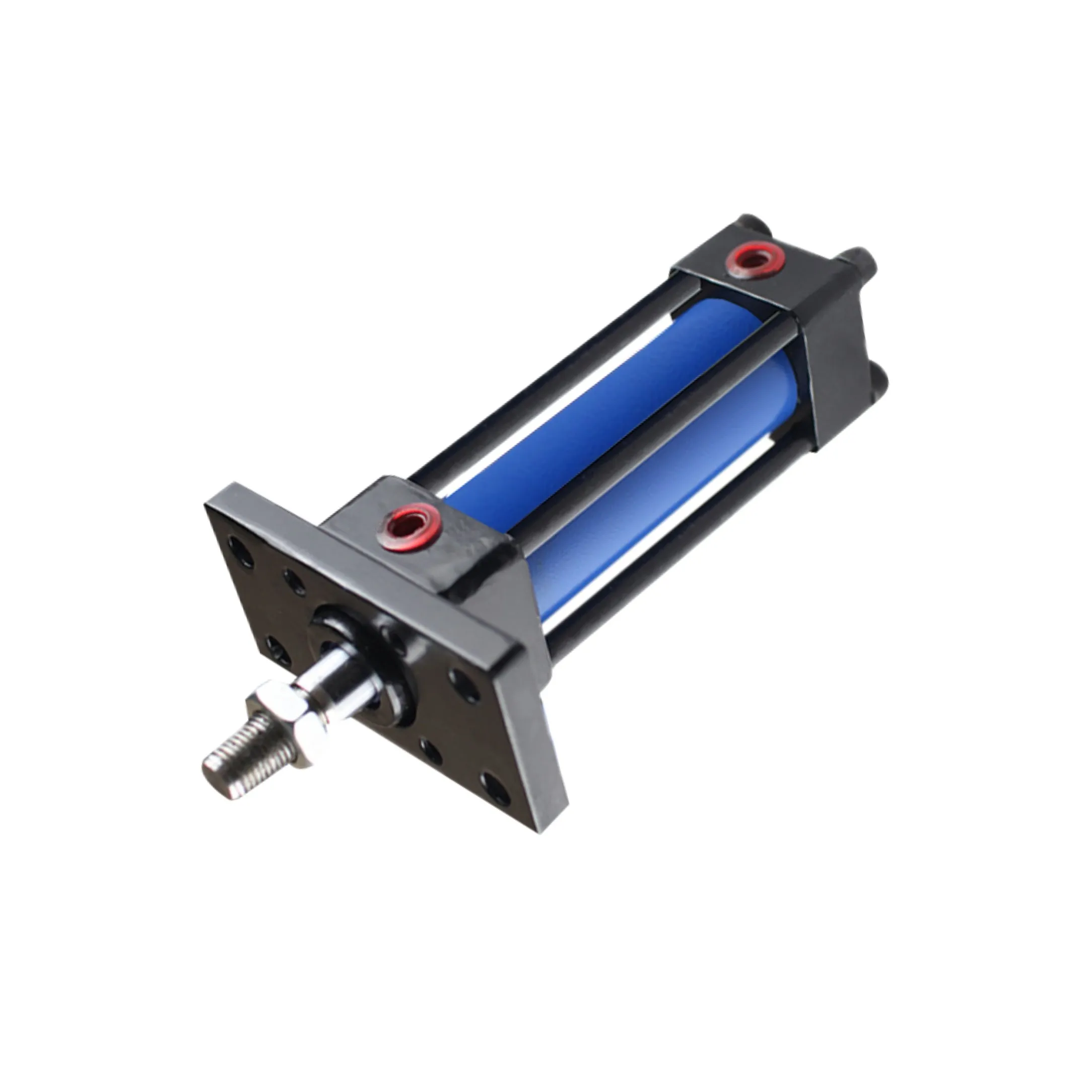
Our Company
As a leading hydraulic cylinder replacement manufacturer, our company offers a comprehensive product line catering to diverse industrial needs. With a focus on professionalism, international certifications, customized services, state-of-the-art production equipment, and dedicated after-sales support, we aim to provide top-quality solutions to our customers worldwide.
Author: lyl