
Understanding Pressure Relief Valves in Single-Acting Hydraulic Systems
In single-acting hydraulic systems, pressure relief valves play a crucial role in ensuring the safety and efficiency of the system. These valves are designed to protect the system from overpressure situations by releasing excess pressure when it exceeds a specified limit.
Principles of Single-Acting Hydraulic Cylinders
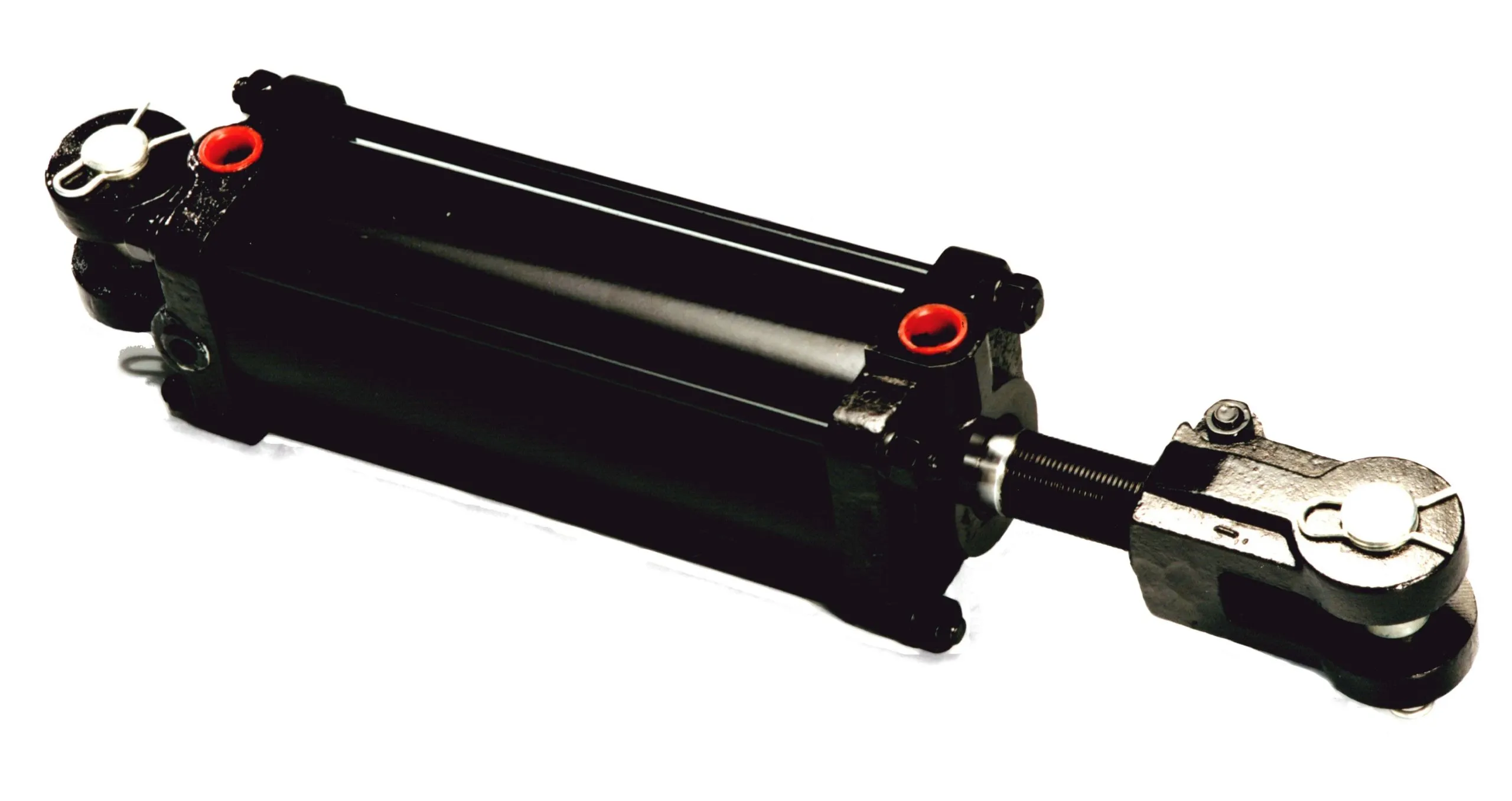
- Single-acting hydraulic cylinders operate using pressurized fluid to extend the piston in one direction, with a spring or external force returning the piston to its original position.
- These cylinders are simpler in design compared to double-acting cylinders, making them ideal for applications where a unidirectional force is required.
- Single-acting cylinders are commonly used in applications such as lifting, pressing, and clamping.
Components and Structure of Single-Acting Hydraulic Cylinders
The main components of a single-acting hydraulic cylinder include the piston, cylinder barrel, rod, seals, and pressure relief valve. The design and construction of these cylinders are optimized for efficient force transmission and durability.
Working Principle of Single-Acting Cylinders
Single-acting cylinders generate linear force by pressurizing the hydraulic fluid on one side of the piston, causing it to extend. The force and stroke control mechanisms ensure precise movement, with performance characteristics such as compact design, high load capacity, and leak resistance.
Types of Single-Acting Hydraulic Cylinder Configurations
Single-acting cylinders come in various types and configurations, including telescopic cylinders, plunger cylinders, and differential cylinders. Each type is designed for specific applications, providing unique advantages in terms of size, stroke length, and force capacity.
Advantages of Single-Acting Hydraulic Cylinders
- Compact design
- High load capacity
- Robust construction
- Leak resistance
- Cost-effectiveness
Applications of Single-Acting Hydraulic Cylinders
Single-acting hydraulic cylinders are widely used in industries such as construction, manufacturing, transportation, and agriculture. These cylinders are utilized in machinery and equipment for tasks such as lifting, bending, and pushing.
Factors to Consider When Selecting a Single-Acting Cylinder
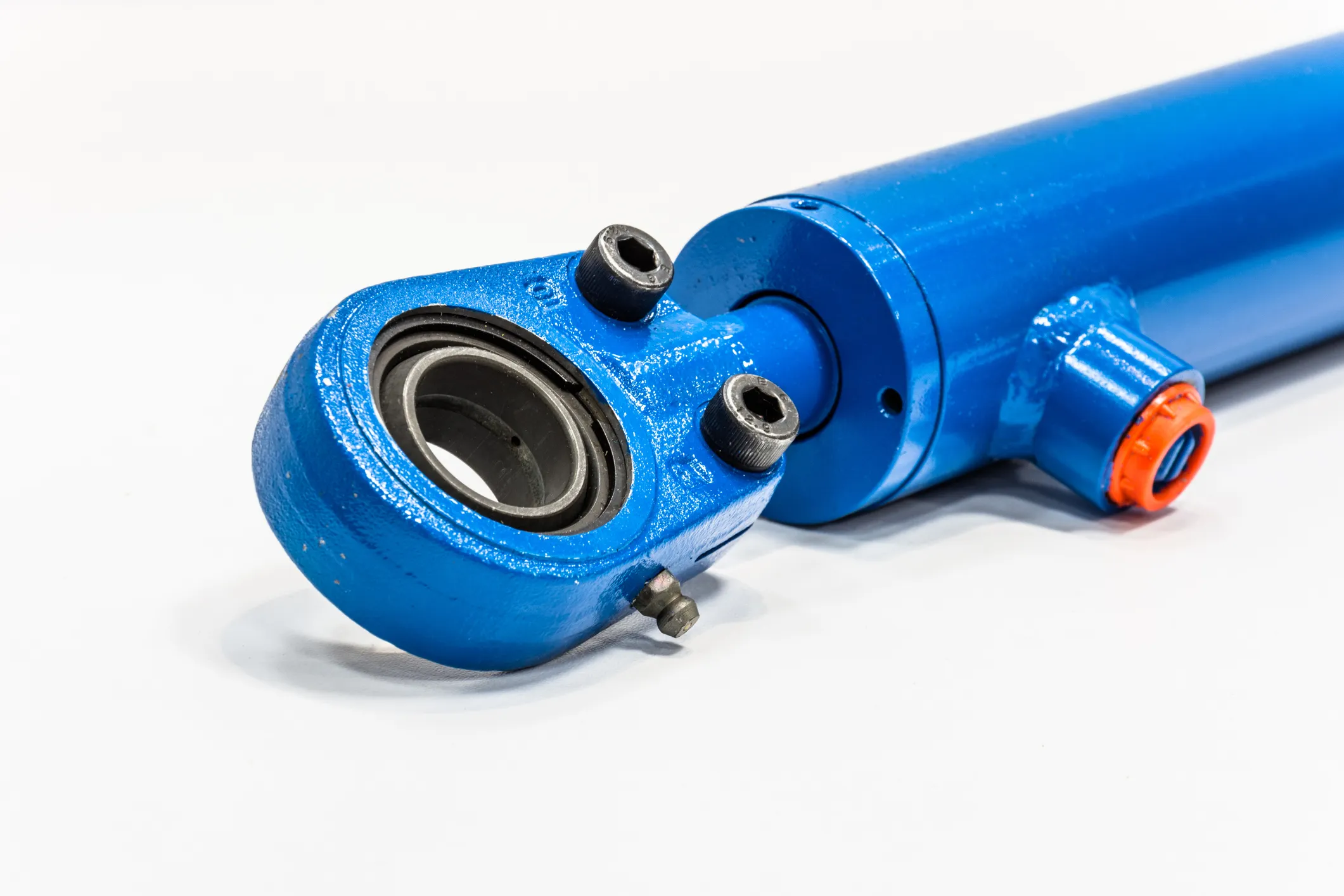
When choosing a single-acting cylinder for a specific application, factors such as cylinder size, force calculations, stroke length, and sealing technology must be taken into account. Proper selection ensures optimal performance and longevity of the system.
Sealing Technology and Cylinder Structure
Sealing plays a critical role in preventing leaks in single-acting cylinders. Different sealing materials and structural components are used to enhance the durability and efficiency of the cylinders, ensuring reliable operation in various environments.
Controlling Cylinder Speed and Movement
Various methods are employed to control the speed and movement of single-acting cylinders, including adjustable buffering options to prevent shock and vibration. Proper speed control enhances the performance and safety of the system.
Maintenance and Safety Considerations
Regular inspection and preventive maintenance measures are essential to ensure the longevity and efficiency of single-acting hydraulic cylinders. Safety precautions must be followed to prevent accidents and ensure the safe operation of the system.
Company Focus: Hydraulic Cylinder Replacement Manufacturer
Our company is a leading hydraulic cylinder manufacturer and wholesale distributor, offering a complete product line for domestic and international markets. With professional certifications, customized services, state-of-the-art production equipment, and comprehensive after-sales support, we strive to deliver quality products and solutions to our customers.
Author: lyl