
Exploring The Environmental Considerations In The Selection And Operation Of Single-Acting Hydraulic Cylinders
Introduction
In the world of hydraulic systems, single-acting hydraulic cylinders play a crucial role in various industries. Understanding the environmental considerations in selecting and operating these cylinders is essential for optimal performance and longevity.
Single-Acting Hydraulic Cylinder: Key Principles
Single-acting hydraulic cylinders utilize hydraulic fluid to generate linear force in one direction. The cylinder’s design allows for controlled movement through the use of a piston and rod assembly, with hydraulic pressure acting on one side of the piston to create movement.
Differences from Double-Acting Cylinders
Unlike double-acting cylinders that use hydraulic pressure to extend and retract the piston, single-acting cylinders rely on external forces or gravity for the return stroke. This design simplifies the system and reduces the need for complex control mechanisms, making them cost-effective and efficient for specific applications.
Components and Structure
The basic components of a single-acting hydraulic cylinder include a cylinder barrel, piston, piston rod, and seals. These components work together to convert hydraulic energy into linear motion, providing reliable and consistent performance in various industrial applications.
Design and Construction
The design of single-acting cylinders is carefully engineered to withstand high loads and harsh operating conditions. Robust construction and advanced materials ensure durability and long-term functionality, making them suitable for demanding environments.
Working Principle
Single-acting cylinders operate by applying hydraulic pressure to one side of the piston, causing it to extend and generate linear force. The return stroke is achieved through external forces or gravity, providing controlled movement and precise positioning in industrial machinery.
Force Generation and Stroke Control
The force generated by single-acting cylinders is directly proportional to the hydraulic pressure applied and the piston’s surface area. Stroke control mechanisms regulate the cylinder’s movement, allowing for precise positioning and efficient operation in various applications.
Types and Configurations
Single-acting hydraulic cylinders come in various types and configurations, including telescopic, plunger, and differential cylinders. Each type offers unique features and benefits, catering to specific industrial requirements and performance needs.
Advantages
- Compact design for space-saving installations
- High load capacity for heavy-duty applications
- Robust construction for durability and reliability
- Leak resistance for enhanced safety and efficiency
- Cost-effective solution for budget-conscious projects
Applications in Industries
Single-acting hydraulic cylinders are widely used in various industries, including construction, manufacturing, transportation, and agricultural sectors. These cylinders power machinery and equipment such as cranes, lifts, presses, and agricultural implements, providing critical functionality and performance.
Considerations for Selection
When selecting a single-acting cylinder for a specific application, factors such as cylinder size, force calculations, stroke length, inner diameter, and rod diameter must be carefully considered. These design considerations ensure optimal performance and efficiency in industrial operations.
Sealing Technology and Structure
The sealing technology in single-acting cylinders is crucial for preventing leaks and ensuring operational efficiency. Different sealing materials and cylinder structural components play a vital role in maintaining system integrity and performance in demanding environments.
Cylinder Speed Control
Controlling the speed and movement of single-acting cylinders is essential for safe and precise operation. Adjustable buffering options help prevent shock and vibration, improving cylinder performance and extending operational lifespan in industrial applications.
Maintenance and Safety
Regular inspection and preventive maintenance measures are essential for ensuring the reliable operation of single-acting hydraulic cylinders. Proper lubrication, seal replacement, and calibration inspections help minimize downtime and maximize system efficiency.
Installation Guide
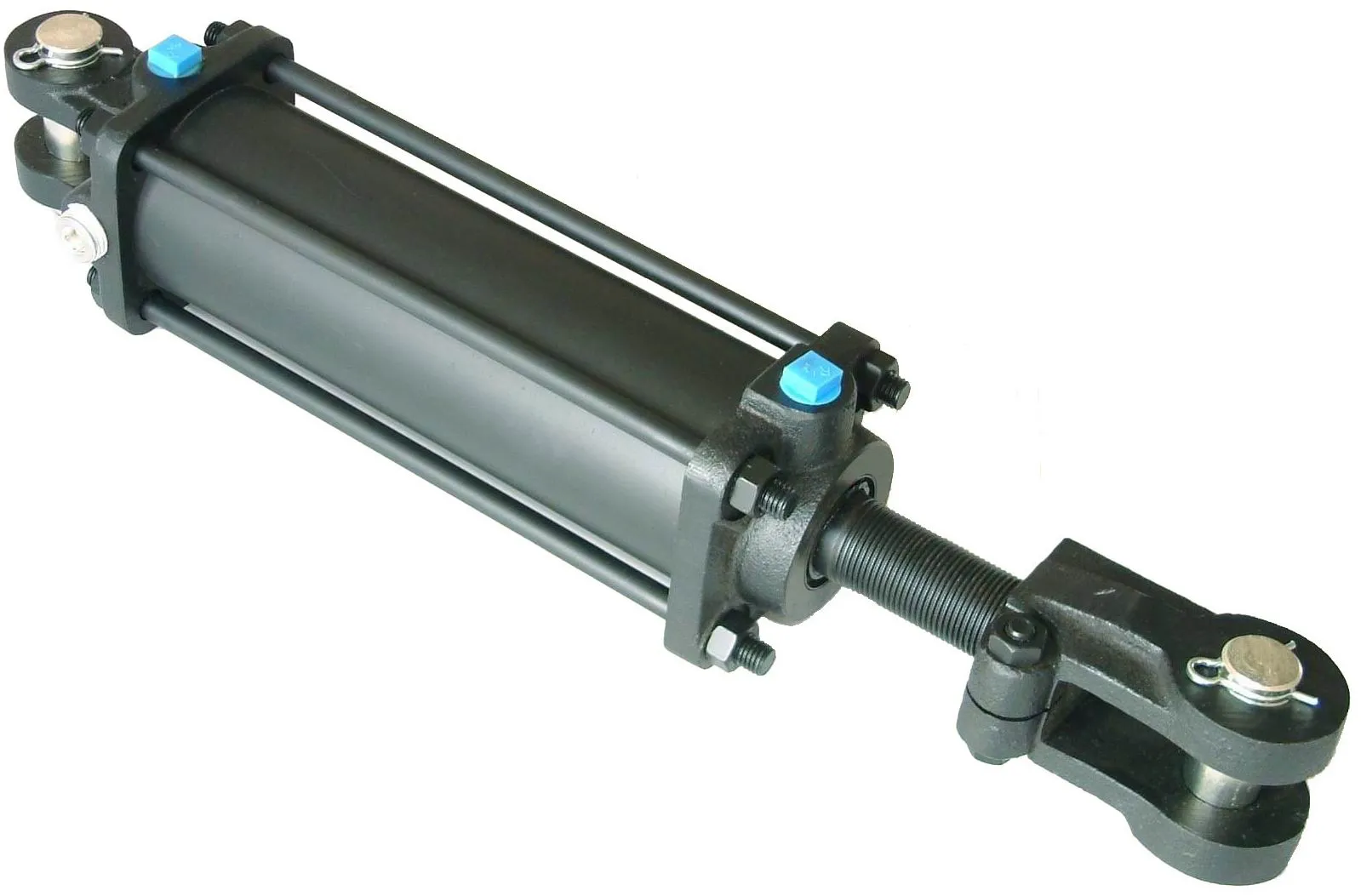
Proper installation of single-acting hydraulic cylinders is crucial for optimal performance and safety. Following manufacturer guidelines and industry standards ensures correct assembly and operation in industrial machinery and equipment.
Safety Considerations
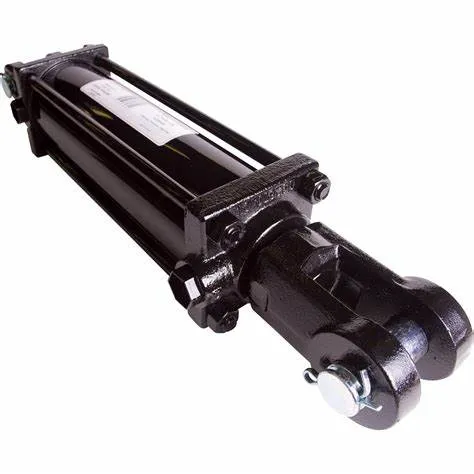
When using single-acting hydraulic cylinders, safety measures must be prioritized to prevent accidents and ensure worker protection. Environmental factors such as temperature, humidity, and chemical exposure should also be considered for safe and efficient operation.
Fault Diagnosis and Troubleshooting
In the event of system malfunctions or performance issues, diagnosing faults and common problems in single-acting cylinders is essential for timely resolution. Troubleshooting tips and solutions help identify root causes and implement corrective actions for optimal system performance.
FAQs
1. What is the primary function of single-acting hydraulic cylinders? Single-acting cylinders generate linear force in one direction using hydraulic pressure and controlled movement mechanisms.
2. How do single-acting hydraulic cylinders generate linear force? By applying hydraulic pressure to one side of the piston, the cylinder extends and generates force for mechanical work.
3. What are some common applications of single-acting hydraulic cylinders? Single-acting cylinders are used in lifting, pressing, and positioning applications in various industries for efficient and reliable performance.
Long-Tail Keywords
1. Single-acting hydraulic cylinder for industrial lifting applications: This long-tail keyword focuses on the use of single-acting cylinders in lifting and positioning heavy loads in industrial settings.
2. Telescopic single-acting hydraulic cylinder for agricultural machinery: This long-tail keyword highlights the application of telescopic single-acting cylinders in agricultural equipment for efficient and precise operation.
3. Plunger single-acting hydraulic cylinder for construction equipment: This long-tail keyword emphasizes the use of plunger single-acting cylinders in construction machinery for robust and reliable performance.
Company Focus
Our company is a leading hydraulic cylinder replacement manufacturer with a comprehensive product line catering to diverse industrial needs. With a focus on quality, innovation, and customer satisfaction, we have established ourselves as a trusted provider in the domestic and international markets.
Company Overview
We are dedicated to providing professional services, international certifications, customized solutions, state-of-the-art production equipment, and reliable after-sales support. Our commitment to excellence and customer-centric approach sets us apart as a preferred partner for hydraulic cylinder solutions.