
The Importance of Heavy-Duty Hydraulic Cylinders
Heavy-duty hydraulic cylinders are essential components in various industries, providing powerful and reliable force for a wide range of applications. These cylinders are designed to withstand heavy loads and high pressures, making them ideal for demanding tasks that require precision and efficiency.
Definition and Composition
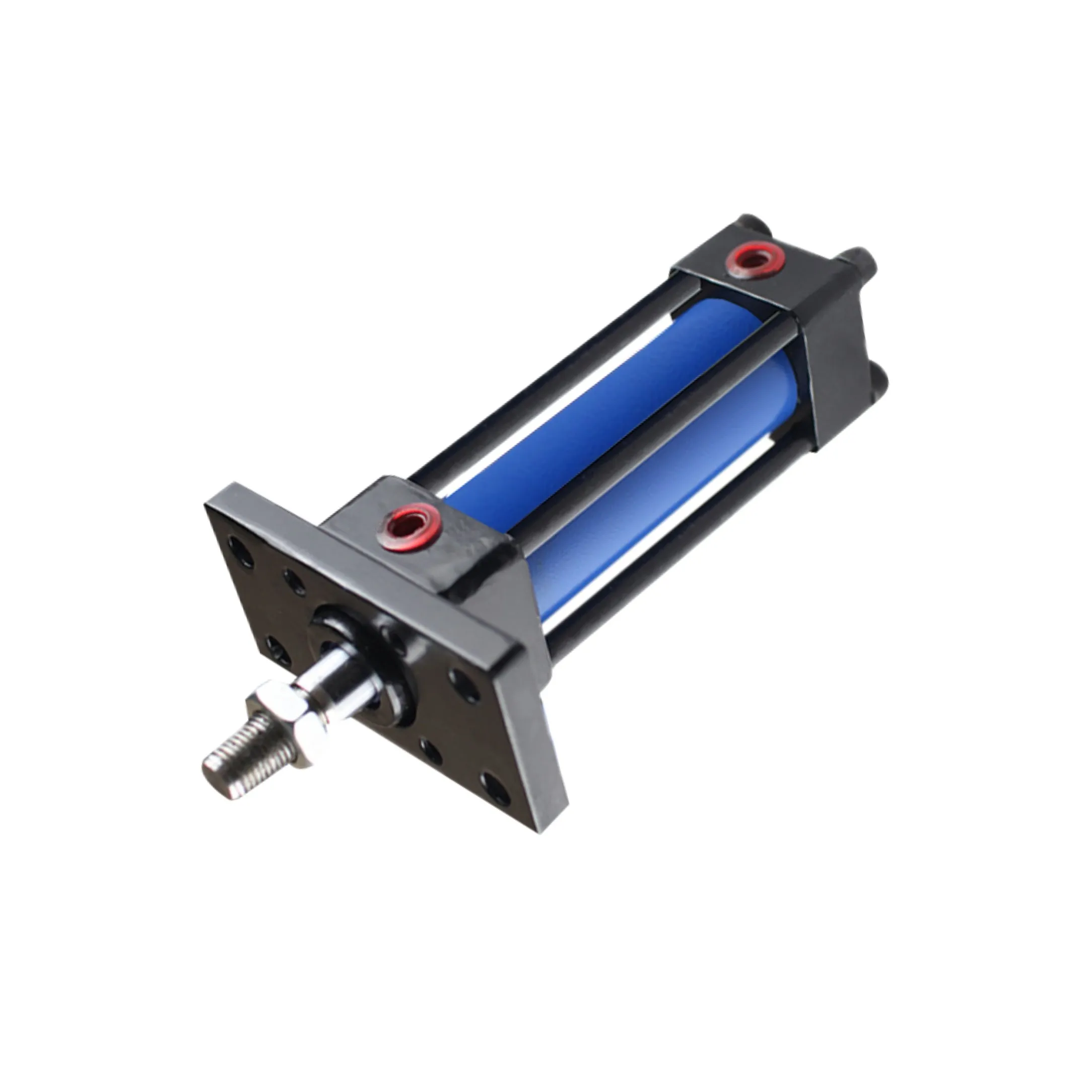
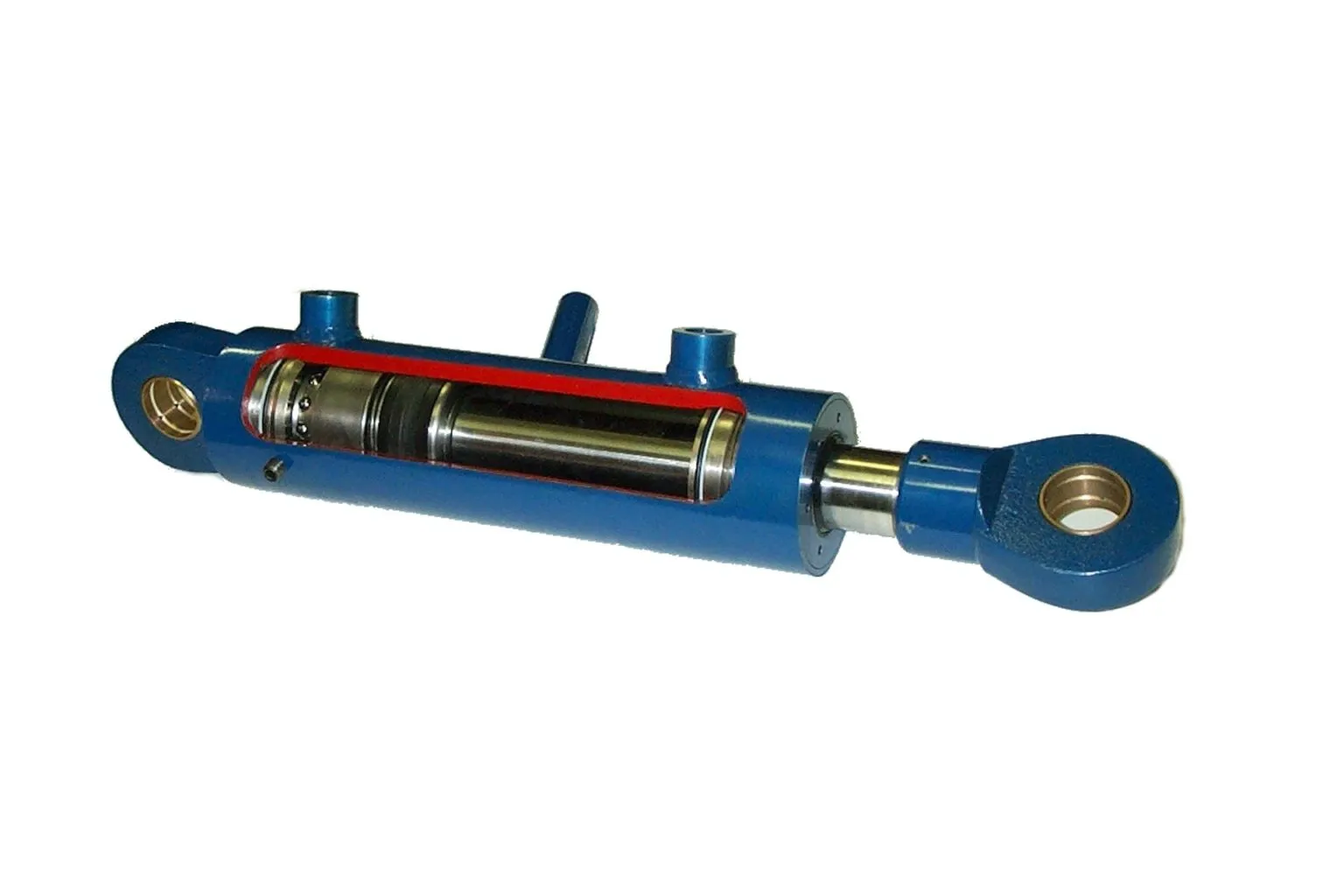
A heavy-duty hydraulic cylinder is a mechanical actuator that converts hydraulic energy into linear motion. It consists of a cylinder barrel, piston, rod, seals, and hydraulic fluid. The cylinder barrel houses the piston, which is connected to the rod. Seals prevent leakage of hydraulic fluid, ensuring smooth operation.
Working Principle
When hydraulic fluid is pumped into the cylinder, it pushes the piston, generating linear motion. The force applied to the piston is transferred to the rod, which moves the load. By controlling the flow of hydraulic fluid, the cylinder can regulate speed and force, offering precise control over the movement.
Types and Configurations
- Single-acting cylinders: Operate in one direction, using hydraulic pressure to extend the rod.
- Double-acting cylinders: Use hydraulic pressure to extend and retract the rod, providing bi-directional movement.
- Telescopic cylinders: Consist of multiple nested stages, allowing for extended reach in a compact design.
Advantages of Heavy-Duty Hydraulic Cylinders
- High load capacity: Capable of handling heavy loads with ease, making them suitable for industrial applications.
- Precision control: Offers accurate positioning and movement, enhancing productivity and efficiency.
- Durable construction: Built to withstand harsh conditions, ensuring long-lasting performance and reliability.
- Flexibility in design: Available in various sizes and configurations to suit different requirements.
- Low maintenance: Require minimal upkeep, reducing downtime and operating costs.
Applications in Industries
Heavy-duty hydraulic cylinders are widely used in industries such as construction, mining, agriculture, marine, and aerospace. For example, in construction, these cylinders are employed in excavators, cranes, and bulldozers to lift and move heavy materials with precision and control.
Factors Affecting Performance
- Load capacity and maximum working pressure: Determines the maximum force the cylinder can exert.
- Piston diameter and rod size considerations: Influence the speed and power of the cylinder’s movement.
- Cylinder stroke length and retract speed: Impact the range and efficiency of the cylinder’s operation.
- Seal selection and sealing mechanism: Ensure proper fluid containment and prevent leakage.
- Operating temperature range and fluid compatibility: Maintain optimal performance under varying conditions.
Maintenance and Care
Regular maintenance is crucial to prolong the lifespan of heavy-duty hydraulic cylinders and prevent costly repairs. Inspecting for leaks, checking fluid levels, and lubricating moving parts are essential tasks that should be performed routinely to ensure optimal performance.
Preventive Measures
- Monitor hydraulic fluid levels and quality to prevent contamination.
- Check for wear and tear on seals and replace them as needed to prevent leaks.
- Inspect cylinders for signs of damage or misalignment and address issues promptly.
Installation Guide
Proper installation of heavy-duty hydraulic cylinders is critical to ensure optimal performance and safety. Aligning the cylinder correctly and maintaining parallelism with the load are essential steps to prevent damage and ensure efficient operation.
Maintenance Tasks
- Cleaning: Remove dirt and debris to prevent contamination and maintain smooth operation.
- Lubrication: Apply grease or oil to moving parts to reduce friction and wear, extending the cylinder’s lifespan.
- Checking wear: Inspect seals, rods, and pistons for signs of wear and replace them if necessary to prevent leaks and malfunctions.
Fault Diagnosis and Solutions
Common problems with heavy-duty hydraulic cylinders include leaks, slow operation, and loss of pressure. By conducting thorough inspections and identifying the root cause of the issue, you can effectively diagnose and resolve problems to ensure optimal performance.
Troubleshooting Tips
To minimize potential problems, follow these tips:
- Regularly inspect cylinders for leaks, cracks, or damaged components.
- Check hydraulic fluid levels and quality to ensure proper lubrication and performance.
- Monitor cylinder operation for unusual noises or vibrations that may indicate a problem.
FAQs
What are heavy-duty hydraulic cylinders?
Heavy-duty hydraulic cylinders are mechanical actuators that convert hydraulic energy into linear motion, providing powerful force for various industrial applications.
What industries commonly use heavy-duty hydraulic cylinders?
Heavy-duty hydraulic cylinders are widely used in construction, mining, agriculture, marine, and aerospace industries for lifting, pushing, pulling, and positioning heavy loads with precision.
What factors affect the performance of heavy-duty hydraulic cylinders?
Several factors, including load capacity, working pressure, piston size, seal integrity, operating temperature, and fluid compatibility, can impact the performance and efficiency of heavy-duty hydraulic cylinders.