
The Ultimate Guide to High-Speed Reversible Welded Hydraulic Cylinders
Introduction
In the realm of hydraulic systems, the concept of reversible welded hydraulic cylinders has been gaining significant traction. These cylinders play a crucial role in various industries, providing bidirectional action and enhancing the efficiency of hydraulic equipment. Let’s delve into the intricacies of high-speed reversible welded hydraulic cylinders, exploring their design, working principle, applications, maintenance, and more.
Defining High-Speed Reversible Welded Hydraulic Cylinders
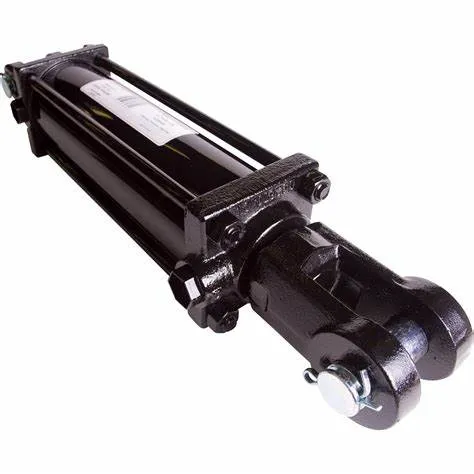
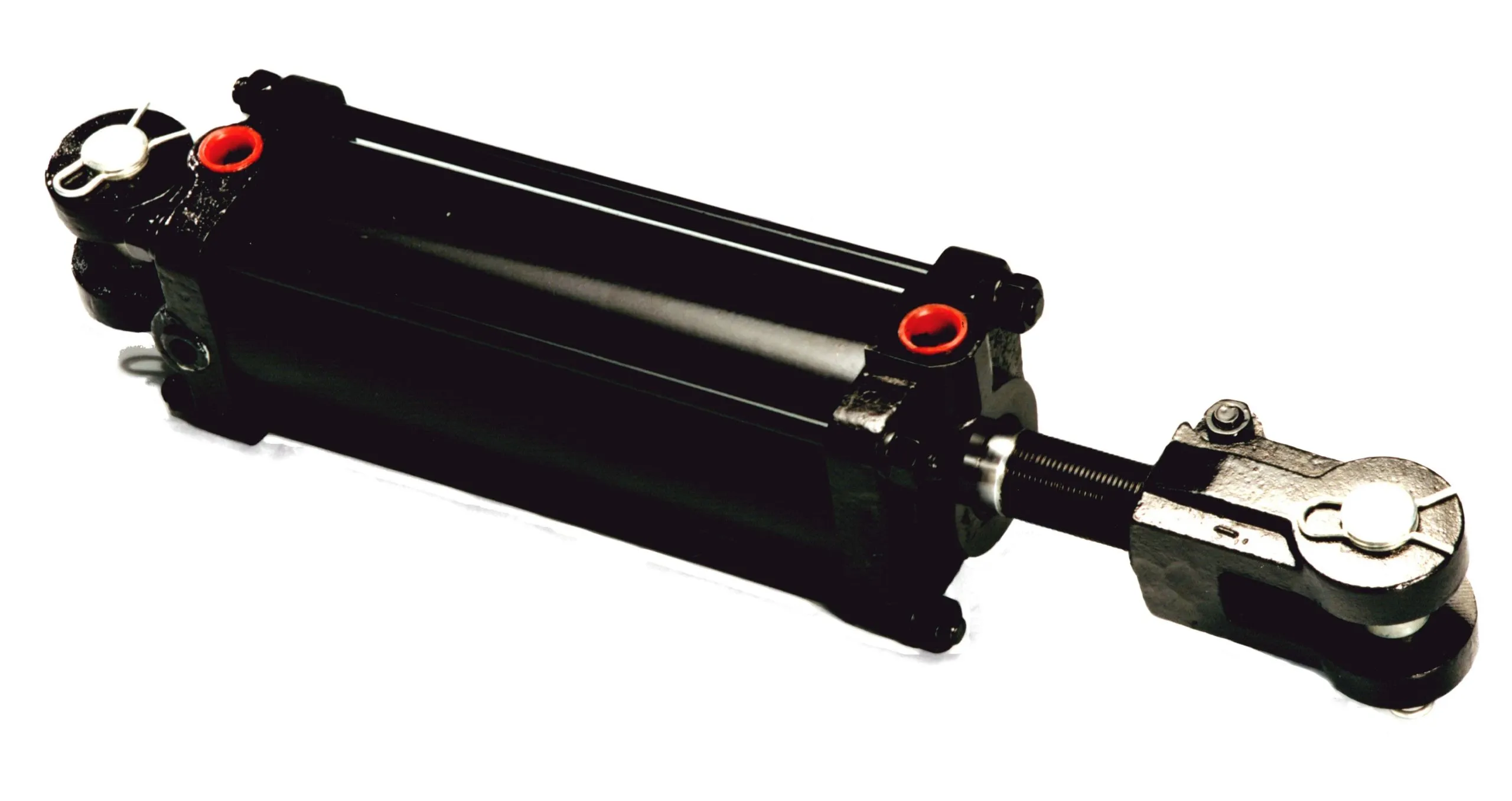
High-speed reversible welded hydraulic cylinders are hydraulic actuators that enable bidirectional movement through the extension and retraction of a piston within a welded cylinder. These cylinders are designed for high-speed operations, offering seamless functionality in both directions without the need to alter the hydraulic connections.
Design Characteristics
- Components: The key components of a reversible welded hydraulic cylinder include the cylinder itself, piston, rod, and end cap, all fabricated from durable materials like steel or stainless steel.
- Reversibility: These cylinders boast design features such as double action capability and two-way flow, ensuring optimal performance regardless of the direction of operation.
Working Principle
When hydraulic fluid is introduced into the cylinder, it exerts pressure on the piston, causing it to extend or retract based on the flow and pressure settings. This extension and contraction mechanism enables precise control over the movement of hydraulic equipment.
Types and Configurations
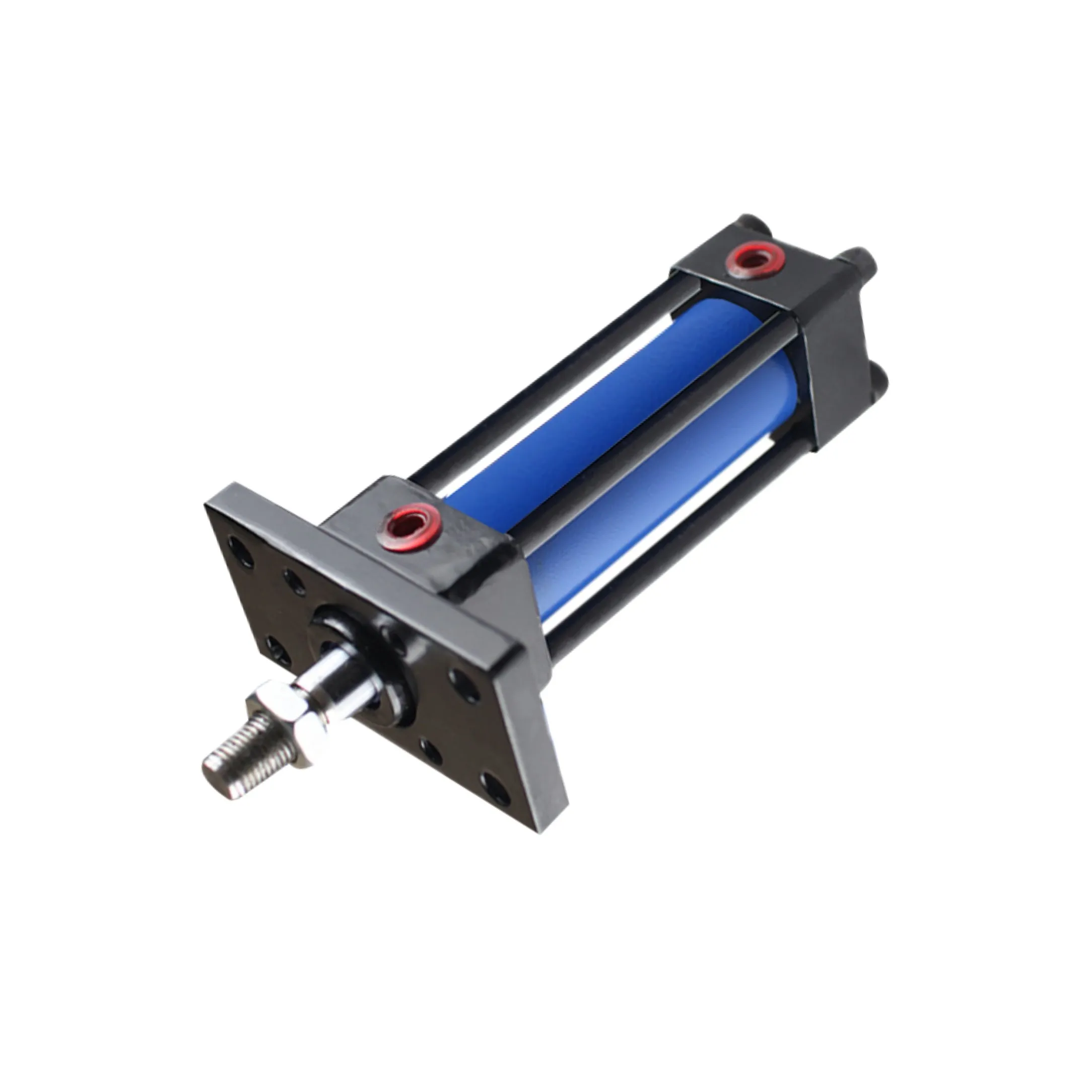
High-speed reversible welded hydraulic cylinders come in various types and configurations to suit different applications. Common variants include single-acting, double-acting, and telescopic cylinders, each catering to specific operational requirements.
Advantages
- Reversibility: Enhances equipment flexibility and versatility.
- Durability: Can withstand high pressure and loads, ensuring longevity.
- Simple Maintenance: Fewer moving parts reduce maintenance needs.
- Cost-Effective: Offers affordability compared to traditional cylinders.
- Compact Design: Ideal for space-constrained environments.
Applications
High-speed reversible welded hydraulic cylinders find extensive use in industries such as construction, agriculture, manufacturing, mining, waste disposal, marine engineering, robotics, and automation. These cylinders power a wide range of equipment, from excavators and tractors to robotic arms and marine machinery.
Design Considerations
- Bearing Capacity: Ensure the cylinder can withstand operational loads.
- Sealing: Use high-quality seals to prevent leakage and ensure efficiency.
- Durability: Opt for robust materials to enhance the cylinder’s lifespan.
- Safety: Implement safety features to prevent accidents during operation.
- Maintainability: Design the cylinder for easy maintenance and repair.
Sealing and Lubrication
Proper sealing and lubrication are essential for the optimal performance of high-speed reversible welded hydraulic cylinders. Utilize quality seals and lubricants to minimize wear and tear, ensuring smooth operation and longevity.
Maintenance and Troubleshooting
Regular inspection, lubrication, and seal replacement are vital maintenance tasks to uphold the performance of reversible welded hydraulic cylinders. Implement preventive measures to address common issues and extend the lifespan of the equipment.
Safety and Environmental Considerations
Adhering to safety protocols and environmental regulations is paramount when utilizing high-speed reversible welded hydraulic cylinders. Ensure proper installation, maintenance, and operation to prevent accidents and minimize environmental impact.
Fault Diagnosis and Solutions
When troubleshooting issues with reversible welded hydraulic cylinders, diagnosing faults accurately is crucial. Identify common problems such as leaks, insufficient pressure, or erratic movement, and apply appropriate solutions to rectify the issues promptly.
FAQs
What types of industries commonly use reversible welded hydraulic cylinders?
Industries such as construction, agriculture, manufacturing, mining, waste disposal, marine engineering, robotics, and automation extensively utilize high-speed reversible welded hydraulic cylinders to power various equipment.
What are the main components of a reversible welded hydraulic cylinder?
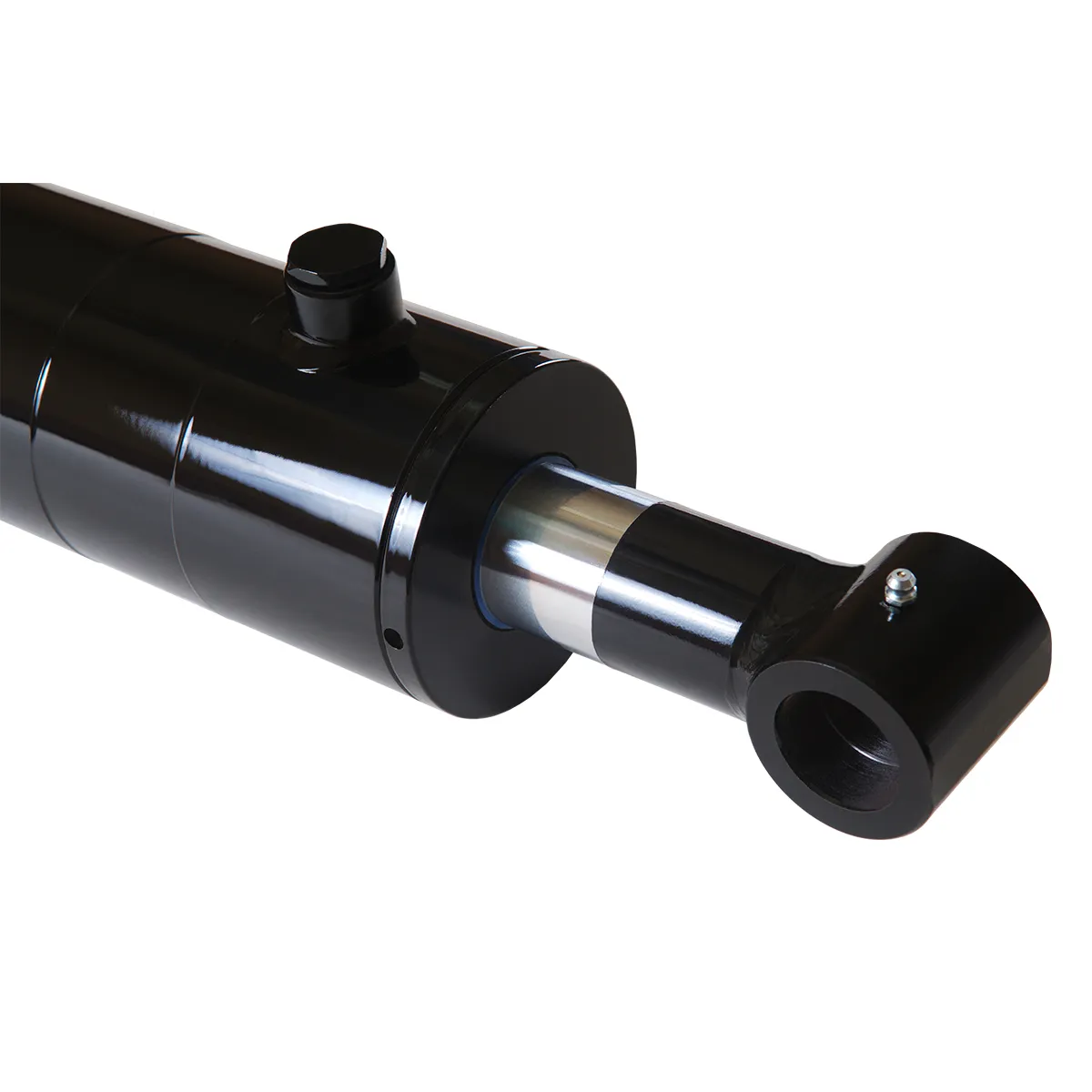
The key components include the cylinder, piston, rod, and end cap, all constructed from durable materials like steel or stainless steel to withstand high pressure and loads.
How do reversible welded hydraulic cylinders differ from single-acting cylinders?
Unlike single-acting cylinders that operate in one direction, reversible welded hydraulic cylinders offer bidirectional movement, enhancing equipment flexibility and efficiency in hydraulic systems.
Long Tail Keywords
- High-Speed Double-Acting Hydraulic Cylinders: These cylinders provide rapid bidirectional movement for diverse industrial applications, ensuring efficient performance.
- Stainless Steel Reversible Hydraulic Cylinders: Engineered from high-grade stainless steel, these cylinders offer durability and corrosion resistance in demanding environments.
- Telescopic Reversible Welded Cylinders: Ideal for applications requiring variable stroke lengths, these cylinders deliver precise control and adaptability.
Our Company
As a leading hydraulic cylinder replacement manufacturer, we offer a comprehensive product line tailored to meet diverse industry needs. With a focus on quality, reliability, and customer satisfaction, we have established ourselves as a trusted supplier in both domestic and international markets.