
Introduction: Understanding Telescopic Single-Acting Hydraulic Cylinders
In the realm of hydraulic applications, telescopic single-acting hydraulic cylinders play a vital role in providing reliable and efficient power transmission. These specialized cylinders are designed to extend their length from a compact form, applying hydraulic pressure in one direction to perform various tasks. Let’s delve into the design, construction, working principle, types, advantages, applications, and maintenance considerations of these essential components.
Design and Construction Characteristics
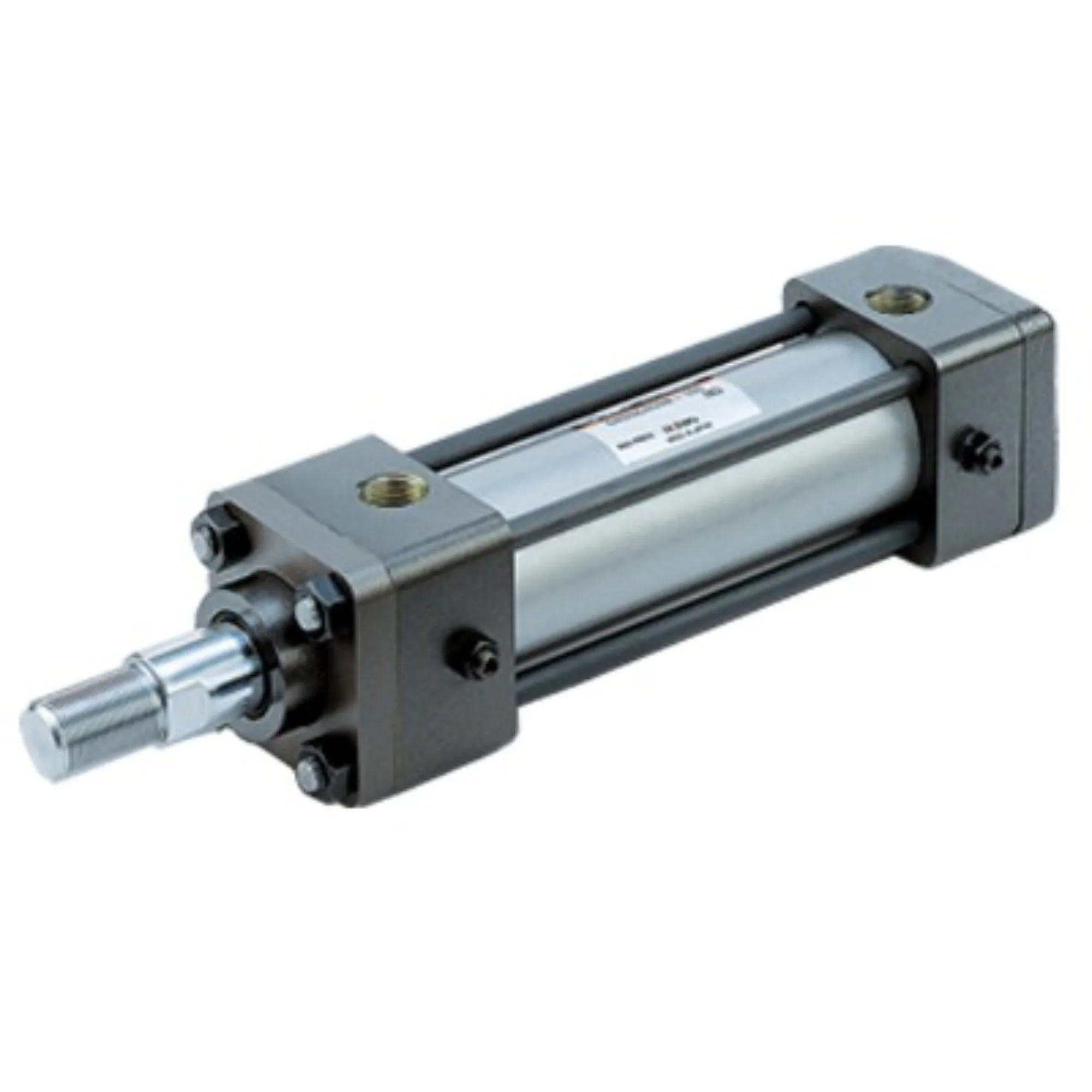
- Outer Cylinder: The external shell housing multiple internal stages
- Internal Stages: Gradual expansion stages allowing telescopic movement
- Piston: Component pushing hydraulic fluid
- Seals: Types like O-rings and wiper seals prevent leaks
- Materials: High-strength steel, lightweight aluminum, corrosion-resistant coatings
Working Principle
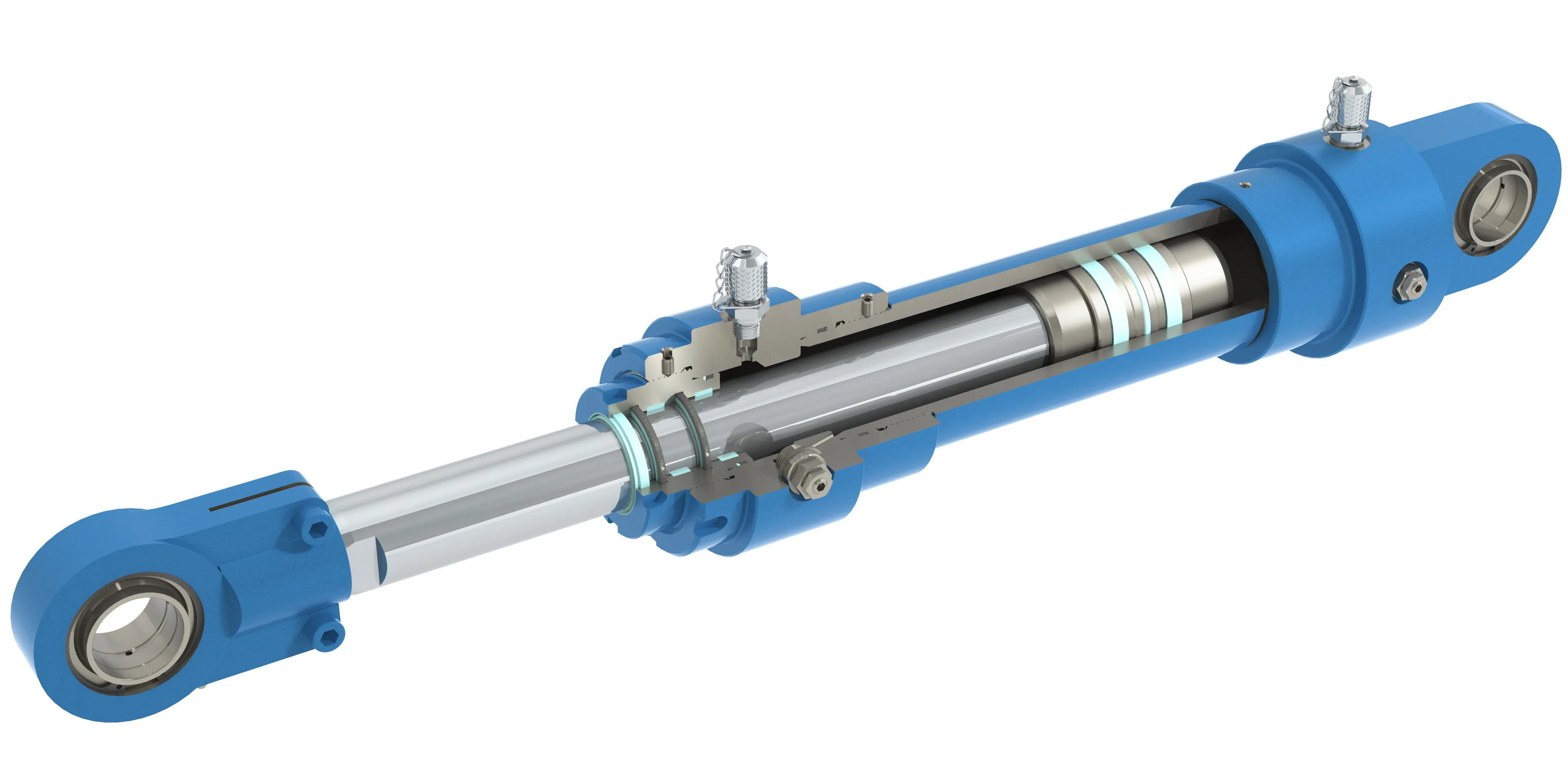
The telescopic single-acting hydraulic cylinder extends and contracts based on hydraulic pressure, utilizing springs or gravity for retraction. This action provides the necessary force output for lifting and driving applications, making it a versatile choice across industries.
Types and Configurations
Three main types of telescopic single-acting hydraulic cylinders offer varying configurations to suit specific needs. Each type provides unique benefits in terms of space efficiency, force output, and versatility.
Advantages
- Space Efficiency: Compact when contracted, expands significantly
- High Force Output: Capable of generating substantial force for heavy loads
- Versatility: Adaptable across different industries and applications
Application Scenarios
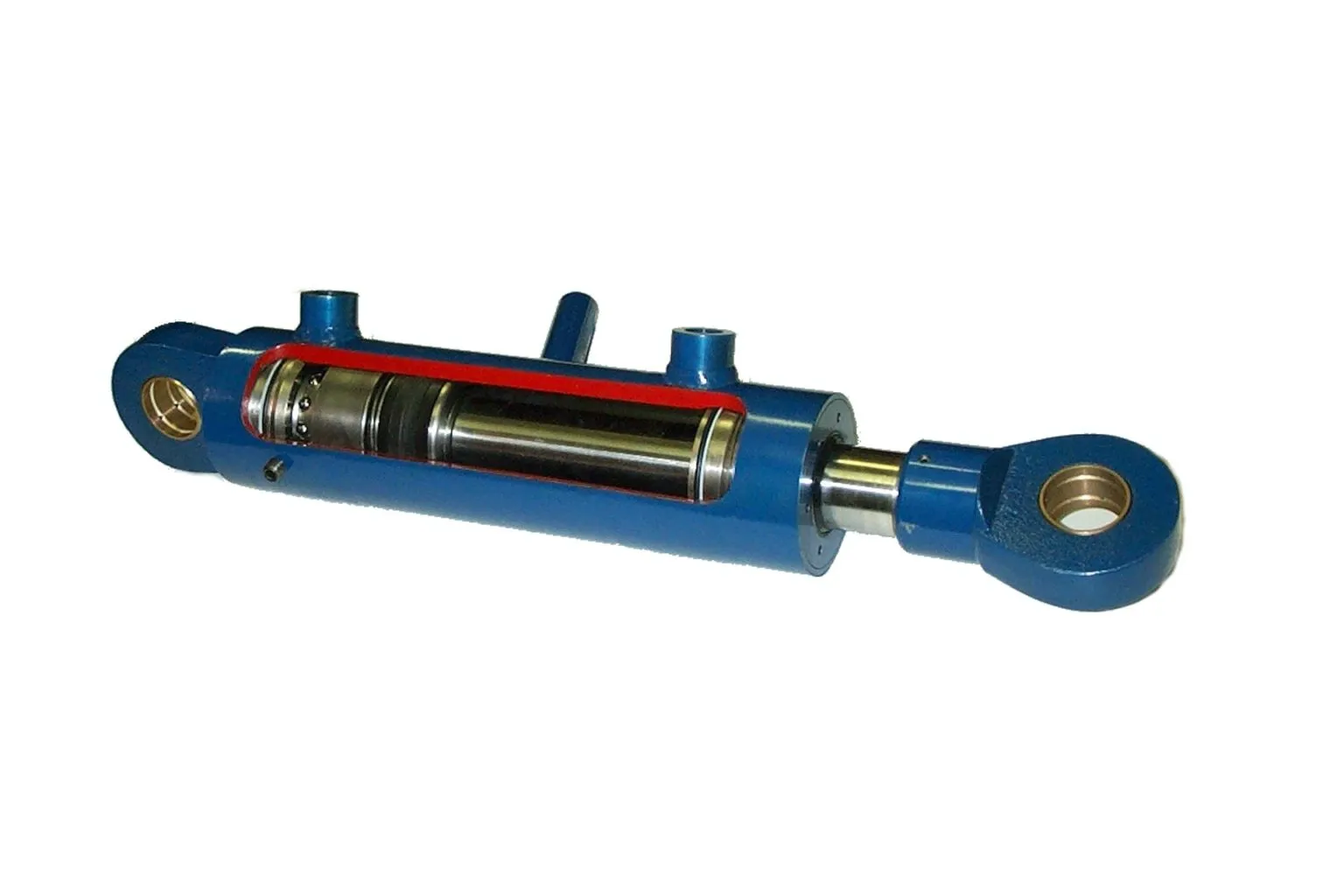
Telescopic single-acting cylinders find use in scenarios requiring space efficiency, high force output, and versatility. Industries like construction, agriculture, and transportation benefit from their unique capabilities.
Design Considerations and Selection Criteria
Key factors like bearing capacity, sealing, durability, safety, and maintainability influence the design and selection of telescopic single-acting hydraulic cylinders. Understanding these aspects ensures optimal performance and longevity.
Sealing and Lubrication
Proper sealing with materials like polyurethane and regular lubrication maintenance are crucial for the efficient operation of telescopic single-acting cylinders. Careful attention to seals and lubrication extends the lifespan of these components.
Maintenance and Safety
Regular inspection, preventive maintenance, and adherence to safety measures are essential for the safe and efficient operation of telescopic single-acting hydraulic cylinders. Proper care ensures longevity and reliability.
Unit Power and Optimization
Understanding unit power factors like cylinder diameter, operating pressure, piston speed, and load conditions is key to optimizing the performance of telescopic single-acting hydraulic cylinders. Enhancing power output leads to improved efficiency, energy savings, and reliability.
Common Questions
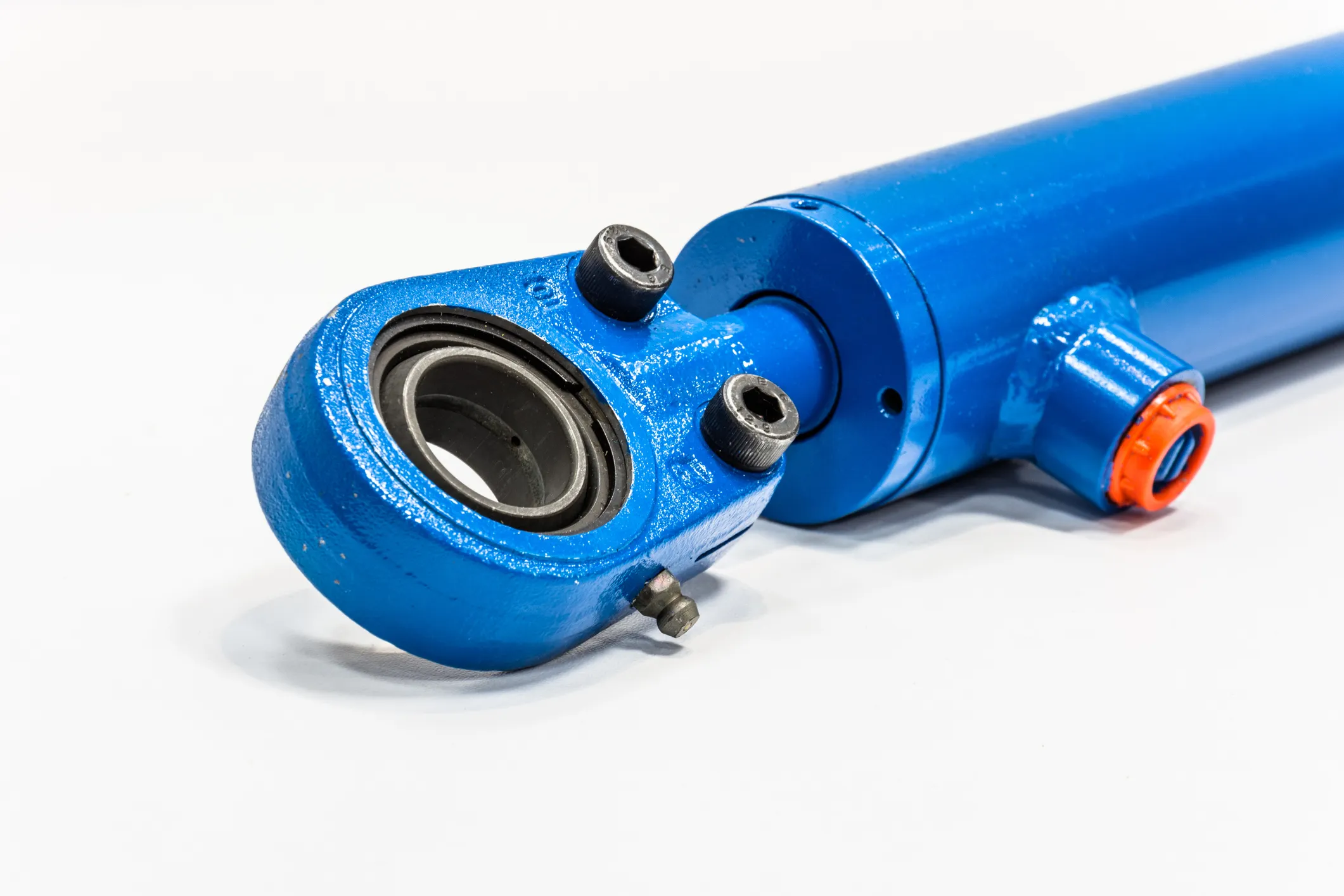
Answering common queries about telescopic single-acting hydraulic cylinders sheds light on their operation, components, applications, advantages, and materials used in construction.
Company Focus
Our company is a leading hydraulic cylinder replacement manufacturer, offering a comprehensive product line and customized services for domestic and international markets. With a commitment to quality, professionalism, and customer satisfaction, we aim to exceed industry standards and expectations.
Author: lyl